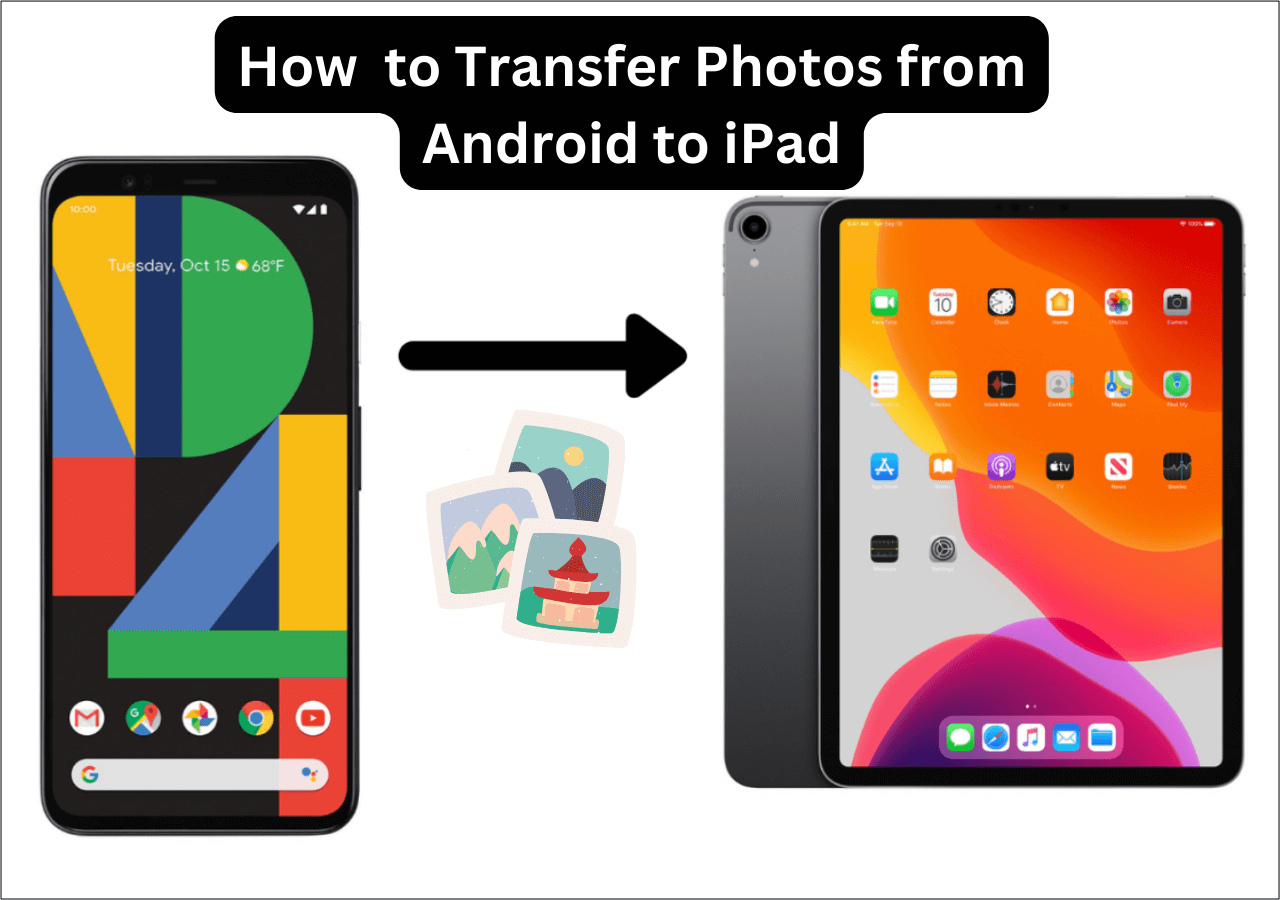
To transfer photos from iPhone to Android tablet, use Google Photos or Apple's iCloud data transfer to move your library without a cable. For the fastest setup with a new tablet, Google's Switch to Android tool handles the job wirelessly, while Samsung users can rely on Smart Switch.
Before you start: how to transfer photos from iPhone to Android tablet
Check these three things first: a stable Wi-Fi connection, charged batteries on both devices, and a Google account (free to create). The right method depends on where your photos live now and what tablet you're using. If your photos are backed up to iCloud, Method 1 moves them directly without touching your phone. If you prefer an app-based approach, Method 2 uses Google Photos on your iPhone. Setting up a brand-new tablet? Method 3 (Google's official tool) or Method 4 (for Samsung) is your best bet. For occasional transfers between existing devices, Method 5 uses a third-party app over Wi-Fi.
Method 1: Transfer from iCloud to Google Photos (no phone upload needed)
This is the most efficient route for iCloud users because it bypasses your iPhone entirely. Apple provides a direct transfer service that copies your entire iCloud photo library to Google Photos.
- On a computer or browser, go to Apple's Data and Privacy page (privacy.apple.com) and sign in with your Apple ID.
- Select "Transfer a copy of your data" from the available options.
- Choose Google Photos as the destination and follow the prompts to sign in with your Google account.
- Confirm the transfer; Apple will begin moving your photos and videos to Google Photos.
- Wait for the transfer to complete (large libraries can take hours or days, depending on size).
- Open the Google Photos app on your Android tablet and sign in with the same Google account to see all your photos.
This method preserves your original photo quality and doesn't require your iPhone to stay on during the transfer. It's ideal if you have a large library and don't want to drain your phone's battery.
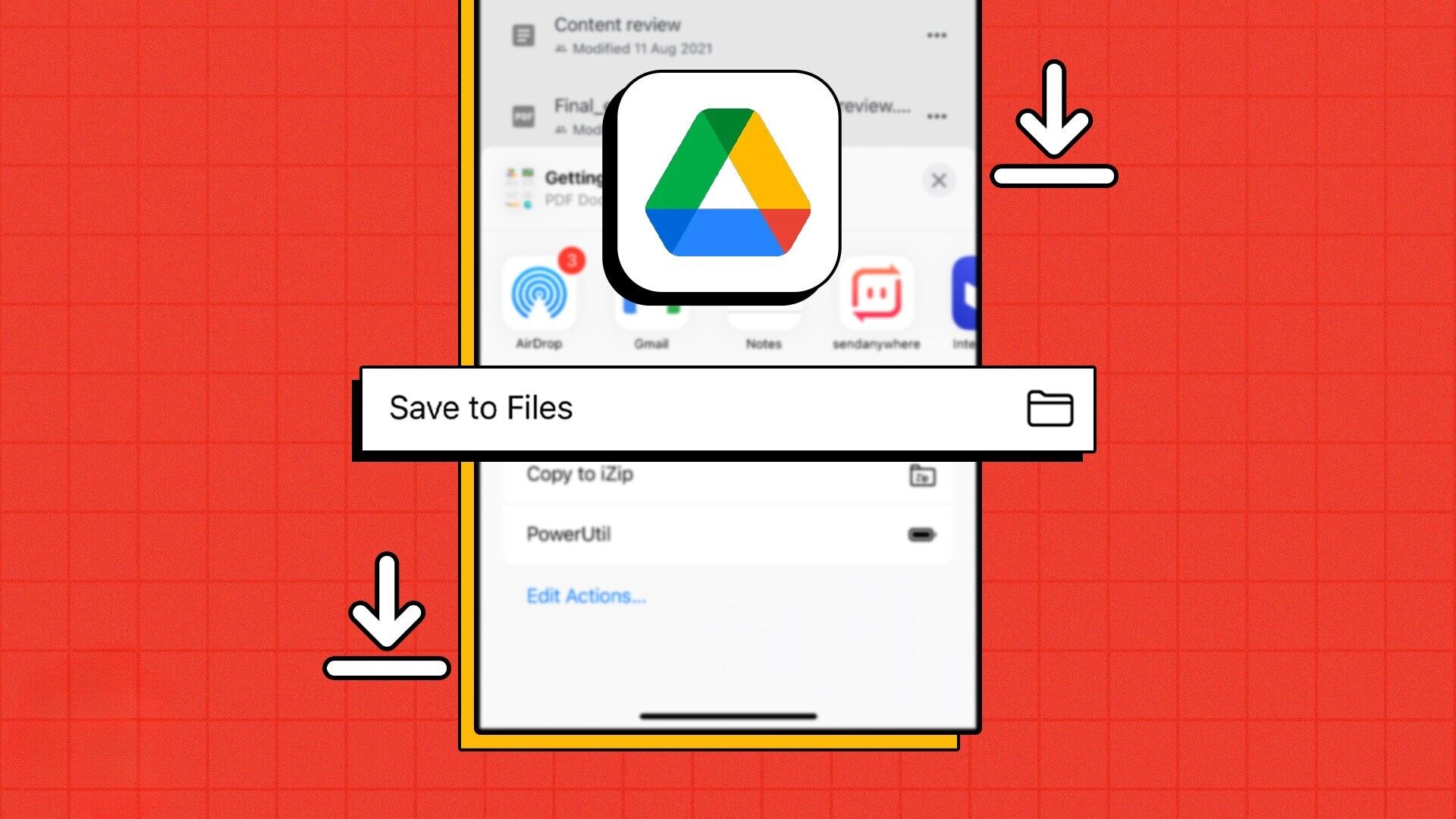
Method 2: Use the Google Photos app on your iPhone
This is the classic method for anyone who wants a simple, ongoing sync between their iPhone and Android tablet. It works by backing up your iPhone photos to Google's cloud, then accessing them on the tablet.
- Install the Google Photos app on your iPhone from the App Store.
- Open the app and sign in with your Google account (or create one if you don't have it).
- Tap your profile icon, then select "Back up" or "Backup & sync" from the settings menu.
- Turn on backup; you can choose whether to back up over Wi-Fi only or allow cellular data.
- Wait for your photos to upload. This can take a while for large libraries, so keep your iPhone connected to Wi-Fi and plugged in if possible.
- On your Android tablet, install Google Photos from the Google Play Store.
- Sign in with the same Google account you used on the iPhone.
- All your backed-up photos will appear in the tablet's Google Photos library, ready to view or download.
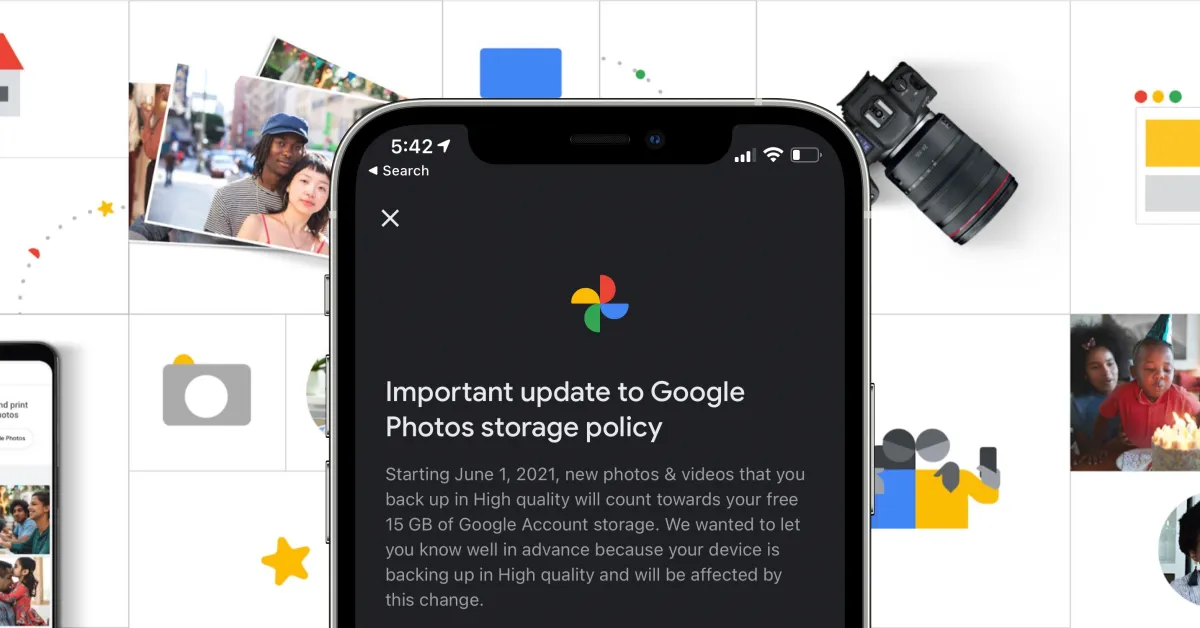
This method is best for ongoing transfers, any new photo you take on your iPhone will automatically appear on your tablet once backup is enabled. It also gives you free storage for high-quality compressed photos, though original quality counts against your Google account storage.
Method 3: Use Google's 'Switch to Android' tool for a new tablet
If you're setting up a brand-new Android tablet, Google's official "Switch to Android" app is designed for exactly this scenario. It transfers photos, including Live Photos (converted to Motion Photos), along with other data from your iPhone.
- Choose "iPhone or iPad" as your old device type.
- On your iPhone, download and open the "Switch to Android" app from the App Store.
- Follow the on-screen instructions to connect your iPhone to the tablet via a QR code or cable.
- Select "Photos" (and any other data you want) when prompted.
- Confirm the transfer; the app will wirelessly or via cable copy your selected photos to the tablet.
- Once done, your photos will be saved in the tablet's Gallery or Google Photos app.
This tool is the fastest way to move everything at once when you're starting fresh. It handles Live Photos by converting them to Google's Motion Photo format, so your moving images don't get left behind.
Method 4: Use Samsung Smart Switch on a Galaxy tablet
Samsung Galaxy tablet owners get a dedicated transfer tool that works specifically with iPhones. Smart Switch is pre-installed on most Galaxy devices and can move photos, videos, contacts, and more.
- On your iPhone, connect both devices using a USB cable (with a Lightning-to-USB adapter if needed) or connect wirelessly to the same Wi-Fi network.
- Follow the on-screen prompts on both devices to establish the connection.
- Select "Photos" from the list of data types you want to transfer.
- Tap "Transfer" and wait for the process to finish.
- Check your Galaxy tablet's Gallery app to confirm all photos arrived.
Smart Switch is the most reliable option for Samsung tablets because it's optimized for their hardware and software. It also preserves photo metadata like dates and locations, which some other methods drop.
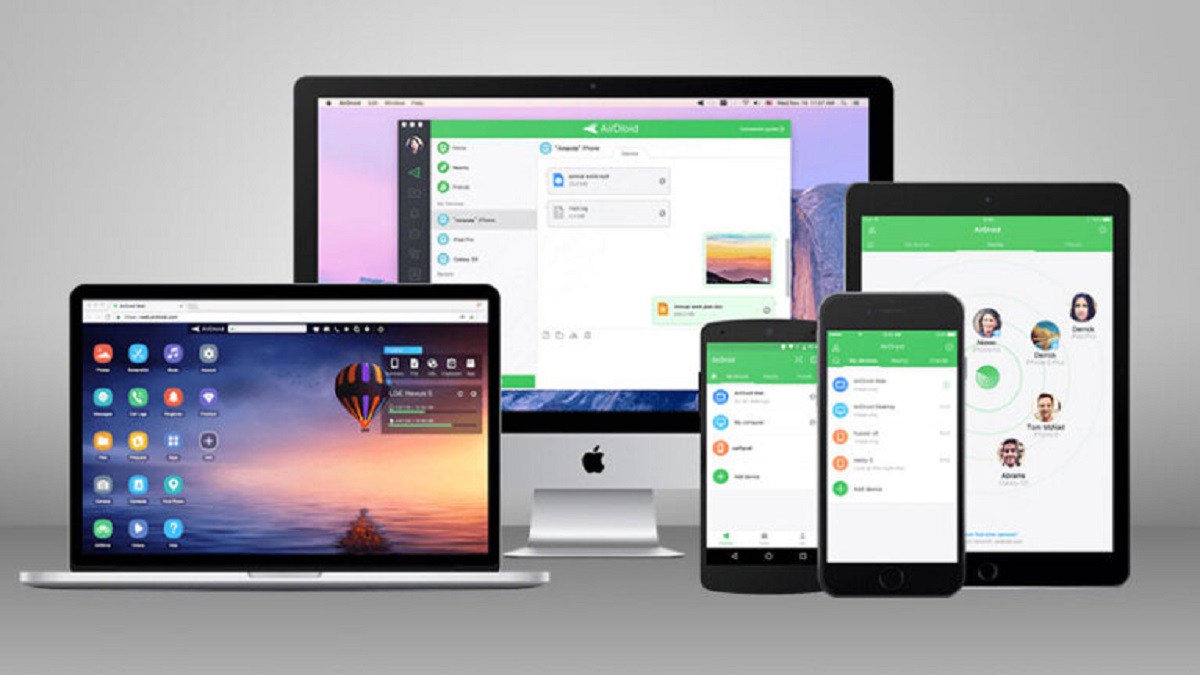
Method 5: Try a third-party app like AirDroid or Photo Transfer App
For occasional transfers between an iPhone and an Android tablet that are already set up, third-party apps offer a quick wireless solution. AirDroid and Photo Transfer App both work over your local Wi-Fi network, so no cloud storage is involved.
- Install the same app on both your iPhone (from the App Store) and your Android tablet (from Google Play). AirDroid and Photo Transfer App are reliable choices.
- Open the app on both devices and ensure they're connected to the same Wi-Fi network.
- On the iPhone, select the photos you want to send.
- Accept the incoming transfer on the tablet when prompted.
- Wait for the transfer to complete; the photos will be saved to the tablet's storage or gallery.
These apps are perfect for sharing a handful of photos without uploading anything to the cloud. They keep your photos private and work entirely on your local network, which is faster than uploading and downloading for small batches.
Troubleshooting common transfer problems
If your transfer stalls or photos don't appear, start by checking your Wi-Fi connection, most methods require a stable network, and a weak signal is the most common cause of slow uploads or failed transfers. For cloud-based methods (iCloud to Google Photos or Google Photos backup), confirm you have enough storage space in your Google account; if it's full, the transfer will stop. For wireless transfers using Switch to Android or Smart Switch, make sure both devices have Bluetooth and Wi-Fi enabled, and keep them within a few feet of each other. For third-party apps, restart both apps and try again, sometimes the connection drops if one device goes to sleep. Finally, if you're transferring a very large library, break it into smaller batches to avoid timeouts. A stable Wi-Fi connection and sufficient storage on the receiving device are the two things that solve most issues.
For the wider topic, see moving files between phone and tablet.
\nRelated reading: How To Transfer Pictures From Android Phone To Tablet and How To Transfer Google Photos To Apple Photos.