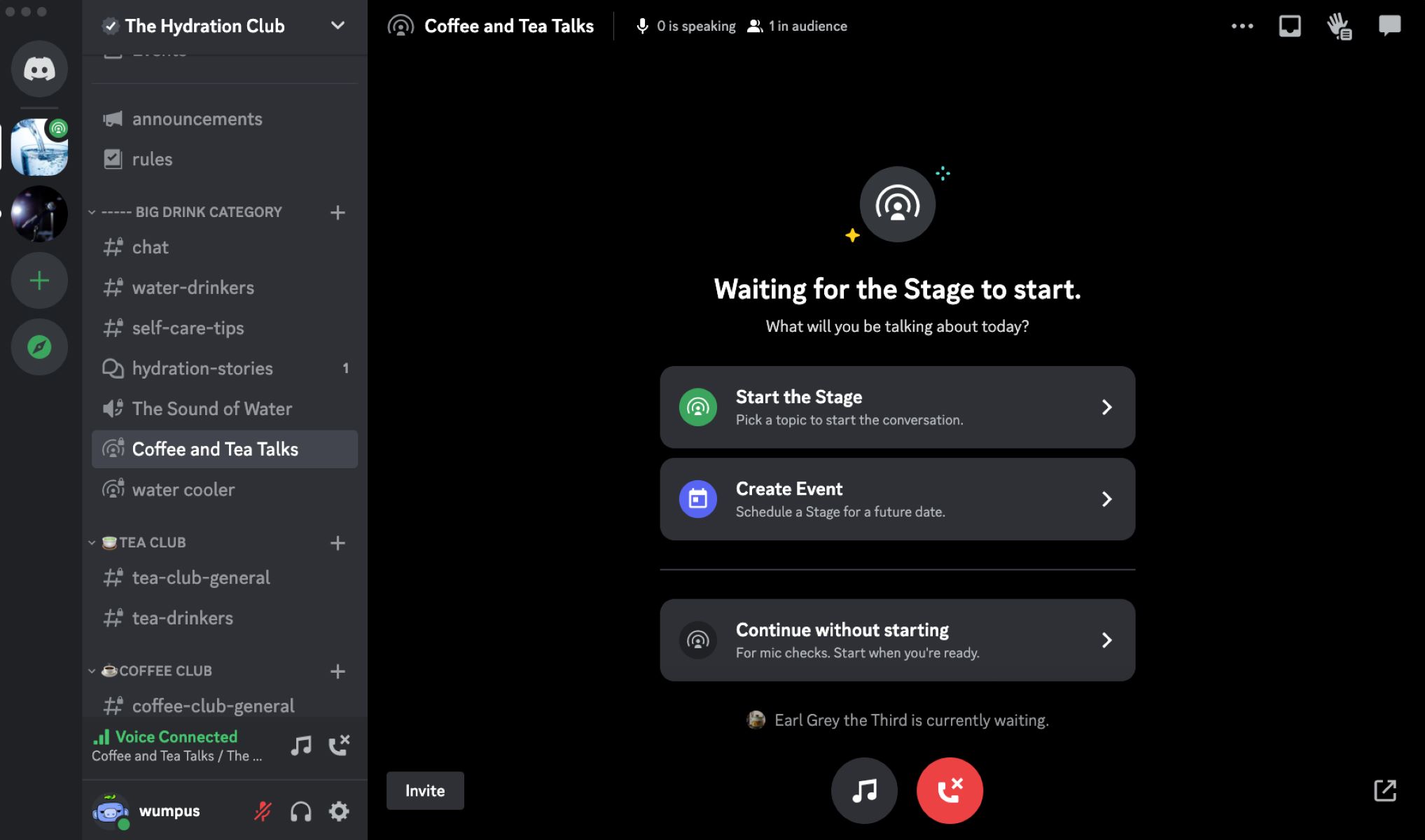
Getting your server ready to make a stage in Discord
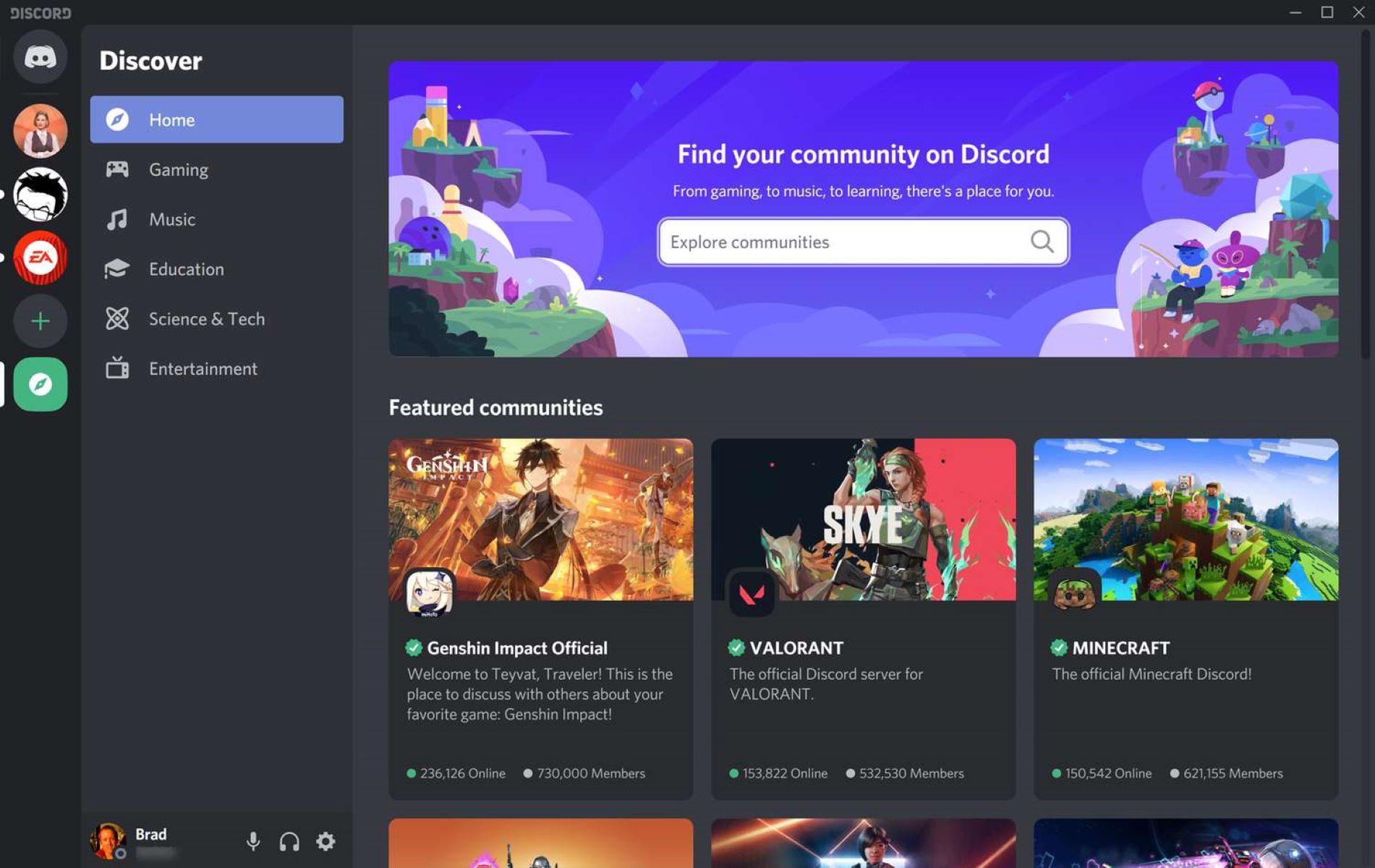
To make a stage in Discord, you must first unlock the feature by enabling your server for Community—a prerequisite almost never mentioned in individual setup guides. Open your Server Settings, navigate to the Community tab, and follow the prompts to set it up.
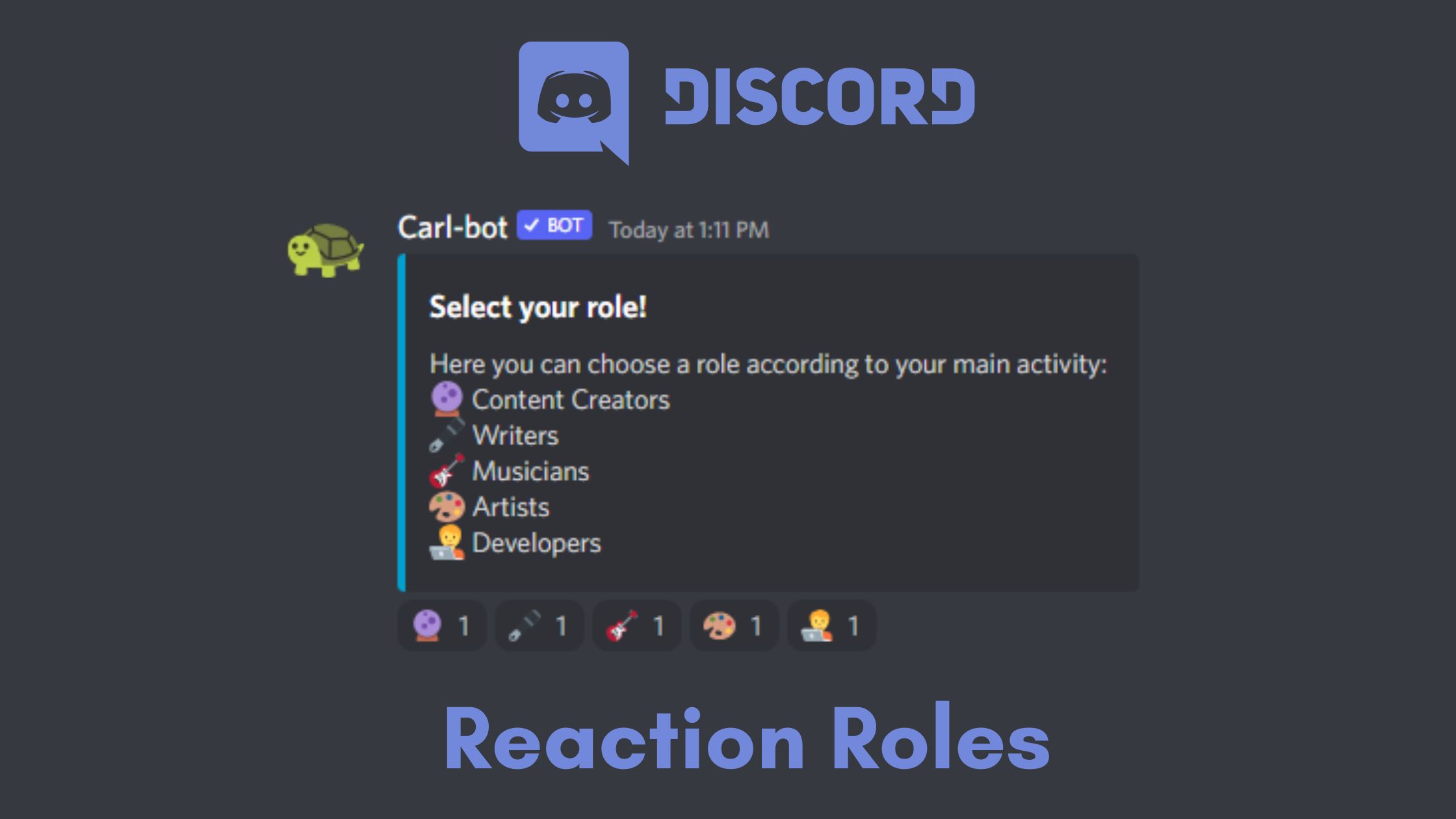
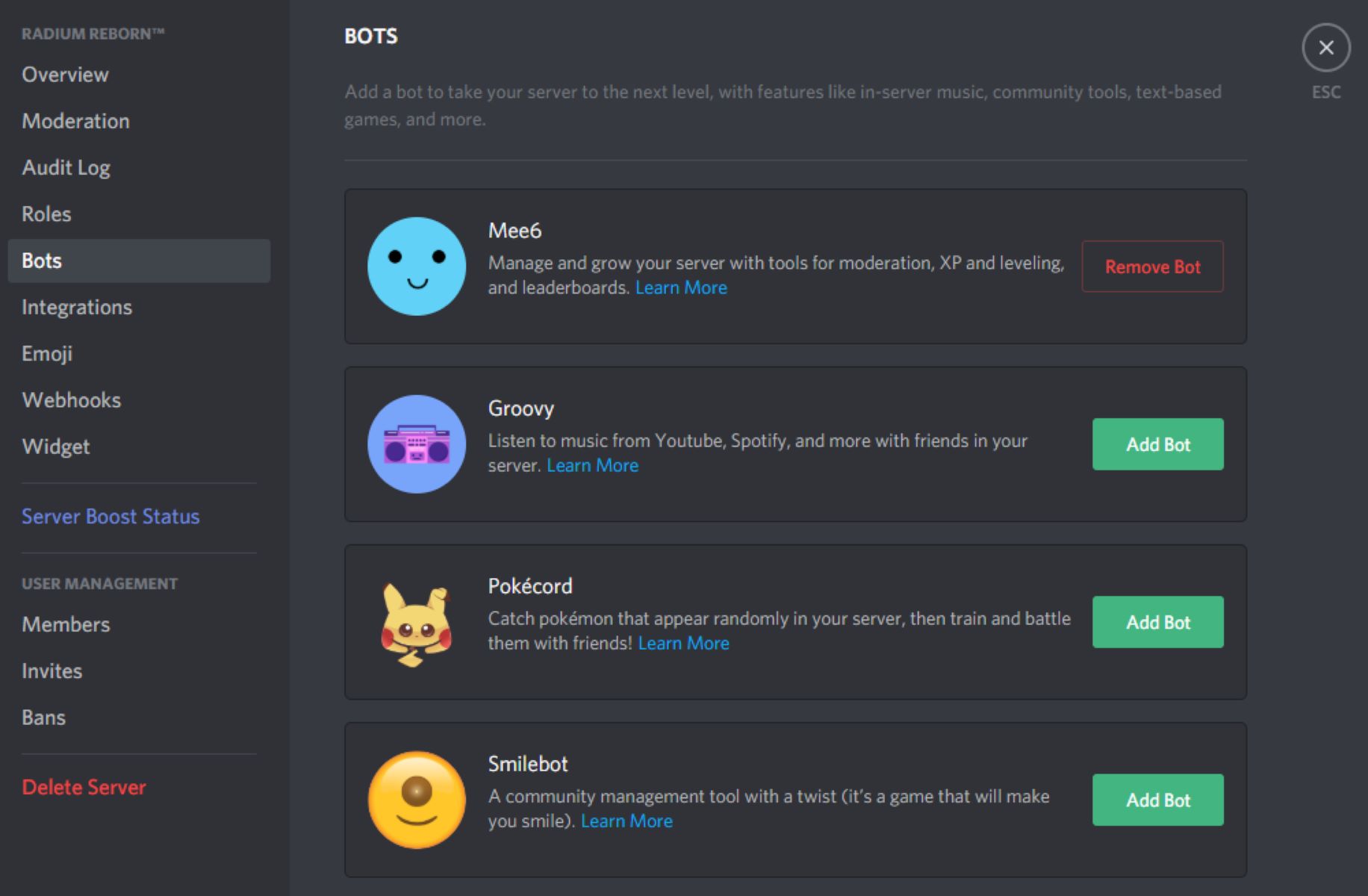
Once Community is active, you need to configure who can speak and listen. The quickest way to manage these access levels is to use roles. You can automate that workflow by setting a bot to automatically give roles in Discord when a member joins a specific voice area. For more visible interactions, you can also make reaction roles on Discord so members self-assign a "Stage Speaker" badge by clicking an emoji.
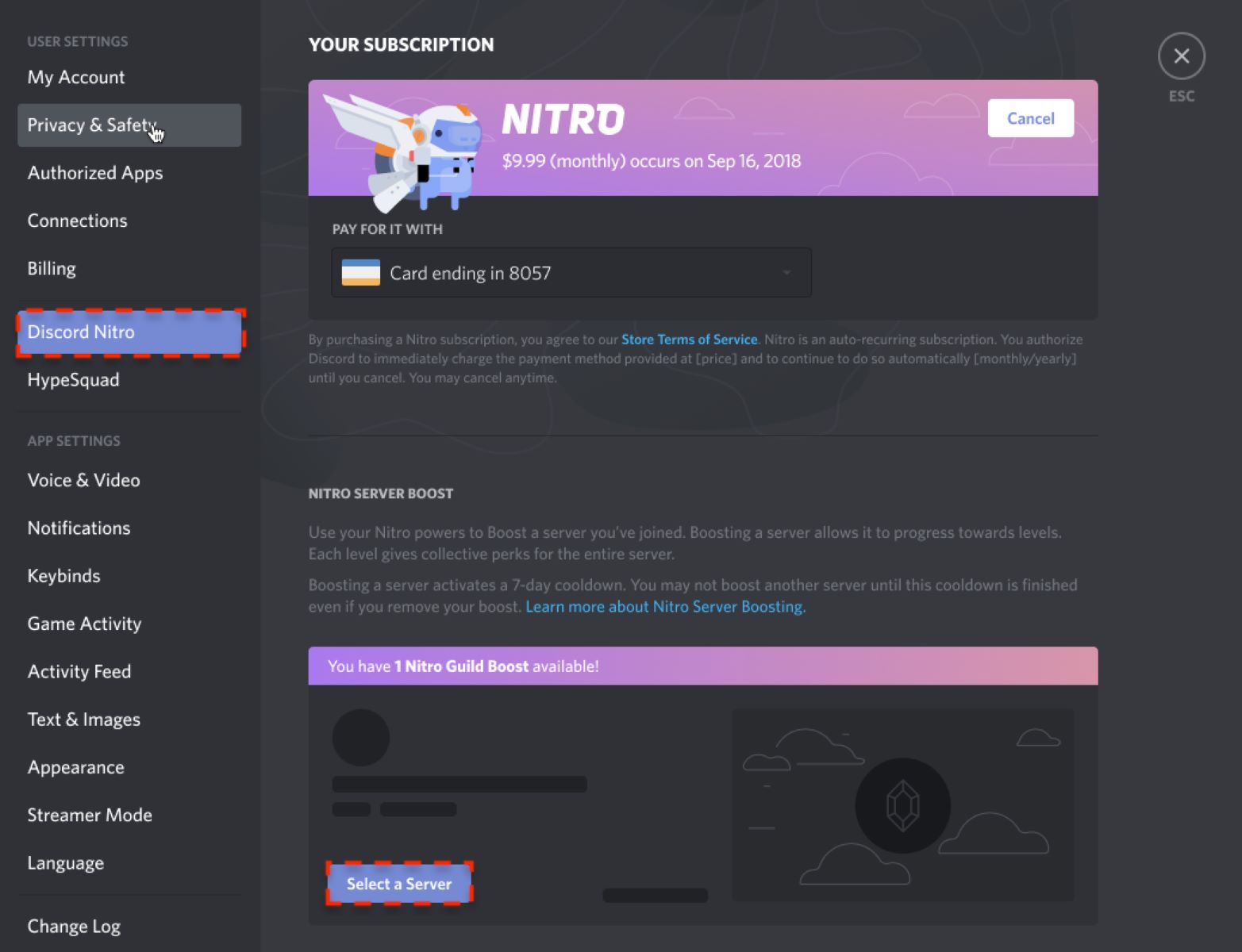
Stage Channel is only available on servers that have reached Community status. If you are missing the option entirely, you will need to boost Discord server to the first tier or check your Community setup. If the button still does not appear after all of that, you may need to follow a dedicated procedure to fix Discord stage not showing up. That process usually involves toggling the Community setting off and back on again.
Once your Stage is live, you can notify your audience across platforms. A dedicated bot can ping your Twitch followers when a Stage event goes live, bridging both platforms without a manual announcement. This cross-platform reach is the only way to turn a voice-only room into a live audience show that pulls viewers from outside your immediate server list.
Setting up and scheduling your stage
To get started, open your server settings and confirm that the Community feature is enabled. Without it, the Stage option simply will not appear in your channel list. This is the most common stumbling block. Once that prerequisite is handled, create a new channel. Choose the Stage type and give it a clear name like “Town Hall” or “Game Night.” After the channel exists, open it and look for the “Schedule an Event” button. This is where you will set the date, time, and a brief description. When you are scheduling a Discord stage in advance, the event creation panel lets you set the date, time, and a brief description. That setting helps you control the flow. You can also add a short text description or attach an image to the event card so your audience knows what to expect. If you want to keep the conversation organized before the stage starts, consider creating a thread in Discord linked to the event announcement. That way people can ask questions or suggest topics without cluttering the main chat. For streamers, you might also link Discord and Twitch inside your server settings to automatically notify your Twitch followers when a stage event goes live, bridging both platforms without a break. Finally, double-check the event time zone in the scheduler. Then post the event to your announcement space so everyone gets a notification.
You can only run a Stage channel on a server that has enabled the Community feature, a rule that catches many first-time hosts off guard.
Before anyone speaks, you need to understand the difference between a speaker and a listener. Speakers are the people you manually raise to the stage. Listeners occupy the audience area below the stage divider. To bring someone up, find their name in the audience list and click “Move to Stage.” You can also invite speakers ahead of time by assigning them a special role. That role lets them join the stage automatically without waiting for a manual invitation. During a live event, the stage controls sit at the bottom of your screen. You can mute all speakers with one click, remove someone from the stage, or end the event for everyone. A private backstage chat also exists, visible only to speakers and moderators. Use that space to coordinate talking points while the audience hears nothing. If a listener raises their hand, you will see a notification. You can then decide whether to bring them up. Managing the flow this way keeps the discussion focused and prevents background noise from taking over.
Promotion decides whether you speak to a packed room or an empty stage. Start by posting your event link in every relevant gathering place your group uses. A dedicated announcement feed works best. Pin the event so it stays visible. Send a reminder ping a few hours before you go live. If you run a stream, use your server integrations to link Discord and Twitch so your streaming audience sees the stage event pop up in their activity feed. Cross-promotion on other platforms turns casual followers into live listeners. You can also ask scheduled speakers to share the event link with their own circles. This multiplies your reach without extra effort. Record the stage if you plan to repurpose the conversation later. A recording lets people who missed the live session catch up and keeps your group active between events. After the stage ends, post a follow-up message in the event thread. Thank the speakers, summarize key points, and ask for feedback. That small step turns a one-time broadcast into an ongoing dialogue.
If the Stage option stays grayed out, your server likely lacks the Community upgrade. Turn that on first.
Audio issues usually trace back to a single setting. Ask speakers to check their input device in Discord’s voice settings. If echo creeps in, enable echo cancellation. Push-to-talk can rescue a speaker with a noisy background. For listeners who cannot hear anything, confirm they have not accidentally deafened themselves in the server. Sometimes a simple disconnect and reconnect fixes one-sided audio. Permission problems are another common headache. If a moderator cannot move people to the stage, open the role settings and confirm they hold the “Manage Channels” permission. Without it, the stage controls remain locked. When an event disappears from the schedule, check whether someone edited the event and changed the date. Discord removes past events from the list automatically. For persistent bugs, restart your client or check Discord’s status page. Most stage glitches resolve on their own within a few minutes.
Only Discord gives you a Stage channel where the audience is separated from speakers, turning a voice chat into a structured broadcast without leaving your server.
Managing your presence and activity
Once you’re on stage, your activity status becomes part of the audience’s first impression. If you want to make Discord show what game you're playing while you present, open your User Settings and toggle the activity status on before you step up to the mic. Listeners then see your game title alongside your name, which can help set the tone for a gaming-focused stage.
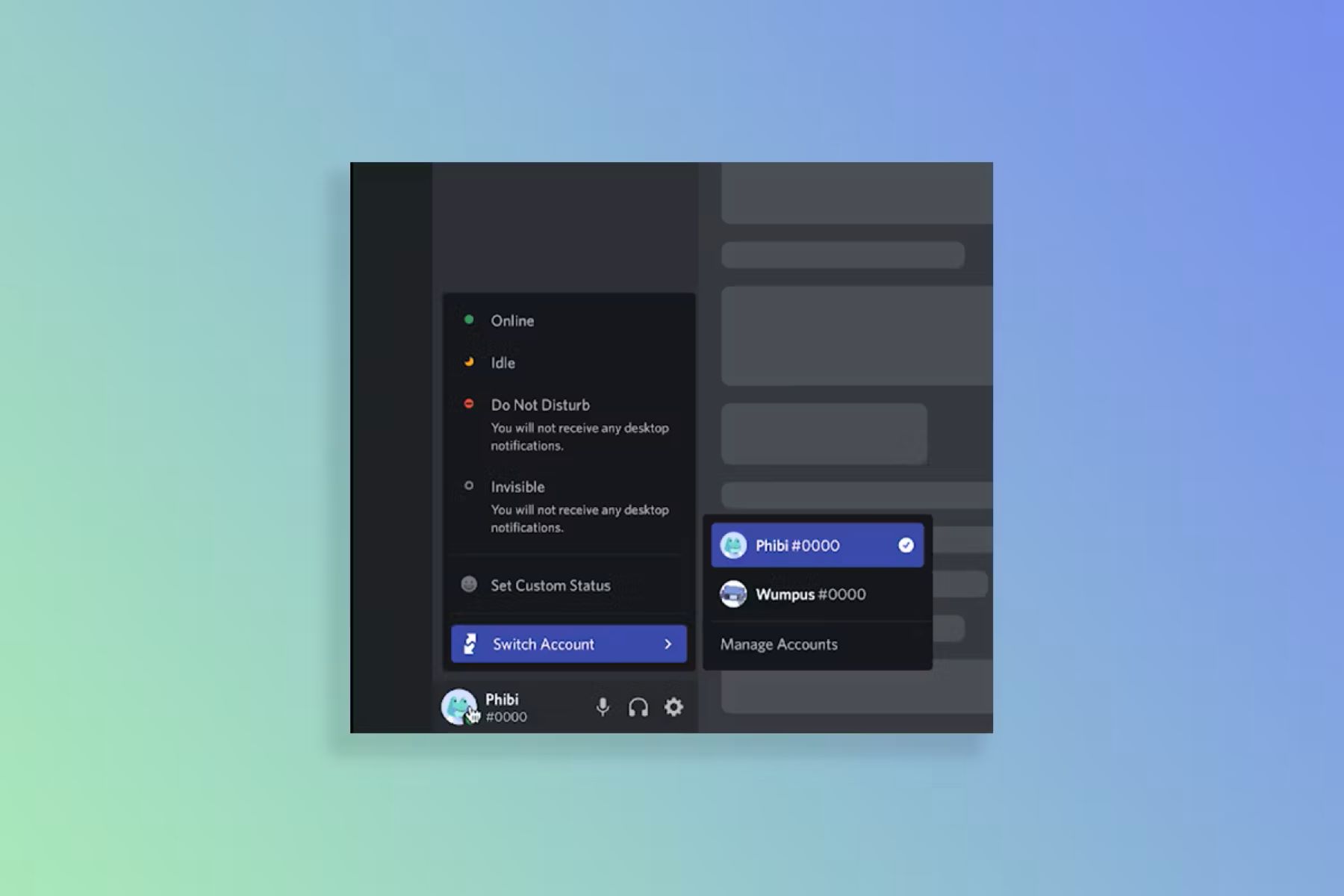
Keep in mind that any alt accounts you use to manage the server should stay offline during your set. Otherwise they risk appearing as a separate participant. If you need to make an alt account on Discord for testing or moderation, log into that account from a different browser profile or device. This prevents you from accidentally broadcasting your own dual presence.
When you need to switch between accounts quickly, you can log in Discord on a second browser tab without closing your main session. Never leave both accounts in the same voice channel.
The Community prerequisite that enabled your stage also governs which roles can broadcast their game status. Double-check that your alt account has the correct permissions if you plan to use it to play games on Discord while the stage is live. Otherwise the activity won’t display to the audience.
Discord lets you broadcast your live gameplay as a stage presenter while the server’s built-in Community rules automatically filter which roles appear on screen.
Communicating and formatting messages
Once your Stage is set up, coordinating with speakers and managing the audience comes down to how you communicate. Mastering text formatting lets you send polished instructions without relying on voice.
If you need to highlight a speaker's queue, you can use a blockquote or bulleted list to visually separate their name from the rest of the text. The schedule becomes easy to scan at a glance.
When a guest speaker is running late, you might need to ping someone on Discord directly in the Stage chat to get their attention. This avoids interrupting the current speaker, and you can read the article on how to ping someone on Discord to ensure you do it correctly.
For private coordination, you can dm someone on Discord without being friends by using the server's member list. For a quick cue without broadcasting it to the entire audience, you can follow the exact steps in the guide on how to dm someone on Discord without being friends.
When sharing links to resources or a presentation, use a hyperlink in Discord to keep the chat clean. A pasted raw URL takes up space and looks messy, so the article on how to hyperlink in Discord will show you the proper formatting to keep your Stage organized.
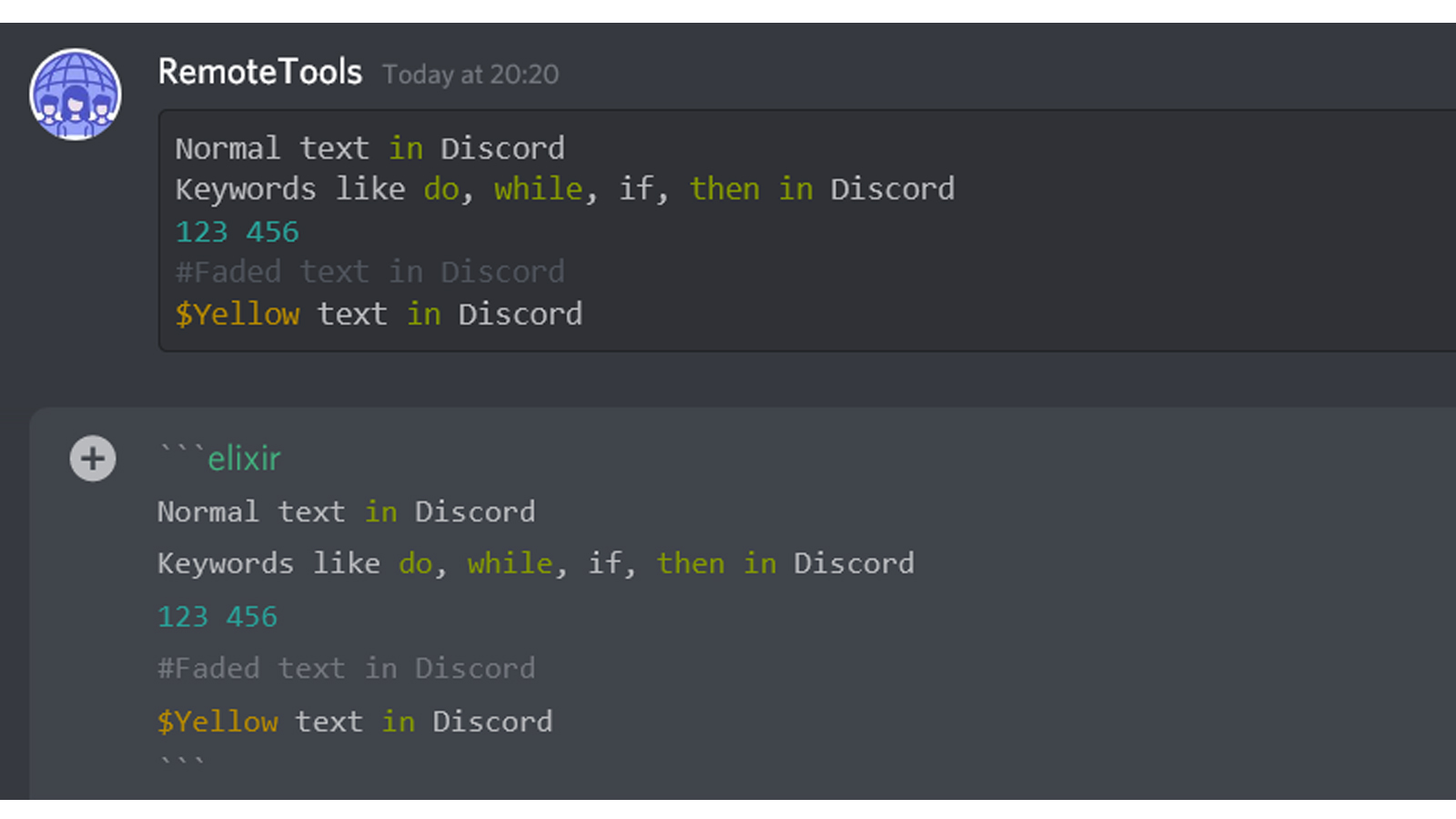
If you are posting a long set of rules or a schedule, you can keep the main chat readable by placing the details in a code block or attaching them as a separate message. This keeps the main chat readable while still providing all the necessary details, including every method from the tutorial on how to make small text in Discord.
Every formatting trick you learn reduces the chance of a speaker missing a critical instruction or the audience getting confused by cluttered messages.
Promoting your Stage event requires more than a single announcement. A smart promotional rhythm turns a quiet room into a packed house.
Start by scheduling the event directly in your server's event calendar. This creates a dedicated space where interested members can mark their interest and receive automatic reminders. When the event goes live, broadcast the link to your other social platforms. A bot can automatically notify your Twitter followers, bridging both platforms without a hitch. Time your announcements carefully. One early teaser builds curiosity. A reminder an hour before catches people finishing other tasks. A final ping at the start time pulls in the stragglers. Vary your message each time. A question sparks more engagement than a plain link. A speaker quote builds credibility. A countdown creates urgency. The goal is to make every announcement feel like a fresh invitation, not a repetitive alert.
Design your Stage topic with precision. A vague title like "Chatting about games" attracts no one. A specific hook like "Speedrunning Dark Souls: Live Q&A with World Record Holders" draws a crowd. Use the topic field to promise a clear takeaway. Tell people exactly what they will learn, hear, or experience. This single sentence sets expectations and filters your audience to the right people.
Your Stage topic is the only marketing copy that appears directly inside Discord's discovery surfaces. No competitor can claim that a weak topic still succeeds, because the algorithm and human curiosity both depend entirely on that one line of text.
During the event, keep energy high by managing the backstage. Create a private backstage voice room for speakers to gather before going live. This gives everyone a calm space to test mics, review the run of show, and build rapport. A relaxed speaker performs better than one who jumps straight into the spotlight. Assign a moderator to handle the audience chat. Their job is to surface the best questions, enforce your group's rules, and welcome newcomers. This frees the speakers to focus entirely on the conversation. Rotate speakers onto the stage in small batches. Bringing up three people at once keeps the discussion dynamic. A single speaker talking alone for an hour drains attention. Two or three voices bouncing ideas back and forth holds the room.
Record the event if you plan to repurpose the content. Let the audience know they are being recorded at the start. This builds trust and meets transparency expectations. After the event ends, follow up in the chat with a summary and a link to the recording. This turns a live moment into an evergreen resource. Members who missed it can catch up. Those who attended can revisit their favorite parts. The follow-up message is also a natural place to tease your next Stage event, keeping momentum rolling forward.
Building a loyal audience for your Stages takes consistency and genuine connection. A regular schedule trains your members to return. Whether you go live weekly or monthly, pick a cadence and stick to it. Unpredictable events lose audiences. Reliable ones build rituals.
Involve your members directly. Open the stage to them for a portion of the event. A live Q&A segment transforms passive listeners into active participants. When someone speaks on stage, they become invested in the group's success. They tell their friends. They return next time. Spotlighting different voices also prevents your events from becoming a one-person show. A diverse rotation of speakers keeps the content fresh and the perspectives varied.
Listen to feedback after every event. Create a dedicated thread where attendees can suggest topics, nominate speakers, or point out technical issues. Act on that feedback publicly. When your group sees their ideas shaping future events, they feel ownership. Ownership drives word-of-mouth growth. A thriving Stage culture is not built on perfect production value. It is built on the feeling that this is a space where people are heard, valued, and excited to return.
- indent on Discord — How To Indent On Discord
Controlling your experience and leaving
Once you are inside a Stage event, you control your own experience independently of what the host or other speakers are doing. To avoid interruptions during a presentation, you can turn off Discord notifications entirely from your user settings or directly from the voice controls. This prevents message pings and alerts from breaking your focus while listening.
If you need to speak but your microphone is muted by the host, you can typically unmute on Discord by clicking the microphone icon in the Stage control bar. The host may have locked that ability for certain roles.
After the event ends, you can search for Discord servers by name in your server browser and right-click to leave if you no longer want the server appearing in your list. You can also simply navigate to the server dropdown menu. To permanently remove yourself from a server where you only joined for the Stage, you can leave a Discord group by selecting "Leave Server" from the server settings menu. This also stops the server from appearing in your sidebar.
The Stage option itself never appears in the first place without the prerequisite step of enabling the Community feature in your server settings.
Only Discord lets you create a Stage channel that exists inside a server alongside text threads and voice lounges, allowing a single audience to shift instantly from casual chat to a structured broadcast without switching platforms.