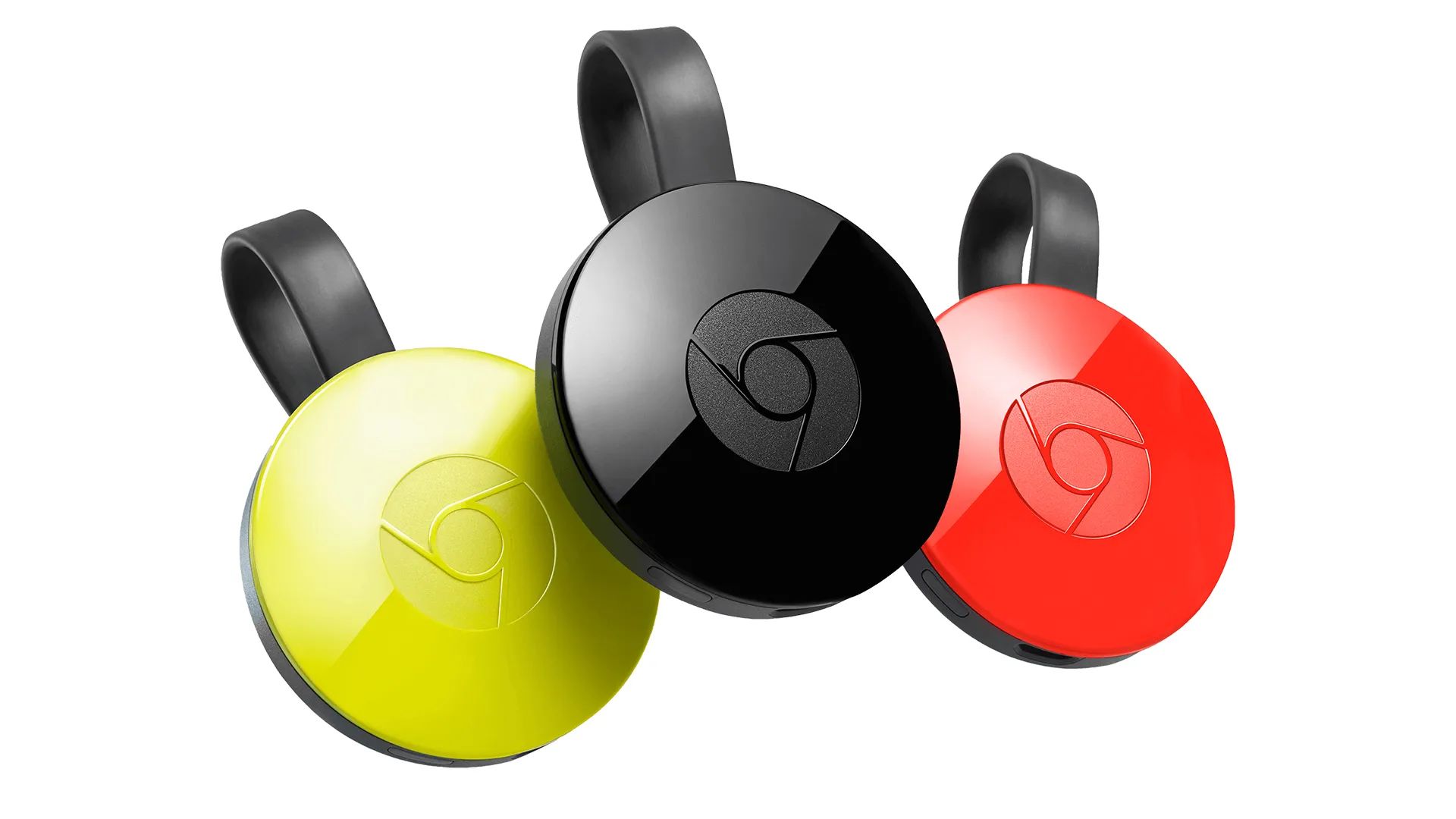
How to sideload apps on a Chromecast with Google TV: An introduction
To sideload apps on a Chromecast with Google TV, you don't need to perform a traditional jailbreak or modify the device's firmware, you simply need to enable the built-in developer options and allow installation from unknown sources. This official, hidden pathway lets you install apps that aren't available on the Google Play Store, effectively giving you the same benefits people seek when they search for how to jailbreak a Google Chromecast, but without the risky firmware hacking. If you want to unlock similar sideloading freedom on an Amazon device, you can jailbreak a Fire tablet to escape its restrictive app store. The same concept extends to larger screens, where you can jailbreak a smart TV to install unofficial streaming apps directly on the big screen.
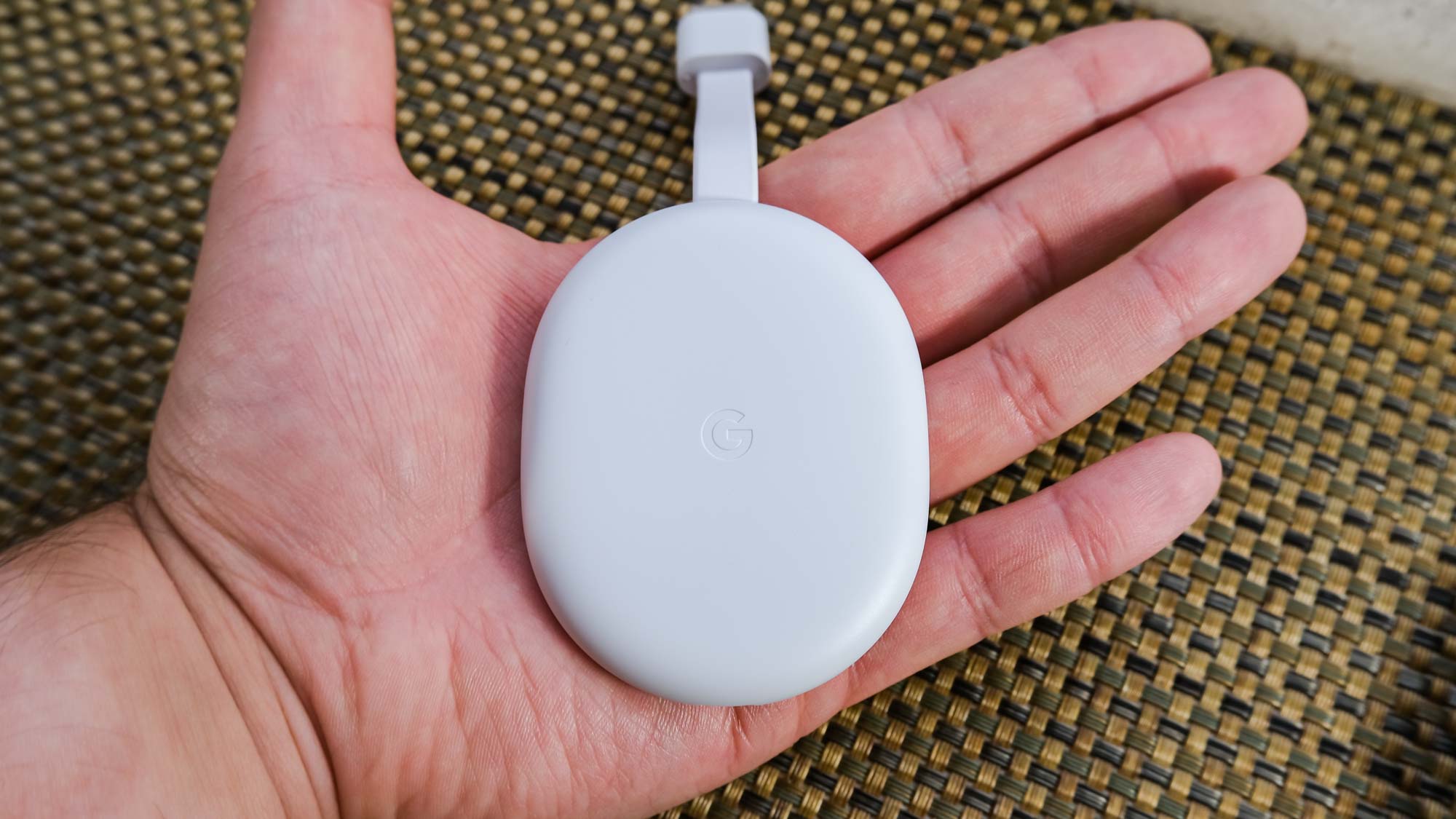
Modern Chromecast devices (specifically the Chromecast with Google TV) run on the Android TV operating system, which means they already contain the tools necessary for sideloading apps. The term "jailbreaking devices" often conjures images of complex software exploits, but for this device, it simply means unlocking the developer settings that Google has intentionally left accessible. This guide will walk you through the entire process, from enabling developer options to installing third-party APK files, along with the precautions you should take and the risks you should understand.
What you can do by sideloading apps
Sideloading apps on your Chromecast with Google TV opens up a world of possibilities that go far beyond what's available in the official Play Store. The most obvious benefit is access to apps that are geo-restricted or unavailable in your region, for example, you might want to install a streaming service that's only offered in another country, or an app that Google has chosen not to list on the Play Store for your device.
Beyond streaming services, sideloading allows you to install alternative media players that support a wider range of file formats than the default player. Apps like VLC or MX Player can handle codecs that the standard Chromecast player cannot, giving you more flexibility with your local media files. You can also install customization tools, launchers, and utility apps that let you change the look and feel of your home screen, adjust display settings, or add functionality like a web browser or file manager.
For power users, sideloading enables access to experimental features and niche applications that never make it to the official store. Whether it's a specialized streaming app, a retro gaming emulator, or a tool that lets you cast content from less common sources, sideloading transforms your Chromecast from a simple streaming dongle into a versatile Android TV device. The ability to install apps from outside the Play Store is particularly valuable for users who want to maximize their device's potential without purchasing a more expensive streaming box.
Precautions before you begin
Before you start the sideloading process, it's crucial to understand the potential consequences. First and foremost, enabling developer options and installing apps from unknown sources will void your manufacturer's warranty. Google does not officially support sideloading, and if something goes wrong, you won't be able to get free repairs or replacements from the company. If your device is still under warranty and you're concerned about coverage, weigh this risk carefully before proceeding.
Security is another major consideration. When you sideload apps, you're bypassing the security checks that Google applies to apps in the Play Store. This means you could inadvertently install malware or software with vulnerabilities that compromise your personal information. Only download APK files from trusted sources, and be especially wary of apps that request excessive permissions or come from unfamiliar developers. It's also wise to avoid sideloading apps that handle sensitive data like banking or payment information.
For privacy-conscious users, using a VPN is highly recommended when sideloading apps or streaming content from unofficial sources. A VPN encrypts your internet traffic and masks your IP address, protecting you from ISP monitoring and potential legal issues related to accessing geo-blocked content. Many sideloaded apps also collect data, and a VPN adds an extra layer of protection against third-party tracking. Choose a reputable VPN service with a strict no-logs policy to ensure your streaming habits remain private.
Step-by-step: enable developer options and unknown sources
To begin sideloading apps on your Chromecast with Google TV, you first need to enable Developer Options. This is a straightforward process that takes less than a minute. From there, scroll down and select "System," then click on "About."
Click on this build number repeatedly, seven times is the standard requirement.
Enable this toggle to allow the installation of apps from outside the Google Play Store. You may see a warning about security risks, this is normal, and you can dismiss it.
Verify your developer status
If you don't see this message, try clicking a few more times, some devices may require up to ten clicks. Once you see the confirmation, Developer Options will be permanently enabled until you choose to disable them or perform a factory reset.
How to install third-party apps
With Developer Options enabled and Unknown Sources turned on, you're ready to install third-party apps. The most common method involves transferring APK files from another device to your Chromecast. Install this app on both your Chromecast and your Android phone or tablet, then use it to wirelessly transfer APK files over your local network.
To use this method, download the APK file you want to install onto your phone or tablet. The file will transfer over Wi-Fi, and you can then open it using a file manager app on your Chromecast.
Another option is to use cloud storage services like Google Drive, Dropbox, or OneDrive. Upload the APK file to your cloud storage account from your computer or phone, then install a cloud storage app on your Chromecast that supports file browsing. Navigate to the APK file in the cloud storage app, click on it, and your Chromecast will prompt you to install it. This method is particularly useful if you don't have an Android phone or prefer not to transfer files over your local network.
Once the APK file is on your Chromecast, open it using a file manager. The installation process is the same as on any Android device, you'll see a confirmation screen asking if you want to install the app, along with a list of permissions it requires. Review the permissions carefully, then click "Install" to complete the process. After installation, the app will appear in your app drawer or on your home screen, and you can launch it like any other app.
Risks and disadvantages of sideloading
While sideloading apps on your Chromecast with Google TV offers significant benefits, it's important to understand the potential downsides. The most immediate risk is device instability, apps that aren't optimized for your device or that conflict with the system software can cause crashes, freezes, or unexpected behavior. In extreme cases, a poorly coded app could cause your Chromecast to become unresponsive, requiring a factory reset to restore functionality.
Security vulnerabilities are another major concern. Apps from unknown sources haven't been vetted by Google, and they may contain malware, spyware, or code that exploits security holes in the Android TV operating system. This is particularly dangerous if you use your Chromecast for sensitive activities like online shopping or banking, as malicious apps could potentially intercept your data. Always download APK files from reputable sources, and avoid apps that request unnecessary permissions.
You'll also lose access to automatic updates for sideloaded apps. Apps installed from the Play Store receive regular updates that fix bugs, patch security vulnerabilities, and add new features. This means you could be running outdated software with known security flaws, especially if you forget to check for updates regularly.
Finally, sideloading can cause compatibility issues with streaming services and other apps. Some services, like Netflix or Hulu, may detect that your device has been modified and refuse to play content in high definition or at all. While this is less common with simple sideloading (as opposed to full firmware modification), it's still a possibility. Additionally, Google may push updates to the Chromecast's system software that break compatibility with sideloaded apps, requiring you to reinstall them or find workarounds.
Frequently asked questions
Is sideloading apps on a Chromecast legal? Yes, sideloading apps on a device you own is generally legal in most countries, including the United States. The Digital Millennium Copyright Act (DMCA) includes exemptions for personal device modification, though the specific laws vary by region. However, downloading copyrighted APK files from unofficial sources may violate copyright law, so always ensure you're installing legitimate apps.
Will sideloading void my Chromecast's warranty? Yes, enabling developer options and installing apps from unknown sources will void your manufacturer's warranty. If your Chromecast develops a hardware or software issue after you've sideloaded apps, Google may refuse to provide support or repairs. If you're still within your warranty period, consider waiting until it expires before sideloading.
How do I uninstall sideloaded apps? Uninstalling a sideloaded app is the same as uninstalling any other app on your Chromecast. Navigate to Settings, then Apps, and find the app you want to remove. This will also remove any associated data, so make sure you don't need any saved settings or files before uninstalling.
Can I revert the changes and restore my Chromecast to its original state? Yes, you can revert most changes by performing a factory reset on your Chromecast. This will disable Developer Options, remove all sideloaded apps, and restore the device to its original factory settings. However, a factory reset will also erase all your settings and preferences, so you'll need to set up your Chromecast again from scratch. Note that a factory reset may not completely undo all modifications if you've made deeper system changes.
Will sideloading affect my ability to receive official updates? Sideloading apps themselves doesn't prevent you from receiving official Chromecast updates from Google. However, some system updates may disable Developer Options or remove sideloaded apps, requiring you to re-enable them after the update. In rare cases, a major update could break compatibility with certain sideloaded apps, so you may need to wait for the app developers to release updated versions.