Find the switch IP address on your network
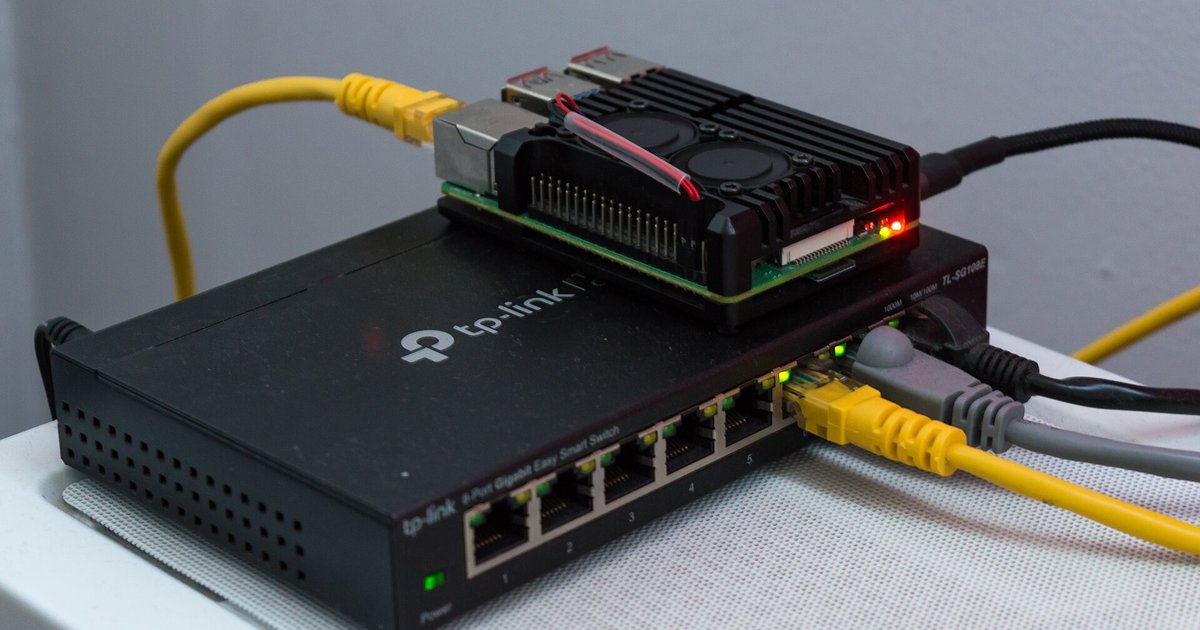
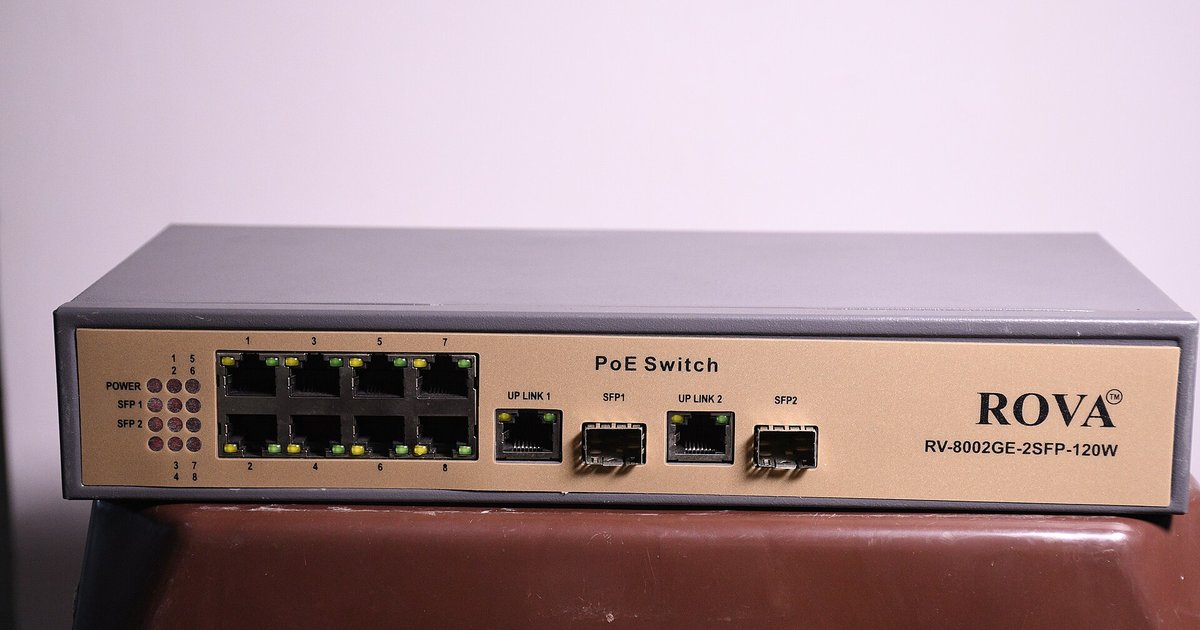
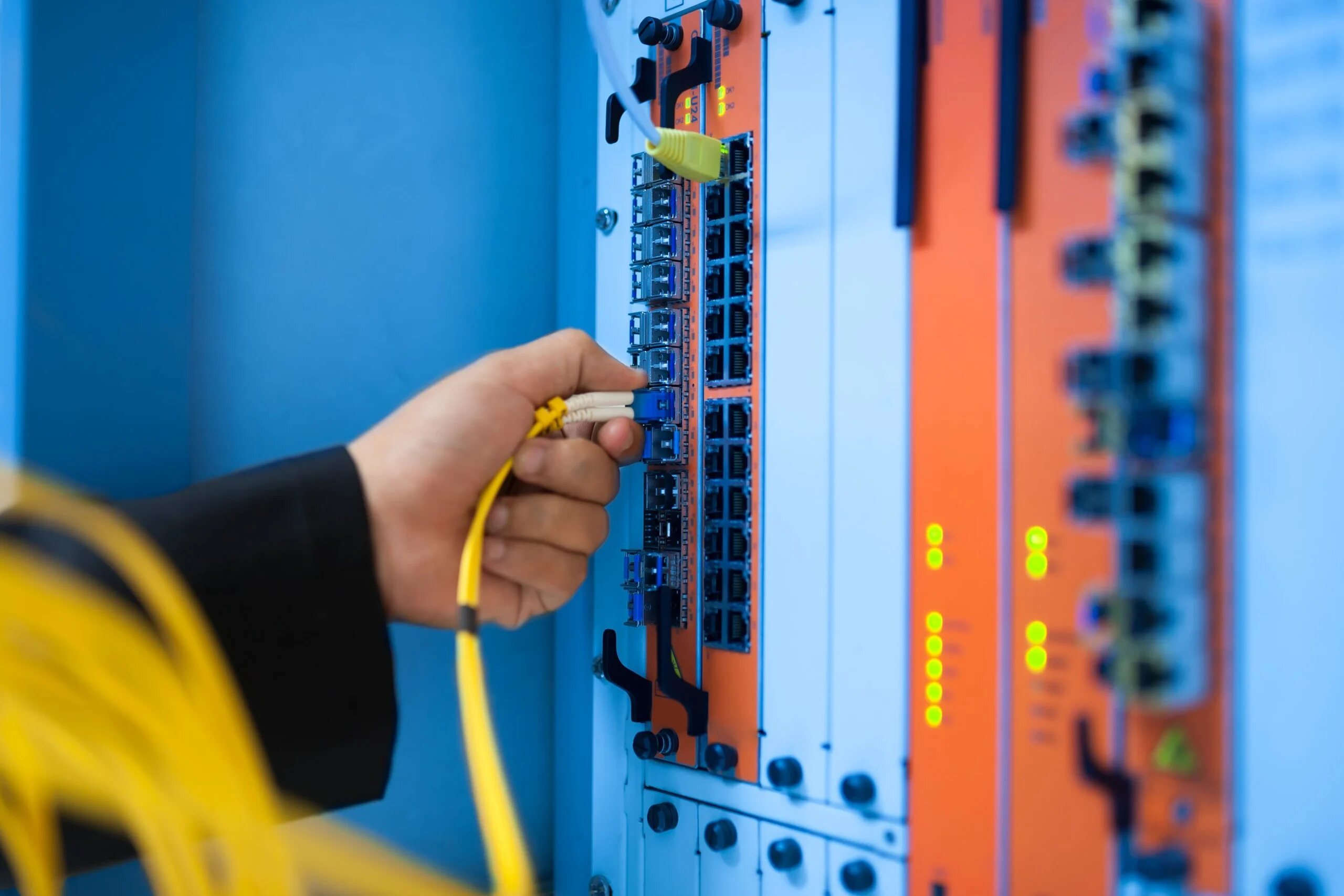
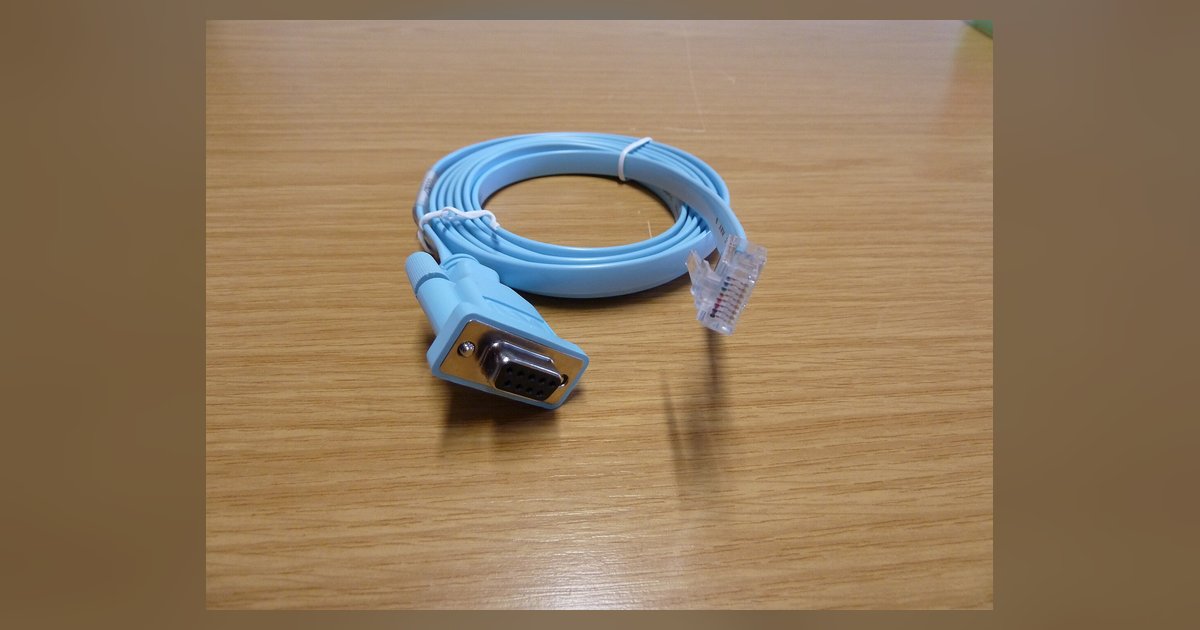
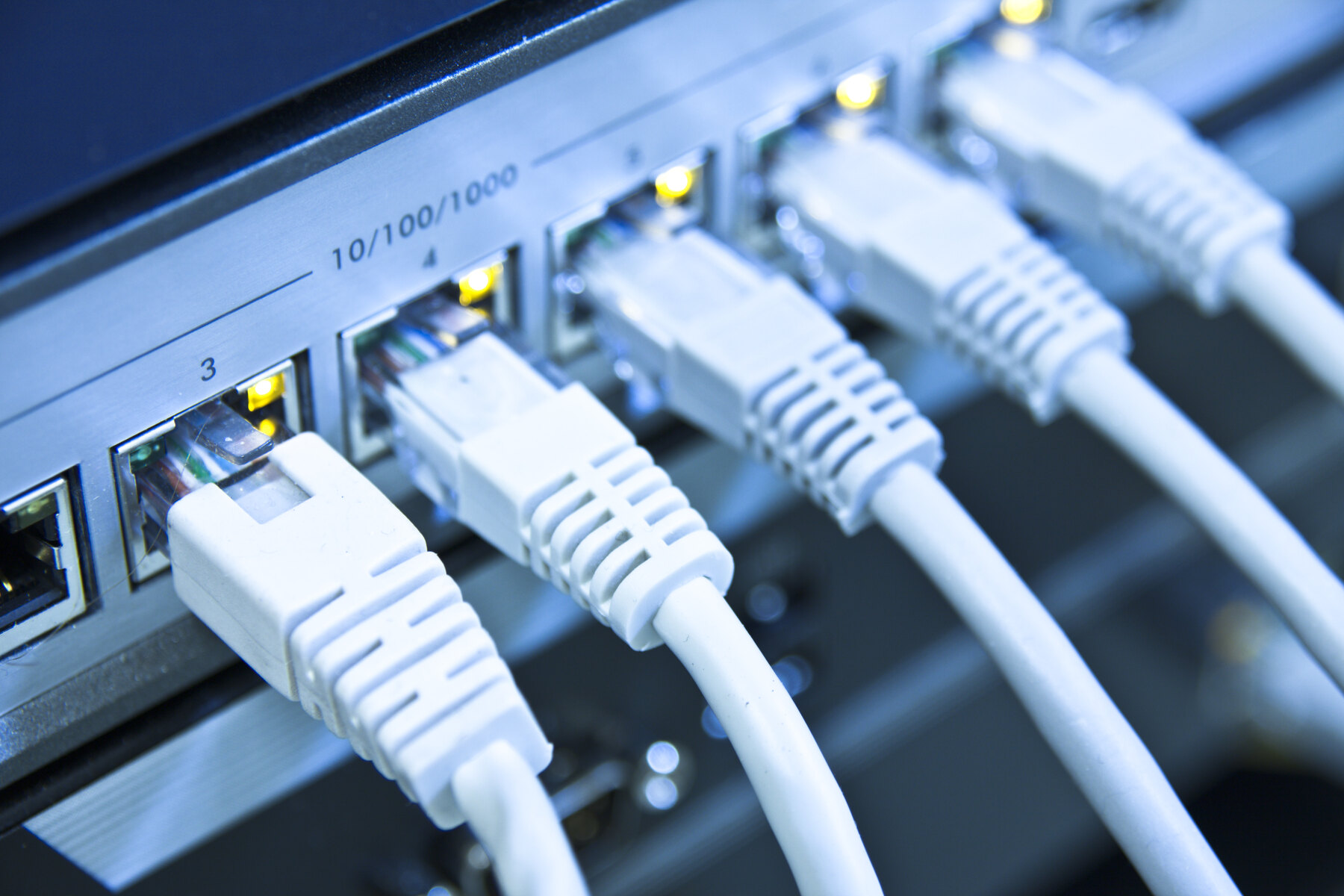
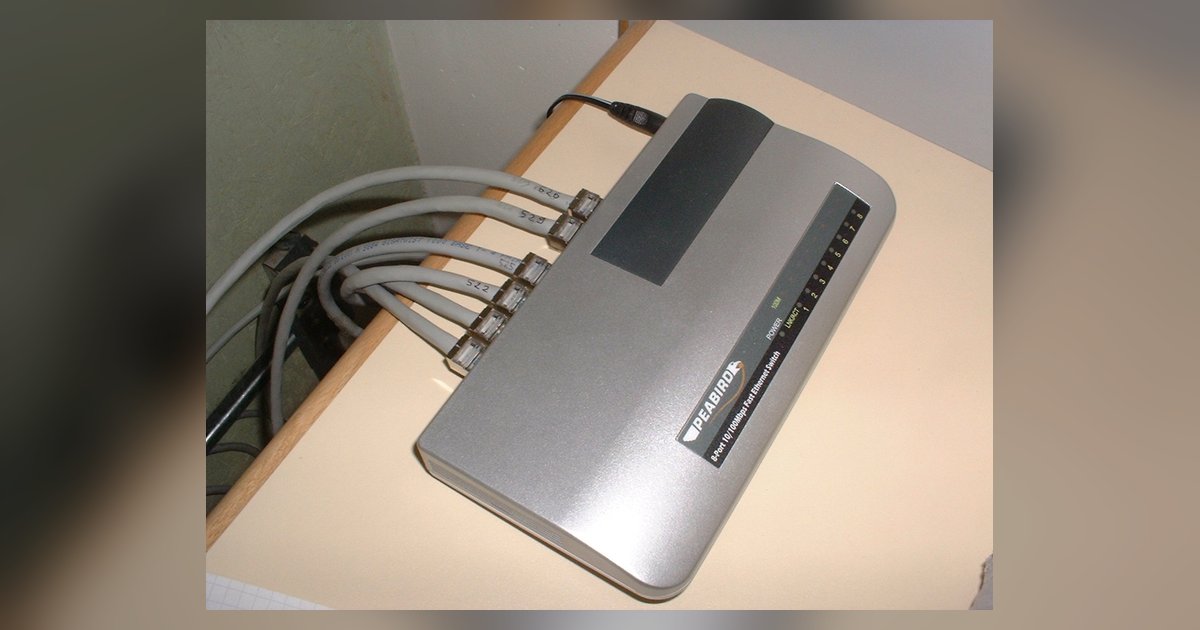
To find switch IP address information, you first need to get eyes on the physical hardware. If the switch has no visible management port or web interface sticker on its label, it is almost certainly an unmanaged model. That explains why you might see an unmanaged switch not showing up in network scans. It has no IP stack to respond to pings or ARP probes. The absence of a result is actually the correct behavior. For a managed switch, you will need to establish a direct serial connection. You can assign an IP address to a managed switch via console cable by plugging a DB9 or USB-to-serial adapter into the console port. Then open a terminal application and enter the configuration mode to set a static IP, subnet mask, and default gateway. Once that address is in place, you can verify the switch is reachable by pinging it from a laptop on the same VLAN. If you are unsure which device on your subnet is the switch, you can identify a switch by its MAC address prefix. Check the sticker on the chassis for a MAC, then look up the first six hex digits, known as the OUI, in a vendor database. A match to Cisco, Juniper, Netgear, or another networking vendor confirms you have found the right piece of metal.
Find your network gateway and infrastructure addresses
To reach your switch from a computer, you first need the IP address of the router or gateway that connects your local segment to the outside world. On a Windows machine, open a command prompt and type ipconfig. Then look for the line labeled "Default Gateway." That number, something like 192.168.1.1, is where you can log in to your router's administration panel. From there, you can check the router's DHCP client list to see which addresses have been assigned to devices, including your switch. On a Mac, open System Settings, go to Network, select your active connection, click Details, then go to the TCP/IP tab to find default gateway IP address. If your switch is managed and set to a static IP, you may need to connect a console cable and check the interface configuration directly. For a quick local check on the computer you are using, you can also find Ethernet IP address in the same settings panel. That tells you the subnet you are scanning. An unmanaged switch will never appear in these lists, it has no IP stack, so it simply passes traffic without announcing itself. This is the only type of switch that remains completely invisible to your router’s client table.
Find a connected device's IP address
To find a connected device's IP address, start by checking the device itself. Most printers and 3D printers have a settings menu on their front panel or touchscreen. Navigate to "Network" or "TCP/IP" to see the assigned IP. If the device lacks a screen, print a configuration page. Hold the "Go" button or navigate through the menu until you see an option like "Print Network Settings." For a Brother printer specifically, you can use the control panel to find the IP address of a Brother printer by pressing the "Menu" button. Then scroll to "Network" and select "TCP/IP" or "WLAN Status." If you are working with a 3D printer, such as a Creality or Prusa model, you may need to connect it to your computer via USB. Then open the printer's web interface or serial monitor to find a 3D printer IP address. Many modern 3D printers broadcast their IP on the LCD screen under "Network" or "Wi-Fi." If the device is connected to an unmanaged switch and you cannot locate the IP, remember that the switch itself has no address. The device's IP is assigned by your router via DHCP. To confirm the IP, log into your router's admin page and look at the DHCP client list for the device's MAC address. The MAC address is usually printed on a sticker on the device.