To connect your tablet to your computer wirelessly, you can use built-in operating system tools or cloud services to transfer files, extend your screen, or sync notifications without any cables. The best method depends on the specific devices you own, and this article covers the most effective platform-specific solutions for Samsung, Android, iPad, and cross-platform setups.
Prerequisite: connect both devices to the same Wi-Fi network
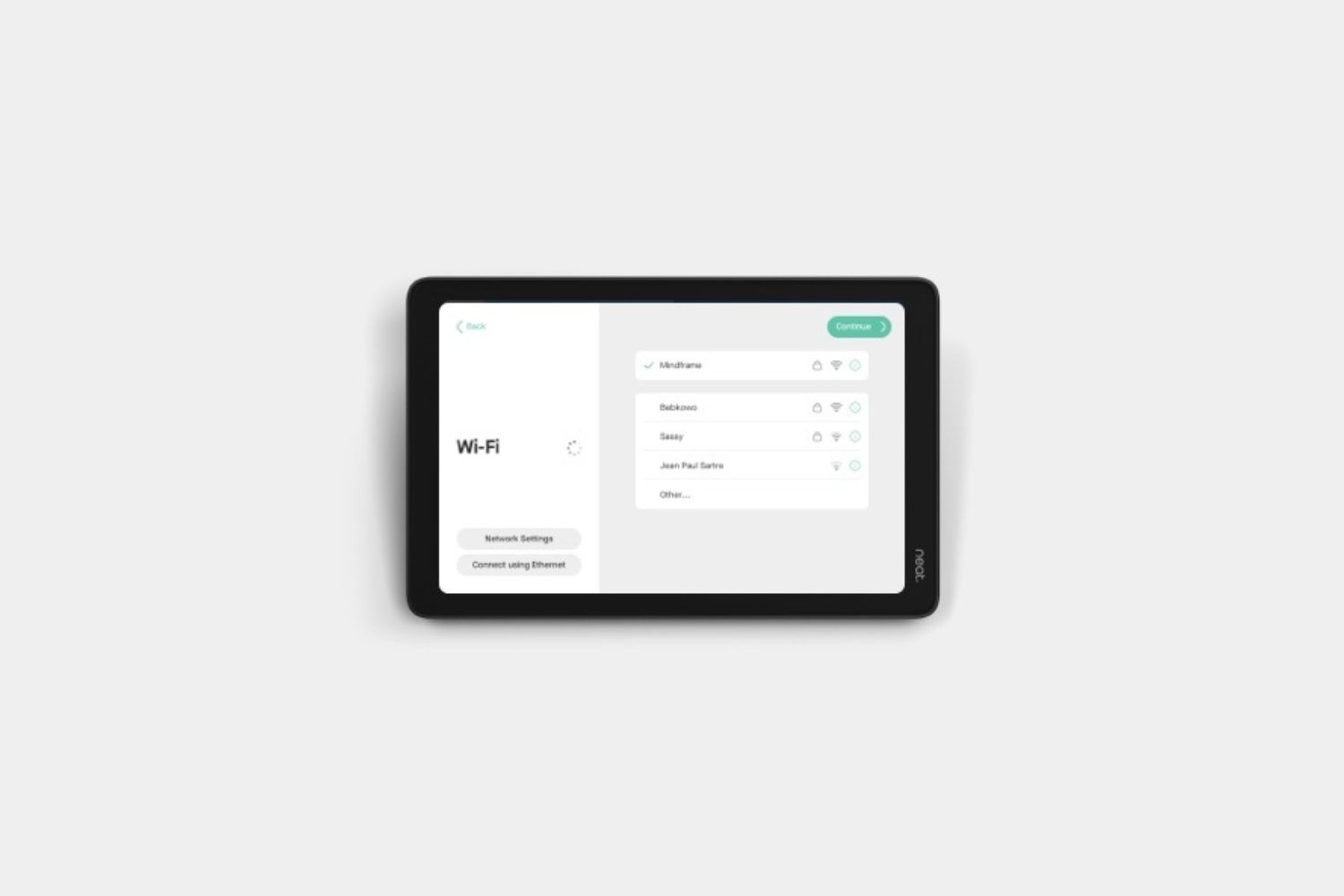
Every local wireless method requires both your tablet and computer to be on the same Wi-Fi network. On your tablet, open the Wi-Fi settings and confirm it is connected to a network. On your computer, check the Wi-Fi icon in the system tray or menu bar to verify the network name matches exactly. If the connection is unstable, move closer to the router or restart both devices before proceeding.
Connect a Samsung tablet to a Windows PC with Samsung Flow
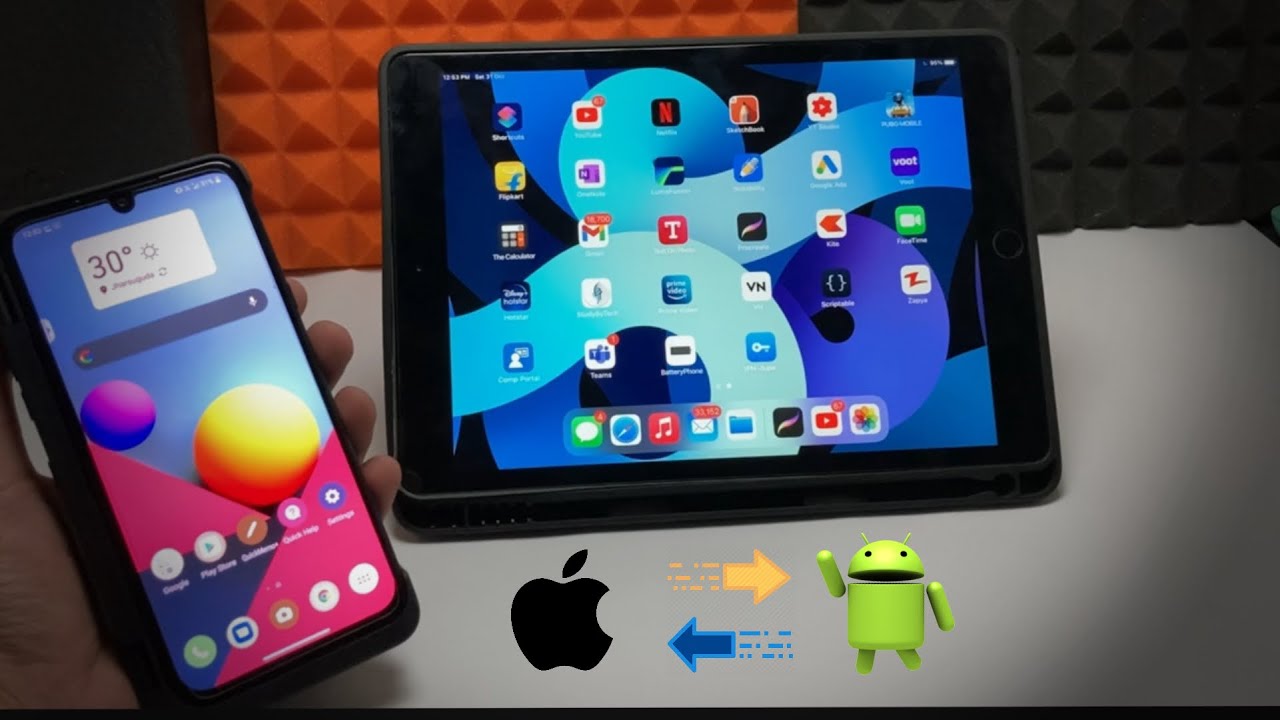
Samsung Flow enables file transfer, notification syncing, and screen mirroring between a Galaxy tablet and a Windows PC over Wi-Fi or Bluetooth. To set it up, install the Samsung Flow app on both your Galaxy tablet and your Windows PC. Launch the app on both devices, then on the tablet select "Connect to computer." On the PC, choose your tablet from the list of available devices, select either Wi-Fi or Bluetooth as the connection method, and validate the PIN code that appears on both screens. Once paired, you can drag and drop files, view notifications, or mirror your tablet's screen on the PC. If you also want to link your mobile devices, you can connect your phone to your tablet for seamless call and message continuity, or connect my iPhone to my Android tablet to share files across platforms.
Connect an Android tablet to a Windows PC with Phone Link
Microsoft Phone Link (formerly Your Phone) works with Android tablets running Windows 10 or 11. Install the "Link to Windows" app on your Android tablet from the Google Play Store, and open the Phone Link app on your PC. Both devices must be on the same Wi-Fi network. Follow the on-screen prompts to pair them by scanning a QR code from the PC with your tablet. After setup, you can access your tablet's photos, send and receive messages, view notifications, and even make calls directly from your computer.
Use your iPad as a second screen for your Mac with Sidecar
Apple's Sidecar lets you use your iPad as a wireless second display for your Mac, either extending your desktop or mirroring it. Both devices must be signed in to the same Apple ID, and Wi-Fi and Bluetooth must be turned on. On your Mac, click the AirPlay icon in the menu bar (or the Screen Mirroring menu in macOS Monterey or later) and select your iPad. You can choose to mirror the Mac screen or use it as an extended display. This is ideal for creative work, multitasking, or simply having more screen space.
Sync files wirelessly between an iPad and a Mac
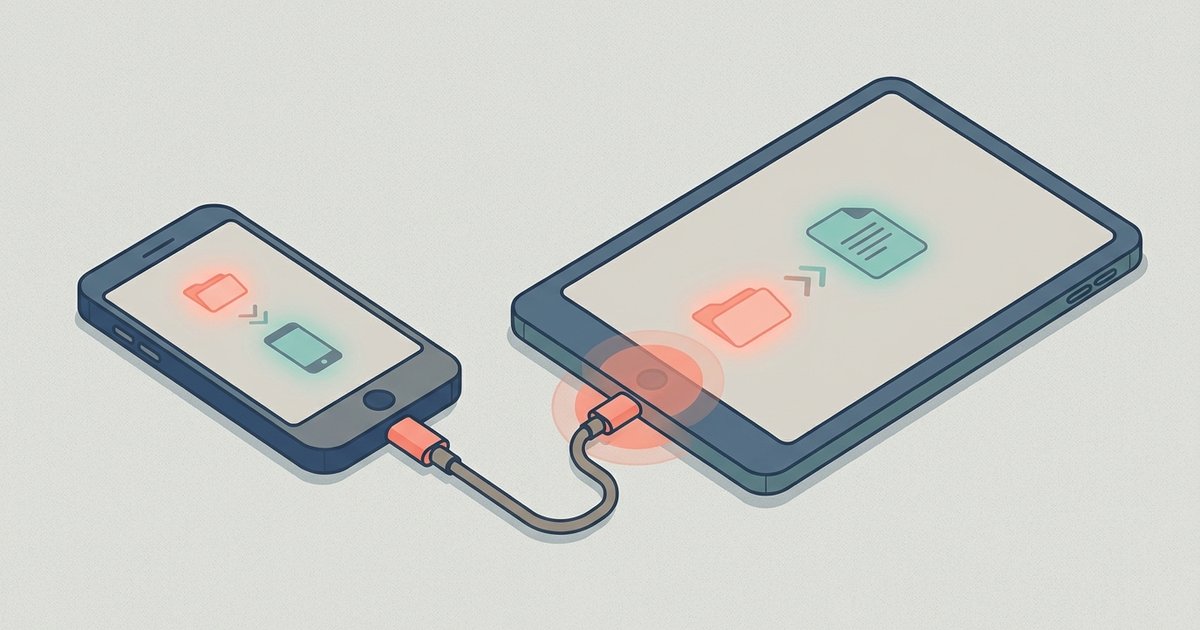
To sync music, movies, and TV shows between an iPad and a Mac over Wi-Fi, you must first connect them with a USB cable. Open Finder (on macOS 10.15 or later) or iTunes (on macOS 10.14 or earlier) and select your iPad. After this initial wired setup, you can disconnect the cable; future syncing will happen automatically when both devices are on the same Wi-Fi network and plugged into power.
Use cloud storage for simple cross-platform file transfers
Cloud services like Google Drive, Dropbox, Microsoft OneDrive, and iCloud offer a universal way to transfer files between any tablet and computer without a direct connection. Install the corresponding app on both devices, upload a file from one device, and it becomes accessible from the other device over the internet. This method works across Android, iPad, Windows, and Mac, making it the simplest choice for moving files between phone and tablet, or any combination of devices, without worrying about compatibility.
A note on using Bluetooth for file transfers
Bluetooth can transfer files between an Android tablet and a Windows PC, but it is significantly slower and less reliable than Wi-Fi methods. For occasional small files, it may suffice, but for regular or large transfers, use Wi-Fi-based solutions like Samsung Flow, Phone Link, or cloud storage instead.