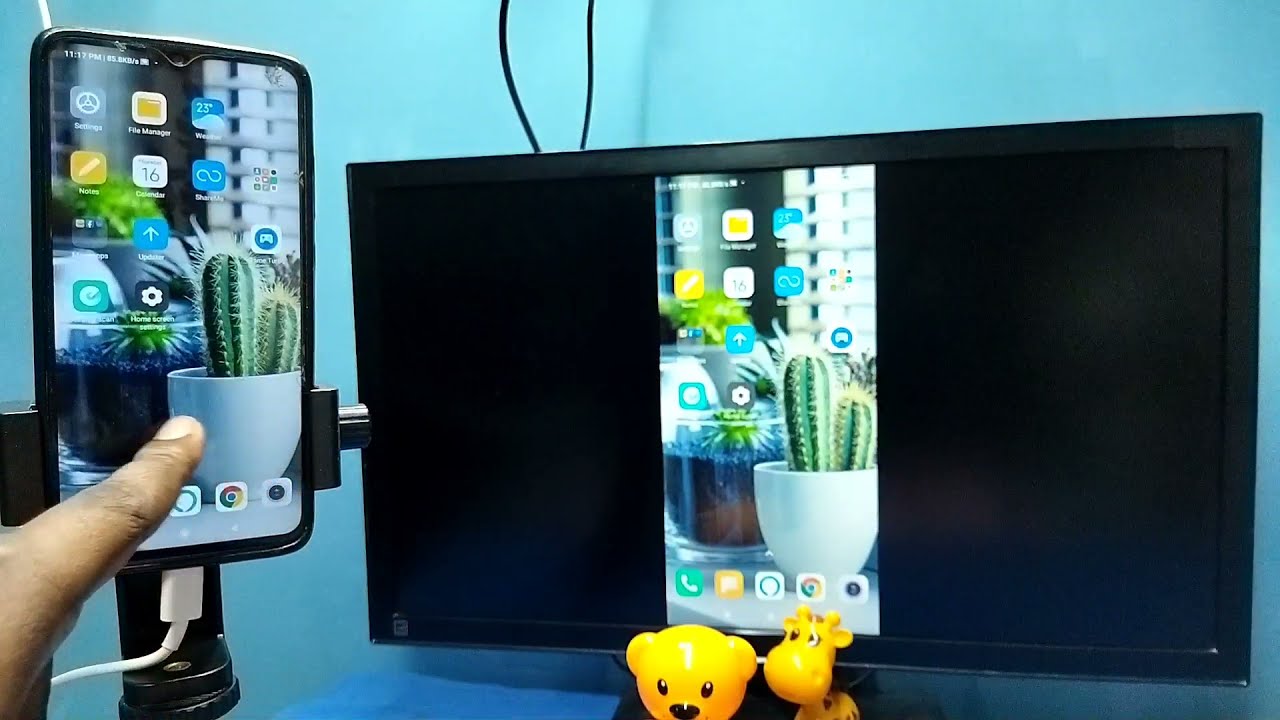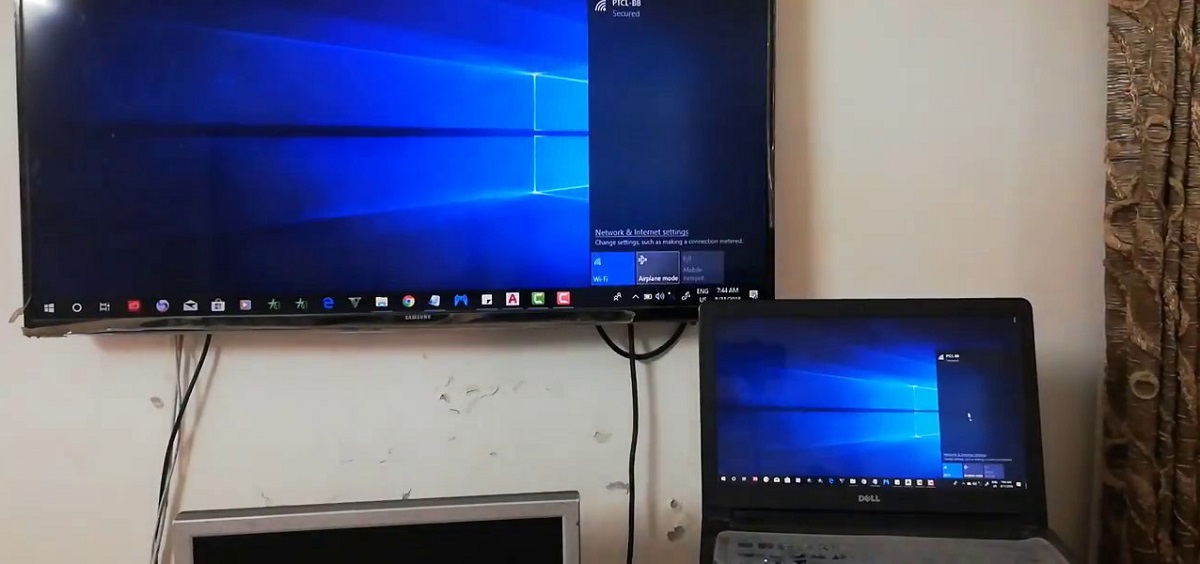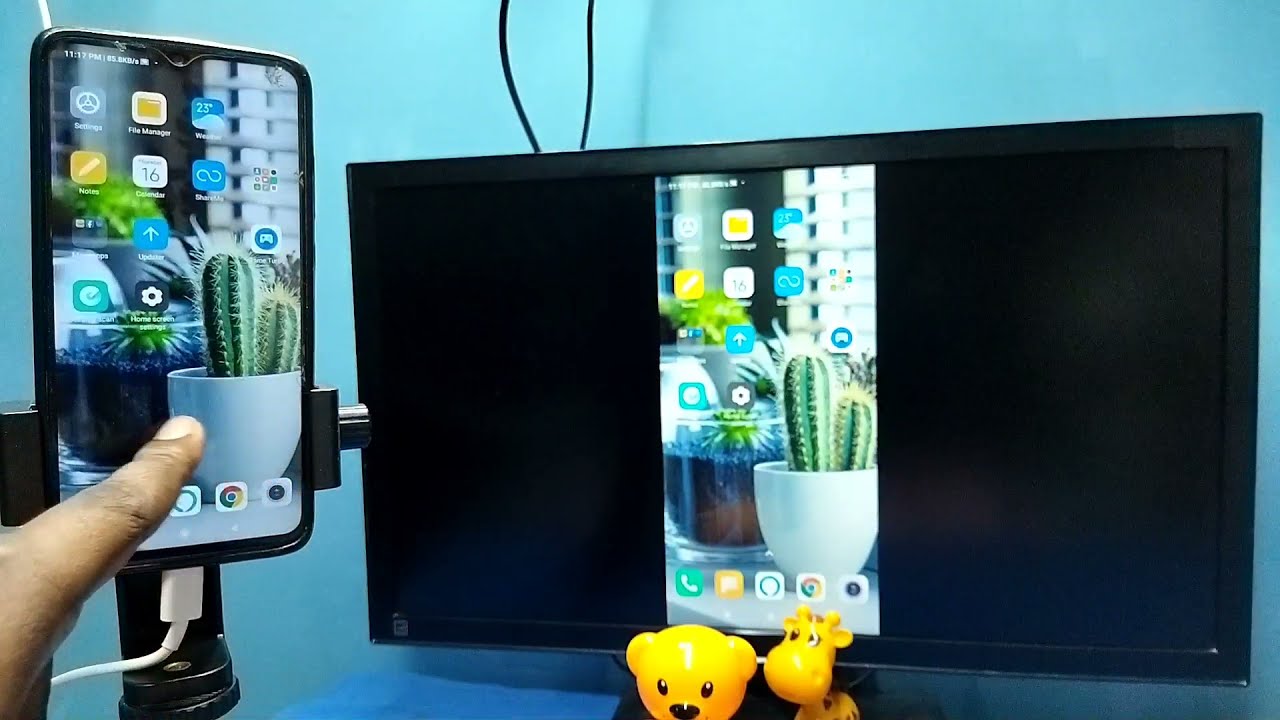
To connect laptop to Sharp smart TV wirelessly, you need to identify your TV's operating system first, then use the matching method: Chromecast for Android/Google TV models, Miracast for Windows laptops, or AirPlay for MacBooks. The exact steps depend on whether your Sharp TV runs Roku, Android/Google TV, Fire TV, or Aquos, as each platform uses a different wireless protocol.
Before you start: Identify your Sharp Smart TV platform
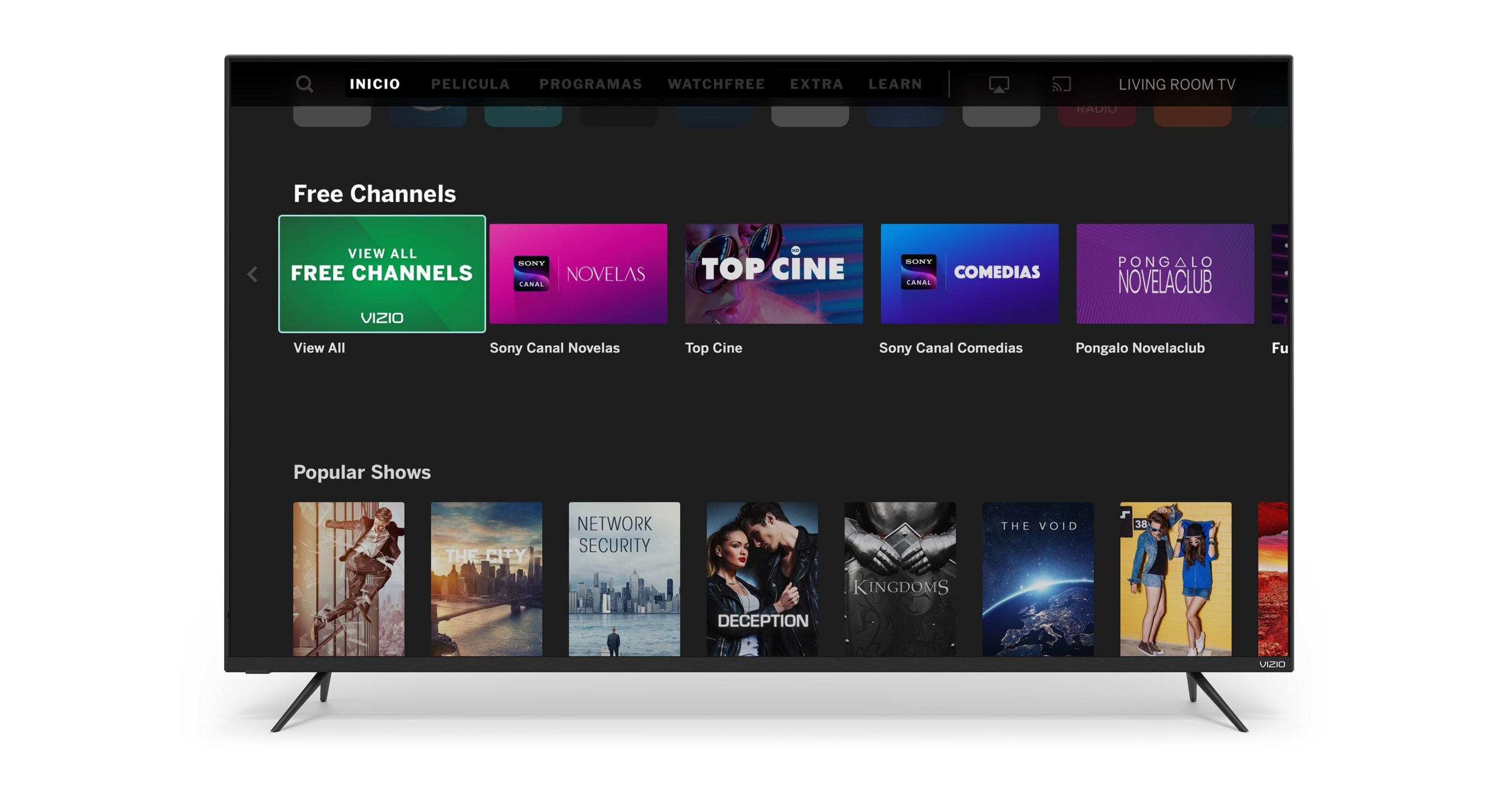
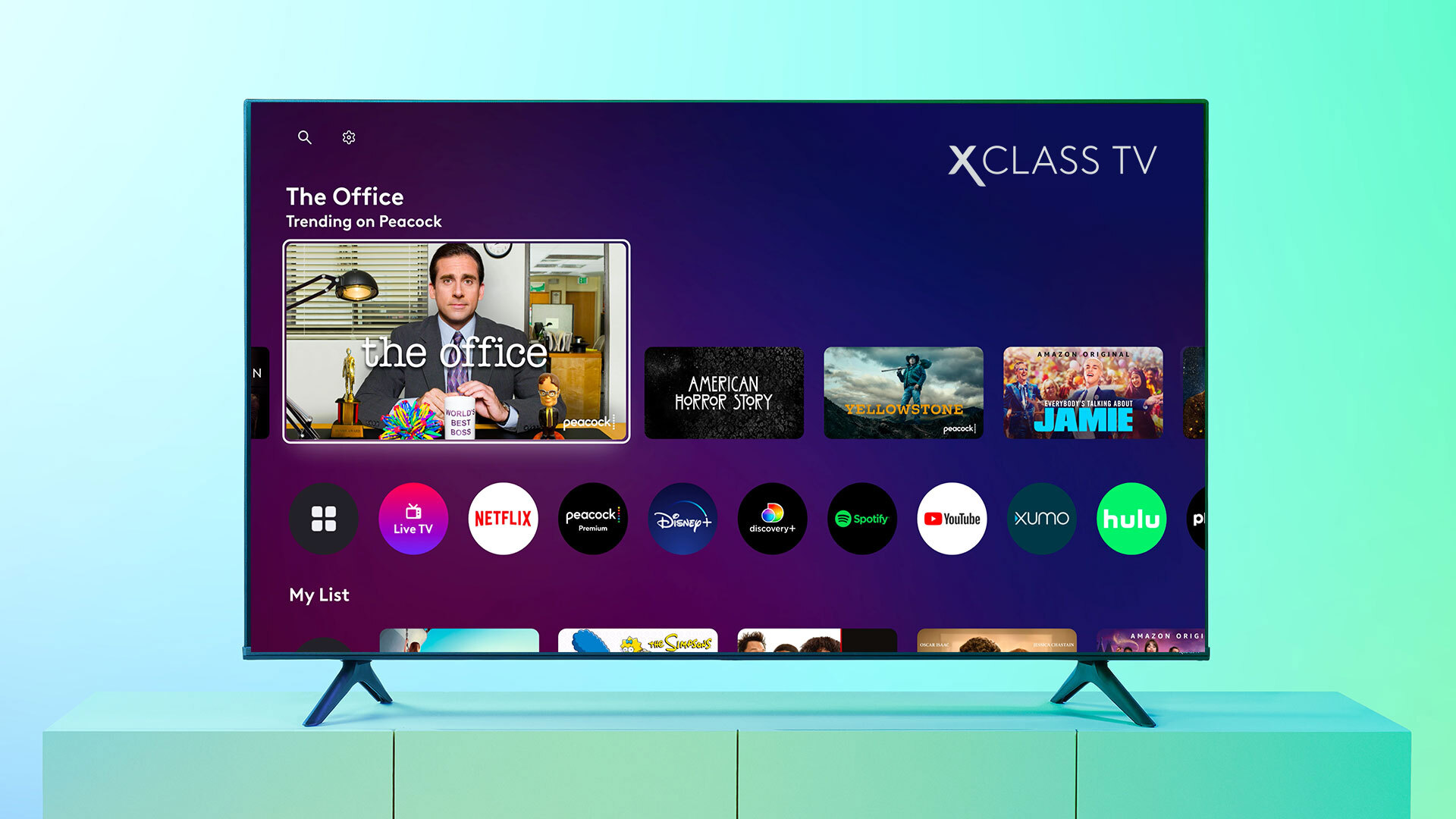
Sharp TVs run different smart TV platforms, including Roku TV, Android TV/Google TV, Fire TV, or Sharp's own Aquos platform. The exact screen mirroring method depends on the TV's operating system. To identify yours, check the home screen: Roku TVs show a simple grid of channels, Android TV/Google TV displays a row of apps with Google Play recommendations, Fire TV features Amazon content prominently, and Aquos models have Sharp's proprietary interface. Sharp Roku TVs use Roku's native ECP protocol and do not support Google Cast. Sharp Android TV/Google TV models include Chromecast built-in. Sharp Fire TV models use Amazon's Fling protocol. Older Sharp Aquos sets may have more limited casting support, potentially requiring DLNA or a Web Receiver. If your TV uses Roku, the steps to connect my laptop to TCL smart TV will work identically since TCL also runs the Roku platform.
Connect your laptop and Sharp TV to the same Wi-Fi network
Both devices must share the same network for any wireless method to work. On your Sharp TV, navigate to Settings, then Network or Wi-Fi settings, and select your home network. Enter the password if prompted. On your laptop, open network settings, choose the identical Wi-Fi network, and connect. Some Miracast devices may use a direct Wi-Fi Direct connection, which should be enabled in settings if applicable. This step is essentially the same as connecting a smart TV to Wi-Fi, so if you have already done that, you can proceed. If you own a different brand, the menu layout may vary, but you can apply the same principles to connect jvc smart TV to internet wirelessly.
Method 1: Connect using Chromecast built-in (Sharp Android TV/Google TV)
If your Sharp TV runs Google TV or Android TV, it has Chromecast built-in. This method works from both Windows laptops and MacBooks using the Google Chrome browser.
- Ensure your laptop and Sharp TV are on the same Wi-Fi network.
- Open the Google Chrome browser on your laptop.
- Open a Cast-supported app or website.
- Launch the Cast menu (often represented by a cast icon) and select your Sharp TV from the list.
- Choose the type of content you want to send (e.g., a browser tab, desktop, or specific file).
Your Sharp TV will begin displaying the content immediately. This method is ideal for streaming video from websites or sharing a browser tab.
Method 2: Connect using Miracast or Wi-Fi Direct (Windows laptops)
Miracast is primarily supported by Android and Windows devices. For Windows laptops, this is the native screen mirroring option.
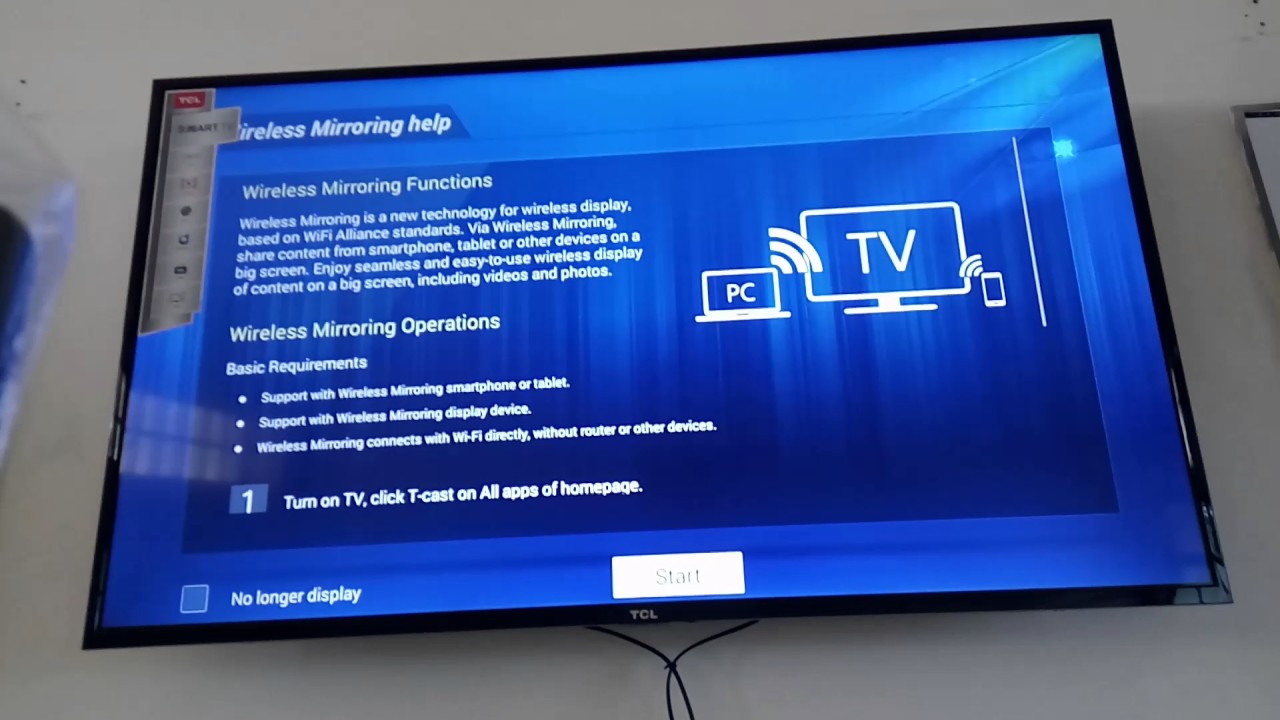
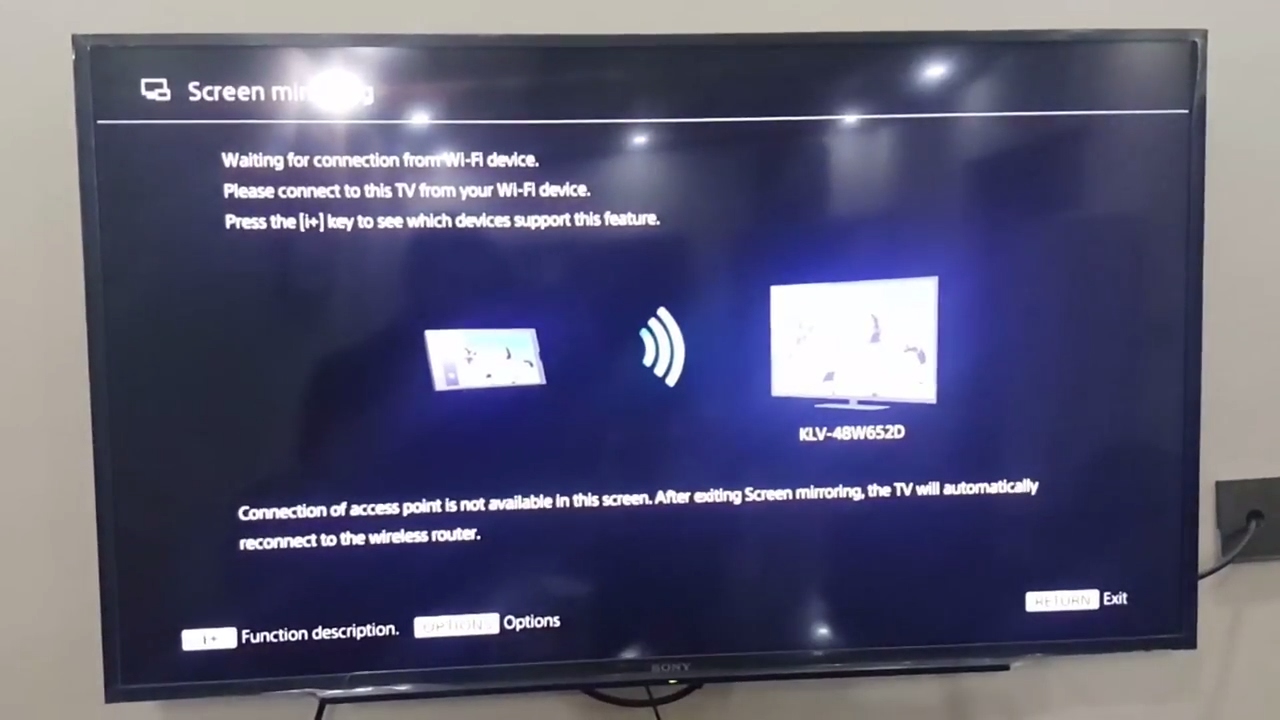
- Turn on your Sharp TV and open "Screen Mirroring" or "Wireless Display" mode. The exact menu name may vary, but it's usually found under Settings or Input.
- On your Windows laptop, press the Win + K keys to open the "Connect" panel.
- Select your Sharp TV from the list of available devices.
- Accept the connection on the TV if prompted.
- Once connected, press Win + P on your laptop and choose "Duplicate" or "Extend" to manage your display.
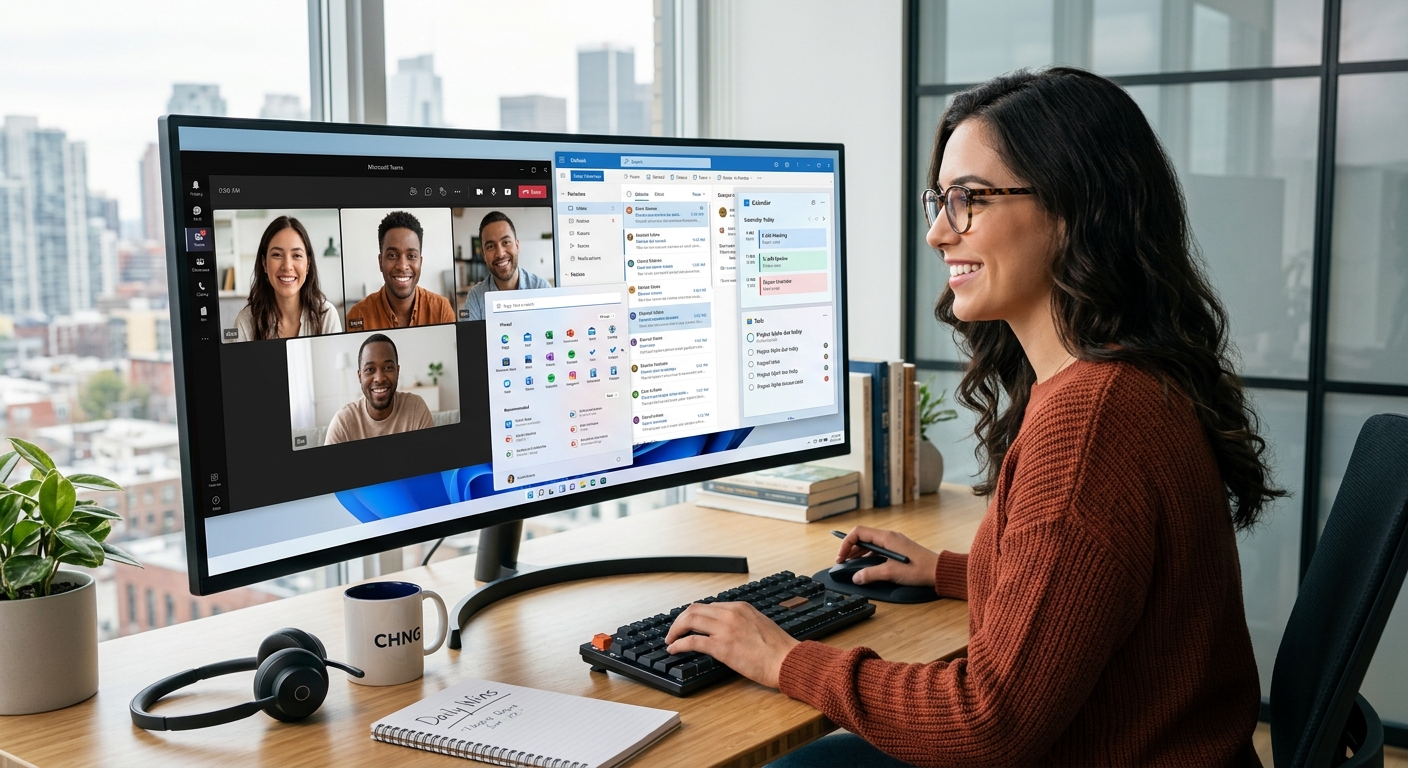
This method mirrors your entire Windows desktop or extends it as a second monitor, making it suitable for presentations or multitasking.
Method 3: Connect using Apple AirPlay (MacBooks)
Your Sharp TV needs to have built-in Apple AirPlay support, or you can use an AirPlay-compatible streaming device (like Apple TV or Roku) connected to your Sharp TV. iPhones do not support Miracast and instead use Apple's AirPlay protocol.
- Ensure your MacBook and Sharp TV (or connected AirPlay device) are on the same Wi-Fi network.
- On macOS, click the AirPlay icon in the menu bar and select your Sharp TV as the destination.
- If prompted, enter the AirPlay code displayed on your TV screen.
Your MacBook's display will appear on the Sharp TV. You can choose to mirror your screen or use the TV as a separate display.
Troubleshooting and the reliable fallback: HDMI
If wireless mirroring is unstable or not supported by your specific TV model or laptop, connecting via an HDMI cable remains the most stable and reliable solution. Common wireless issues include lag, intermittent disconnections, or the TV not appearing in the device list. Verify both devices are on the same network, restart your router, and ensure your Sharp TV's firmware is updated. For persistent problems, an HDMI cable eliminates all wireless variables and delivers uncompressed video and audio without compatibility concerns.