Freeing up system memory to allocate more RAM to TModLoader
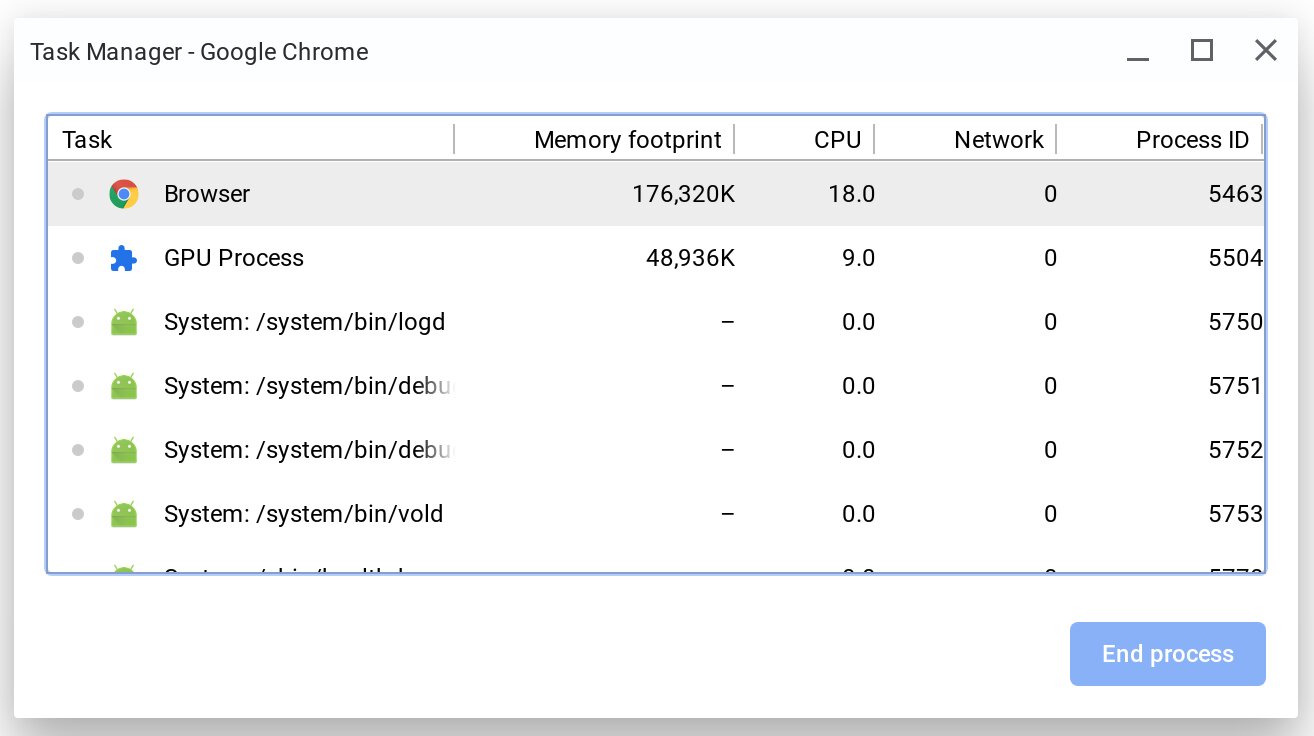
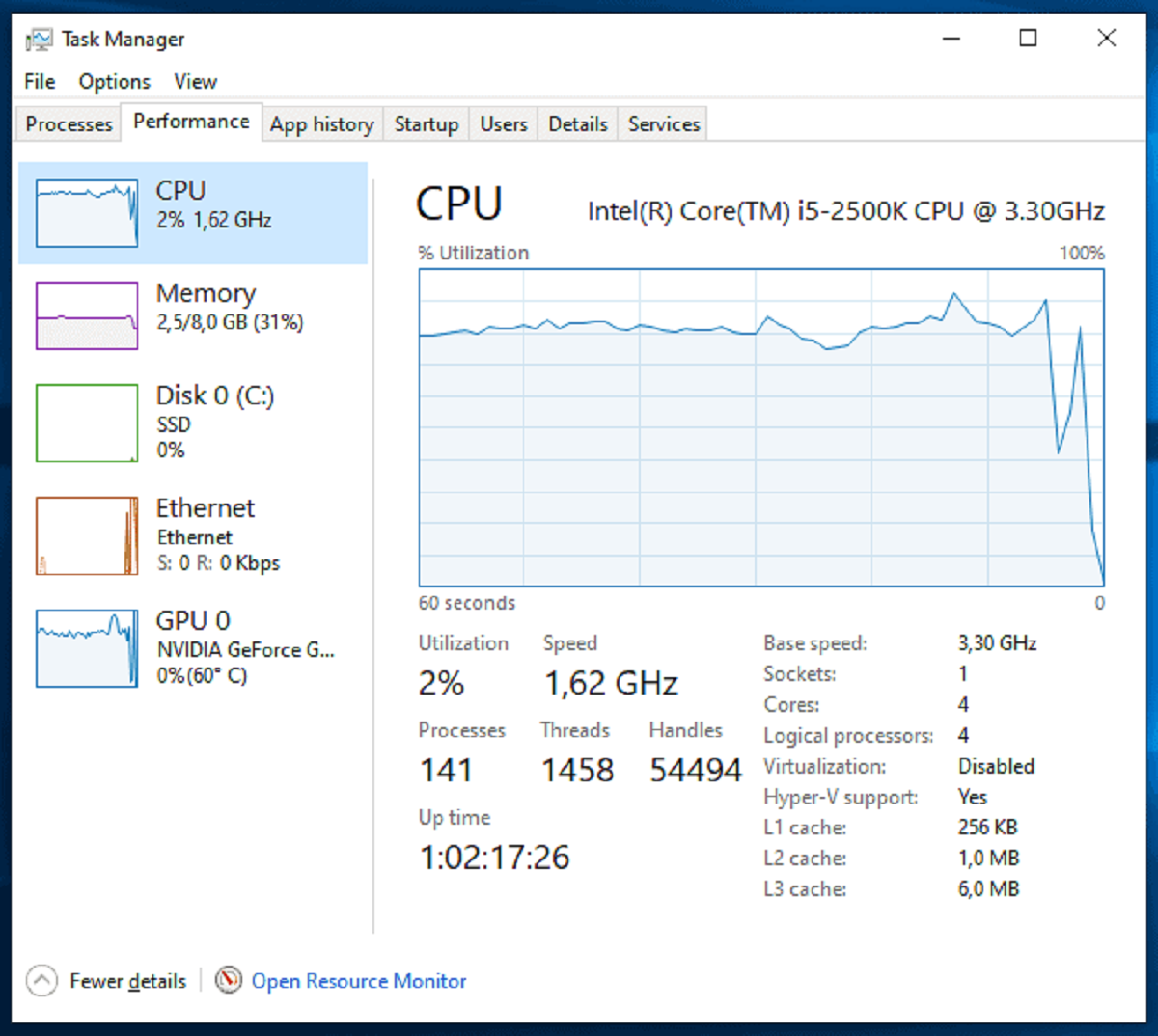
To allocate more RAM to TModLoader effectively, start by closing unnecessary programs before you launch the game. This can free up a surprising amount of memory. On Windows, open Task Manager with Ctrl+Shift+Esc. Sort by memory usage. End tasks like web browsers with many tabs or idle background launchers. On a Chromebook, the steps to clear RAM on a Chromebook are similar: close unused Chrome windows and disable any Android apps you aren't actively using, though tModLoader is not officially supported on Chrome OS. If you are on a tablet, you might need to check how to increase RAM on a tablet, but the practical workaround is to force-stop non-essential apps in your device settings to prevent them from reserving memory, though tModLoader is not officially supported on tablets. Disable startup programs in your system tray to recover several hundred megabytes. This approach gives the 64-bit version of TModLoader more headroom without touching any game files. It is especially helpful if you are troubleshooting crashes or running heavy mod packs. The 64-bit build already removes the 4GB cap, so these steps are purely about freeing up system resources rather than changing how the game allocates memory.
Setting custom ram limits for modded games
Right-click TModLoader in your Steam library and select Properties. Find the “Launch Options” text box at the bottom of the General tab. Paste a dedicated RAM flag such as -maxRam 4096 into that field. This step is similar to how you would manually allocate more RAM to Stardew Valley through its own launch settings, though that game uses a different flag format. Close the window and launch the game. If you use a third-party platform, you might need to allocate more RAM in CurseForge by opening the application's settings, navigating to the "Minecraft" or "General" tab, and adjusting the slider or typing a value directly into the "Allocated Memory" field. This is a common step when modpacks start to stutter or crash during world loading. Skip any in-game menu. Open the installation folder if the game provides a config file. Look for a .cfg or .ini file. Open it in a text editor. Find a line labeled maxRam or memoryAllocation. Change the number to a higher value in megabytes. The 64-bit version of TModLoader removes the 4GB cap entirely, so you should use that version if you need more RAM; tweak these files only if you are troubleshooting persistent crashes or performance issues.
Understanding TModLoader's actual memory limits
Before you start tweaking anything, it helps to understand what TModLoader actually can and cannot do with memory. TModLoader runs inside Terraria's own engine. There is no in-game slider or menu for RAM. Any "allocation" you perform happens through Steam launch options or configuration files. The single most important factor is whether you are using the 32-bit or 64-bit version of the loader. The 32-bit version is capped at roughly 4 GB of usable memory. Even if you set a higher value in the launch options, the game will simply crash or ignore the extra headroom. In contrast, the 64-bit version lifts that ceiling entirely. Your system's available RAM becomes the effective limit, making manual allocation unnecessary for most users. If you are still hitting crashes or stuttering, you may want to read up on the TModLoader 64-bit vs 32-bit java memory limit, because the underlying differences in how each version addresses memory directly affect stability with large mod packs. A 32-bit setup might require you to trim your mod list or accept frequent restarts. A 64-bit setup lets you focus on troubleshooting other causes, such as mod conflicts or outdated dependencies.
\nRelated reading: How To Allocate More CPU To A Game.