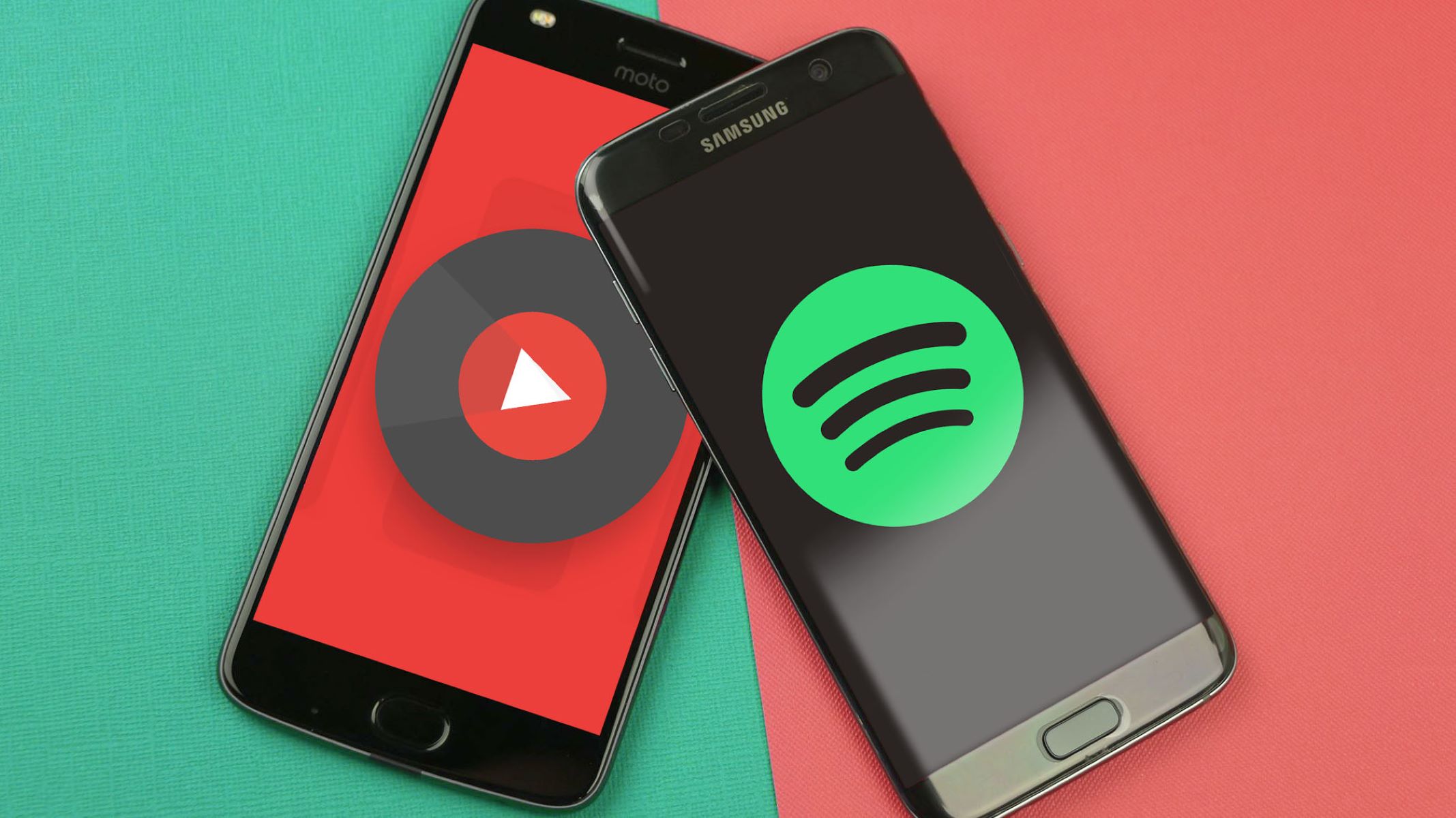
To add songs to Spotify from YouTube, you need to convert the YouTube video into a supported audio file and then import that file into your Spotify library. This method lets you listen to tracks not available on Spotify, such as rare live performances, remixes, or covers, all within the Spotify app.
Before you add songs to Spotify from YouTube: supported formats
Spotify only accepts three file types for local playback: MP3, audio-only MP4, and M4P. Any other format, including WAV, FLAC, OGG, video MP4, and DRM-protected files, will fail to import or play. Before converting a YouTube video, ensure the output is one of the supported formats to avoid errors later.
Step 1: Find the YouTube video of the song you want on Spotify
Open YouTube and search for the track you want. Browse results to find the best version, official music video, live performance, or cover, and check that the audio quality sounds clear. Once you have the right video, copy its URL from the address bar.
Step 2: Convert the YouTube video to a supported audio file
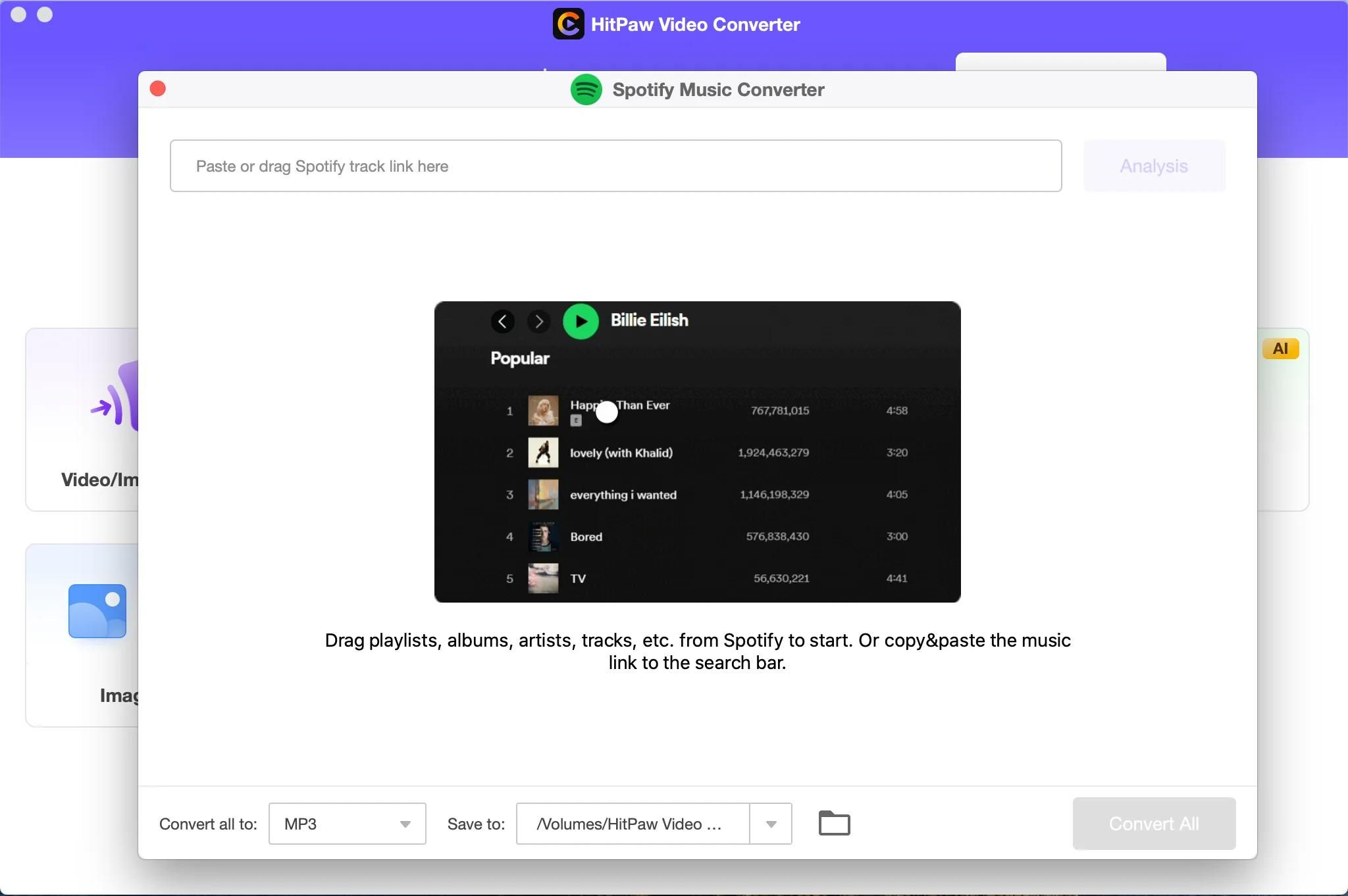
Use a YouTube-to-MP3 converter to extract the audio. Paste the copied URL into the converter, select MP3 (or another supported format) as the output, and start the conversion. After the process finishes, download the resulting audio file to your computer. This file is now ready for Spotify.
Step 3: Import the audio file into Spotify on desktop
- Open the Spotify desktop app and click your profile picture in the top-right corner.
- Select "Settings," then under "Your Library," toggle on "Show Local Files."
- Click "Add Source" and choose the folder on your computer where you saved the converted audio file.
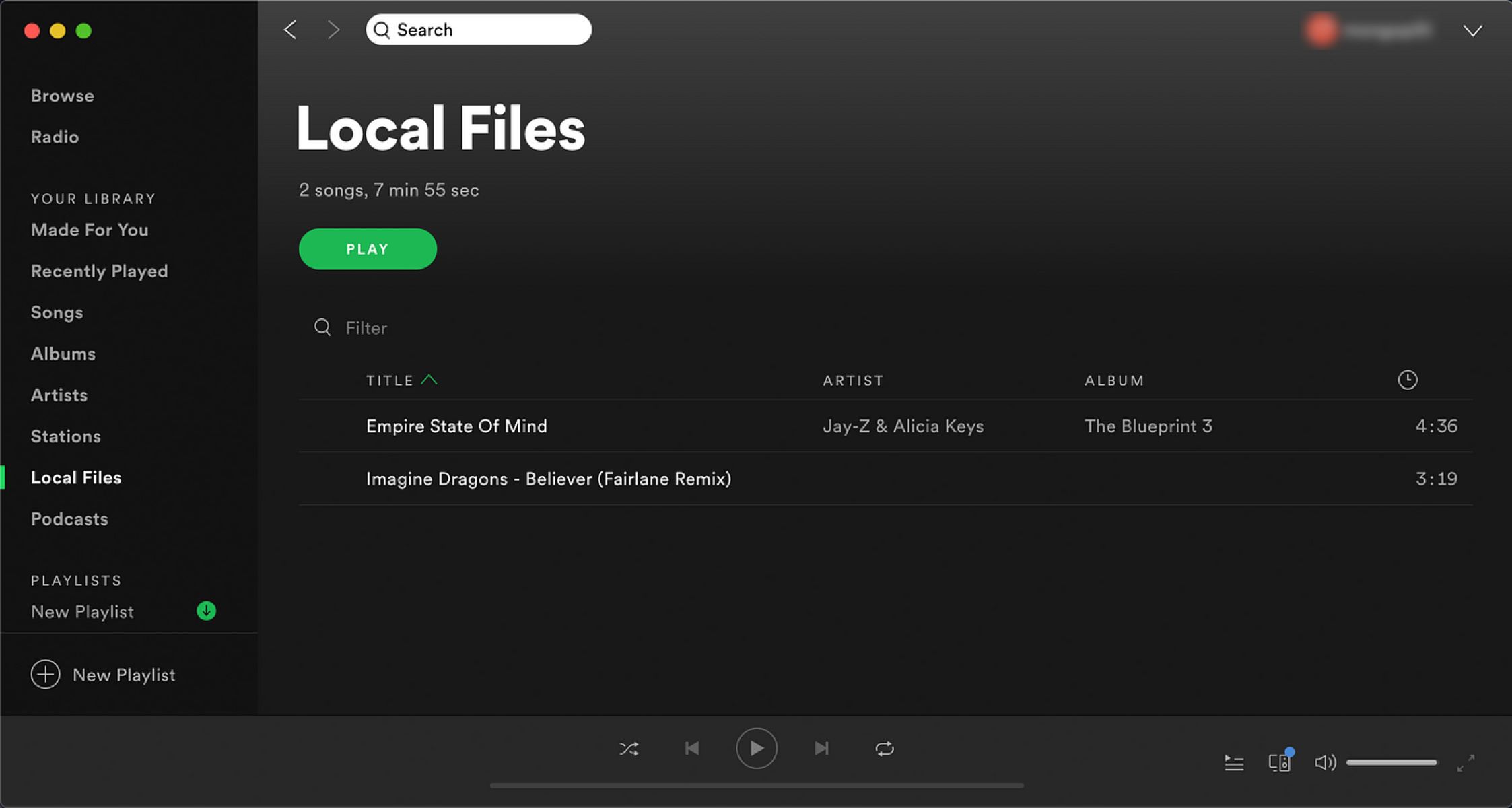
- Your imported tracks will appear in the "Local Files" folder under "Your Library" in the Spotify desktop app.
You can now play these files directly on your computer. If you want to listen on mobile, proceed to the next step.
Step 4: Import local files on iPhone or iPad
- On your iOS device, go to Settings > Privacy > Apps and devices, and enable "Local audio files."
- Transfer the converted audio file to your iPhone or iPad and save it in the dedicated "Spotify" folder within the Files app.
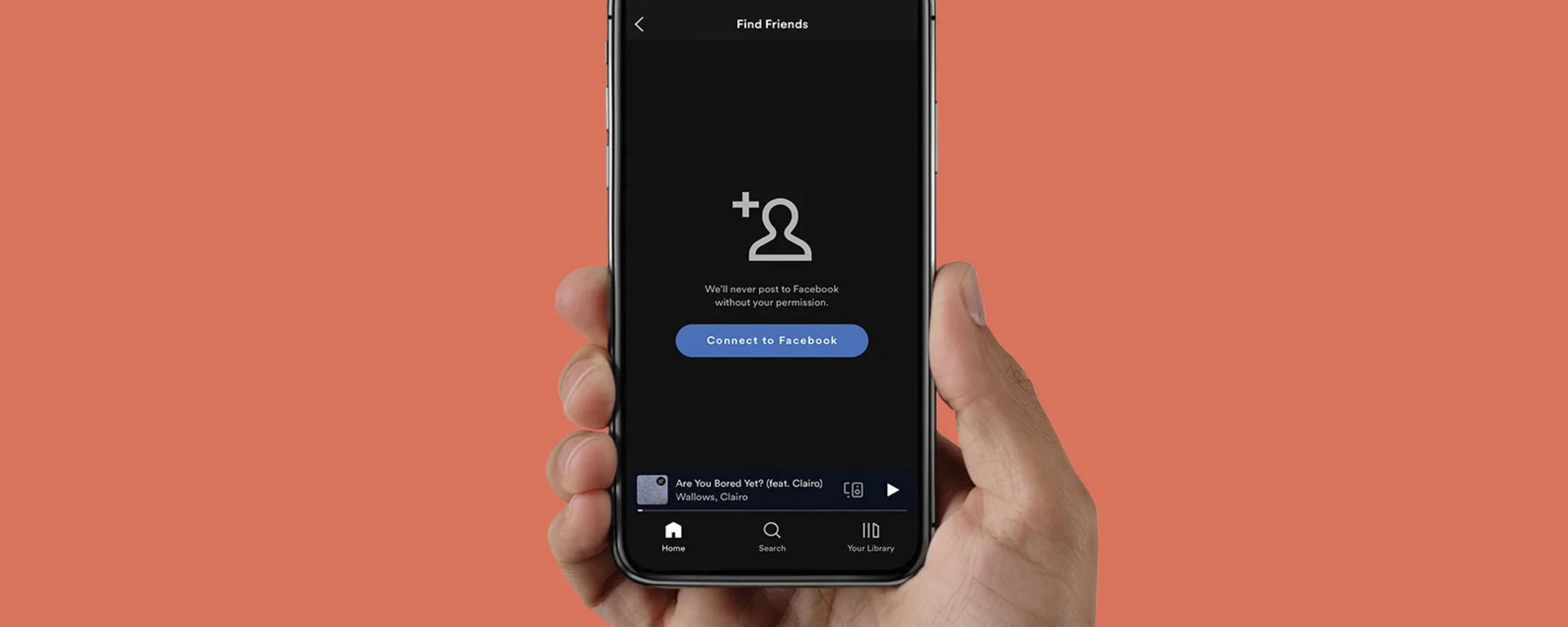
- Open Spotify on your iOS device, the imported tracks should now appear in your Local Files.
This step lets you take your YouTube-to-Spotify songs with you on the go.
Step 5: Add the song to a playlist or your library
Once the local file appears in Spotify, right-click (desktop) or tap (mobile) the track. Select "Add to Playlist" to place it in an existing playlist, or choose "Save to Your Library" to keep it in your personal collection. This makes the song easy to find whenever you want to listen, and you can share your new playlist by learning how to add a friend on Spotify. You can also use dj on Spotify to mix these imported tracks with your streaming library, blending your personal files into a seamless DJ set.
Troubleshooting: when local files won't sync or play
If your imported songs don’t appear on another device, the most common issue is Spotify local files not syncing to a phone. This usually happens because the files aren’t saved in the correct folder on mobile or because the desktop and mobile devices aren’t on the same Wi-Fi network. Other frequent problems include unsupported formats (check that your file is MP3, audio-only MP4, or M4P) and DRM errors (Spotify cannot play files with digital rights protection). If these fixes don’t work, refer to Spotify’s dedicated sync troubleshooting guide for further help.