First steps and setup to use Safari on Android
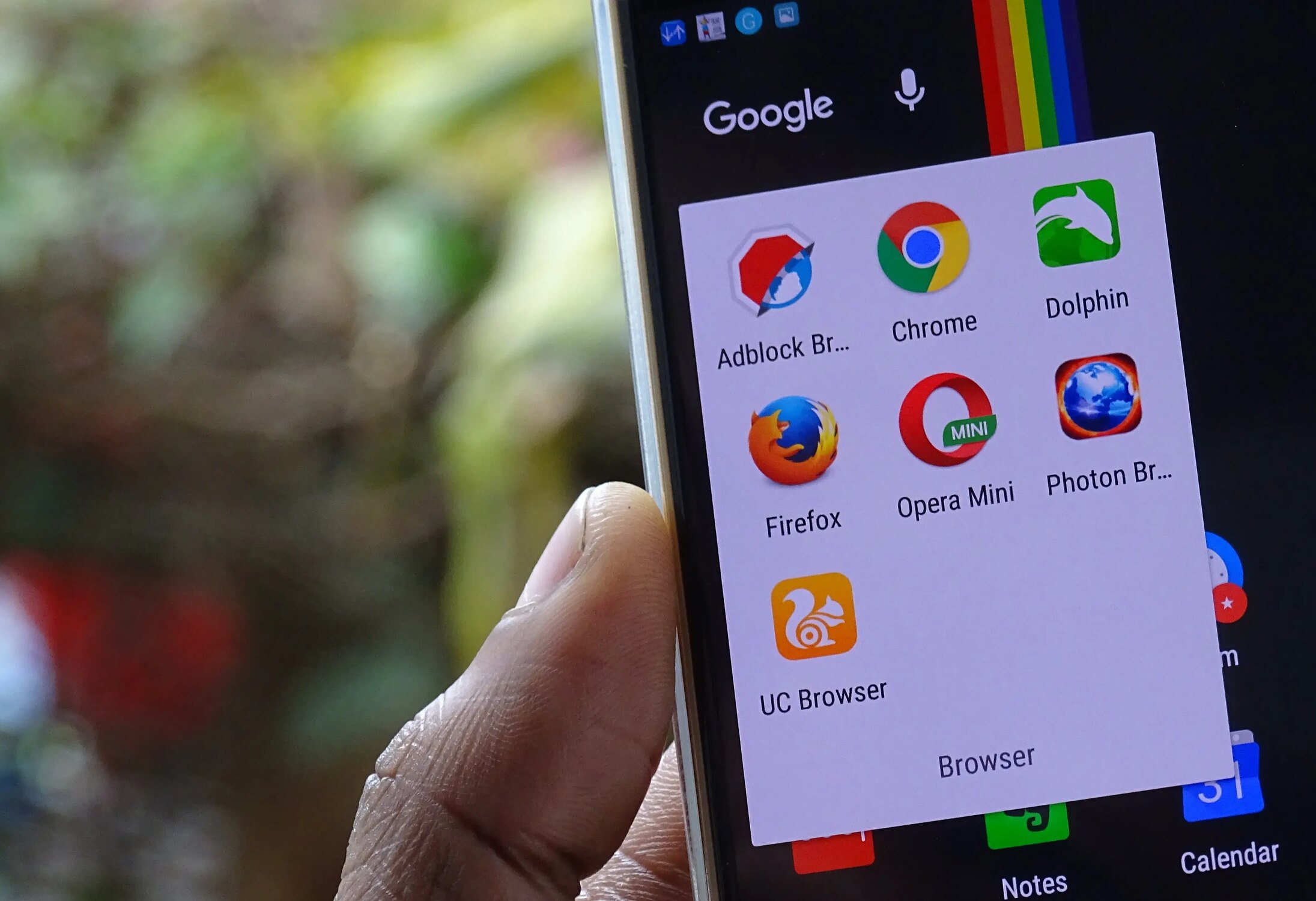
You cannot truly use Safari on Android, so any prompt to find my browser on my phone means a website has misread your device. Chrome, Samsung Internet, or another app is already installed and ready. Open your usual app and locate the core controls. The address bar sits at the top. A tab switcher appears as a square or a number icon. A menu button shows three dots or lines. These tools handle all your navigation.
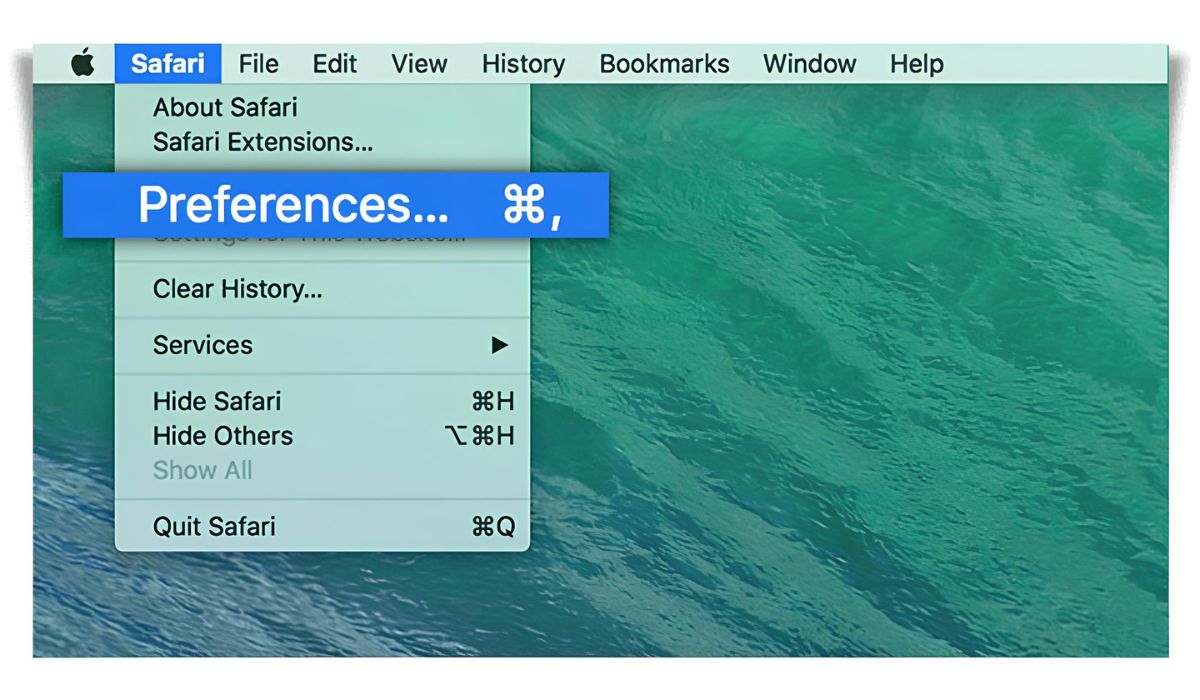
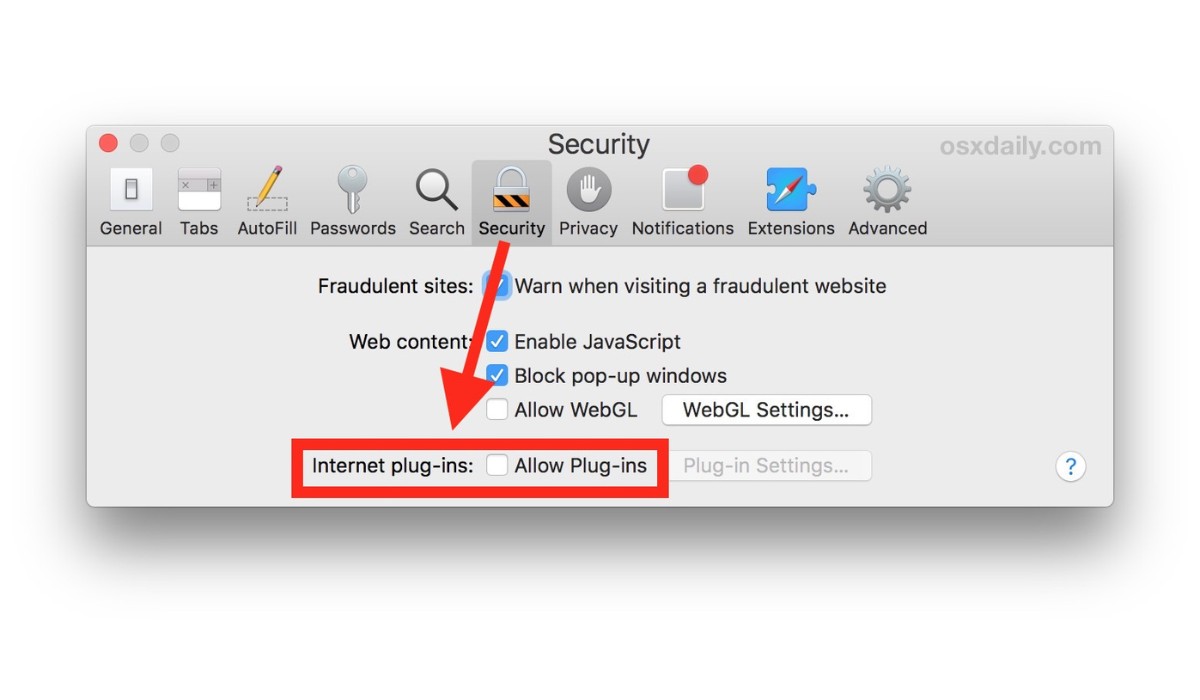
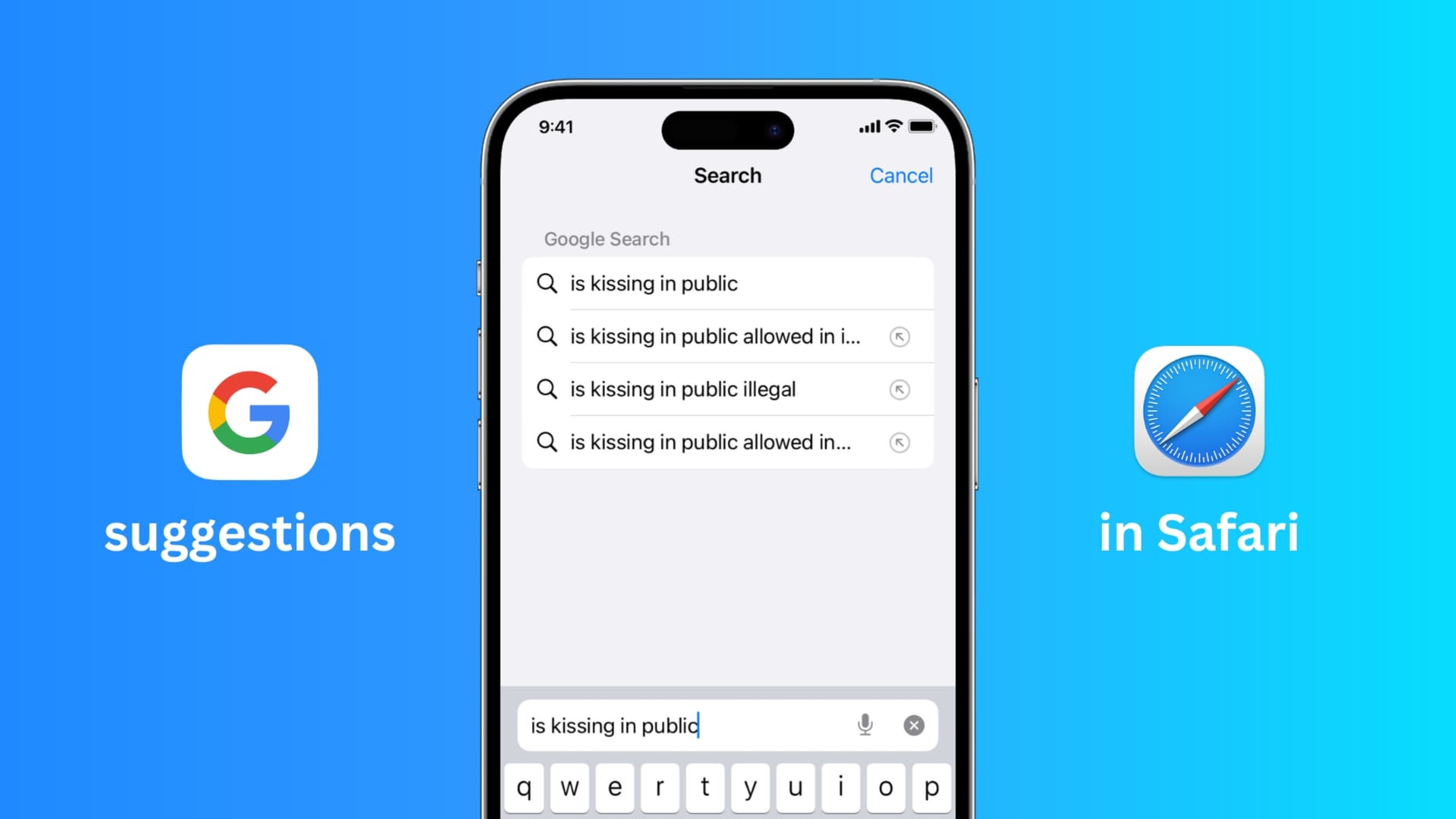
Safety and sign-in preferences live inside your current app, not inside Safari preferences. In Chrome, tap the three-dot menu and choose the configuration panel to reach privacy and security options. If you ever need to find settings in Safari on another device, remember that on Android you simply open your own app’s menu. A common request is to turn off safe search on Safari. On Android, you manage this inside your app’s search engine controls. For Google, go to your account page or the dedicated search options panel. If you want to turn safe search on in Safari, the same rule applies. Use your Android app’s search engine controls instead of hunting for a nonexistent Safari menu.
Login prompts create another frequent annoyance. To stop Google from asking to sign in on Safari, check your Google account’s security panel. Also clear any stored site data inside your Android app. The prompt appears because a website thinks Safari is available. Adjusting your app’s saved passwords and cookies resolves the issue. Stick with your native Android app. You keep full control over safety and sign-in preferences without ever needing Safari.
Managing privacy and data
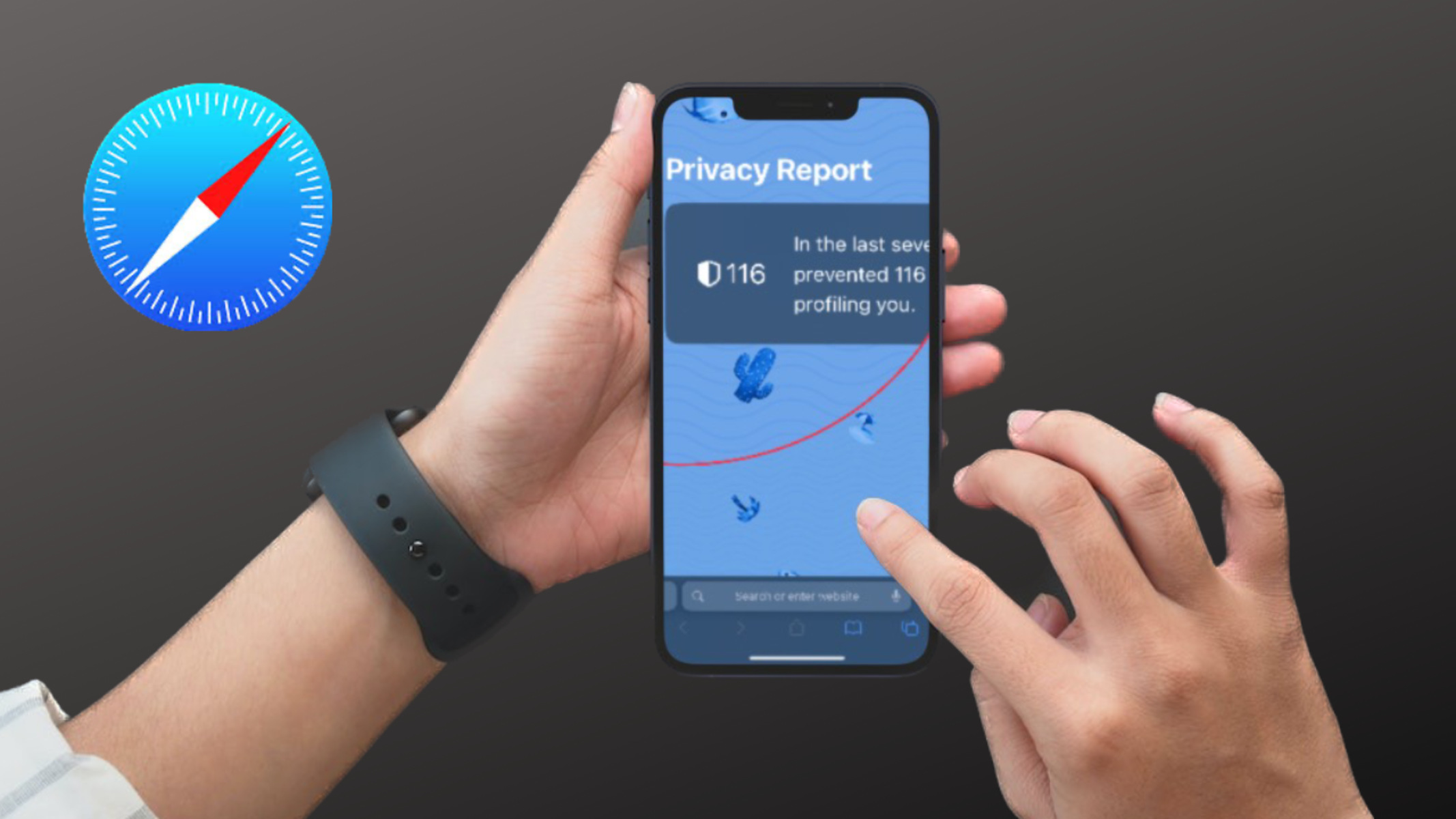
Safari simply does not exist on Android. A website that asks you to open something in Safari is sending a dead-end request. The prompt itself can be confusing, but the real privacy questions start when you think about what Safari actually tracks on a device that can run it. On an Android device, you can check browser history on Android only by using a different browser. Safari’s history is stored separately within iOS. For the same reason, you cannot see Safari private browsing history on Android because Safari does not run there. Private tabs are sandboxed inside Safari on an Apple device. They never sync to Google’s ecosystem. When a misbehaving website tries to force a Safari link, it may also try to inject suggestions based on your browsing. To clean that up on an Apple device, you would remove suggestions from Safari in the app’s settings. Likewise, the tracker-blocking privacy report is a feature of the iOS version only. If you want to get rid of privacy report on Safari on an iPhone, you clear it from the privacy report settings. On Android, none of these controls exist because Safari does not run there. The only practical step is to ignore the prompt and use Chrome or another Android client instead.
Handling interruptions and redirects
Android’s link-handling system controls whether a tap opens a website or launches an app. You can stop browser from opening app by visiting the phone’s application manager, which is useful if you want to read the article about how to stop your browser from launching an external program. Find the app that keeps hijacking your taps. Open its info screen and tap “Open by default” or “Opening links.” Turn off “Open supported links.” This prevents Safari-like prompts from launching anything at all.
A stubborn redirect sometimes locks the screen. Remember that you cannot force quit Safari on iPhone on an Android device, and Safari does not exist on Android at all. The official Apple Safari browser simply does not exist here. Close the stuck tab in Chrome or Firefox instead. Swipe it away in the tab switcher. The page vanishes instantly.
Some websites misread the device’s identity. You might encounter a website saying 'Open in Safari' on Android because the site’s code detects a mismatched user agent string. Ignore the prompt. Tap “Continue” or “Stay on this site.” The page loads normally after that single tap.
A sync prompt that mentions a desktop computer points to a different ecosystem. The feature for Safari on iPhone working with a Windows PC relies on iCloud for Windows, and you would read that article if you need to bridge Apple’s browser with a Microsoft computer. That setup has no connection to an Android phone. Close the tab and move on. The redirect is a dead end, not a feature.
- Safari on iPhone working with a Windows PC — does Safari on iPhone work with a Windows PC
- stop browser from opening app — How To Stop Browser From Opening App
Advanced security and removal
Websites sometimes misidentify an Android device and try to open a link in a program that was never installed. The prompt appears because the site assumes you are using an iPhone and triggers a handler that does not exist on your system. One practical fix is to add trusted sites in Safari using an iPhone or iPad if you have access to one. That action tells iOS to open certain domains directly and bypass the prompt. On Android itself, you can instead adjust your default app preferences or clear the local cache to stop the misdirected request from reappearing.
Stricter control is available for families and managed devices. You can completely remove Safari from iPhone when restriction policies or parental controls require it. This action hides the app and its data, though the underlying program remains part of the operating system. It does not affect the underlying WebKit engine that other apps rely on. On Android, there is nothing to remove because the software never existed as an installable option. The only symptom you may see is a phantom link that tries to open a program that is not there. In that case, simply long-press the link and choose "Open in browser" or copy the URL. Paste it into Chrome or another Android client to proceed without the false prompt.