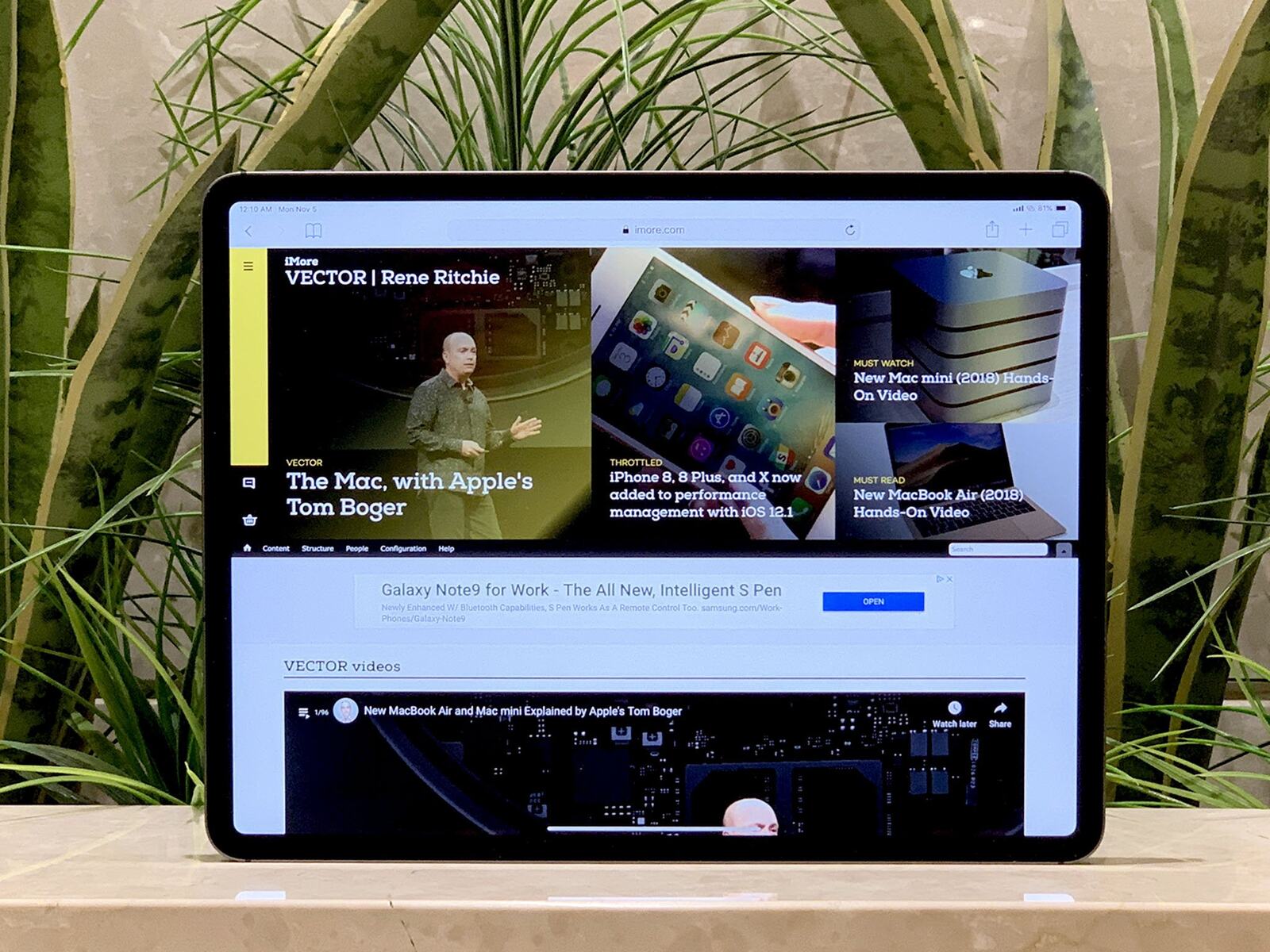
If you want to hide the Safari toolbar on iPad, the built-in "Hide Toolbar" option is the direct way to remove the address bar and tab bar for a full-content view. This feature instantly maximizes the visible area of any webpage, letting you read, watch, or browse without the browser chrome cluttering the screen.
How to hide the Safari toolbar on iPad
The Safari toolbar, which includes the search field at the top and the tab bar, takes up valuable vertical space on your iPad's display. When you hide it, the webpage expands to fill nearly the entire screen, giving you a distraction-free view of articles, videos, and images. The feature is built into iPadOS and works on any website, so you don't need a special app or a workaround. Once you know the few taps involved, you can toggle this view in seconds whenever you want to focus on content.
Step 1: Open Safari and navigate to a website
Launch Safari from your iPad's Home Screen by tapping the compass-style icon. After the browser opens, type a web address into the search field or tap a bookmark, then wait for the page to finish loading. You can also open a link from another app or from your history, the key is simply to have the page you want to view without distractions displayed on screen before you proceed.
Step 2: Tap the Page Menu button in the address bar
Look at the left side of the search field at the top of the Safari window. You'll see a small button that looks like the letters "AA" or, depending on your iPadOS version, three dots in a circle. This is the Page Menu button. Tap it once to open a dropdown menu with several options for customizing how the current webpage appears.
Step 3: Select 'Hide Toolbar'
From the dropdown menu, tap the option labeled "Hide Toolbar." As soon as you select it, the entire top interface, including the address bar, the Page Menu button, and the tab strip, slides upward and disappears from view. The webpage instantly expands to fill the freed-up space, giving you a clean, full-content view. This action directly fulfills the search intent of hiding the Safari toolbar on iPad, and you can reverse it at any time using the same menu.
Step 4: Rotate to landscape for a wider view
After hiding the toolbar, turn your iPad sideways into landscape orientation. This gives you a wider canvas for reading articles, watching videos, or viewing image galleries. The combination of a hidden toolbar and a landscape display makes the most of your iPad's screen real estate, especially for content that benefits from a broader aspect ratio. You don't need to do anything else, just rotate the device and the webpage will reflow to fit the new orientation.
How to bring the toolbar back
To temporarily bring the toolbar back, tap the very top edge of the screen. A thin, minimized bar will appear, and tapping it will slide the full toolbar down again. This restores the standard Safari interface until you choose to hide it again.
Alternate distraction-free option: Reader View
If you're reading a long-form article, the Page Menu also offers Reader View, which strips away ads, sidebars, and other clutter to present the text in a clean, easy-to-read format. This is a secondary approach to hiding the Safari toolbar on iPad, and it works well when you want a simplified layout rather than just a full-screen view of the original page. Reader View is not available for all pages, it only appears in the menu when Safari detects an article, but when it does, you can tap it to instantly switch to a focused reading experience.