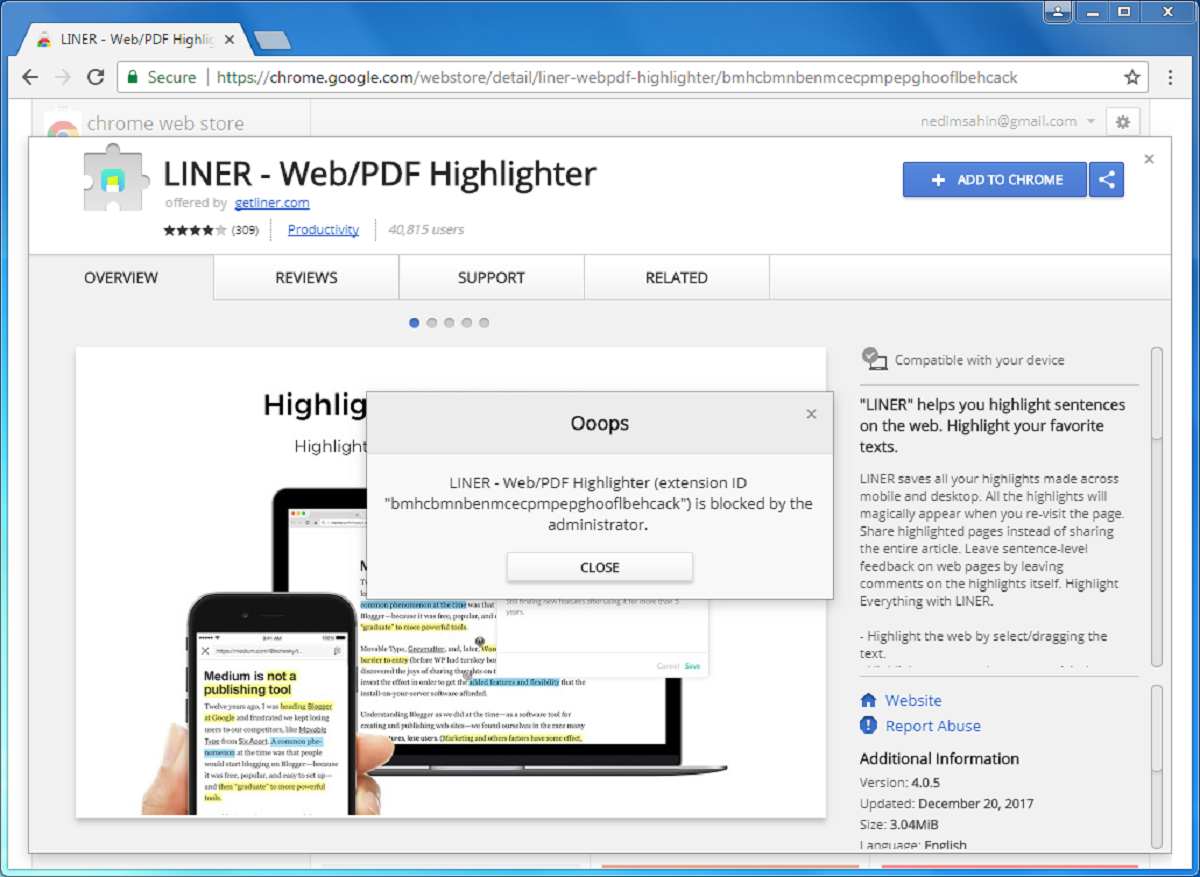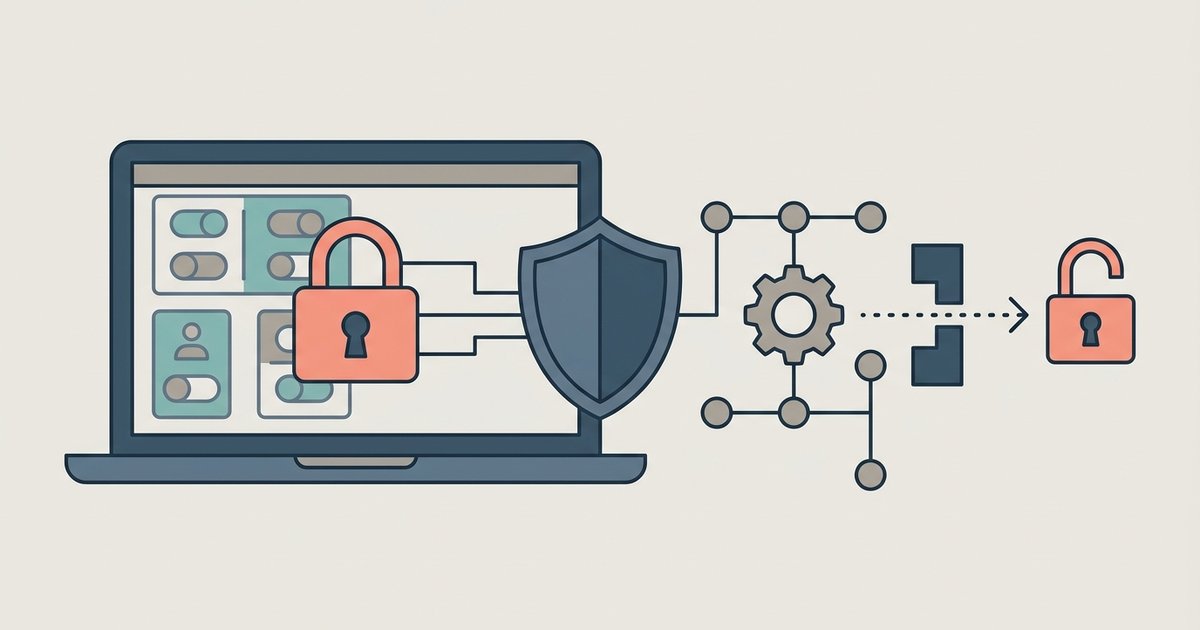
You cannot directly override admin-locked flags through chrome://flags, but you can often bypass the block by launching Chrome with a command-line flag using a shortcut or terminal, or by using a portable Chrome installation that ignores group policies.
Why chrome flags bypass is blocked on managed devices
Enterprise and education administrators use policy templates to lock specific flags. These are typically deployed through Active Directory or Google Admin Console. When you toggle a flag in chrome://flags, the browser checks the applied policies. It reverts your change on the next restart or grays out the option entirely. The official Google support page confirms that flags are ignored on managed devices. The policy engine overrides user preferences for security, stability, or bandwidth control. For example, the flag to enable html5 in Chrome is often blocked. Older sites rely on Flash, and administrators want consistency across the fleet.
Launching Chrome with command-line flags
You can force-enable a flag without touching the UI. Append the feature name to a Chrome shortcut or terminal command. To activate parallel downloading, create a new shortcut to your Chrome executable. Add --enable-features=ParallelDownloading after the path. On Windows, the target line would look like "C:\Program Files\Google\Chrome\Application\chrome.exe" --enable-features=ParallelDownloading. On macOS, open Terminal and run /Applications/Google\ Chrome.app/Contents/MacOS/Google\ Chrome --enable-features=ParallelDownloading. This method bypasses the chrome://flags UI entirely. The command-line argument is still subject to policy checks, as policies set by an administrator take precedence over command-line flags. If you need to turn on developer mode on Chrome, you can use --enable-devtools-experiments in the same way, but sideloading unpacked extensions still requires Chrome extensions and developer mode. Some policies may still block dev tools entirely.
Using an unmanaged Chrome installation that runs from any folder
Command-line flags can fail if the policy also blocks Chrome's executable path. In that case, download a standalone Chromium or Chrome build that runs from a USB drive or folder. These self-contained versions may not read certain device-level managed policies, but this is not guaranteed. Download the latest Chromium from an official mirror and extract it to a folder. Launch the independent executable. It will start with default settings and no admin locks. Mobile-specific flags still require the Android or iOS version. On desktop, you can then enable any flag normally. This workaround also helps if you need to get Chrome extensions blocked by admin. The standalone browser does not enforce the device's extension blocklist.
When the bypass fails and what to do instead
Both command-line flags and standalone installations can fail. The feature might depend on a server-side component that the admin has disabled on the backend. This includes a Chrome Enterprise connector or a cloud-managed policy that requires a specific browser version. Some flags like hardware acceleration require driver-level permissions. A standalone browser cannot override those. In these cases, the only reliable solution is to request an admin exception through your IT help desk. Explain the specific flag and why you need it for coursework or productivity. If that is not possible, use a personal device that is not enrolled in management. You can also access the web app through an unmanaged browser like Firefox Portable. It does not inherit Chrome policies. Bypassing policies may violate your school or employer's acceptable use policy. Proceed only when you have explicit permission or are using a device you own.
A standalone browser may let you bypass some admin restrictions without modifying the managed device itself, but this is not guaranteed.