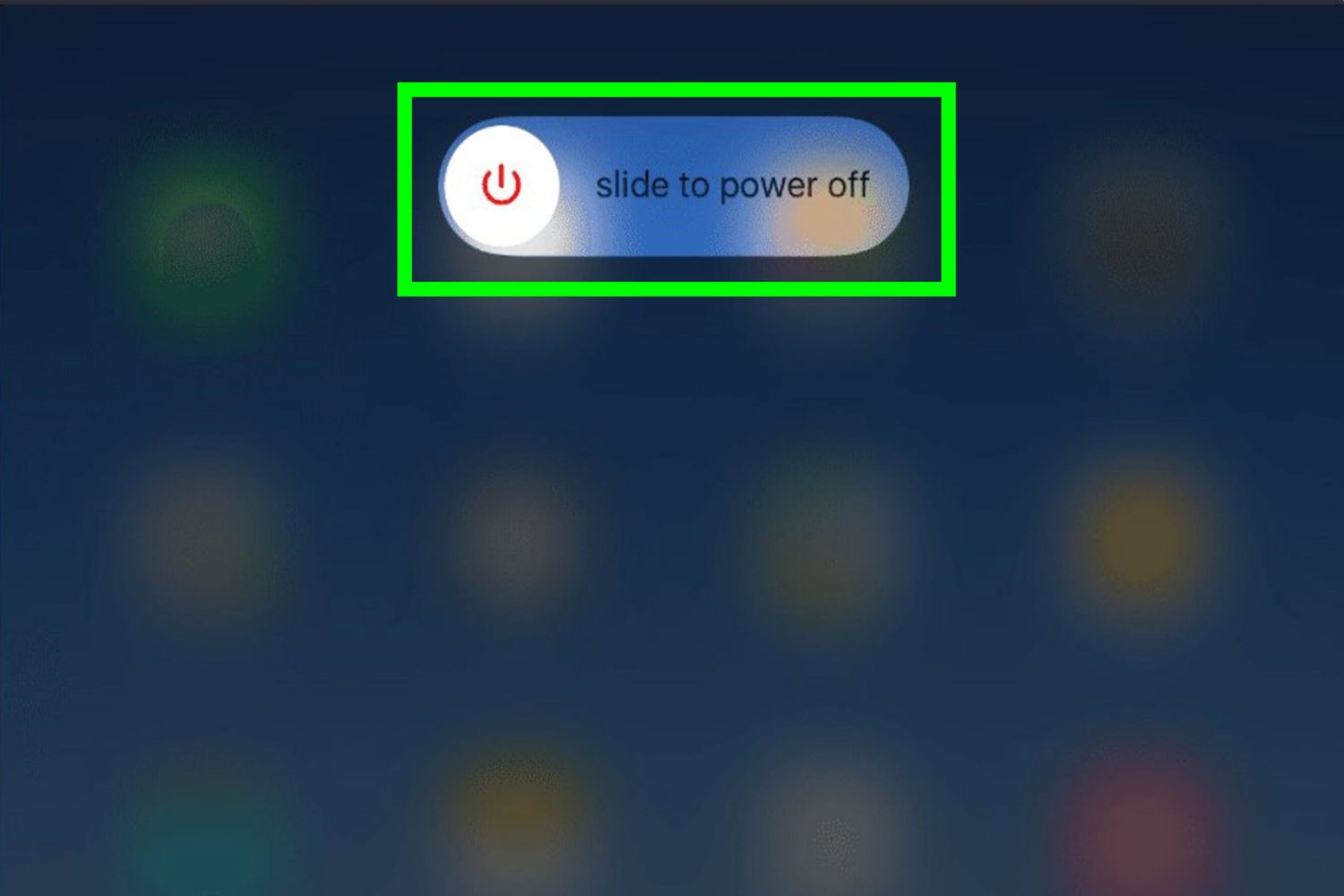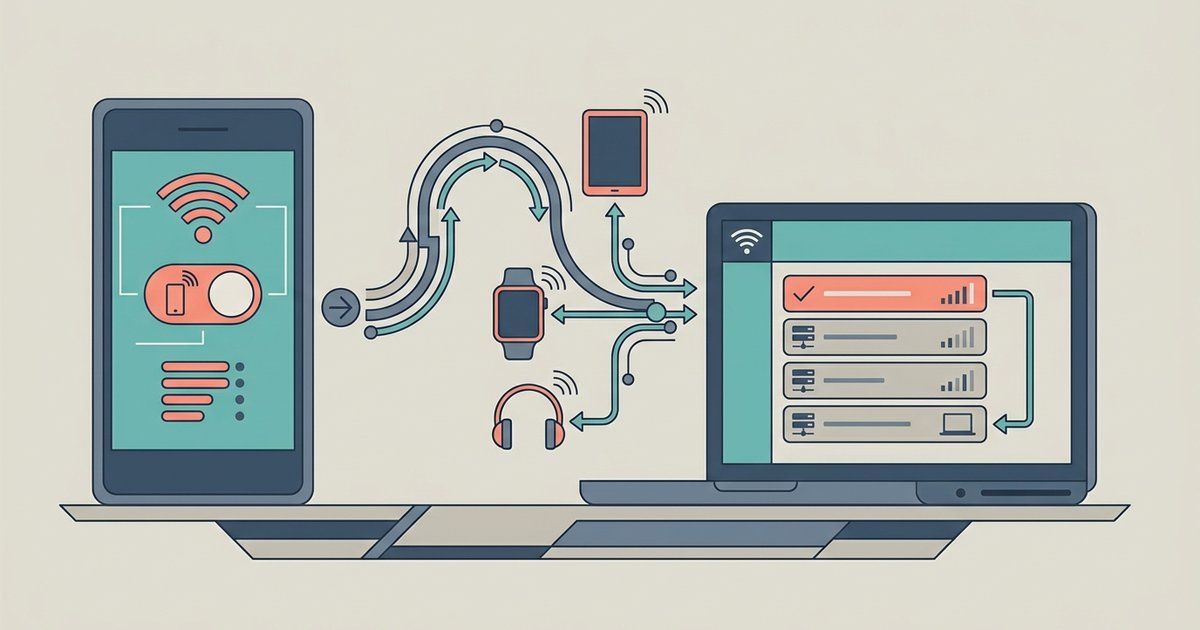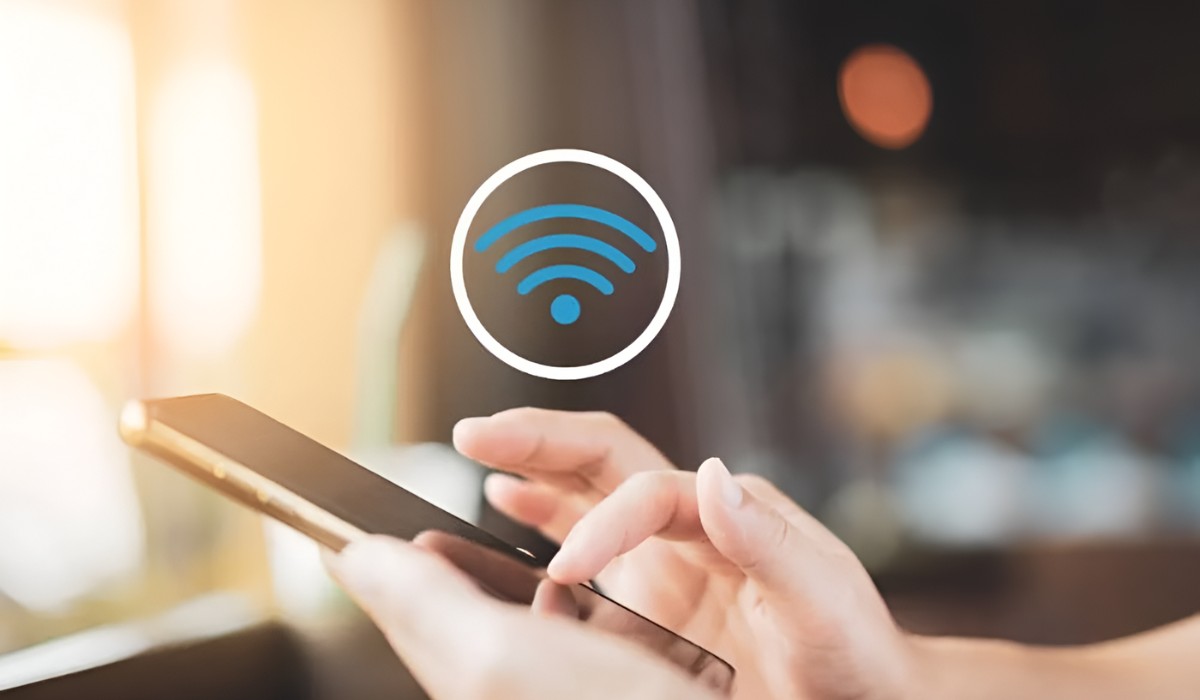
To keep personal hotspot always on, you must disable the automatic timeout that both iOS and Android use to save battery when no devices are connected. On an iPhone, go to Settings > Personal Hotspot and ensure “Allow Others to Join” is on, then configure your other Apple devices to auto-join; on Android, you’ll need to set the hotspot timeout to “Never” in the advanced settings. The exact steps differ by brand, but the goal is the same: stop the OS from shutting down the hotspot after a period of inactivity.
Why your personal hotspot keeps turning off
Both iOS and Android treat a personal hotspot as a secondary feature, not a core service. To preserve battery life and reduce background data usage, the operating system automatically disconnects the hotspot when no device is actively using it for a set amount of time. This default power-saving behavior is the primary reason you see the hotspot turn off on its own, even if you left it enabled. The timeout can be as short as a few minutes on some Android phones, while iPhones typically disable the hotspot when no device has joined for a while. If you're trying to connect a tablet, you can get a stable link by linking iPad to iPhone hotspot before adjusting these settings. If you first need to set up the feature, see turning Android into a hotspot for the initial steps. Understanding this built-in behavior is the first step, because the configuration guide below is specifically designed to override that default and keep the connection alive.
How to keep a personal hotspot always on with an iPhone
On an iPhone, the personal hotspot is controlled through the Settings app, and you have two separate tasks: enable the hotspot itself and then configure your other Apple devices to join automatically without prompting you each time.
First, open Settings and tap “Personal Hotspot” (if you don’t see it, go to Settings > Cellular > Personal Hotspot). Toggle “Allow Others to Join” to the on position. This alone does not keep the hotspot always on, it simply makes it discoverable. The key is that your iPhone will keep the hotspot active as long as a device is connected, so you need your other devices to reconnect automatically whenever they come back into range.
To do that, pick up the device that needs internet access (like an iPad or Mac). Go to Settings > Wi-Fi, scroll down to “Auto-Join Hotspot,” and select “Automatic.” This tells that device to join your iPhone’s personal hotspot without asking. If you prefer to approve each connection, choose “Ask to Join,” but for an always-on experience, “Automatic” is the correct setting. Repeat this on every Apple device that should connect to the hotspot.
If you have a Family Sharing group, you can simplify this even further. On your iPhone, go to Settings > Personal Hotspot > Family Sharing and turn it on. Then, for each family member, set their access to “Automatic” so their devices join without approval. This is the most reliable way to keep personal hotspot always on for multiple Apple devices, because each device is pre-authorized and will reconnect on its own.
One critical note: your iPhone must have an active carrier plan that includes Personal Hotspot service. If your plan doesn’t support tethering, the toggle will be missing or greyed out, and no amount of configuration will keep it on.
How to keep a personal hotspot always on with an Android phone
Android phones have a different structure, but the principle is the same: you need to find the hotspot timeout setting and change it to “Never.” The general path is Settings > Network & internet (or Connections, depending on your manufacturer) > Hotspot & tethering > Mobile Hotspot (or Wi-Fi Hotspot).
Once you’re in the Mobile Hotspot settings, look for an option called “Automatic timeout,” “Turn off hotspot automatically,” or “Timeout settings.” Tap it and select “Never.” This is the single most important step: the same logic applies to Android, where the OS will otherwise kill the hotspot after a few minutes of inactivity. On stock Android (like Google Pixel), the setting is usually under “Advanced” within the hotspot menu. On other brands, it might be labeled “Power save mode” or “Timeout,” but the goal is identical: choose “Never” so the hotspot stays active even when no devices are connected.
After you set the timeout to “Never,” the hotspot will remain broadcasting. However, you should also verify that your phone’s battery optimization isn’t interfering. Some Android phones aggressively kill background services, so you may need to exclude the hotspot app or the Settings app from battery optimization. Check under Settings > Battery > Battery optimization and look for any app related to hotspot or tethering, then set it to “Don’t optimize.” This ensures the system doesn’t force-stop the hotspot service to save power.
Samsung Galaxy: using auto hotspot and advanced settings
Samsung Galaxy phones have a slightly different menu layout and two extra features that make keeping the hotspot always on easier. First, go to Settings > Connections > Mobile Hotspot and Tethering > Mobile Hotspot. Tap the three-dot menu or “Configure” to open the hotspot settings. Look for “Advanced” and then find “Turn off when no device connected for.” Tap it and select “Never.” This is the exact same timeout setting as other Androids, but Samsung buries it one level deeper.
Second, Samsung offers a feature called “Auto Hotspot” that works with other Samsung devices signed into the same Samsung account. When this is enabled, your Galaxy phone will automatically turn on its hotspot when another Samsung device requests a connection, and it will turn off when the connection ends. To use it, go to Settings > Connections > Mobile Hotspot and Tethering > Mobile Hotspot and toggle “Auto Hotspot” on. Then, on the other Samsung device, go to its Wi-Fi settings and select your phone’s hotspot, it will connect without needing a password if both devices are on the same Samsung account.
While Auto Hotspot is convenient, note that it still turns off the hotspot when no device is using it. If you want the hotspot to stay on permanently, even with zero connected devices, you must use the “Never” timeout setting in Advanced. Auto Hotspot is best for occasional use, while the “Never” timeout is what you need for an always-on connection.
What to know about battery life and data plans
Keeping your personal hotspot always on has two significant trade-offs that you should accept before making this change. First, battery life will suffer. The hotspot radio is constantly broadcasting a signal, which consumes power even when no device is connected. If you’re using the hotspot while charging, this isn’t a problem, but if you rely on battery power, you’ll need to recharge more frequently or carry a power bank.
Second, your carrier plan must support tethering. Many mobile plans include hotspot data, but some do not, or they limit the amount of data you can share. If your plan doesn’t include tethering, the hotspot feature may be disabled entirely, or you could be charged extra fees for using it. Check your carrier’s plan details or log into your account to confirm that personal hotspot is included. If it’s not, you’ll need to upgrade your plan or add a tethering add-on before you can use the always-on feature. Even if tethering is included, be aware that an always-on hotspot can quickly consume your monthly data allowance, especially if multiple devices are connected and downloading large files.
Troubleshooting a hotspot that still turns off
If you’ve set the timeout to “Never” and your hotspot still shuts down, there are a few common fixes to try. These steps address both software glitches and carrier-level restrictions that can override your settings.
First, restart your phone. A simple reboot clears temporary system errors that might be interfering with the hotspot service. After restarting, re-enable the hotspot and check whether the timeout setting stuck. If it didn’t, go back into the hotspot settings and set it to “Never” again.
Second, check for software updates. Both iOS and Android regularly release updates that fix bugs related to tethering and battery management. Go to Settings > General > Software Update (iPhone) or Settings > System > System Update (Android) and install any pending updates. If an update is available, it may contain a fix for the exact issue you’re experiencing.
Third, verify your cellular coverage. If you’re in an area with weak signal, your phone may automatically turn off the hotspot to conserve battery and maintain call quality. Move to an area with better reception or connect to a Wi-Fi network to see if that stabilizes the hotspot. If coverage is the issue, the hotspot will turn off regardless of your timeout setting.
Finally, reset your network settings. This is a more aggressive step, but it resolves many persistent hotspot problems. On iPhone, go to Settings > General > Transfer or Reset iPhone > Reset > Reset Network Settings. On Android, go to Settings > System > Reset Options > Reset Wi-Fi, Mobile & Bluetooth. This clears all saved Wi-Fi networks, Bluetooth pairings, and cellular settings, returning them to factory defaults. After the reset, you’ll need to re-enter your Wi-Fi passwords and re-pair Bluetooth devices, but it often fixes underlying network conflicts that prevent the hotspot from staying on.
If none of these steps work, contact your carrier. Some carriers have specific restrictions on how long a hotspot can remain active, and they enforce this at the network level, overriding your phone’s settings. Your carrier can confirm whether your plan supports always-on tethering and may be able to remove any network-side timeout.
For the wider topic, see using a phone hotspot.