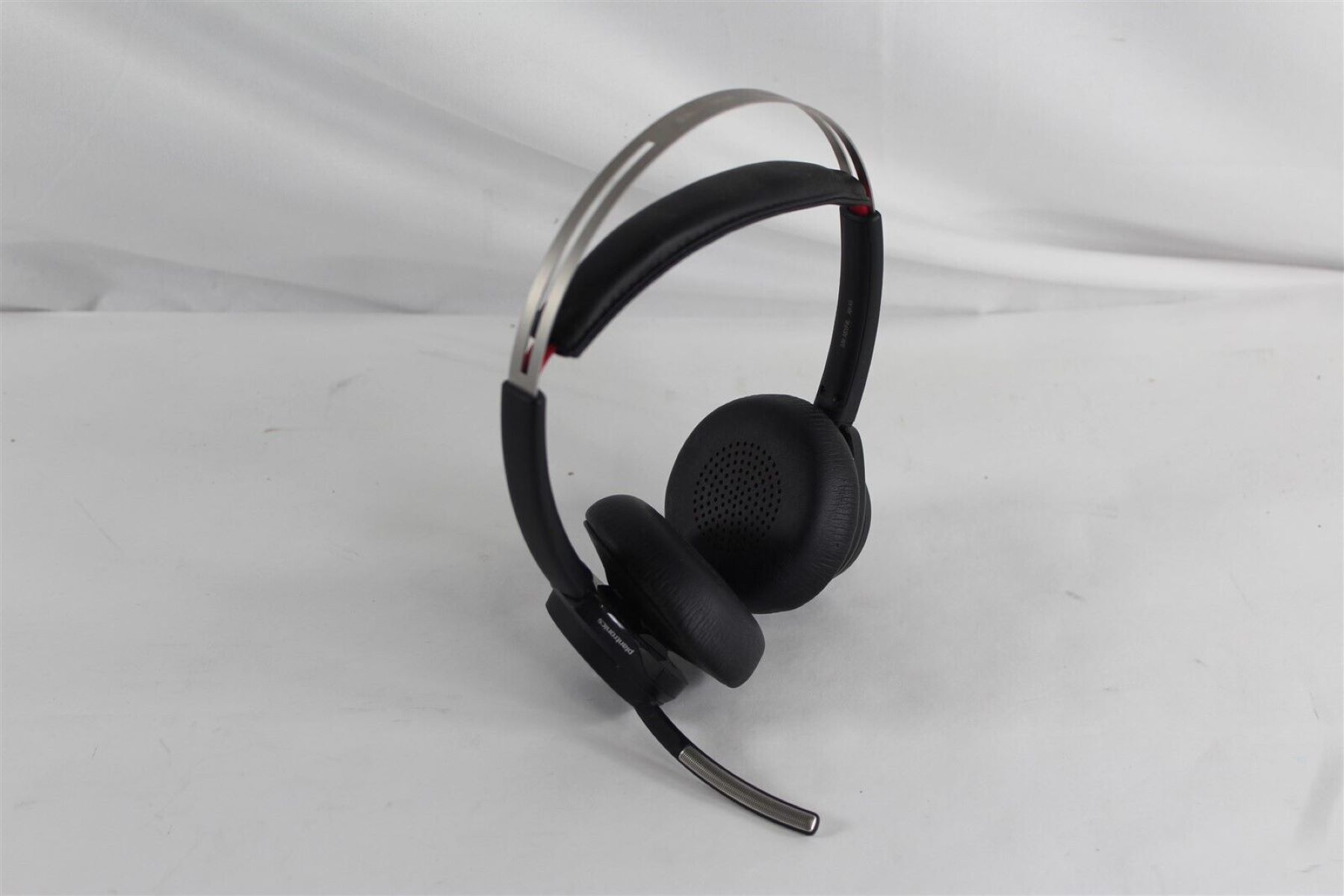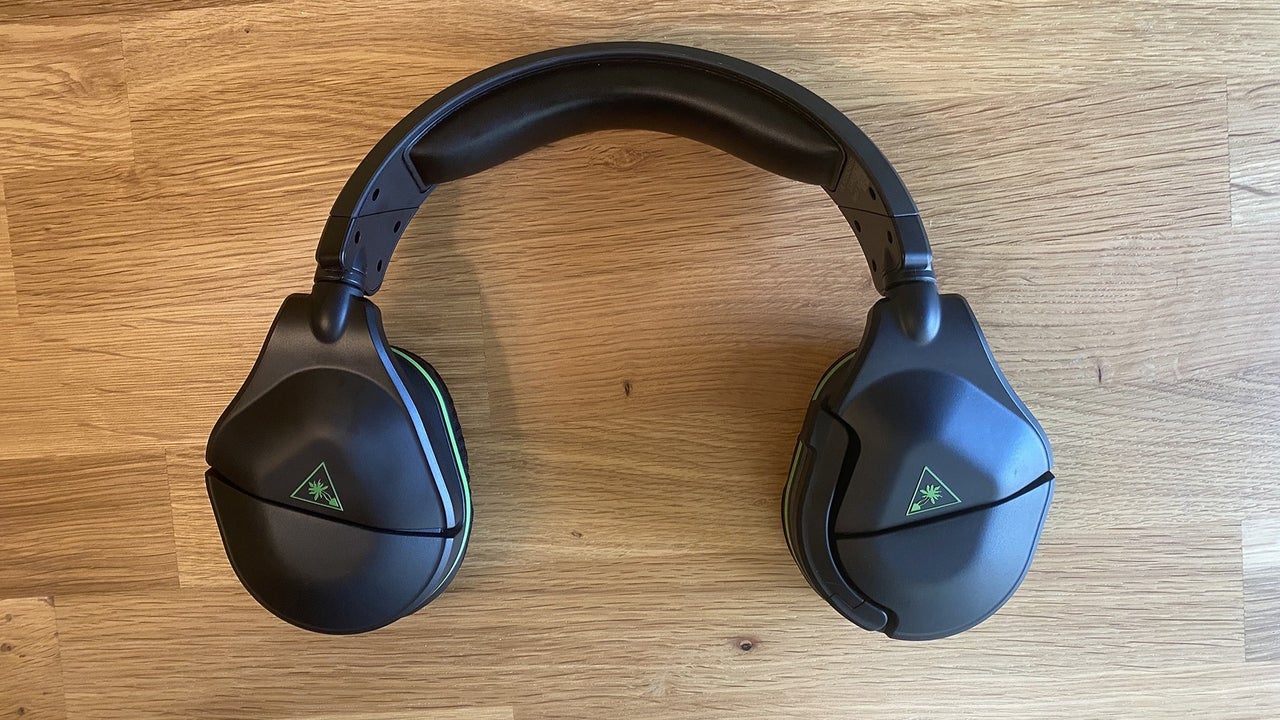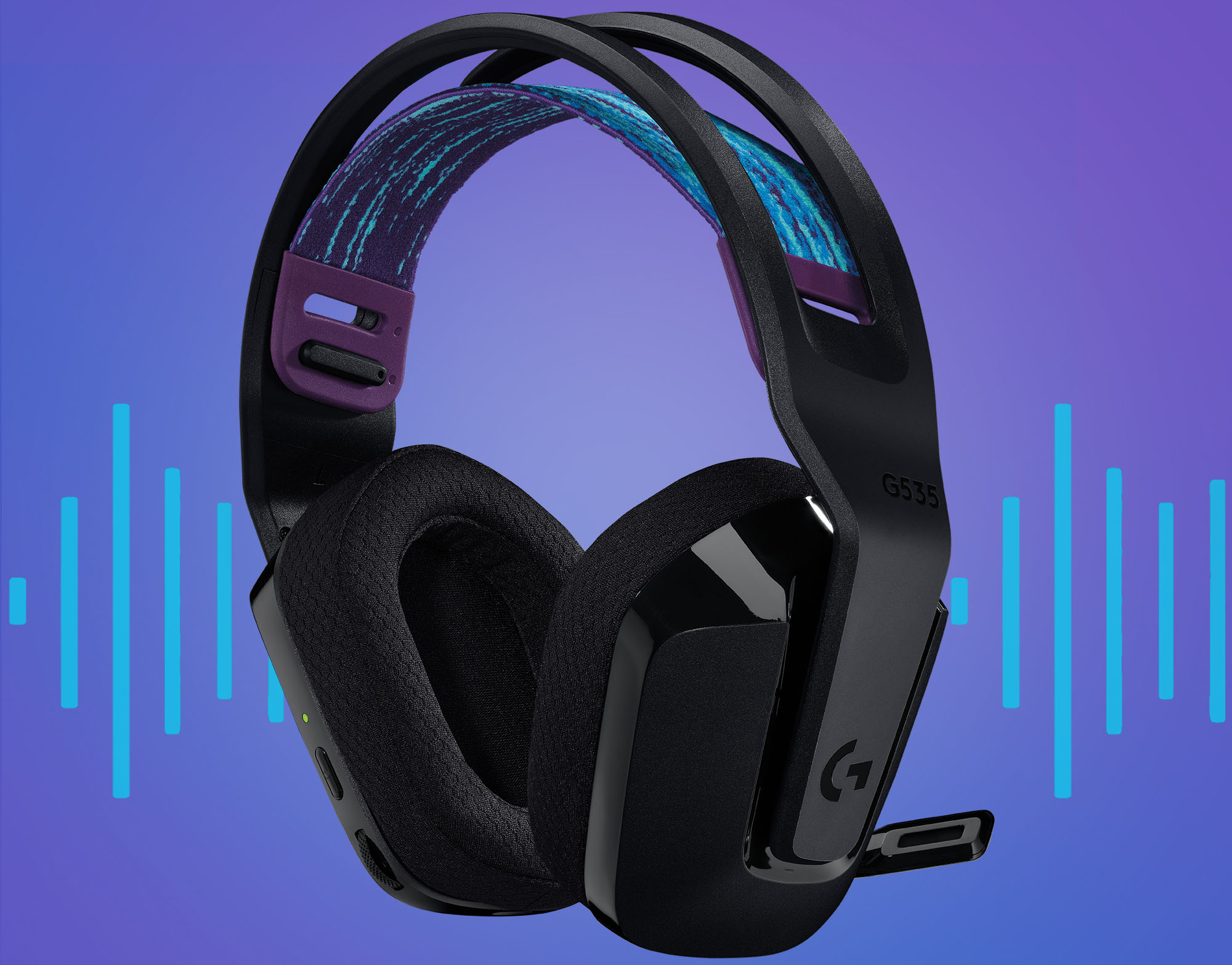
To connect a Plantronics headset on a Cisco phone, you have three paths: a direct wired plug into the headset port, a wireless audio-only hookup via a telephone interface cable, or a wireless setup with an Electronic Hook Switch (EHS) cable for remote call control. The right method depends on your headset model and whether you need to answer/end calls from the headset itself; if you haven't yet paired the headset with its base, complete the plantronics headset setup first. If you’re juggling a different brand, the same pairing fundamentals apply with Turtle Beach headset setup tips.
What you need before connecting your Plantronics headset on a Cisco phone
Before you start, identify which connection path fits your equipment. A wired Plantronics headset plugs straight into the RJ9 or 3.5mm headset port on the back of most Cisco IP phones. A wireless headset base can connect two ways: with a telephone interface cable for audio only, or with an EHS cable (APC-43, APC-45, APC-72, or APC-82) for remote call control. The EHS cable model varies by your specific Cisco phone and headset model. For USB or Bluetooth options, newer Cisco phones like the 8851, 8861, and 8865 have USB ports, while some 8800 series and SPA525G models have built-in Bluetooth.
Wired connection: plugging directly into the headset port
Take your wired Plantronics headset and locate the dedicated headset port on the back of your Cisco phone, it is typically an RJ9 jack, though some models use a 3.5mm input. Insert the headset cable firmly into that port. On the phone, press the Applications button, then navigate to Status > Accessories to verify the headset is listed as connected. If it appears, audio will route through the headset automatically; if not, reseat the cable and check for damage.
Wireless audio-only connection with a telephone interface cable
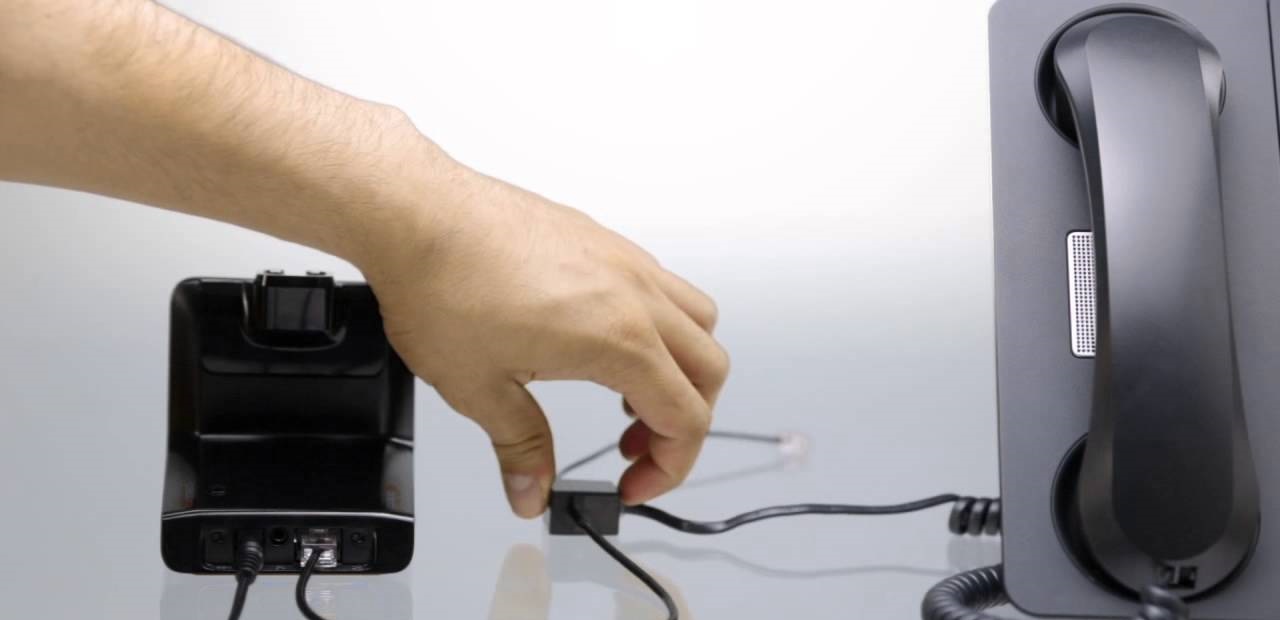
For a Poly (Plantronics) wireless headset base using a telephone interface cable, start by plugging the power cable into the base and a wall outlet. Then take the telephone interface cable, it has two different ends, and connect the large end into the base’s port. Next, plug the small end into the headset port on the back of the Cisco phone. After that, set the compatibility channel on the headset base to D for Cisco phones (most other phones use “A”). This gives you audio in and out, but you will still need to press the headset button on the phone to answer or end calls.
Wireless connection with Electronic Hook Switch (EHS) for call control
To answer and end calls from the wireless headset itself, you need an EHS cable. Plug the EHS cable’s dual plug into the back of the headset base. Then take the Y-end of the cable: insert the clear plug into the AUX port on the Cisco phone, and the smoky gray plug into the phone’s headset port. The EHS adapter draws power directly from the phone’s headset port, so no external power adapter is needed for the cable.
After the physical connection, you must enable the EHS feature. On Cisco IP Phone Firmware Release 12.7(1) and later (7800 and 8800 Series), go to Admin settings > Aux port on the phone itself and set it to enable Electronic Hook Switch. On earlier firmware, the “Wireless Headset Hookswitch Control” parameter must be enabled in Cisco Unified Communications Manager Administration under Device > Phone. After changing this setting, the phone typically needs a reset to apply the change.
USB and Bluetooth connections on newer Cisco phones
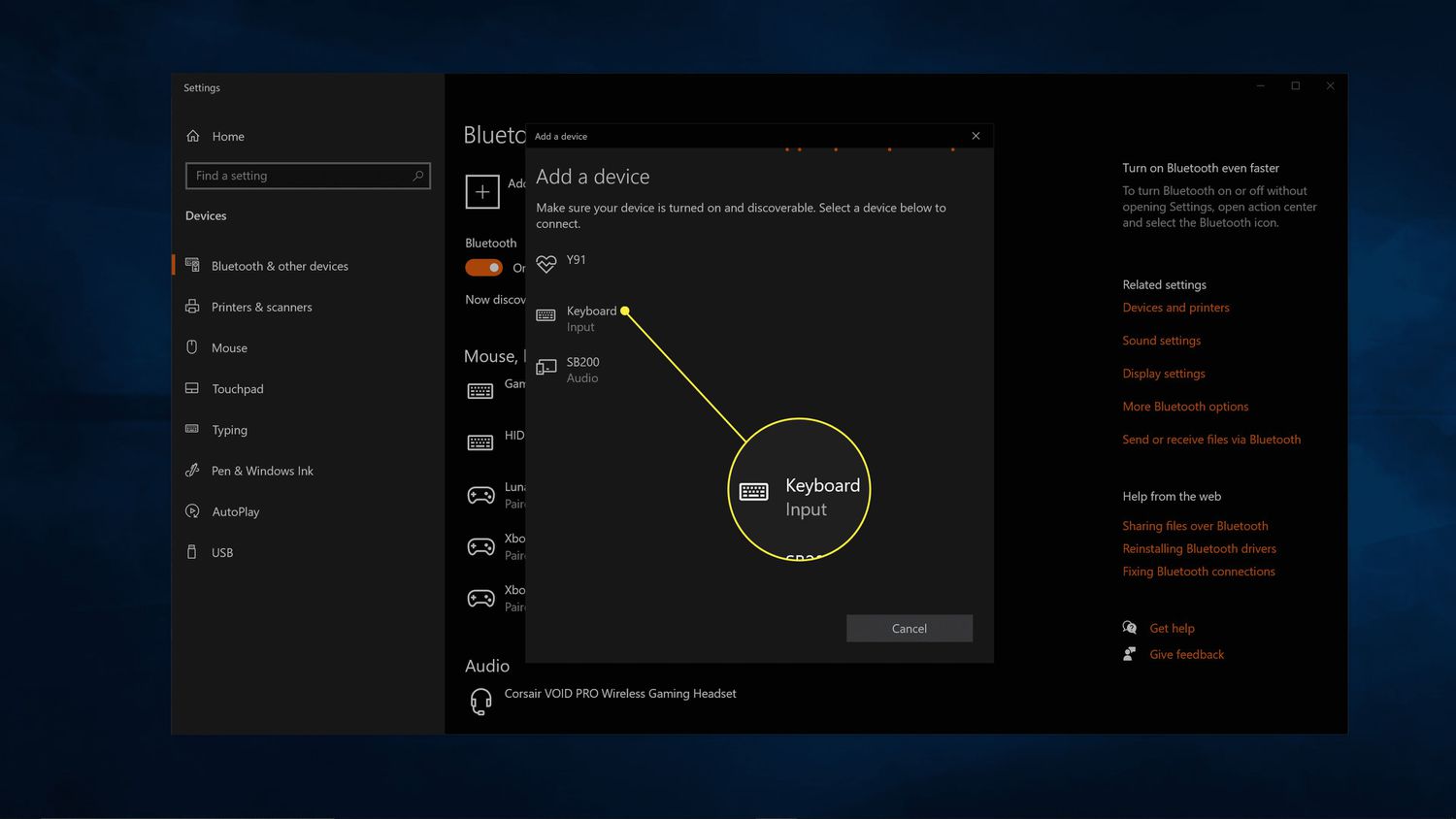
If you have a Cisco 8851, 8861, or 8865, you can plug a USB headset directly into the phone’s USB port, or insert a Bluetooth dongle for a wireless headset. For phones with built-in Bluetooth (some 8800 series and the SPA525G), press Applications (gear icon) > Bluetooth, then select Devices to scan for and pair with your Plantronics headset. Note that not all Cisco phones have USB ports, so check your model before relying on this path.
Troubleshooting Plantronics headset issues on Cisco phones
If your headset isn’t working, start with the most common causes. First, verify the compatibility channel on the wireless base is set to D for Cisco, a wrong channel is the top reason for no audio. Second, confirm EHS is actually enabled: on newer firmware check Admin settings > Aux port, and on older firmware ensure “Wireless Headset Hookswitch Control” is on in CUCM. Third, remember that the Cisco 7811 IP phone does not support headsets or have an AUX port, so EHS cables will not work with that model. Fourth, if the headset does not appear under Status > Accessories, reseat all cables and check for loose connections. Finally, after any configuration change, reset the phone to apply the settings, this often resolves persistent issues. If you still have trouble, test the headset with another device to isolate whether the problem is the phone or the headset.
For the wider topic, see connecting a headset to a console.