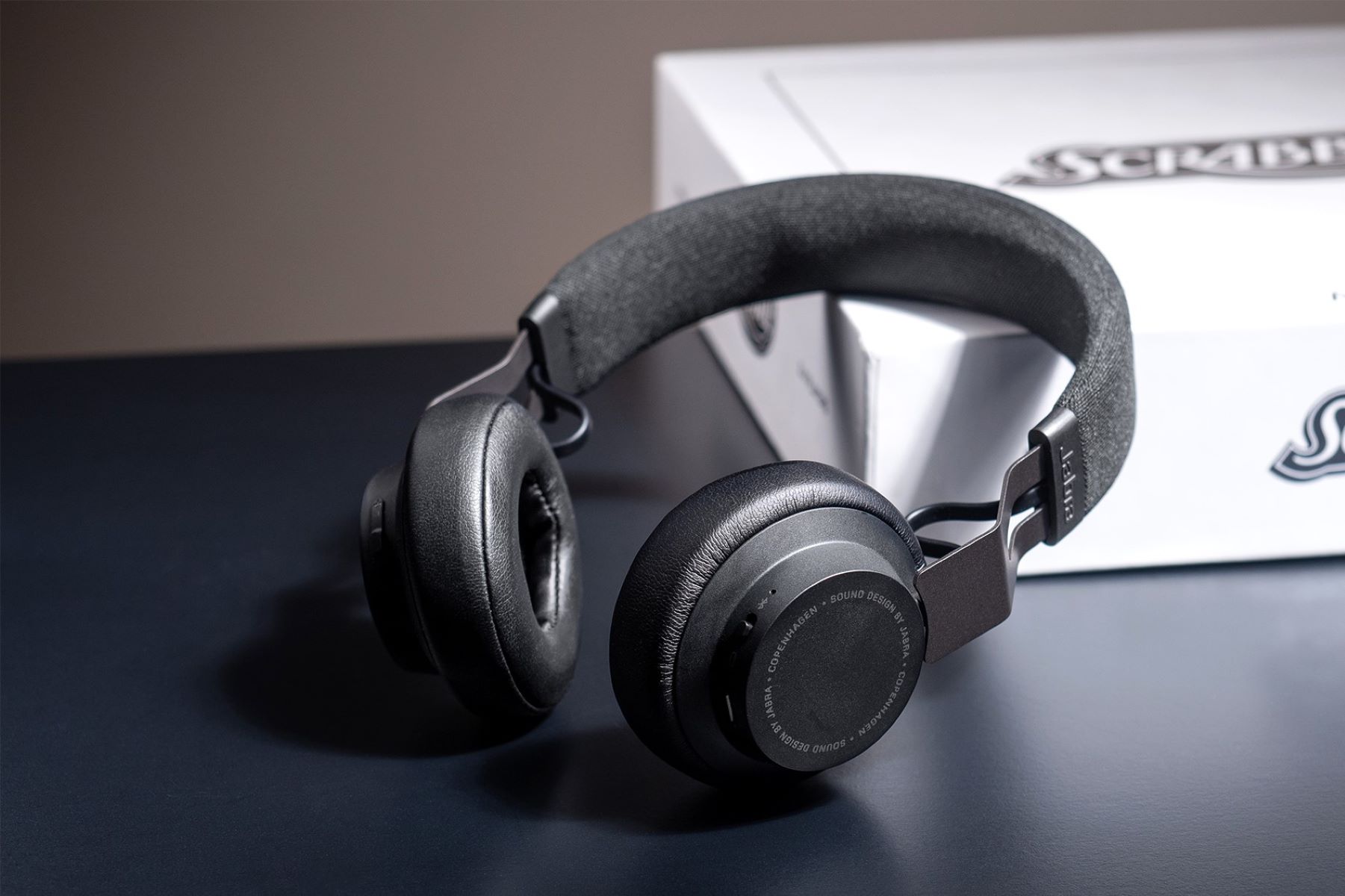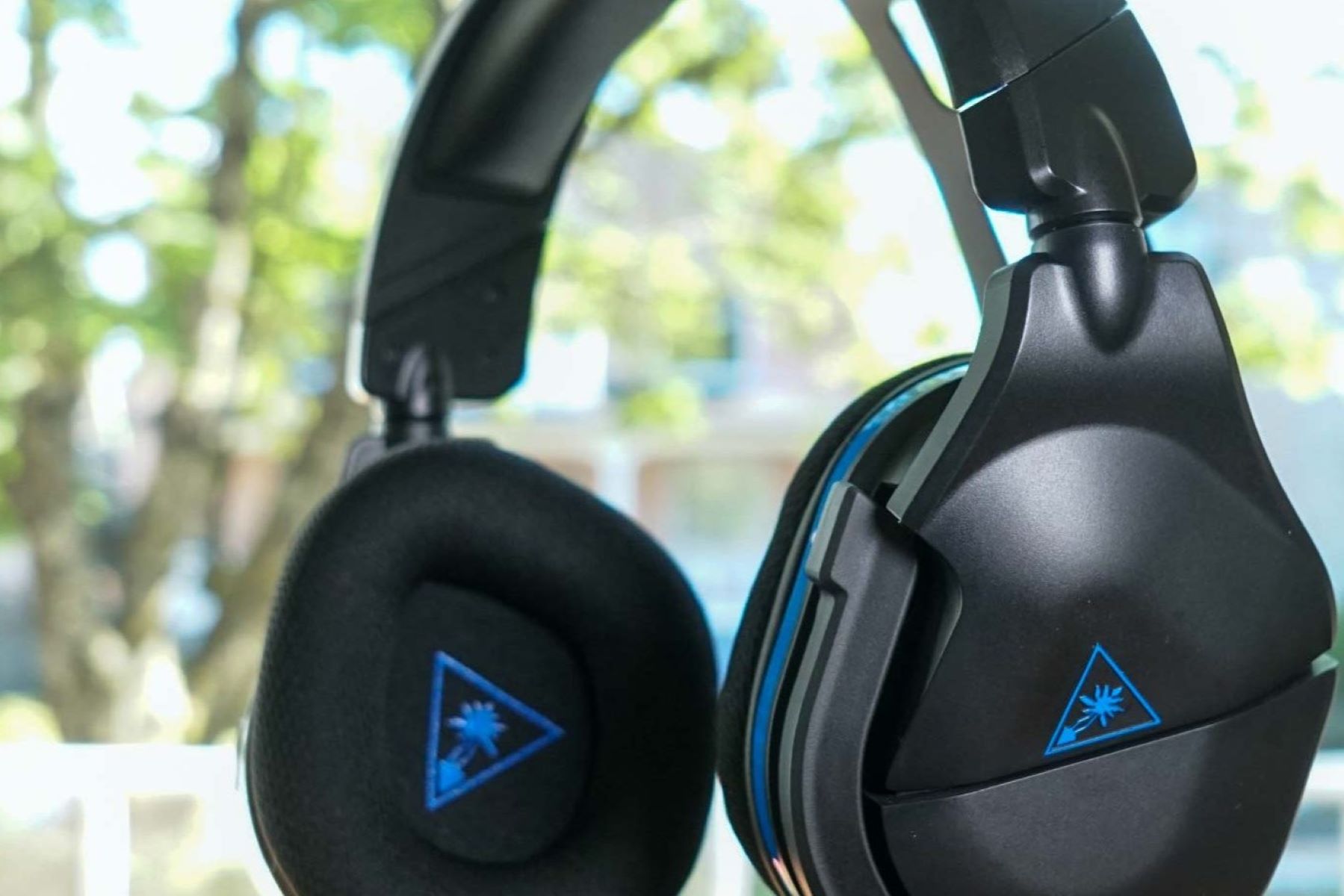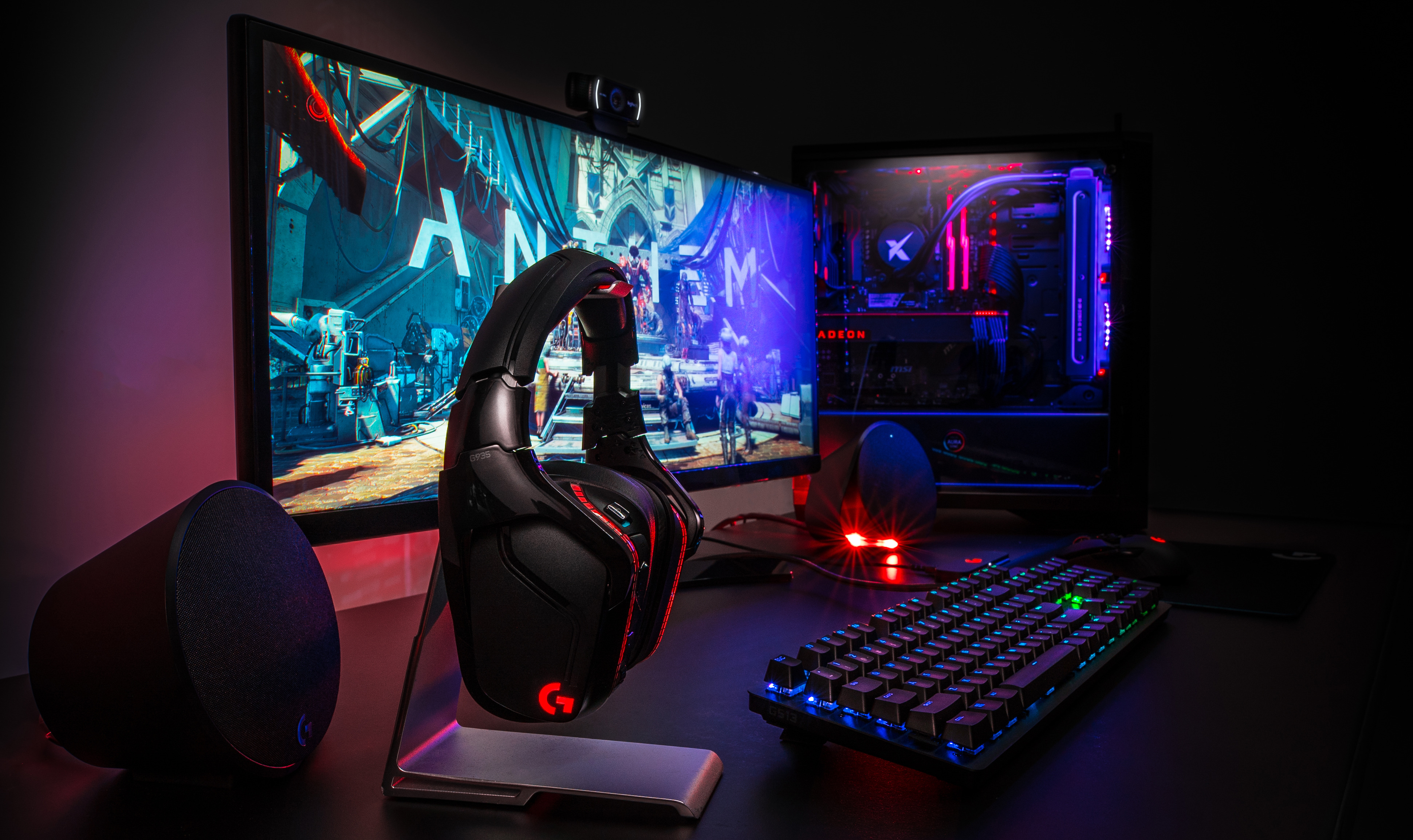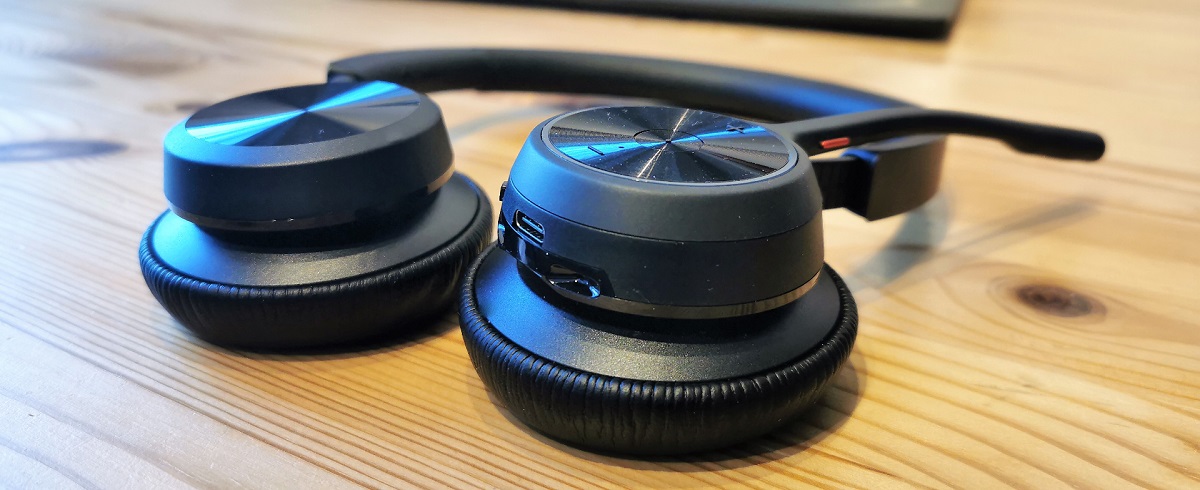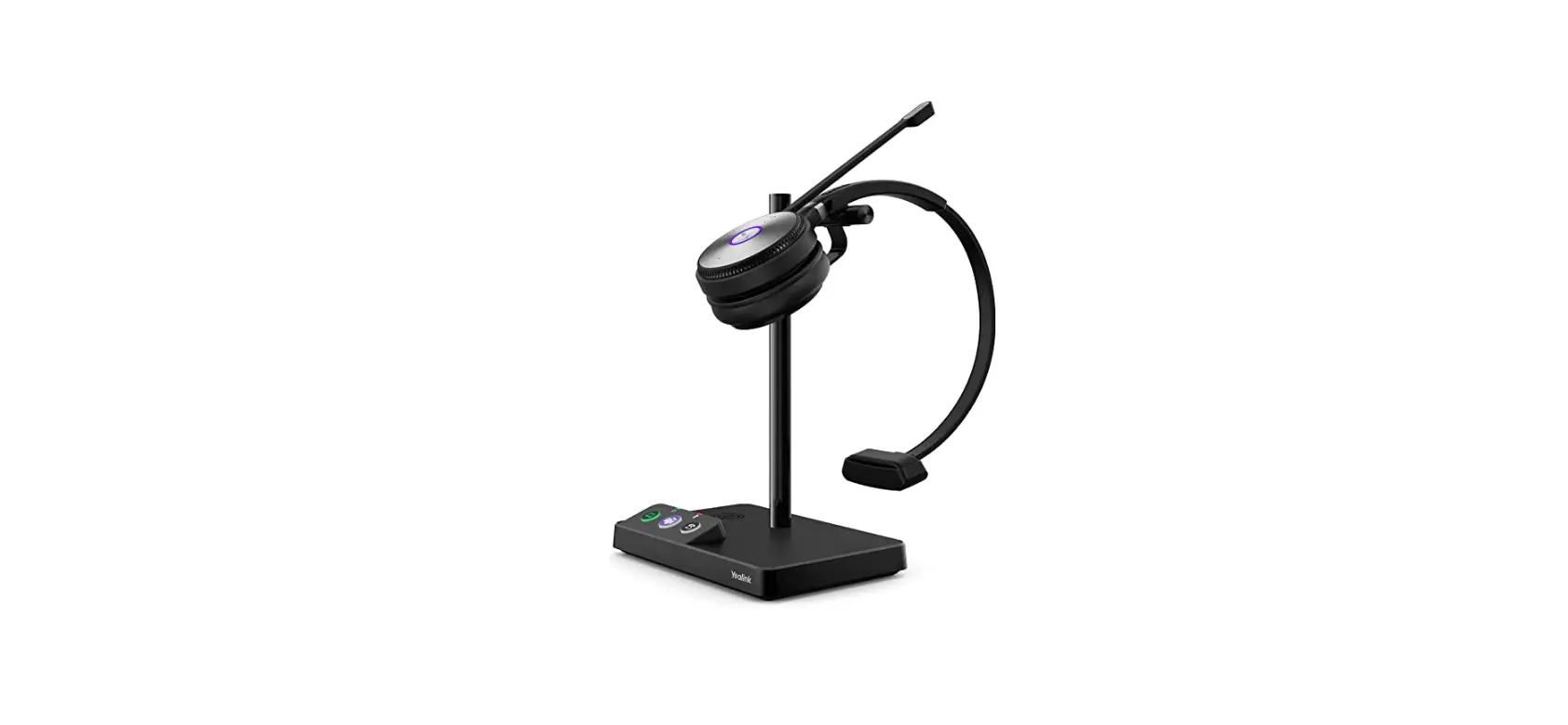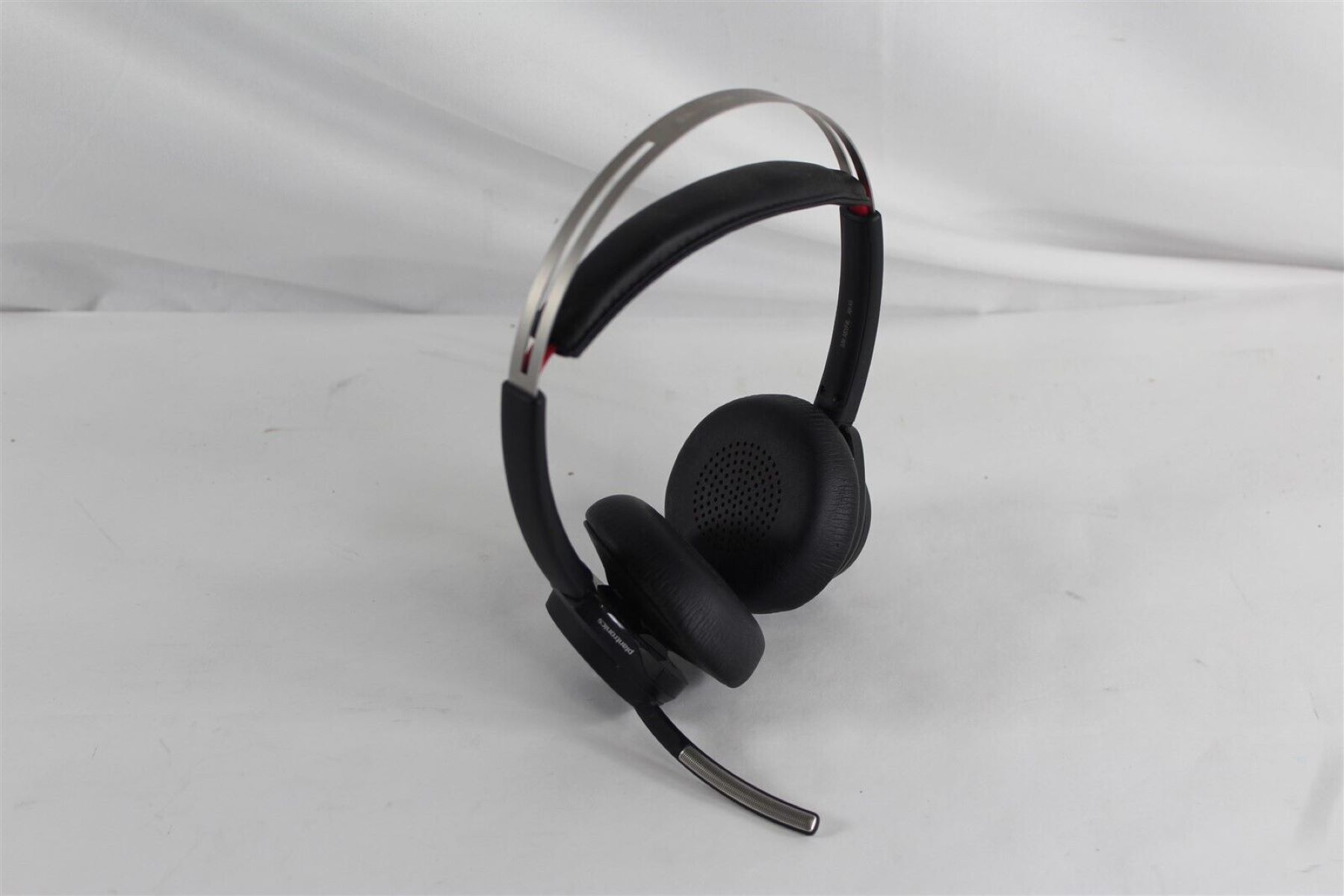
To complete a Poly headset setup, first install the HP Poly Studio Desktop App (formerly Poly Lens) on your computer, then charge the headset, pair it via USB dongle or Bluetooth, set it as your default audio device, and configure it for your desk phone if needed. If you run into connection issues, the poly headset pairing steps can help you re-establish a stable link. If you use a different brand for gaming, the same principles apply when connecting Turtle Beach headset to PC. This guide covers the verified steps for both USB and Bluetooth connections, plus the specific requirements for desk phone compatibility, so you can get your Plantronics (now Poly) headset working in minutes.
Before you start: install the right software for your poly headset setup
Plantronics is now known as Poly, and the software you need depends on your headset's age. For all newer Poly headsets, download the HP Poly Studio Desktop App (formerly the Poly Lens Desktop App) from the official HP/Poly website. This application is essential for firmware updates, customizing call management settings, and enabling remote call control with softphones. If you have a legacy Plantronics model (such as the Savi or CS500 series), you will need the older Plantronics Hub software instead, but note that its commercial sale ended on May 31, 2022, so it's only for maintaining existing older devices.
Step 1: Unbox and charge your Poly headset
Open the packaging and locate the charging cable, which is included with your headset. Find the charging port on the headset, it's usually discreetly placed on the edge or bottom. Connect the cable securely to the headset, then plug the other end into a wall adapter, a USB port on your computer, or any compatible power source.
- Check for the charging indicator light, which will illuminate or flash to confirm charging is in progress.
- Allow the headset to charge fully before setup. Refer to the user manual for the recommended charging time, but a full charge typically takes 1-2 hours.
- Wait until the indicator light signals a full battery (usually a solid green light) before proceeding.
Step 2: Pair with a computer using a USB adapter
For the most stable and optimized connection on a computer, use the dedicated Poly USB dongle (such as the BT700 or BT600) rather than your PC's built-in Bluetooth. This ensures better audio quality and fewer dropouts.
- Insert the Poly USB adapter into an available USB port on your computer.
- On your headset, locate the power switch. Slide it toward the Bluetooth icon and hold it in that position.
- Keep holding until the headset's LED flashes red and blue (or blue and white, depending on the model). This indicates pairing mode is active.
- Wait for the computer to recognize the headset. The adapter will automatically pair with the headset, and you'll hear a confirmation tone.
If pairing doesn't happen automatically, open the HP Poly Studio Desktop App and follow the on-screen prompts to complete the connection.
Step 3: Pair directly with a mobile device via Bluetooth
For smartphones, tablets, or computers without a USB dongle, you can pair directly over Bluetooth.
- Put your Poly headset into pairing mode. Depending on the model, either slide and hold the power switch toward the Bluetooth icon, or press and hold the Call button until the LED flashes red/blue.
- On your mobile device, go to Settings > Bluetooth and toggle Bluetooth on.
- Wait for your device to scan for nearby Bluetooth devices.
- Select "Poly [Your Headset Model]" from the list of available devices.
- Confirm the pairing if prompted. You'll see a "Connected" message and a Bluetooth icon on your device.
Once paired, the headset will automatically reconnect to your mobile device whenever both are in range and Bluetooth is enabled.
Step 4: Set the headset as your default audio device
After connecting via USB or Bluetooth, you must set the Poly headset as your default playback and recording device. This step is critical for hearing audio and using the microphone in calls.
For Windows:
- Right-click the speaker icon in the system tray and select Open Sound settings (or Change system sounds).
- Go to the Playback tab, select your Poly headset, and click Set Default.
For macOS:
- Open System Settings > Sound.
- Under Output, select your Poly headset.
- Under Input, select your Poly headset microphone.
Step 5: Configure your Poly headset for a desk phone
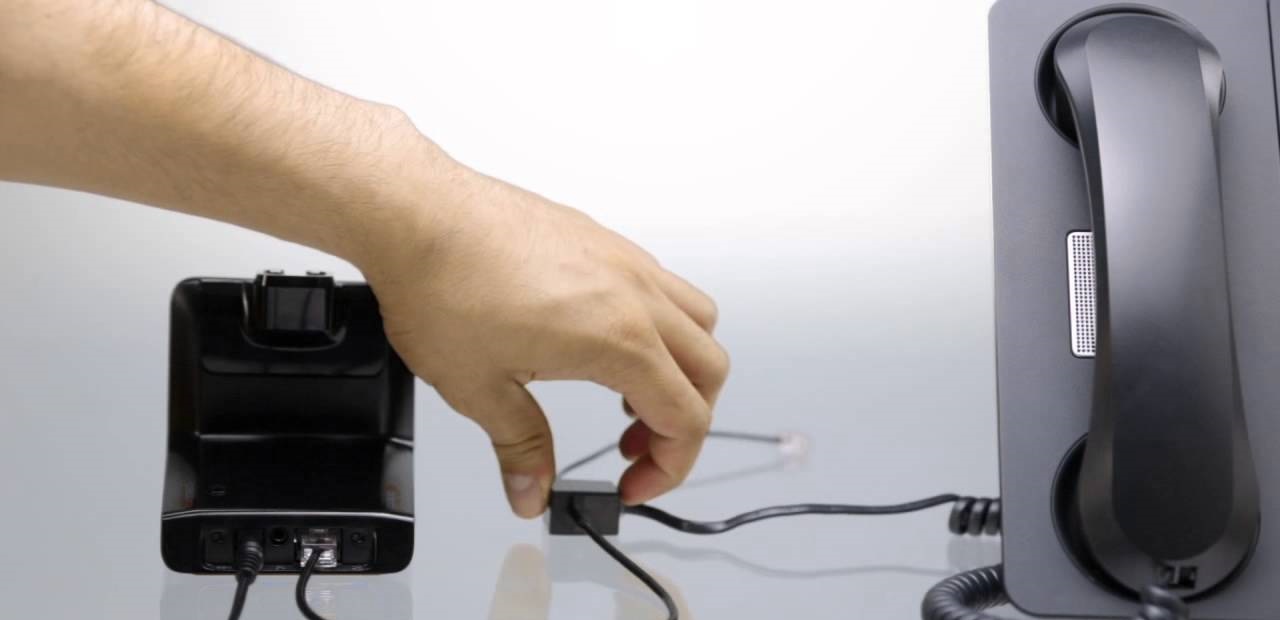
Desk phone setup differs depending on whether you have a wired or wireless (DECT) headset. Compatibility is crucial, always match your Poly headset with a Poly Quick Disconnect (QD) bottom cable or amplifier.
Wired desk phone setup
- Identify your desk phone's jack type. If it has a dedicated headset port (usually a 2.5mm or RJ9 jack), you can connect directly with a Poly QD bottom cable.
- If your phone only has a handset jack (the coiled cord port), you need a Poly amplifier (such as the MDA524) between the phone and the headset.
- Some bottom cables include a wiring switch. This is necessary because four-pin handset jacks lack a universal wiring standard (RJ9, RJ10, and RJ22 are not official jack types). Set the switch to match your specific phone model, consult your phone's manual if unsure.
Wireless DECT desk phone setup
- Connect the charging base to your desk phone using a telephone interface cable or the headset port.
- Place the headset on the charging base. This initiates the over-the-air subscription process if the headset isn't already paired.
- For remote answering and ending of calls, you'll need an Electronic Hookswitch (EHS) cable or a handset lifter. Connect the EHS cable from the base to the phone's proprietary port, or attach the handset lifter to the phone's handset cradle.
Step 6: Update firmware and customize settings
Open the HP Poly Studio Desktop App on your computer. The app will automatically detect your connected Poly headset. Use it to:
- Run firmware updates. Regular updates ensure optimal performance, fix bugs, and add new features.
- Customize call management features, such as assigning buttons for redial, voice commands, or mute.
- Adjust audio equalizer settings to match your hearing preferences.
- Enable or disable features like wideband audio, sidetone (hearing your own voice), and smart sensor settings.
For legacy headsets that use Plantronics Hub, the same customization options are available in that older software.
Quick troubleshooting for audio issues
If you experience no sound, poor microphone quality, or connection drops, follow these verified steps in order:
- Restart both your computer and the headset. Turn the headset off, wait 10 seconds, then turn it back on.
- Ensure your USB headset is connected directly to your computer, not through a USB hub. Hubs can cause power and data issues.
- Re-verify your default audio device settings (Step 4). Sometimes updates or other apps change the default.
- Check that the headset is charged. Low battery can cause intermittent audio or disconnections.
- If using a USB dongle, try a different USB port on your computer.
For wireless headsets, confirm the headset is within range (typically up to 30 meters from the adapter or base). If problems persist, run a firmware update via the HP Poly Studio Desktop App.
If you're setting up a headset for gaming or another computer, see connecting a headset to a console or PC.