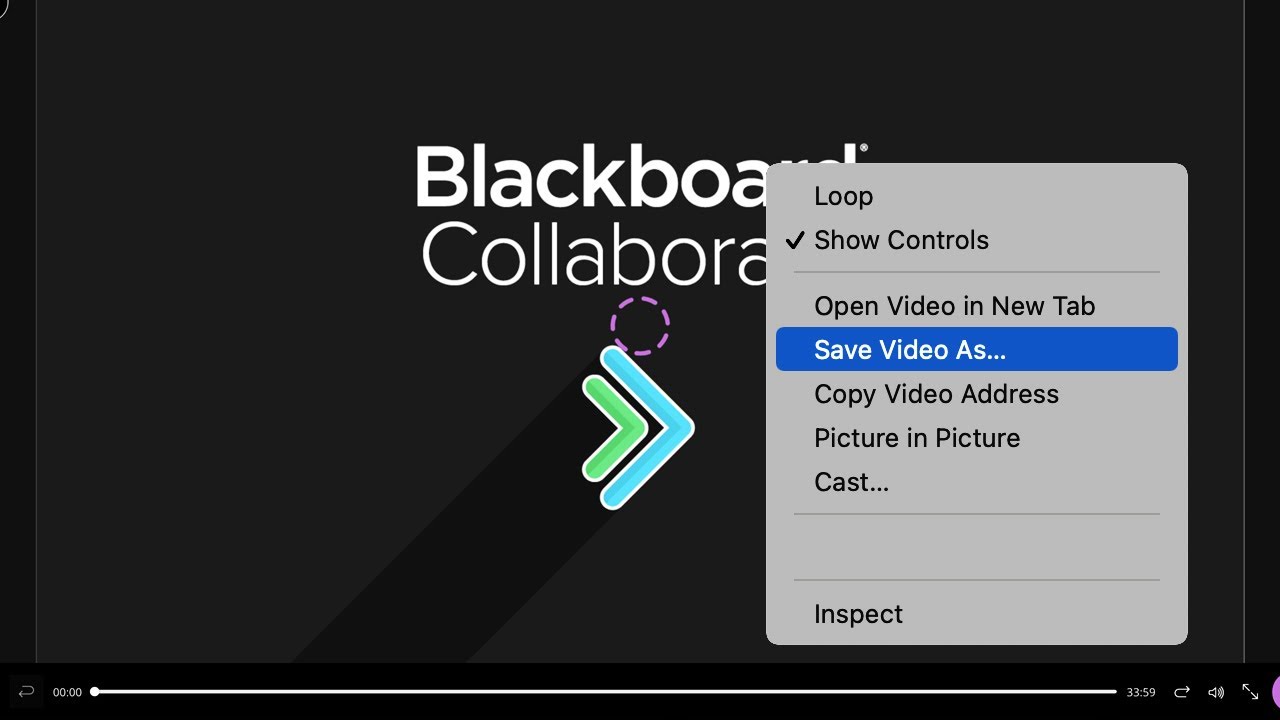
To download Blackboard Collaborate recordings, open the recording from your course's Collaborate area and choose the download option, the file saves as an MP4 you can play offline. This lets you keep a copy of any session for review, exam prep, or sharing, without needing to rejoin the live classroom.
How to download Blackboard Collaborate recordings
Start by logging into Blackboard and opening the course that contains the session you want. Click it to open the Collaborate area, where you’ll see a list of all sessions associated with that course. You don’t need to join a live session to access past recordings; the list shows both upcoming and completed meetings.
Look for the “Recordings” tab or section within the Collaborate interface. This tab displays every saved session for the course, typically sorted by date, with the most recent at the top. Each entry shows the session title, the date and time it was recorded, and the duration. If your instructor has enabled recordings for the course, you’ll see them here. If you don’t see the recording you expect, check that you’re in the correct course and that the session was actually recorded, some instructors may disable recording or delete old files.
Once you’ve found the recording you need, you can proceed to download it. The list is read-only until you click the options menu, so there’s no risk of accidentally modifying or deleting anything while browsing.
Download the MP4 file
After locating the recording in the list, find the three-dot options icon to the right of its title. Clicking this icon opens a drop-down menu with several actions. From that menu, select “Download” to begin saving the file. The recording will automatically start downloading within your browser, and the MP4 file will be saved to your device’s default download folder, or you may see a prompt asking you to choose a save location, depending on your browser settings.
The download process is straightforward, but the time it takes depends on the recording’s length and your internet connection. Longer sessions or higher-quality recordings produce larger files, so allow a few moments for the download to complete. You’ll see a progress indicator in your browser’s download bar or notification area. Once the download finishes, you can close the Collaborate tab, the file is now stored locally on your computer.
If the download doesn’t start automatically, check that your browser allows downloads from your institution’s Blackboard domain. Some browsers block automatic downloads by default, so you may need to approve the action or adjust your settings. Also, verify that you have sufficient storage space on your device; a typical hour-long recording can range from a few hundred megabytes to over a gigabyte, depending on the video quality and whether screen sharing was used.
Find and play your downloaded recording
Once the download completes, the file will appear in your device’s downloads folder. The downloaded file will be named “Blackboard Collaborate Recording” with the date and time, or it will begin with the session name, depending on how the recording was titled.
Open your file explorer or Finder and navigate to the downloads folder to locate the file. Double-click it to launch your default media player, most systems use a built-in player like VLC, Windows Media Player, or QuickTime. The recording should play immediately, allowing you to watch the full session offline. Verify that both audio and video are working correctly by checking a few seconds of playback. If the file doesn’t play, try opening it with a different media player, as some players may not support certain MP4 codecs.
It’s also worth checking the file size in your downloads folder to confirm the download completed fully. A partial download will show a smaller file size than expected and may fail to play or cut off mid-session. If that happens, delete the incomplete file and repeat the download process. Once you’ve confirmed the recording plays smoothly, you can move it to a more organized location, such as a dedicated folder for course materials, or upload it to cloud storage for access across multiple devices.
\nRelated reading: How To Download Course Hero Documents For Free, How To Spam Kahoot Bots, and How To Find Random Kahoot Pins.