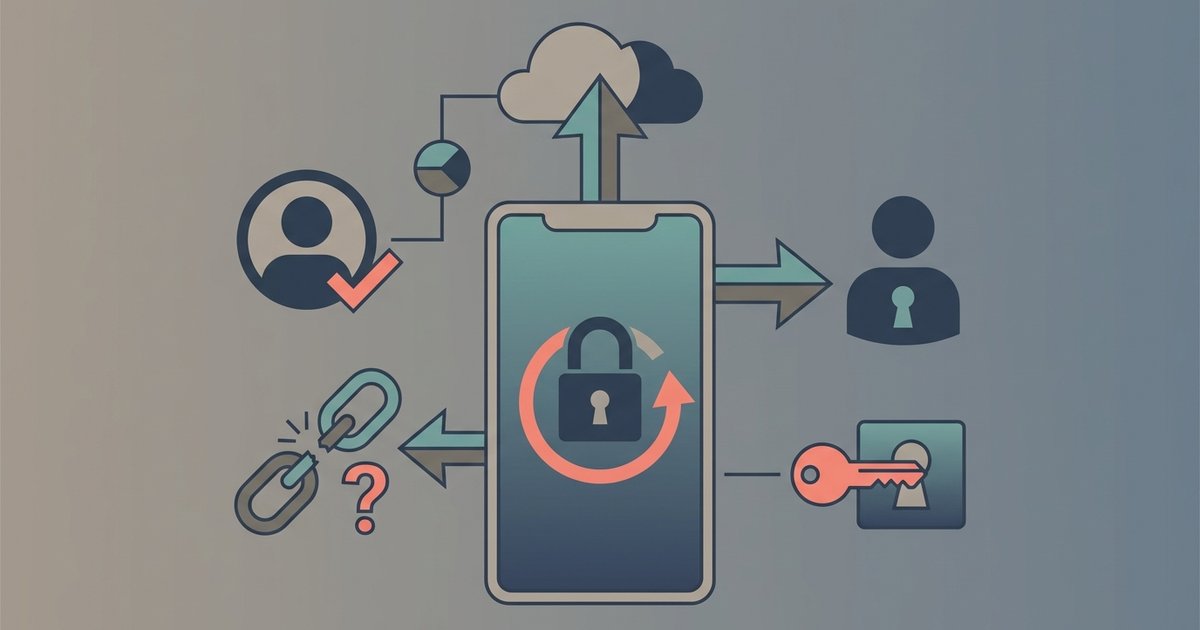
To protect your online banking, start by creating strong, unique passwords for every account and enabling two-factor authentication. These two steps form the foundation of a secure online banking routine that keeps hackers and fraudsters away from your money.
How to protect your online banking with strong passwords
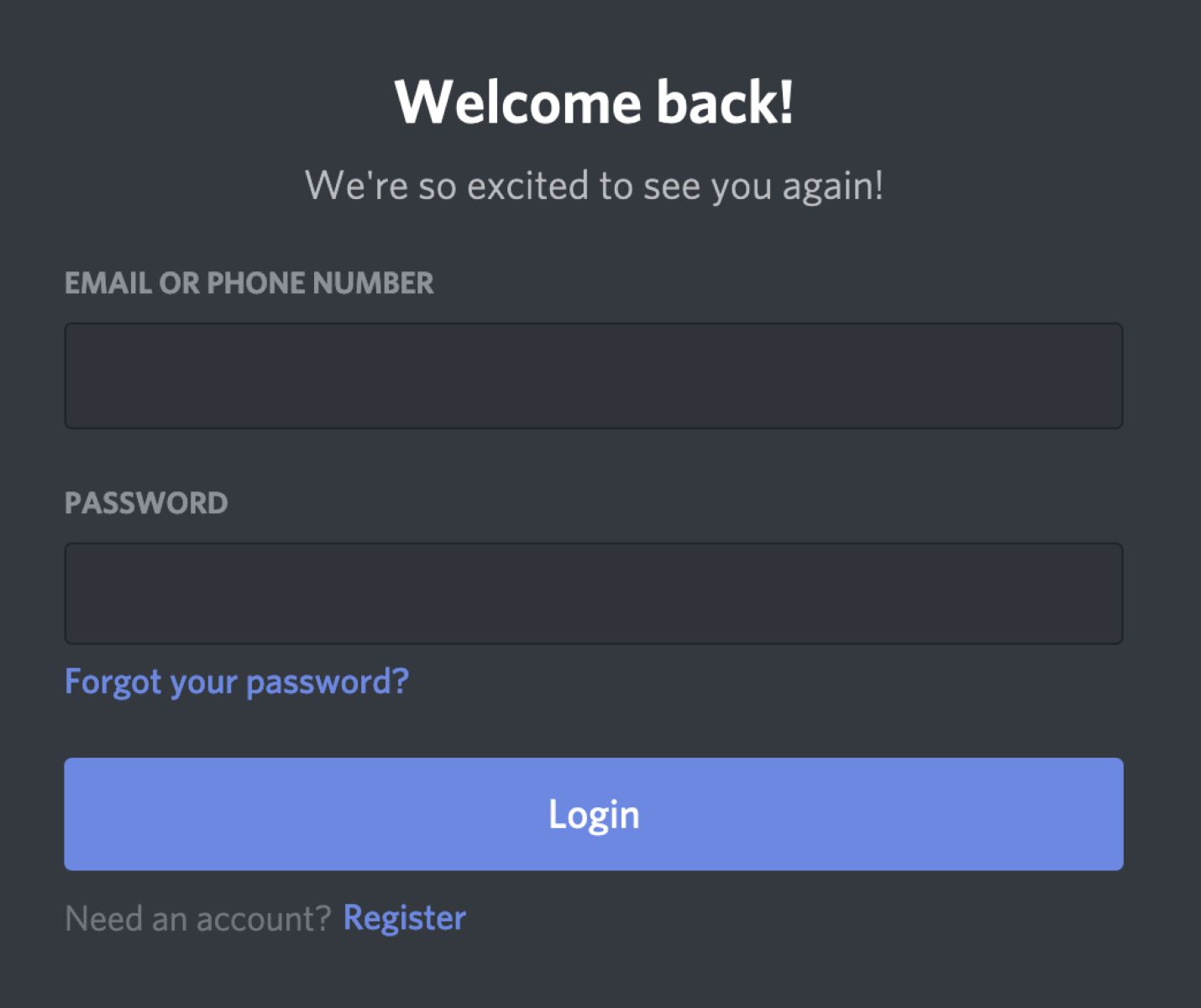
Your password is the first barrier between a cybercriminal and your money. A weak or reused password makes it easy for attackers to break into your account. To protect your online banking, create passwords that combine uppercase and lowercase letters, numbers, and special characters. Each online account needs its own unique password so that a breach on one site doesn't compromise your bank account. Change your passwords regularly, ideally every few months, to stay ahead of potential threats. Since remembering dozens of complex passwords is difficult, consider using a password manager to keep track of unique, complex passwords securely. Once you have a strong password ready, you can set up online banking with wells fargo to start managing your accounts from anywhere, or if you bank elsewhere, set up pnc online banking to enroll in their digital platform with your new credentials.
Enable two-factor authentication for a vital second layer of security
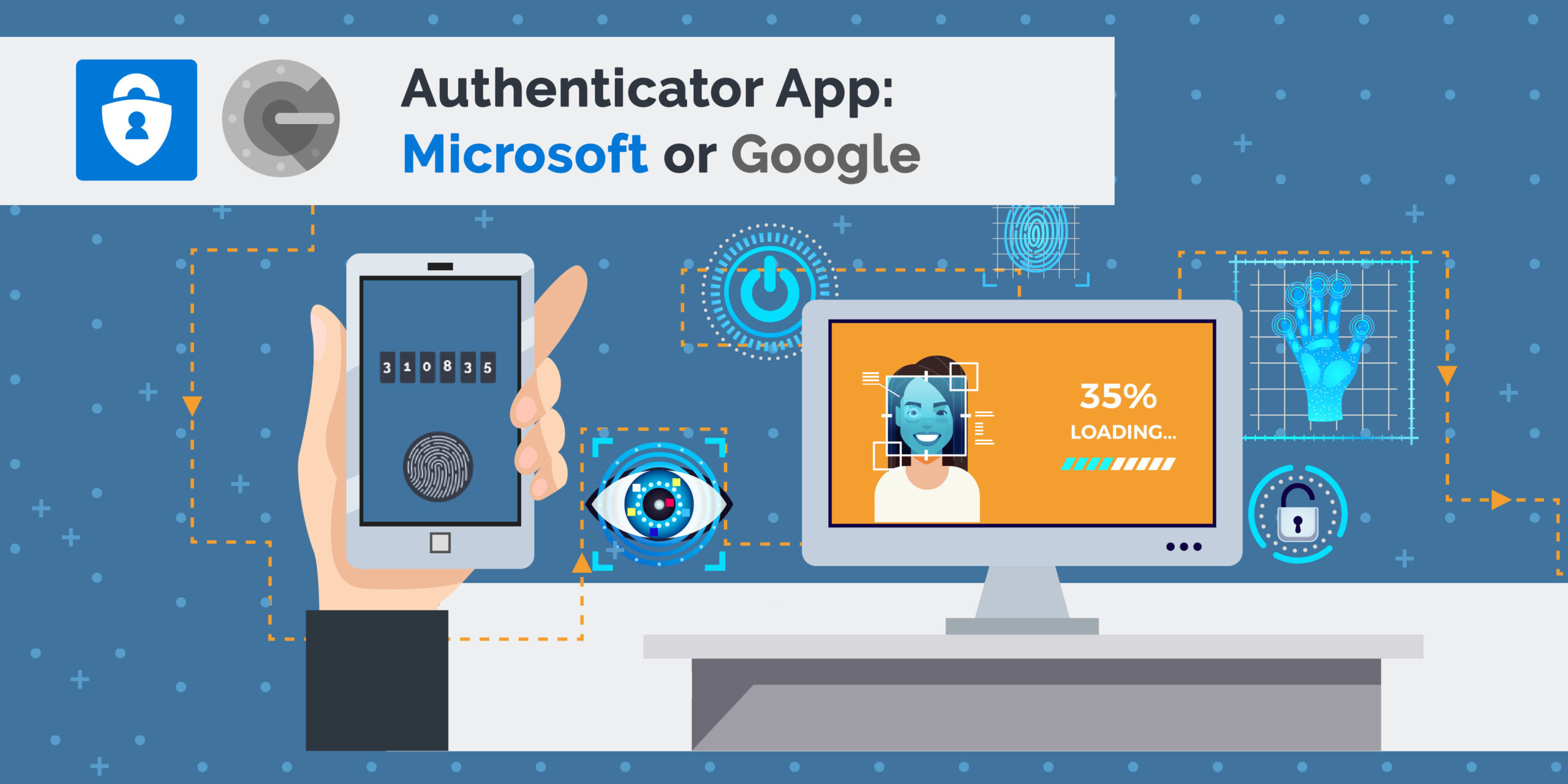
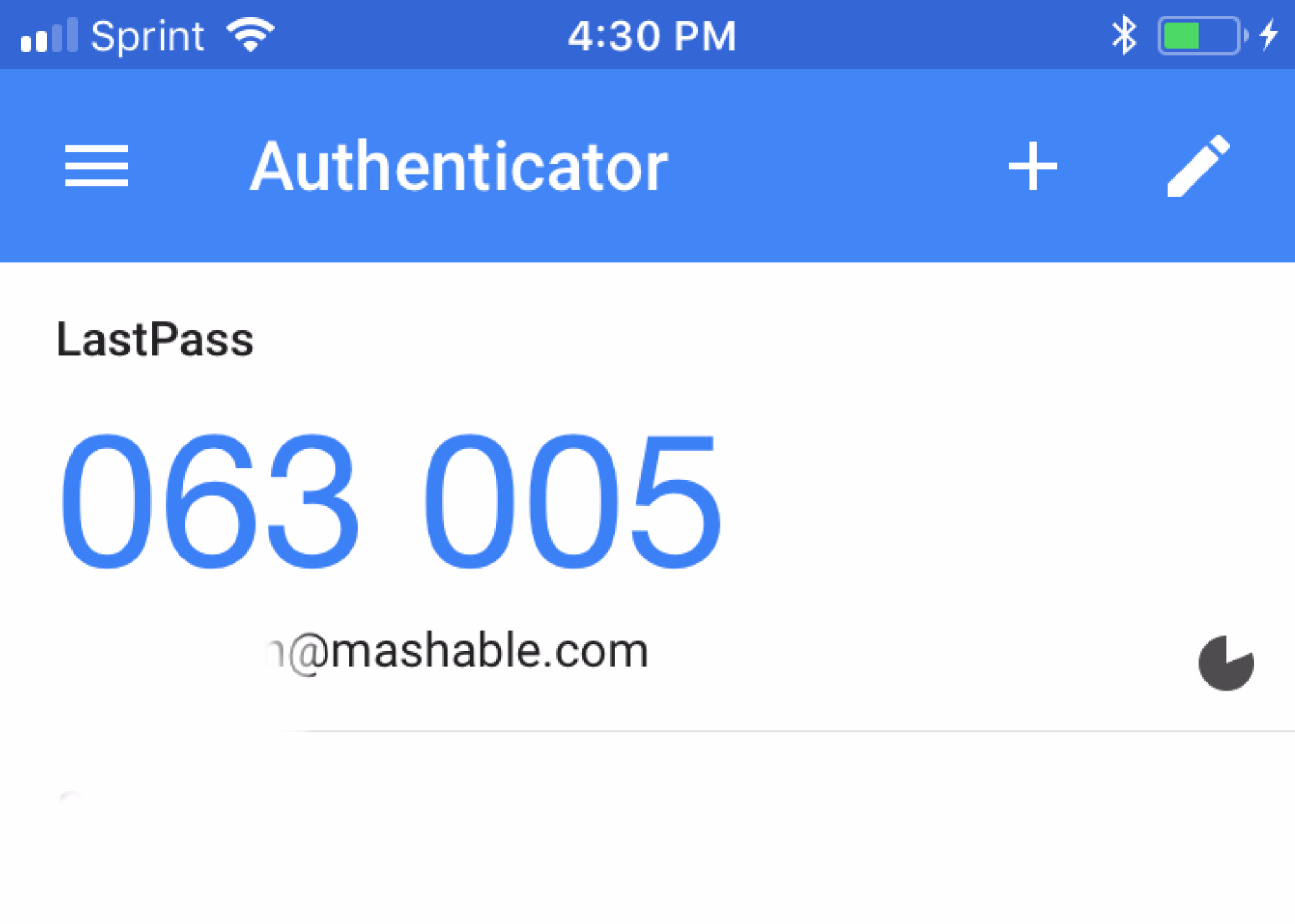
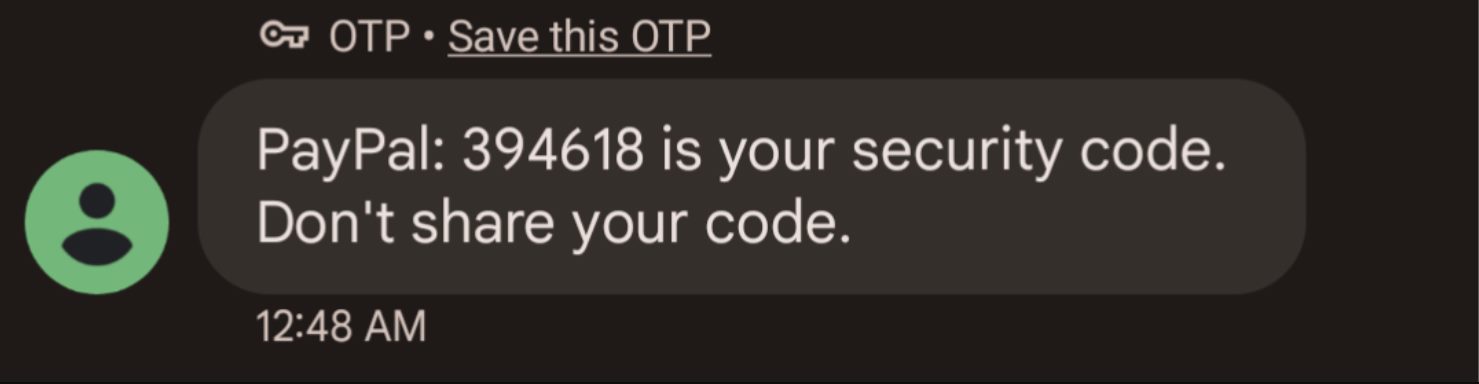
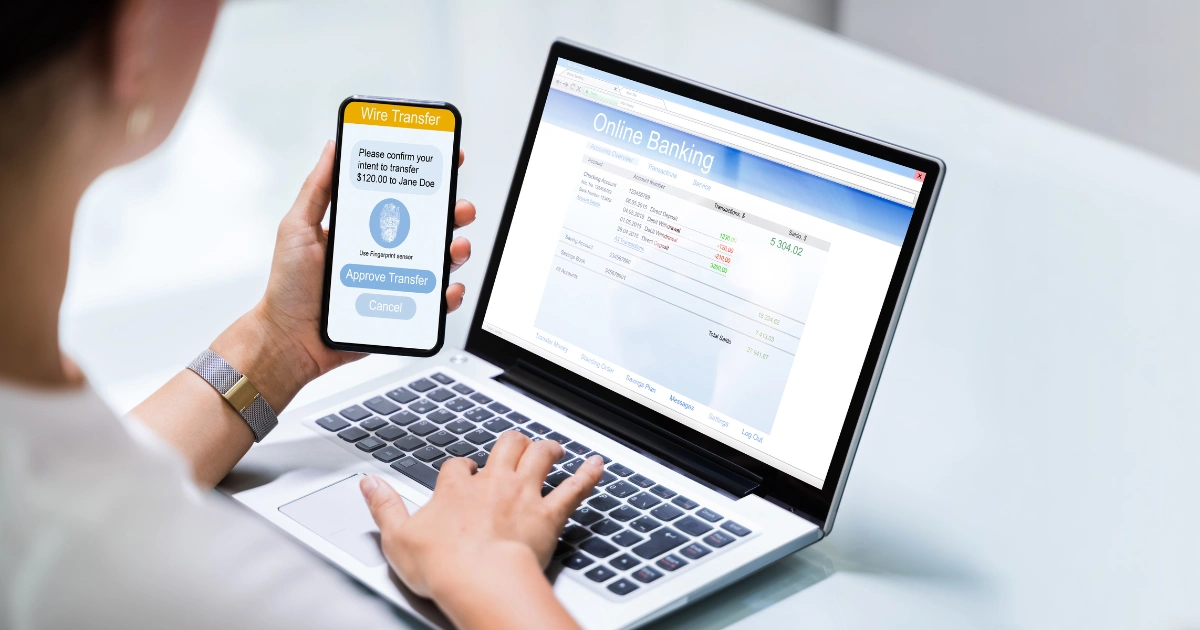
Even the strongest password can be stolen. That is why multi-factor authentication (MFA) or two-factor authentication (2FA) is essential. This security feature requires you to verify a login attempt using a secondary device, such as a code sent via phone, text, or email. Enabling MFA on all accounts that allow it means a hacker needs both your password and access to your second device to get in. For the best protection, use an authenticator app or biometric methods like fingerprint or facial recognition instead of text or email confirmations, as these are more secure against interception.
Secure your network connections and avoid public Wi-Fi
Public Wi-Fi networks may be unsecure and vulnerable to hackers. When you connect to a coffee shop or airport network, attackers on the same network can intercept your banking data. Avoid using public Wi-Fi networks for online banking or sensitive transactions. If you must bank on the go, use your mobile data connection instead. When a secure alternative isn't available, consider using a Virtual Private Network (VPN) for added protection. A VPN encrypts your internet traffic, making it much harder for anyone to spy on your online banking activity.
Keep your devices, software, and apps updated
Updates often fix security gaps and protect against malicious software. Cybercriminals constantly look for vulnerabilities in outdated operating systems and apps. Keep your mobile device's software, banking apps, antivirus, and anti-malware software up-to-date to close those holes. Enable automatic updates whenever possible so you don't have to remember to check. Only download mobile banking apps from reputable sources like official app stores to avoid fake apps designed to steal your login credentials.
Lock your mobile device with a passcode or biometric scan
Your phone holds the keys to your bank account. If it is lost or stolen, an unlocked device gives a thief direct access to your banking apps and saved passwords. Configure your mobile device to require a passcode, PIN, fingerprint, or face ID to gain access. This simple step prevents unauthorized access to your financial information even if your phone falls into the wrong hands.
Recognize and avoid phishing attempts
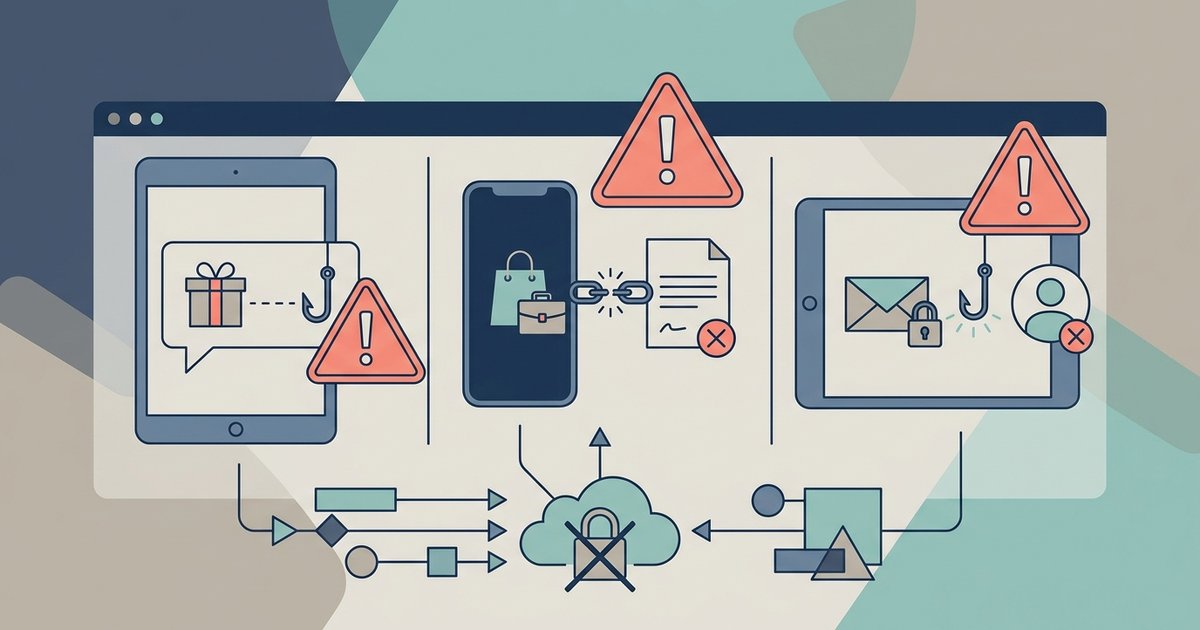
Phishing is one of the most common ways criminals steal banking credentials. These deceptive emails and texts look like they come from your bank but are designed to trick you into revealing your login details. Never click on links or download attachments from unexpected messages that claim to be from your financial institution. Legitimate banks will never ask for your password or personal information through email or text. If you receive a suspicious message, contact your bank directly using a phone number you know is real.
Monitor your accounts and set up activity alerts
Early detection of fraud can stop a small problem from becoming a financial disaster. Monitor your accounts regularly for suspicious activity. Set up account alerts for transactions, logins, balance changes, and transfers to detect unauthorized activity early. When you receive an alert about a transaction you didn't make, report it to your bank immediately so they can freeze your account and investigate.
Use a reliable antivirus program for malware protection
Malware can record your keystrokes, capture your passwords, and send your banking details to criminals without you knowing. A reliable antivirus program detects and prevents these threats before they can compromise your financial data. Keep your antivirus software updated with the latest virus definitions so it can recognize new malware strains. Real-time protection features block malicious websites and alert you to suspicious downloads, adding a critical layer of defense to your online banking routine.
Protect your personal information and always log out
Your personal details are valuable to identity thieves. Be cautious about sharing sensitive data like your social security number or full birth date unless absolutely necessary. When you finish a banking session, always sign out or log off of password-protected websites and banking apps. This is especially important on shared or public computers, where the next user could access your account if you remain logged in. Even on your personal devices, logging out prevents unauthorized access if someone picks up your phone or sits at your computer.
When you use mobile banking, treat your phone with the same caution you would a physical wallet. Keep the banking app locked behind your device's passcode or biometric scan, and never save your login credentials in the browser. Following these practical steps will help you protect your online banking from hackers, phishing scams, and fraud every time you manage your money digitally.