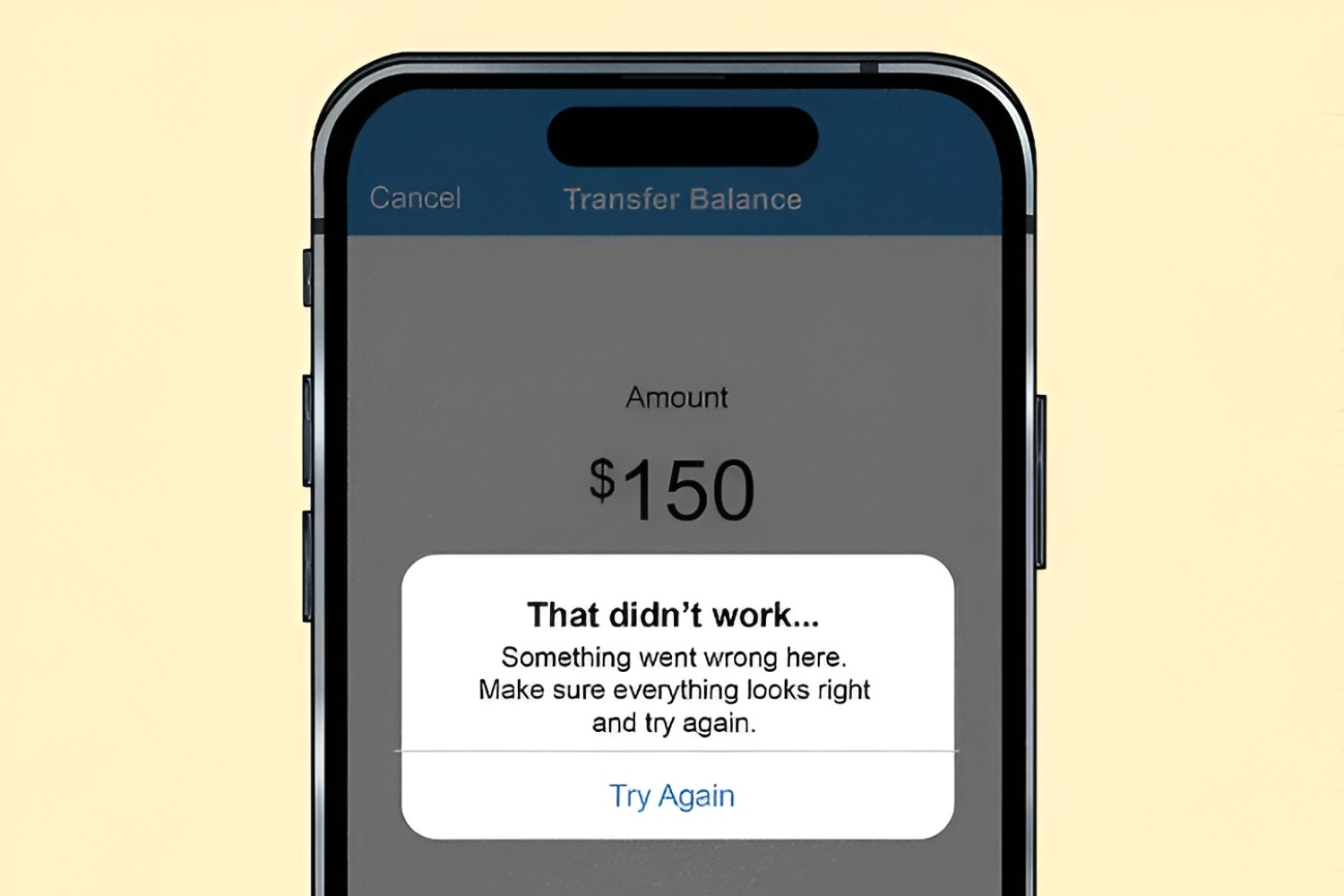
You might be asking "why wont Venmo let me pay someone" because you've hit a payment limit or need to verify your identity. If Venmo won't let you pay someone, the most common reasons are hitting your payment limit, having insufficient funds in your balance or linked account, or needing to complete identity verification. If your linked payment method is declining, you can pay someone with my Venmo balance to avoid bank or card issues entirely. If the recipient is harassing you, you can block someone on Venmo to stop their payments and messages. Start by checking the error message on screen, confirming your internet connection is stable, restarting the Venmo app or your device, and ensuring the app is updated to version 7.38.2 or newer, these fastest fixes resolve most temporary declines.
Why won't Venmo let me pay someone: immediate triage checklist
When a payment fails, begin with these quick checks before diving deeper. First, read the exact error message Venmo displays, it often points directly to the problem, such as a limit reached or a funding issue. Second, verify your internet connection is working; a weak or unstable signal can interrupt the payment process. Third, restart the Venmo app completely, or restart your device if the app remains unresponsive. Fourth, confirm your Venmo app is updated to version 7.38.2 or newer, and that your device supports Apple iOS 17 or Android Lollipop (API 26) or higher. These steps clear most temporary glitches and connectivity hiccups.
You've hit your Venmo payment limit
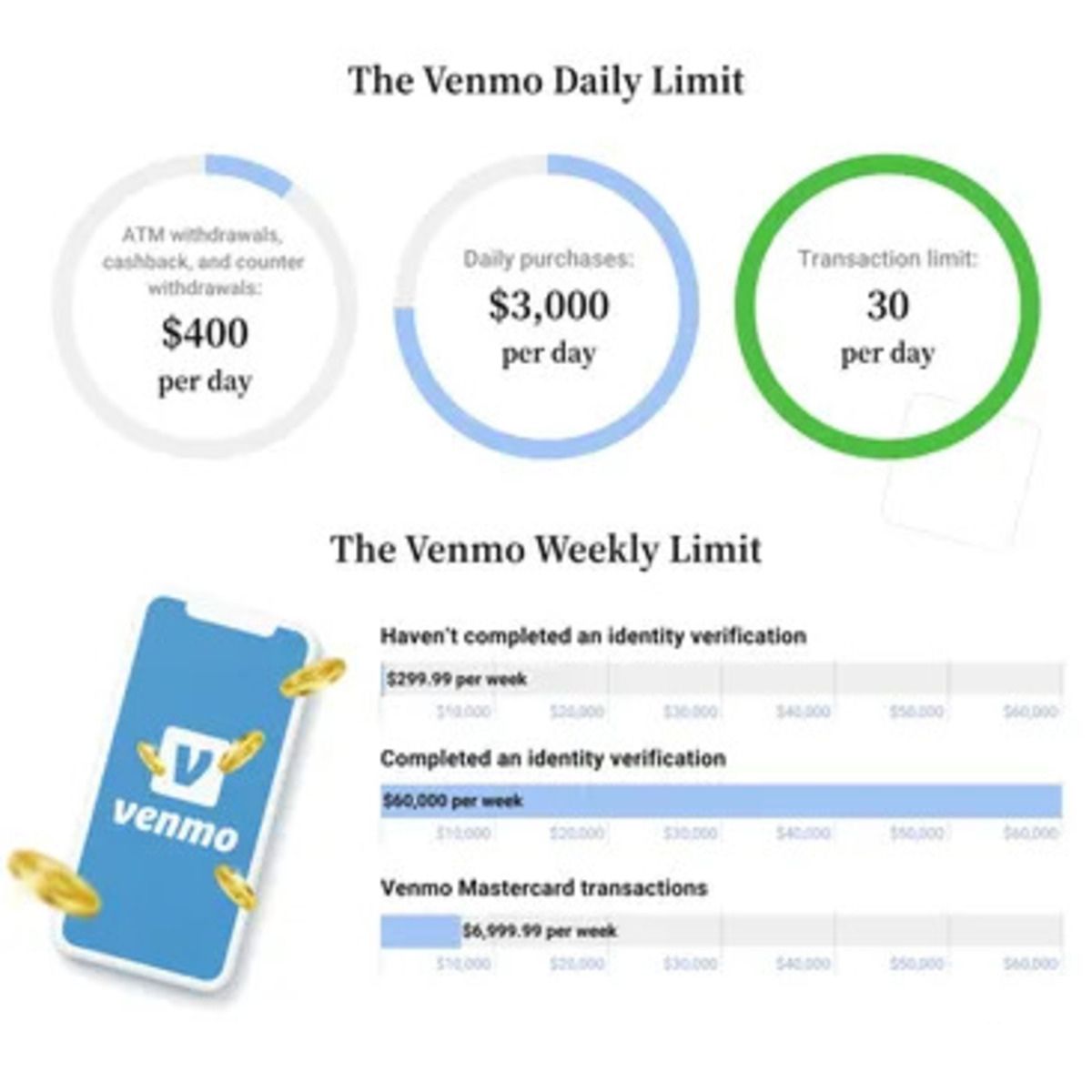
Venmo imposes rolling weekly limits on how much you can send. For unverified personal accounts, the weekly spending limit for person-to-person payments and payments to authorized merchants is $299.99. After completing identity verification, you can send up to $60,000 per week. These are rolling weekly limits, meaning they reset based on a moving seven-day window rather than a fixed calendar date. To check your current limits, go to Settings within the Venmo app and look for payment limit information. If you've hit the cap, you can either wait for the rolling period to free up available funds or complete identity verification to raise your limit.
Your Venmo balance or linked funding source has insufficient funds
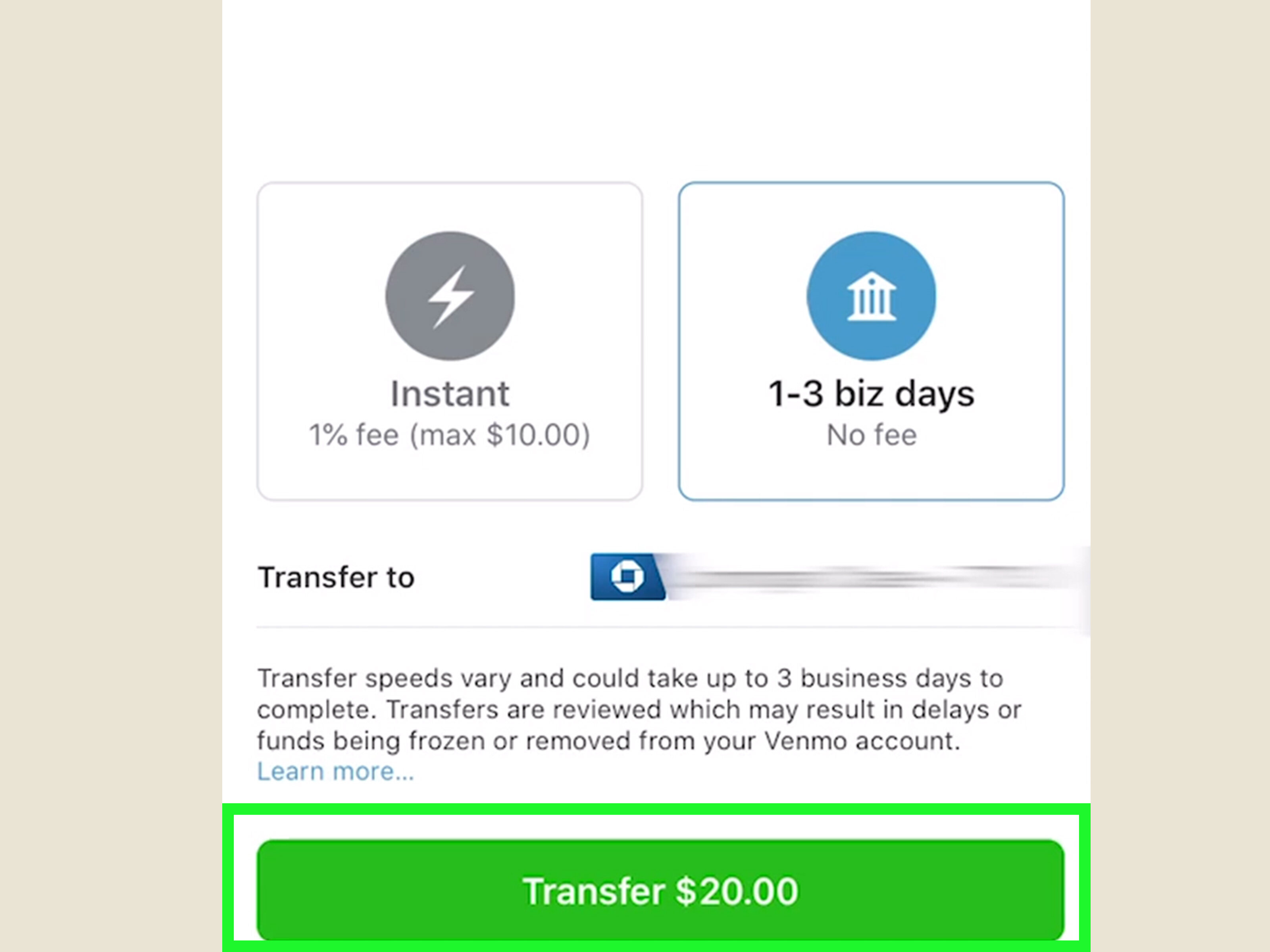
Payments can be declined due to insufficient funds in your Venmo balance or linked bank account. To check your Venmo balance, open the app and look at the home screen. If your balance is low, you can add funds from a linked bank account through Settings > Payment Methods, or receive money from others to increase it. When making a payment, ensure the correct payment method is selected if you have multiple cards or accounts linked, Venmo will attempt to use your balance first, then your primary funding source. If that source lacks funds, the transaction fails.
Your identity verification is incomplete or pending
Venmo requires identity verification to increase payment limits and maintain security. To verify, you need to submit your full legal name, date of birth, and Social Security number through the app by going to Settings > Verify Identity. If verification is stuck or denied, double-check that the information matches your official documents exactly. Incomplete or pending verification keeps your account at the $299.99 weekly limit and may block payments if that cap is reached. If you encounter errors during verification, contact Venmo support through the app for assistance.
Your bank account or card is being declined
Expired cards, mismatched billing details, bank security holds, and closed accounts can all cause Venmo to decline a payment. First, check that your linked payment methods are valid and up to date in Settings > Payment Methods. Update any expired cards or correct billing information that doesn't match what your financial institution has on file. If the card or bank appears correct, contact your financial institution directly to authorize Venmo transactions, banks sometimes place security holds on what they see as unusual activity. Also confirm the account is open and in good standing.
Your account doesn't meet Venmo's requirements
Venmo requires you to be physically located in the United States and have a U.S.-based cell phone number that is not already on file with another Venmo account. You must be at least 18 years old (or the age of majority in your state) to have a standard Venmo account; Venmo Teen Accounts are available for 13-17 year olds with parental permission. If you're using a phone number already linked to another account, you'll need to resolve that conflict, perhaps by logging into the existing account or using a different number. What Is Venmo Handle? Your Venmo handle is your unique username that others can search to find and pay you, separate from your phone number or email.
Venmo flagged your payment as suspicious
Unusual spending patterns or multiple failed payment attempts can trigger Venmo's security systems, temporarily freezing your ability to send money. Venmo does this to protect your account from unauthorized transactions. If flagged, you may receive a notification or email with instructions to verify your identity. To restore payment access, go to Settings > Verify Identity and follow the prompts to confirm you are the legitimate account holder. Once verified, the freeze is typically lifted. To prevent future blocks, avoid repeated failed attempts and maintain consistent, typical usage patterns.
Still stuck? Contact Venmo support
If you've tried all troubleshooting steps and payments still fail, reach out to Venmo customer support through the app by going to Me > Settings > Get Help > Chat With Us. For persistent technical glitches that don't resolve with app updates or restarts, support can escalate the issue to their technical team for investigation. Chat support is the most direct way to get personalized help for your specific situation.