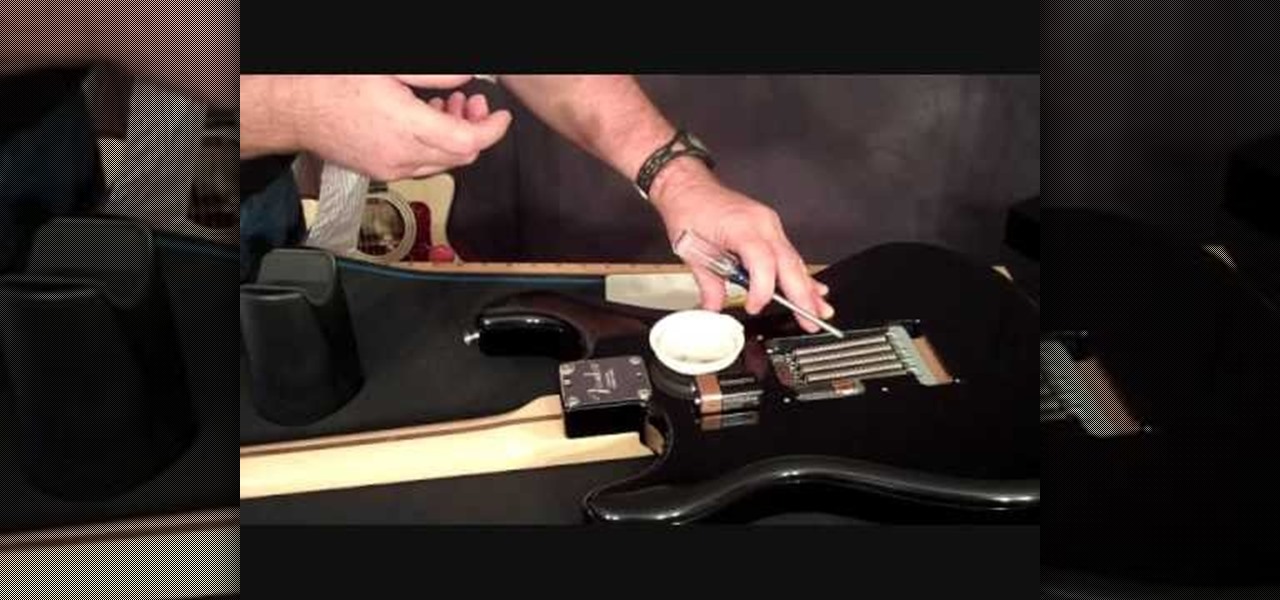
How to change battery in fender acoustic guitar
Most Fender acoustic-electric guitars rely on a 9V battery to power the onboard preamp, and you can change battery in fender acoustic guitar yourself in a few minutes with no special tools. The steps below work for the vast majority of models, but Fender publishes one encompassing owner's manual for its acoustic instrument line rather than separate manuals for every specific model, so check that document if your guitar's compartment looks unusual.
Check your battery type and find the compartment
Before doing anything, confirm the guitar uses a standard 9-volt battery. Look for a label or sticker inside the soundhole or on the body, it usually states the required voltage. If you don't see one, consult the original manual or Fender's support site, which lists Acoustic Instrument & Preamp Owner's Manuals that may contain specific instructions for various preamp models. This verification takes ten seconds and prevents buying the wrong battery.
Once you know it's a 9V, find the battery compartment. On most Fender acoustics it sits on the side of the upper bout or on the back of the body, near the preamp controls. It's typically a small rectangular or circular door, sometimes with a visible latch and sometimes with a single screw. Run your hand along the body edge if you don't see it immediately, it's often recessed and easy to miss.
Remove the old battery
Start by powering off the preamp. If your guitar has a dedicated on/off switch, flip it off; if it doesn't, unplug any cable from the output jack, as plugging in often activates the preamp. This step is important because it prevents any chance of a short while you handle the battery.
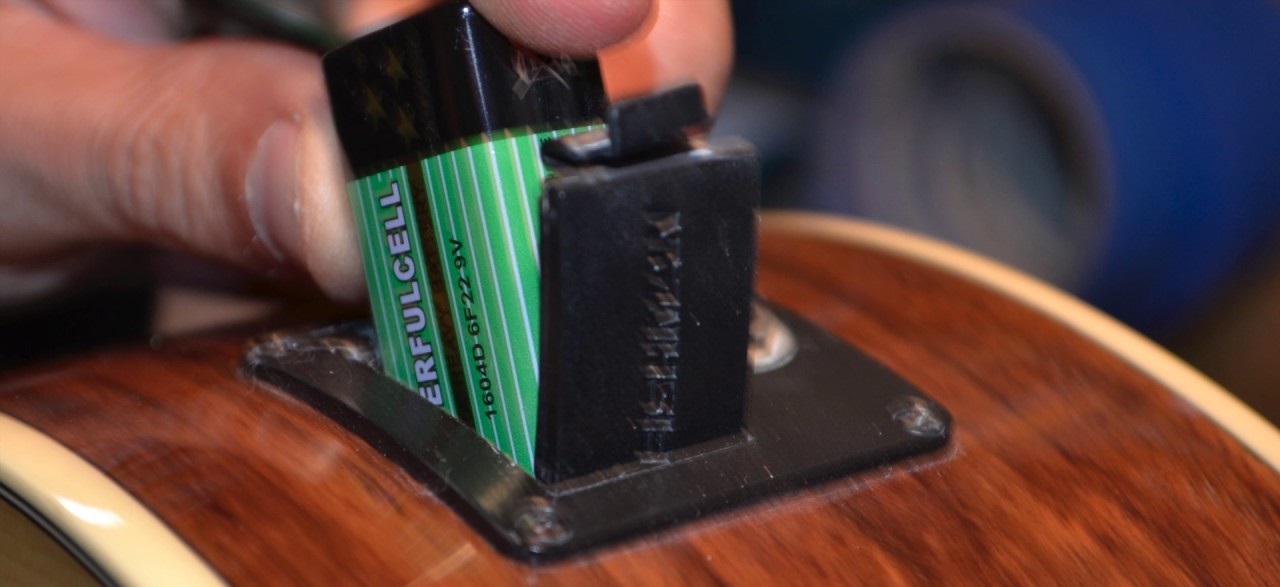
Open the compartment using a coin or a small flathead screwdriver. For a latch, press and slide it; for a screw, turn it counterclockwise just enough to release the door. Don't force anything, if the door resists, check for a second latch or screw you might have missed. Gently lift the door and set it aside, being careful not to pull on any wires that might be attached.
Now remove the old battery. It should lift out easily, but if it's snug, tilt the guitar slightly or use a non-metallic tool to nudge it free. Avoid touching the metal contacts on the battery or inside the compartment with your fingers, as oils from your skin can accelerate corrosion.
While the battery is out, inspect the contacts inside the compartment. Look for white or greenish crust, which indicates corrosion. If you see any, dip a cotton swab in rubbing alcohol and gently wipe the contacts until they're clean. Let them dry completely before inserting a new battery. This simple check can prevent intermittent sound issues that a fresh battery alone won't fix.
Insert and secure the new battery
Take your fresh 9V battery and look at the terminal markings. The smaller circular terminal is positive (+), and the larger hexagonal one is negative (−). Match these to the corresponding symbols inside the compartment, they're usually stamped or printed near the contacts.
Slide the battery into place, pressing the terminals against the contacts. You should feel a slight resistance as the battery seats. Do not force the battery if it doesn't align, flip it around and try again, because a reversed battery won't power the preamp and could damage it.
Close the compartment door, aligning it carefully so it sits flush with the guitar body. If it uses a screw, turn it clockwise until snug, but don't overtighten, stripping the screw or cracking the plastic door is a real risk. If it uses a latch, press it firmly until it clicks. Give the door a gentle tap to confirm it's fully sealed; a loose door can rattle during playing and let dust or moisture reach the electronics.
Test the preamp and dispose of the old battery
Turn the preamp back on, or plug a cable into the output jack if that's what activates it. Play each string individually and listen for clear, amplified sound. If you get nothing, check that the battery is fully seated and the door is closed properly, a poor connection is the most common cause of failure after a swap.
Adjust the volume, tone, and EQ controls one at a time. You should hear each control change the sound smoothly without crackling or cutting out. If any control seems dead or scratchy, the issue is likely the preamp itself rather than the battery, and you may need professional help.
Finally, dispose of the old battery responsibly. Many local recycling centers and electronics stores have designated drop-off points for used batteries, so don't throw it in the regular trash. Keeping a spare 9V in your gig bag means you'll never be caught silent mid-performance, and checking the battery level periodically, especially before shows, ensures your preamp keeps delivering clean, reliable tone every time you plug in.
\nRelated reading: How To Change Acoustic Electric Guitar Battery, What Are The Notes On The Acoustic Guitar?, and How To Set Up An Acoustic Guitar.