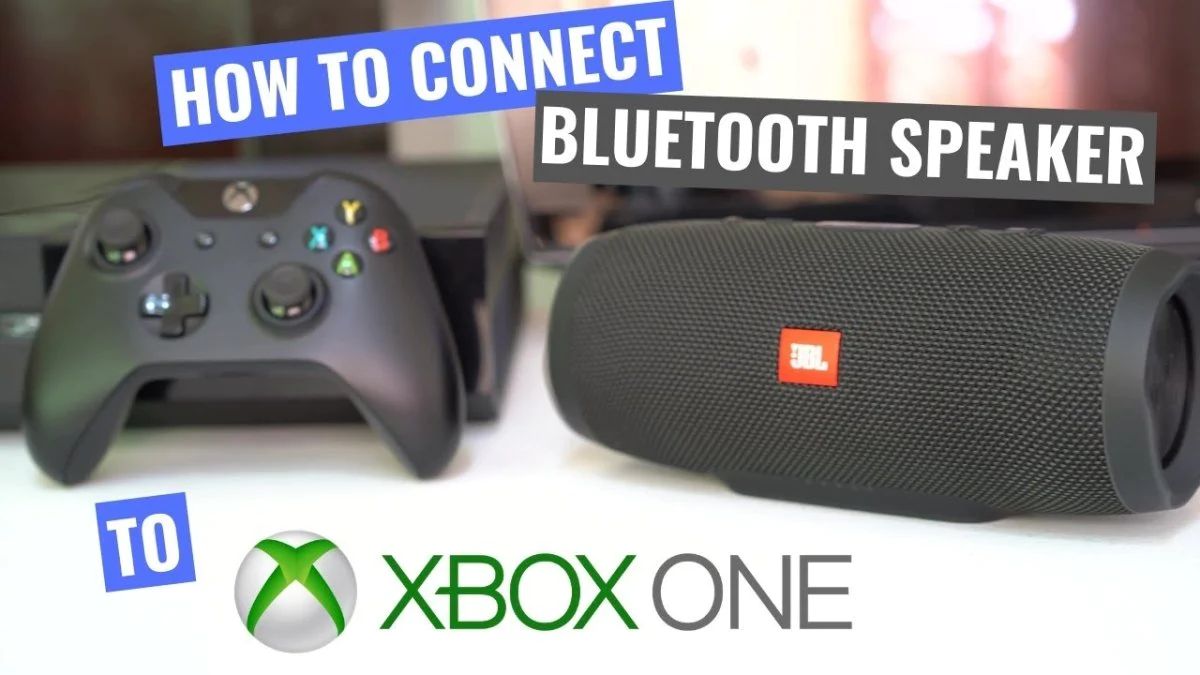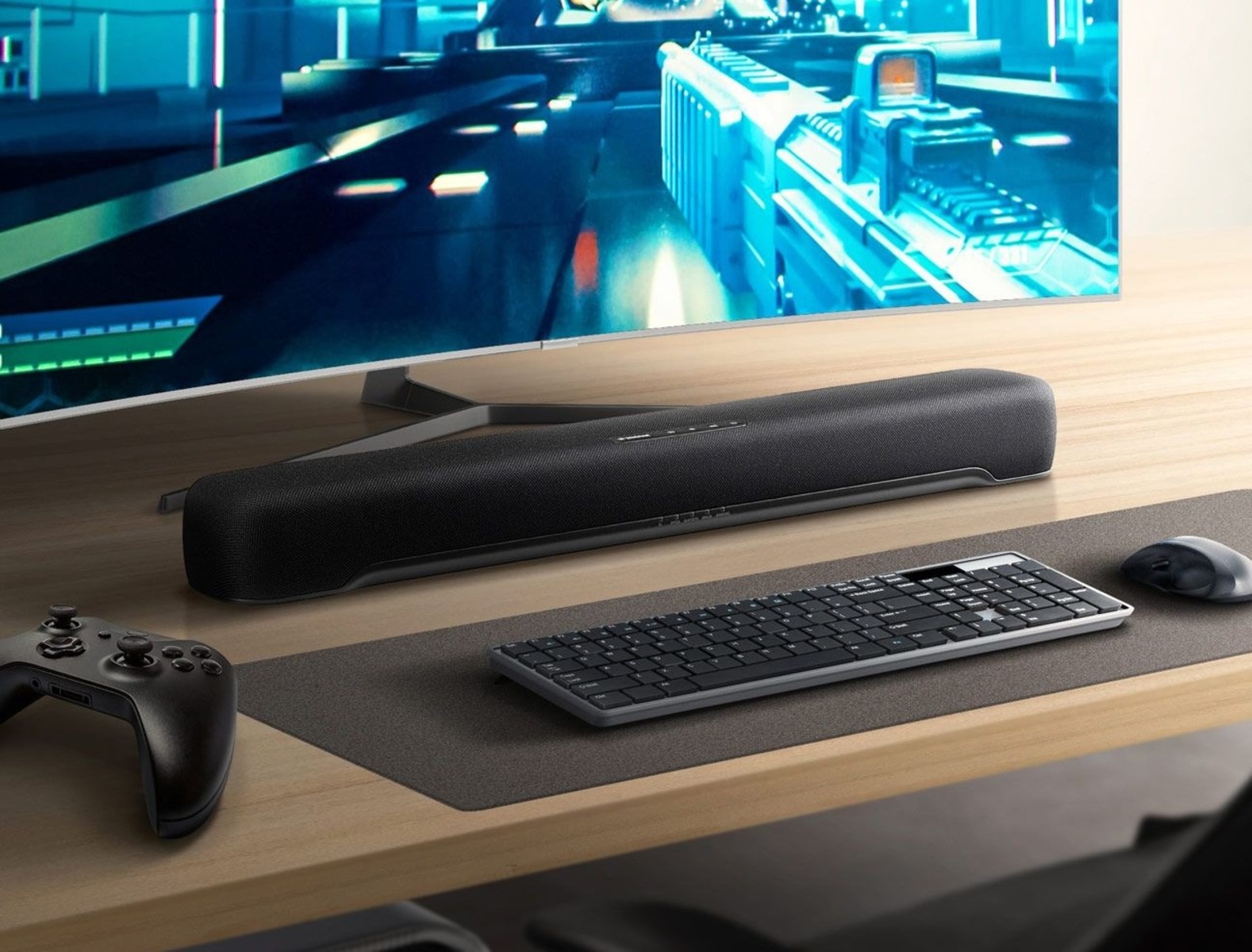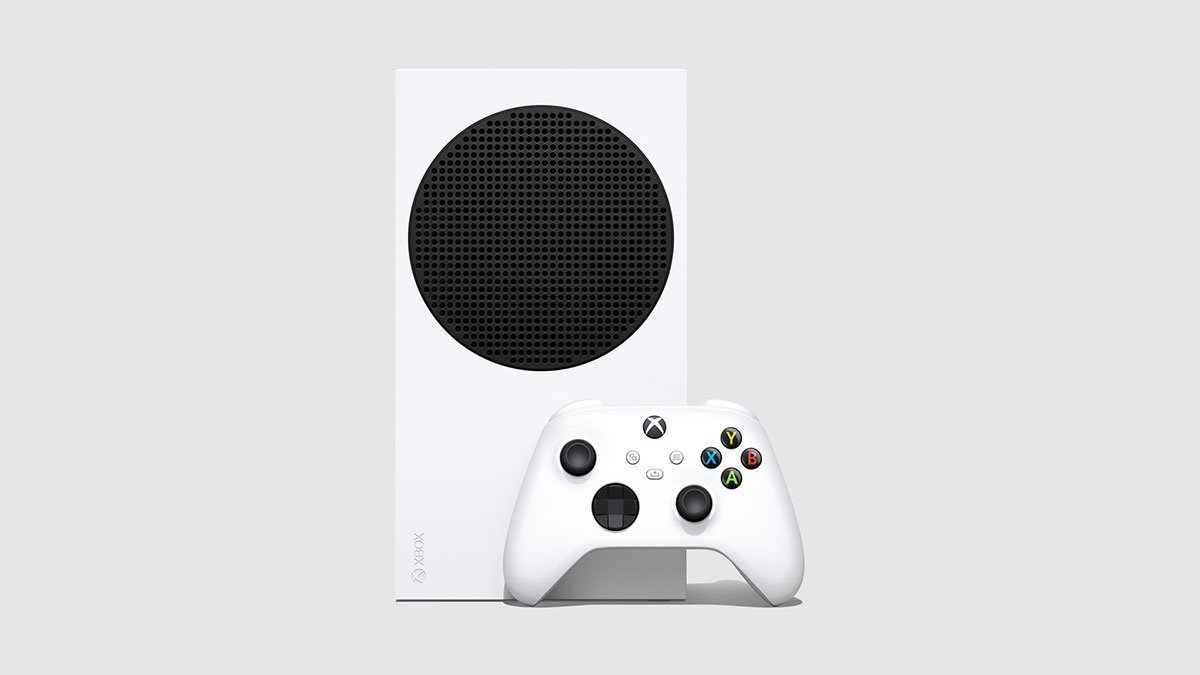
You cannot connect Xbox to soundbar via Bluetooth directly, because Xbox consoles do not support Bluetooth audio output. Instead, the accurate workaround is to connect your soundbar to your TV via Bluetooth, which lets the Xbox audio pass through the TV to the soundbar wirelessly.
The Truth About Connecting Your Xbox to a Soundbar Via Bluetooth
Xbox Series X, Xbox Series S, and Xbox One consoles all lack native Bluetooth audio support for soundbars or headphones. Microsoft designed the Xbox to use a proprietary "Xbox Wireless" protocol for accessories, which prioritizes ultra-low latency and stable bandwidth, something standard Bluetooth can't reliably deliver for gaming. Your Xbox controller does have Bluetooth, but that's only for connecting the controller to Windows PCs, tablets, iOS, and Android devices, not for sending console audio out. So if you searched for "connect Xbox to soundbar via Bluetooth" expecting a direct pairing, you won't find it in the console's settings, there is no Bluetooth menu for audio output on any Xbox model. This same restriction applies to wireless headsets, so you'll need a specific workaround to connect Logitech g733 to Xbox as well.
The good news: you can still get wireless soundbar audio from your Xbox by using your TV as the bridge. Most modern TVs include built-in Bluetooth, and if yours does, you can pair the soundbar to the TV. The Xbox sends audio to the TV via HDMI, and the TV forwards that audio to the soundbar over Bluetooth. This is the only true wireless method that works without extra hardware, and it's the approach we'll walk through below.
Check Your Soundbar and TV for Bluetooth Compatibility
Before attempting any connection, verify that both your soundbar and your TV support Bluetooth. For the soundbar, look for a Bluetooth logo on the device itself, check the user manual, or search the manufacturer's website for its specifications. For the TV, check the settings menu for a Bluetooth or "Sound Output" section, if you see options for Bluetooth devices or wireless speakers, your TV has it. If either device lacks Bluetooth, the TV bridge method won't work, and you'll need to use a wired connection or a transmitter adapter instead (both covered later).
Also note that even if your soundbar has Bluetooth, it must be able to act as a Bluetooth receiver, meaning it can accept an incoming audio stream from another device like a TV. Most soundbars with Bluetooth do this, but check the manual if you're unsure. The Xbox itself is never part of this Bluetooth pairing, so don't look for it in the TV's device list.
The Best Workaround: Connect Your Soundbar to Your TV via Bluetooth
This is the verified method for getting Xbox audio to your soundbar wirelessly. Follow these steps in order:
- Turn on your TV and your soundbar, and make sure the soundbar is set to its Bluetooth input mode, usually done with a dedicated Bluetooth button on the soundbar or its remote, or via the soundbar's source selection menu.
- On your TV, open the settings menu and navigate to the Bluetooth or "Sound Output" section. The exact path varies by TV brand, but you're looking for something like "Bluetooth devices," "Wireless speakers," or "Add device."
- Put the soundbar into pairing mode. This typically involves pressing and holding the Bluetooth button on the soundbar until an indicator light flashes or a voice prompt says "pairing mode."
- On your TV, select "Add device" or "Pair new device" and wait for the TV to scan for nearby Bluetooth devices. Your soundbar should appear in the list, select it.
- Confirm the pairing on both devices if prompted. Some TVs and soundbars will ask for a passkey, but most use a simple "OK" or "Pair" confirmation.
- Once paired, the TV will route all audio to the soundbar. Now turn on your Xbox, it's connected to the TV via HDMI, so the console's audio automatically flows through the TV to the soundbar.
This method works because the Xbox sends audio to the TV over the HDMI cable, and the TV acts as a wireless audio source for the soundbar. You don't need to change any Xbox audio settings for this to work, though you may want to set the TV's audio output to "External speakers" or "Bluetooth" if it doesn't do so automatically.
Alternative: Wired Connections for Zero-Lag Audio
While the TV Bluetooth workaround is wireless, it can introduce slight audio delay, often noticeable in fast-paced games. For zero-lag audio, a wired connection is superior. The two best options are HDMI ARC/eARC and optical cable. If your soundbar and TV both have HDMI ARC (or eARC) ports, connect them with an HDMI cable. This carries high-quality audio both ways, supports surround sound formats, and lets you control volume with one remote. If your TV lacks ARC, use an optical cable, plug one end into the TV's optical out and the other into the soundbar's optical in. Both methods send Xbox audio through the TV to the soundbar with no wireless latency, and they're more reliable than Bluetooth for gaming.
This routes audio straight to the soundbar before the TV, which is ideal for soundbars with built-in HDMI switching. However, this only works if your soundbar has HDMI inputs, many budget models don't.
Using a Bluetooth Transmitter Adapter with Your Xbox
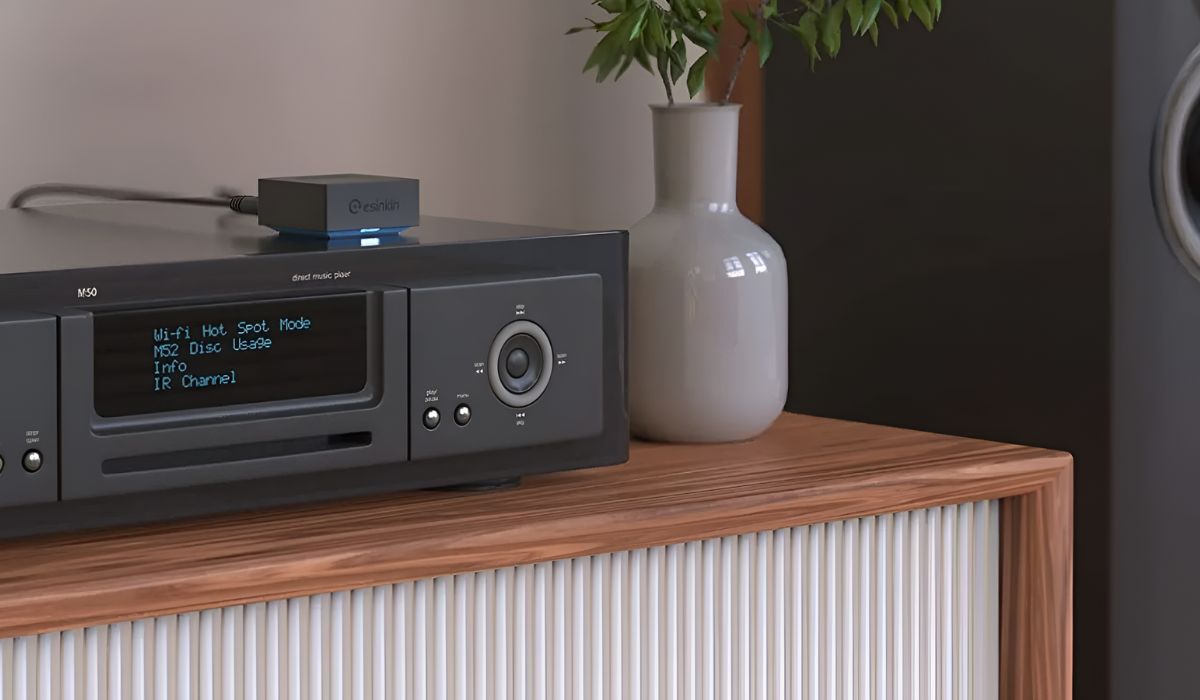
If your TV lacks Bluetooth and you don't want to run wires, a third-party Bluetooth transmitter adapter is your only other wireless option. It's a viable workaround, but it adds cost and requires the adapter to support the right Bluetooth profile for your soundbar. For full setup instructions, including how to pair the adapter and troubleshoot common issues, see how to connect Bluetooth speaker to Xbox, since the adapter-based approach is identical for a soundbar. The process is identical for a soundbar since both are Bluetooth audio receivers.
Test Your Connection and Optimize Soundbar Settings for Gaming
Once you've established any connection, whether through TV Bluetooth, HDMI ARC, optical, or an adapter, test it by playing a game or watching a video on your Xbox. Listen for clear audio without buzzing, distortion, or sync issues. If you hear a delay, switch to a wired connection if possible, or check your TV's audio settings for a "lip sync" or "audio delay" adjustment. Make sure the soundbar is selected as the active audio output on your TV (for TV-based connections) or on the Xbox itself (for direct connections).
After confirming the connection, optimize your soundbar for gaming. Adjust the bass and treble to your preference, and consider enabling virtual surround sound if your soundbar supports it. Placement matters too: position the soundbar directly in front of you at ear level, ideally centered under the TV, for the best audio imaging. If your soundbar includes a subwoofer or rear speakers, place them according to the manufacturer's guidance to get the full surround effect.
Finally, remember that your Xbox's own audio settings can be fine-tuned. On the console, go to Settings, then General, then Volume & audio output. Select the correct audio format for your connection, for HDMI or optical, choose "Bitstream out" or "Stereo uncompressed" depending on your soundbar's capabilities. If you're using a headset connected to the controller, that's a separate audio path entirely, and it won't interfere with the soundbar. For more on that, the process for connecting a headset to a console is different from soundbar setup, but it's worth knowing if you want private audio while others listen to the soundbar.