Before you transfer money from crypto to bank account
To transfer money from crypto to bank account, first confirm your exchange supports withdrawals to your specific bank. Even after you sell your crypto, the fiat balance sits in your exchange wallet until you request a separate withdrawal. That step can fail due to mismatched account names, daily limits, or your bank's own policies. It is worth checking the typical fees for converting crypto to fiat and withdrawing to a bank, because those costs stack. A percentage on the trade plus a fixed withdrawal fee can eat into your total if you are moving a small amount. You also need to account for the tax implications of converting crypto to fiat before withdrawing, since the sale itself is a taxable event in most jurisdictions. This liability exists regardless of whether the money ever touches your bank account. Finally, research whether your bank blocks or delays transfers from crypto exchanges; some institutions flag incoming crypto funds as high-risk and may freeze your account or reject the deposit entirely, so check which banks block or delay transfers from crypto exchanges. A quick call to your bank can save you from a stuck transfer. The one sentence no other guide will give you is this: the sale triggers a tax event even if your bank rejects the deposit and the money never arrives.
Moving your money within the exchange
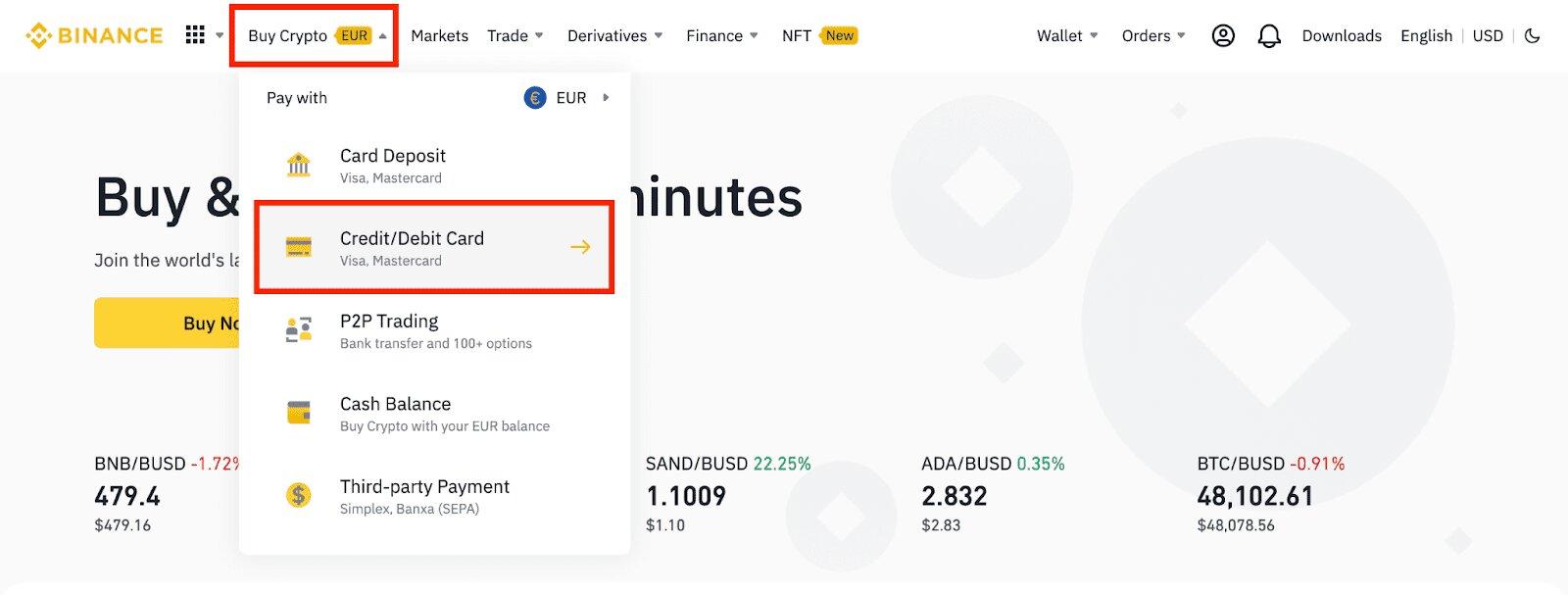
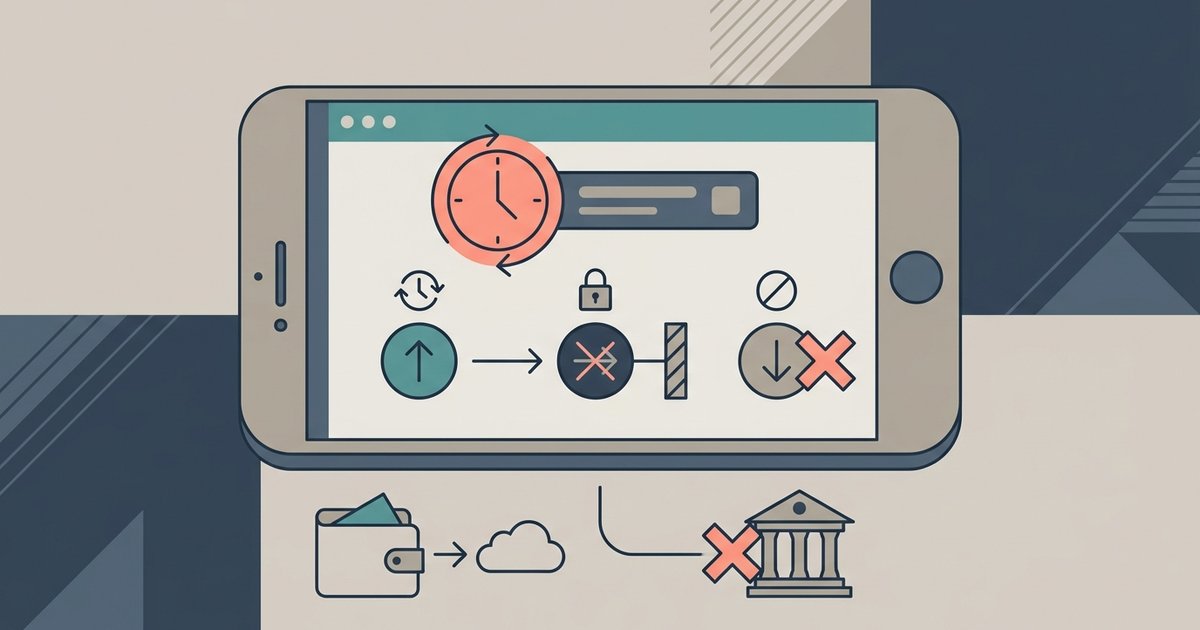
Once your crypto sale is complete, the funds land in your exchange's fiat balance, not in your bank account. You now need to transfer crypto to fiat wallet if you haven't already. The sale itself converts your holdings into a withdrawable currency like USD or EUR. Even after that succeeds, a separate withdrawal request is required to push the money to your linked bank. Many users get stuck here, staring at an error screen after a successful sale. When that happens, common culprits include a mismatch between your exchange account name and your bank account name. Daily withdrawal limits you haven't checked can also block the transfer. Some banks reject transfers from crypto platforms entirely. If you run into one of these snags, the underlying reasons are explained in detail by the research on crypto exchange withdrawal failures after fiat sales. That research breaks down why a sale can go through yet the withdrawal still bounces. Before retrying, double-check your bank's policy on crypto-related deposits. Confirm that your fiat wallet balance actually shows the full amount from the sale. Sometimes a partial fill leaves less available than you expect. Unlike other guides, we explain that a successful sale only moves your money into a custodial limbo, not your bank, which is why the withdrawal step fails independently of the trade.
Sending funds to your bank or investment account
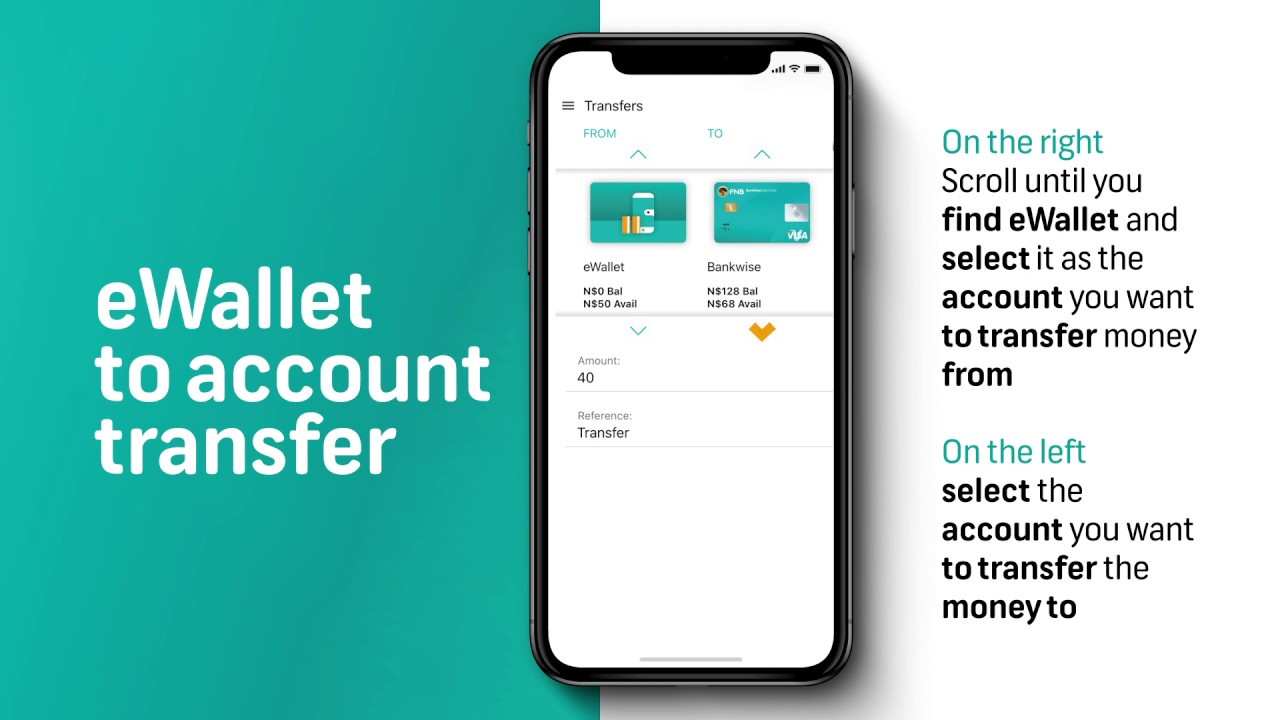
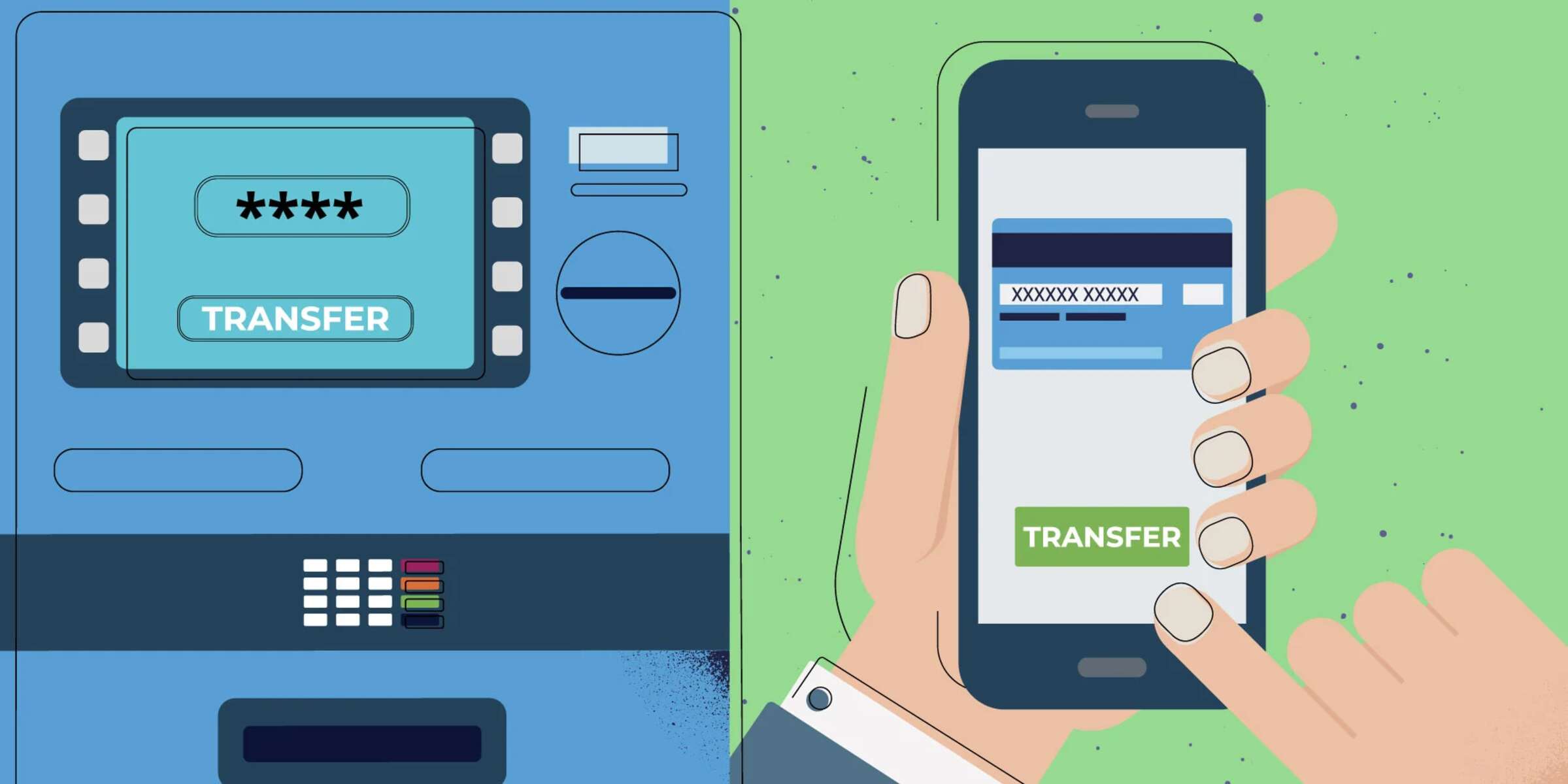
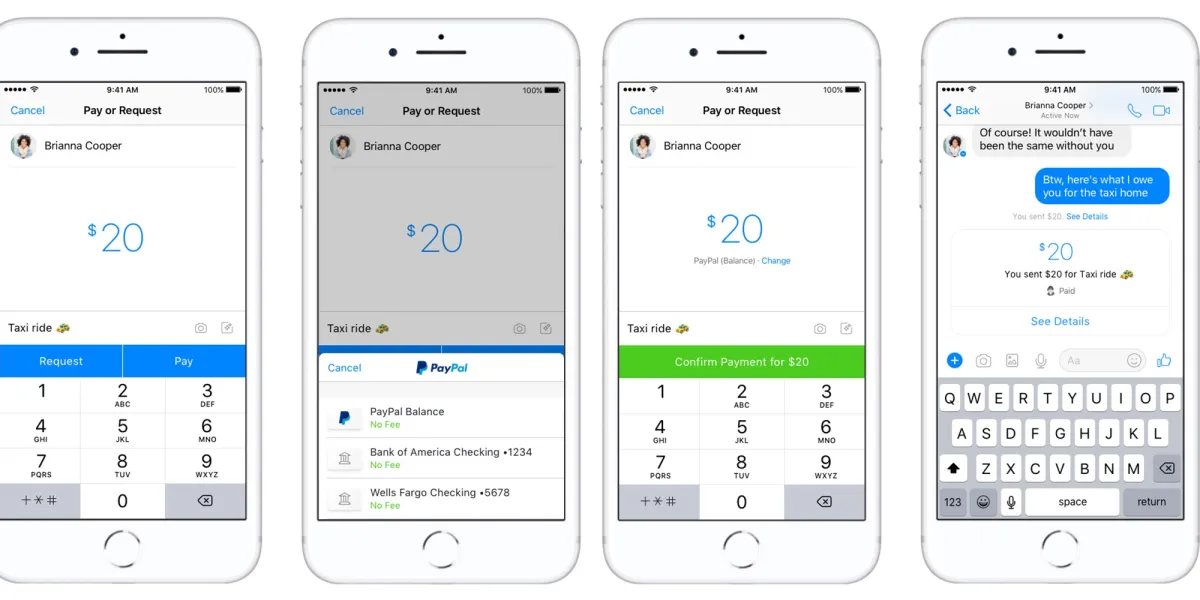
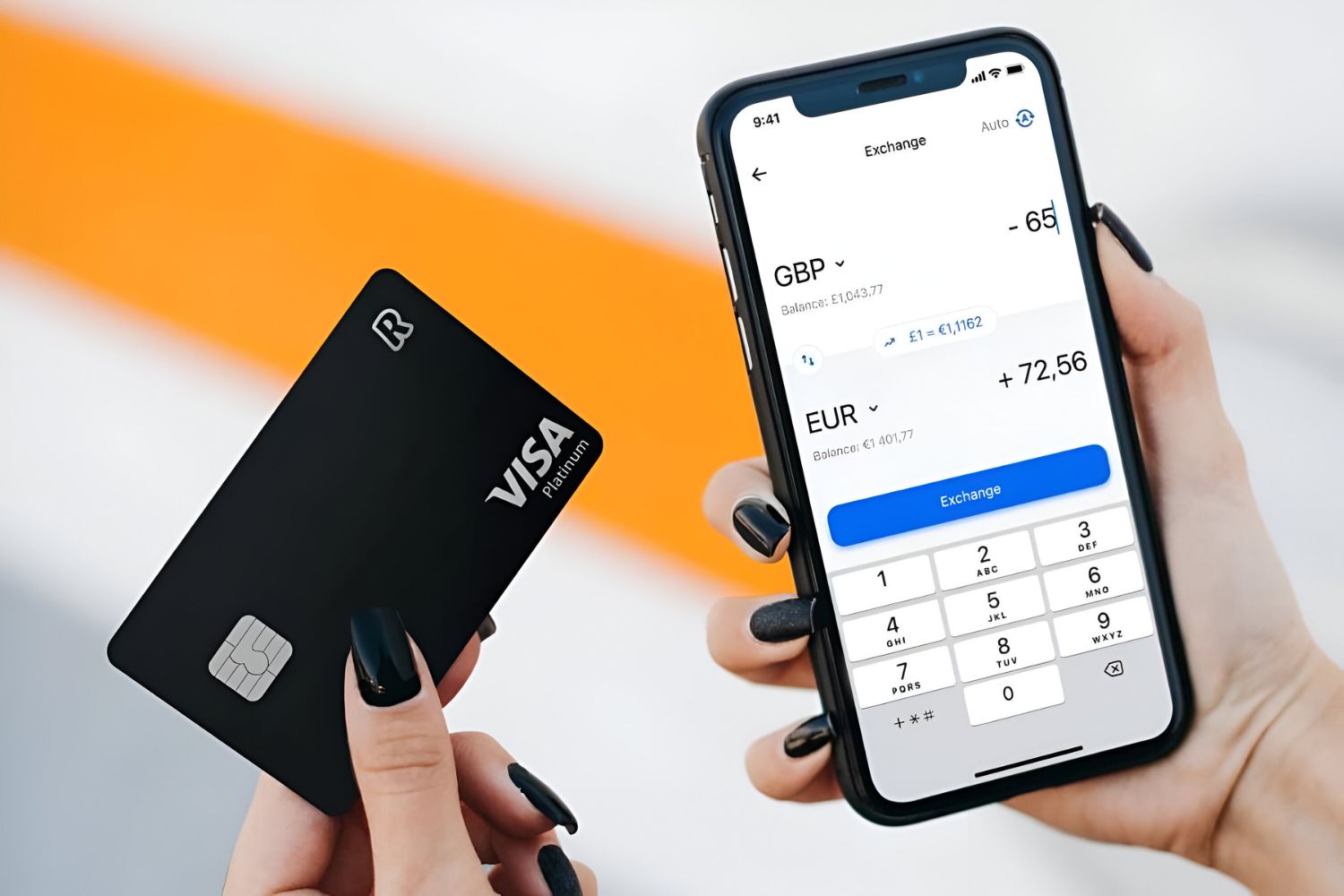
Once your sale settles, the fiat balance lands in your exchange’s cash wallet. It does not automatically flow onward. You must now navigate to the withdrawal or cash out section and select the option to transfer e-wallet to bank account, which typically asks for your bank’s routing and account numbers. If you hold funds at a brokerage rather than a traditional bank, you can instead request money transfer to vanguard account by entering that firm’s deposit instructions exactly as they appear on your account dashboard. A common pitfall: some exchanges let you flash a money transfer to a bank account in the interface, but the actual ACH or wire can be reversed if the beneficiary name on your bank profile does not match your exchange’s verified identity. Double-check that your bank accepts incoming transfers from the specific exchange. Some smaller institutions flag these deposits as high-risk and may freeze the funds until you call to confirm. Finally, note that wire transfers typically arrive within one business day, while ACH can take one to five business days. Plan accordingly if you need the money by a certain date. The one rule no other guide states plainly is that an exchange’s “completed” screen never means the money has left their custody, only that they have queued your instruction.