




Any introduction to robotics starts with the definition that a robot is a machine created to perform certain tasks that can be very complex depending on the specific robot application. The basic robotics is about creating autonomous apparatuses that replace humans in performing labor intensive duties and are able to work in hazardous conditions.
Robotics Engineering
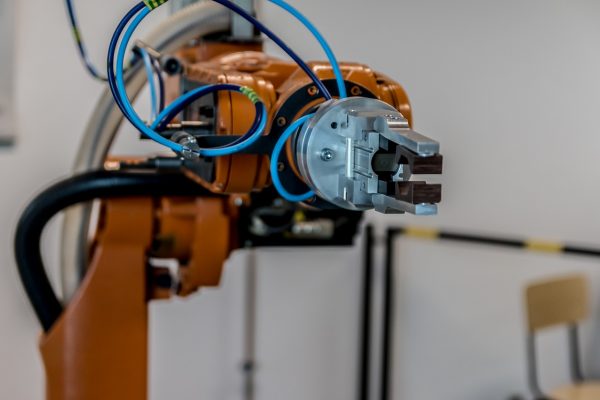
The types of robotic engineering include the design and creation of both automated robots and robots that are “smart”. By smart robots, we mean machines that can make decisions when performing a task.
There are multiple obvious benefits of using robots in many situations where the life of humans is at risk or where extreme force is required to perform a task. Computer robotics is able to program a machine to perform to perfection repetitive and boring operations, which also require precision that rarely a man can achieve.
Introduction To Robotics
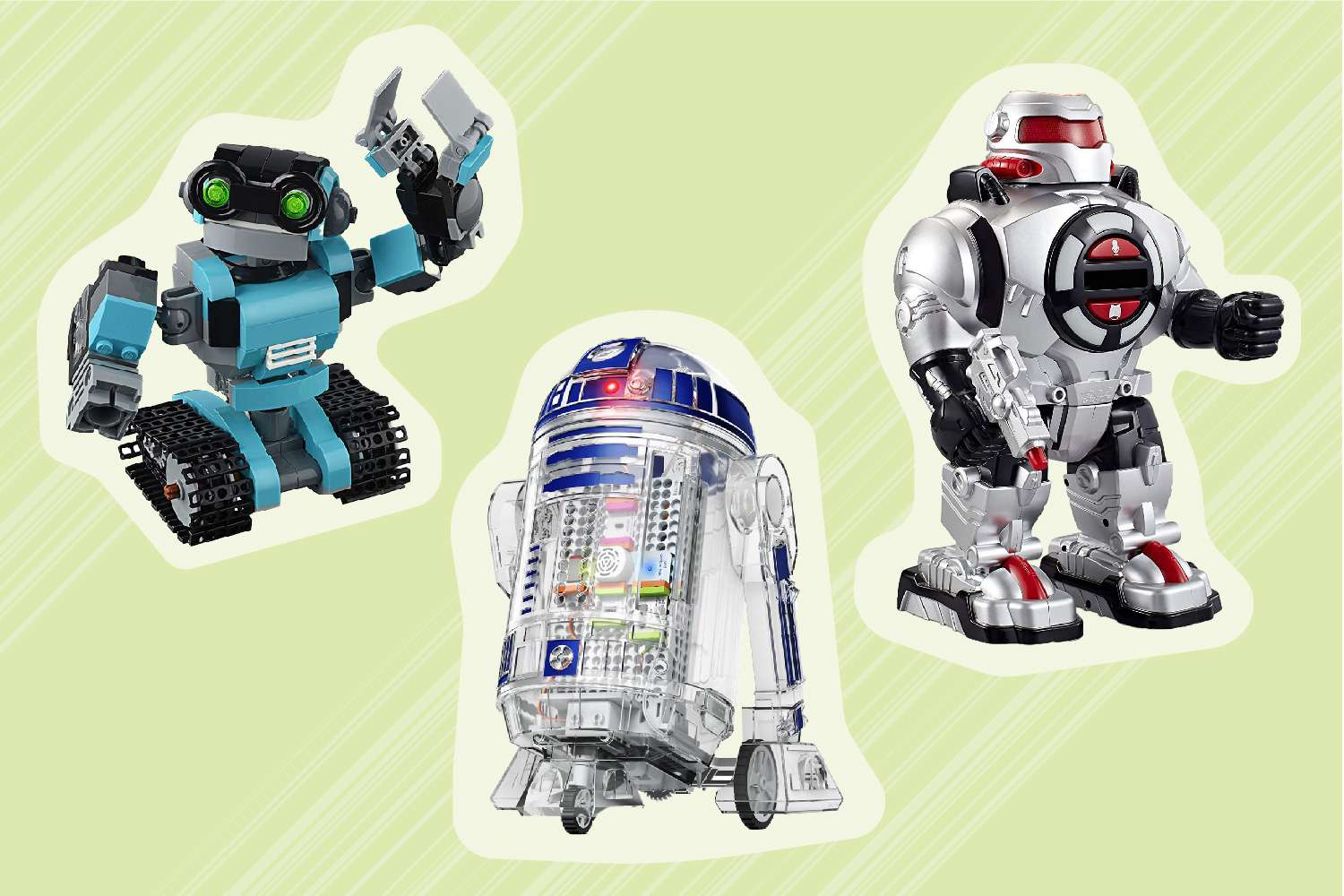
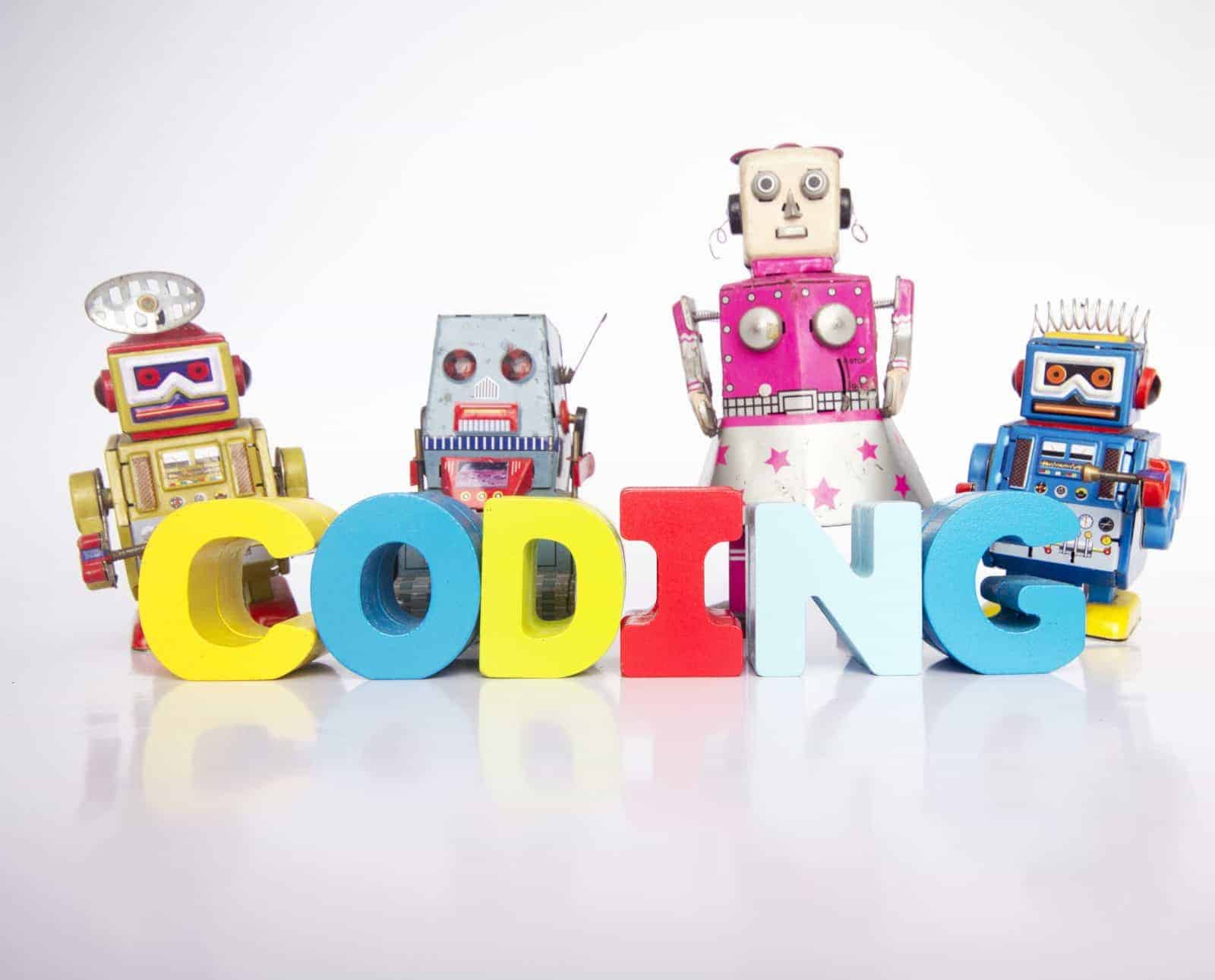
In contrast to popular belief, most of today’s robots are not movable although they have multiple movable parts. Almost any manufacturing conveyor is using robotic features and actually any conveyor is a huge robot itself. The concept for a humanlike robot is popular in science fiction but basic robotics tells us that a machine rarely needs to resemble the human body to be both operational and effective.
When you explore what is robotics used for, you will realize that most robots need to perform operations for which the human skeleton is not the best possible working solution.
How Robotics Programming Has Evolved Over The Years
In fact, each and every introduction to robotics worth reading tells you that basic robotics and basic robotics programming is all about borrowing ideas from the natural evolution and applying these ideas into the creation of intentionally designed machines. One noticeable exception to the rule is the use of wheels in many robots, an element that is invented by humans and not seen in any living organism as far as we know.
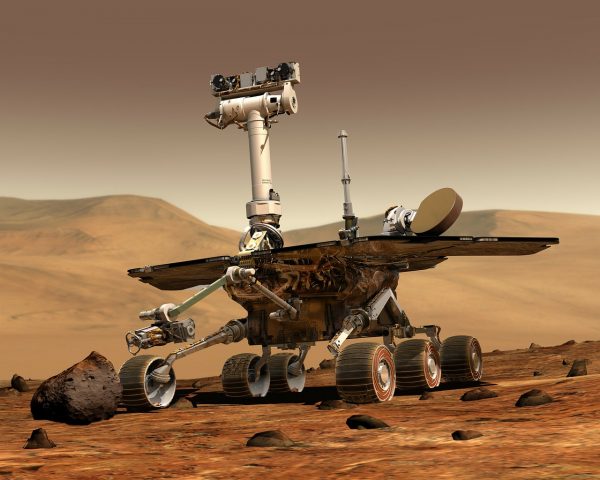
The use of wheels and tracks in robots is widespread as they provide better stability and movability as compared to legs. For example, all robots exploring other worlds such as the Moon or Mars are sporting a combination of wheels and tracks to move through the rough terrain. Not that you cannot use a legged robot on the Moon’s surface but wheels give you more power to carry heavy weights and maneuver around a shaft where no roads are available. So, here we come to the question of how and what we use robots for.
What Are Robots Used For?
People do not fully realize the full spectrum of robotics applications. Your programmable oven is actually a robot that maintains the right temperature and turns off when your meal is ready. Basic robotics programming allows for creating many such “smart” devices that are actually robots pre programmed to perform only a specific set of tasks but perform them well.
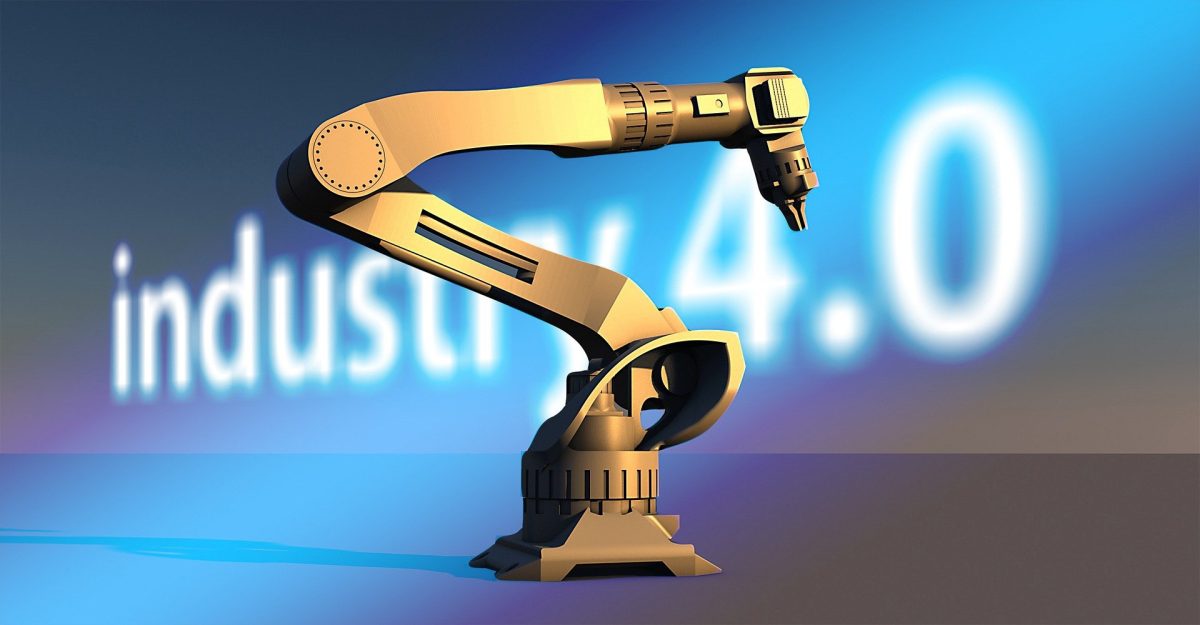
As we said, robots and robotics systems are in use in virtually any manufacturing industry. They enable mass production of goods we cannot otherwise produce by hand.
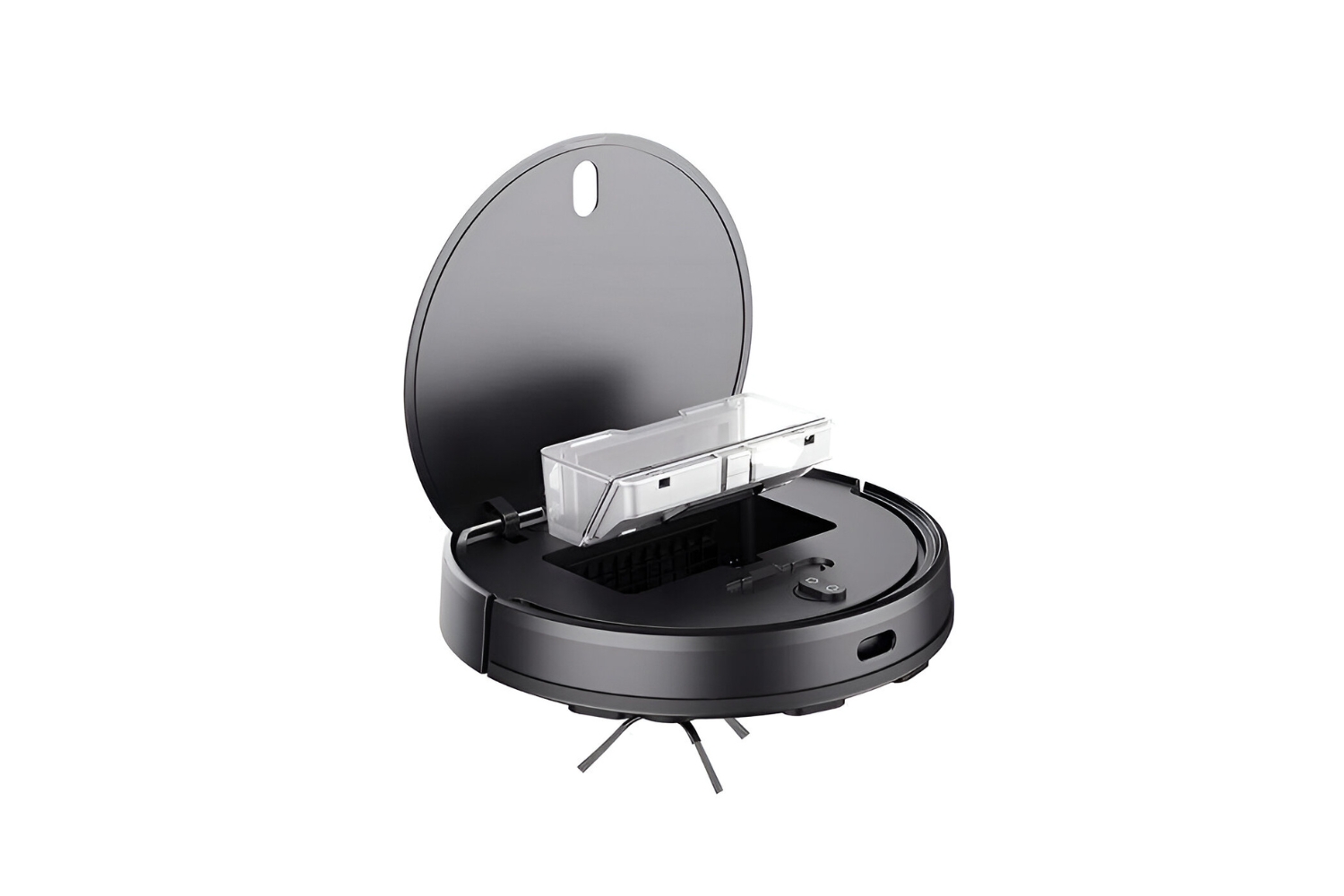
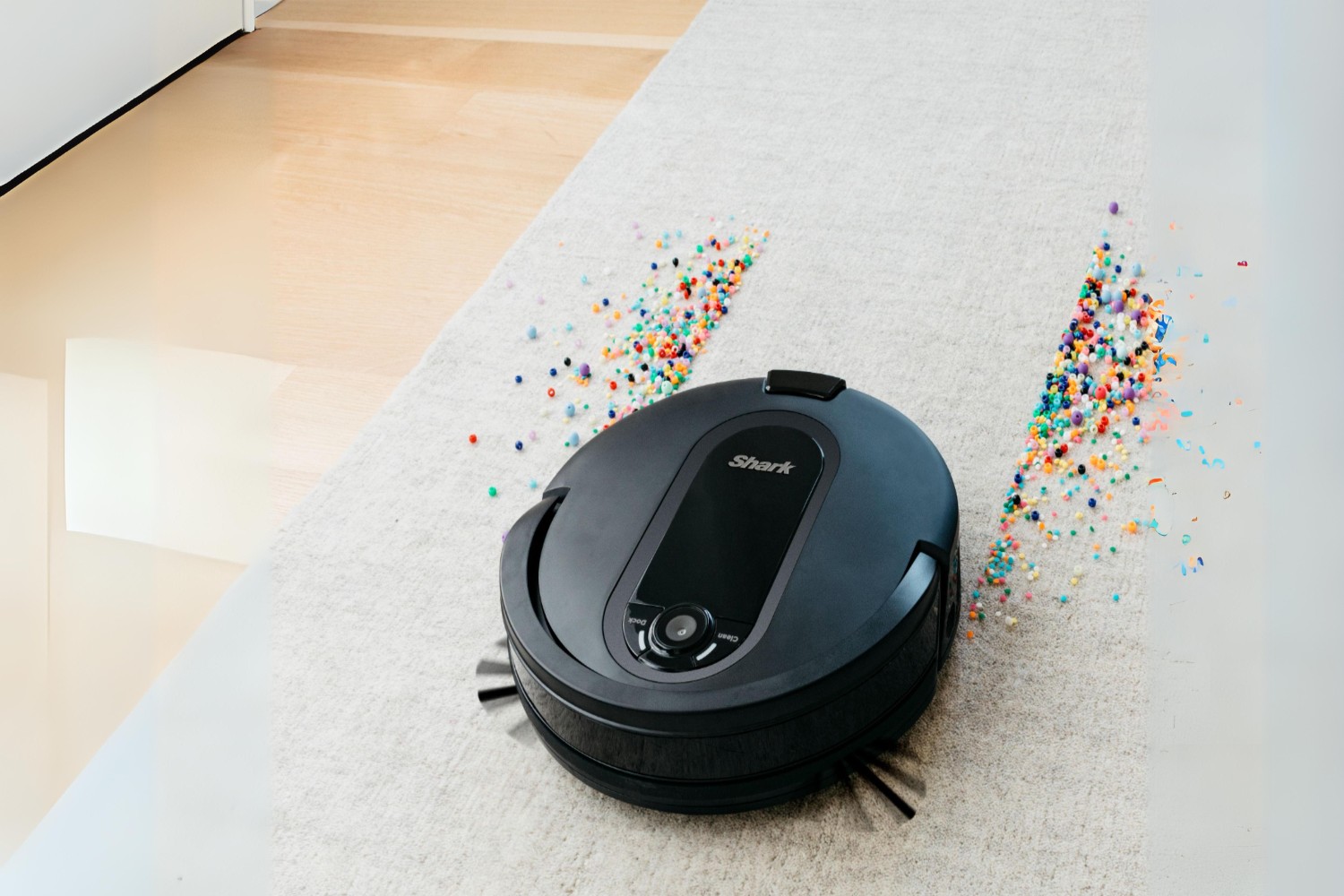
Then, we have consumer robots such as vacuum cleaners, kitchen robots and most recently self driving cars. The shift toward automating repetitive tasks and robotizing intensive labor duties is unstoppable, bringing marked benefits in terms of effectiveness and preservation of human lives and health.

Financial markets are a perfect example of a field where computer robotics takes over the duties previously performed by armies of brokers and stock exchange consultants. You can now have a robot trader that buys and sells stocks or currencies automatically and in accordance with a programmable set of rules and requirements. They can trade continuously for years without taking a day off.
Introduction To Robotics: Four Laws Of Robotics
When you use robots in so many spheres of life, you also need laws to govern them. It boils down to 4 simple principles. Isaac Asimov, a famous scientist defined the four basic robotics programming principles back in the 1940s. The four basic laws of robotics are:
- Robots may not injure a human being or, through inaction, allow a human being to come to harm.
- A robot must obey orders given it by human beings except where such orders would conflict with the First Law.
- Robots must protect its own existence as long as such protection does not conflict with the First or Second Law.
- A robot may not harm humanity, or by inaction, allow humans to be harmed.
Introduction To Robotics: Pros And Cons Of Robot Use
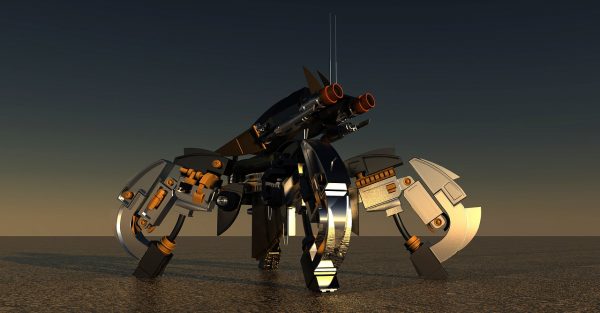
Robots have their limits as well since every increasingly complex system is getting harder to operate and control.
In any case, basic robotics programming create machines which have the following advantages:
Robot Advantages
- A robot can explore surroundings and get information that is not possible for a human to get.
- Robots, if properly programmed, can perform actions without a mistake and faster compared to humans.
- A robot is automated, which means they can perform different tasks once programmed to do so.
- Robots are able to replace human laborers for labor intensive tasks
Robot Disadvantages
- Robots need a power supply but the same applies to people who need food to keep working.
- The cost of maintaining a complex robot is burdensome.
- Robots cannot replace human brains although they can compute much faster.
- Current robots are not intelligent but have narrow intelligence, which means they can only complete tasks they are programmed for.
- A robot can deal great damage should it fail to comply with the Four Laws of Robotics.
Another thought is that ethical behavior should be hard coded with no option for someone to reprogram the system. This is actually a major step we should complete to witness a worry free robotic future.
Introduction To Robotics: Future Trends
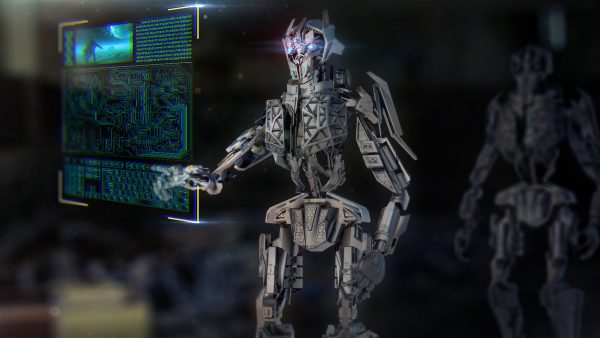
We are seeing robotic systems enter fields such as healthcare and remote diagnosing of diseases. This, in turn, requires not only extreme accuracy. But also ethics that machines do not have.
We will see robots entering even more spheres of life. As algorithms become smarter and the production of machines become cheaper. In fact, the future of robotics will depend on advancements in AI and ML. The same applies to many other fields where robots can be of great use.