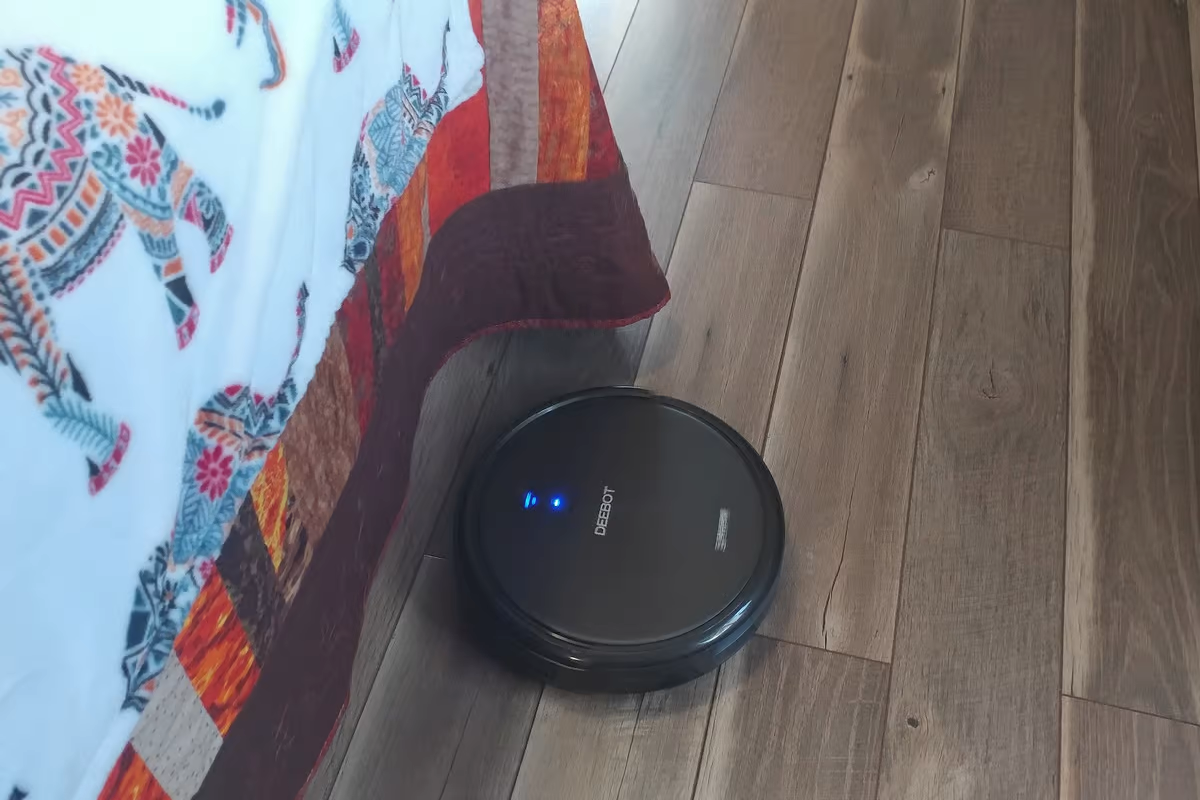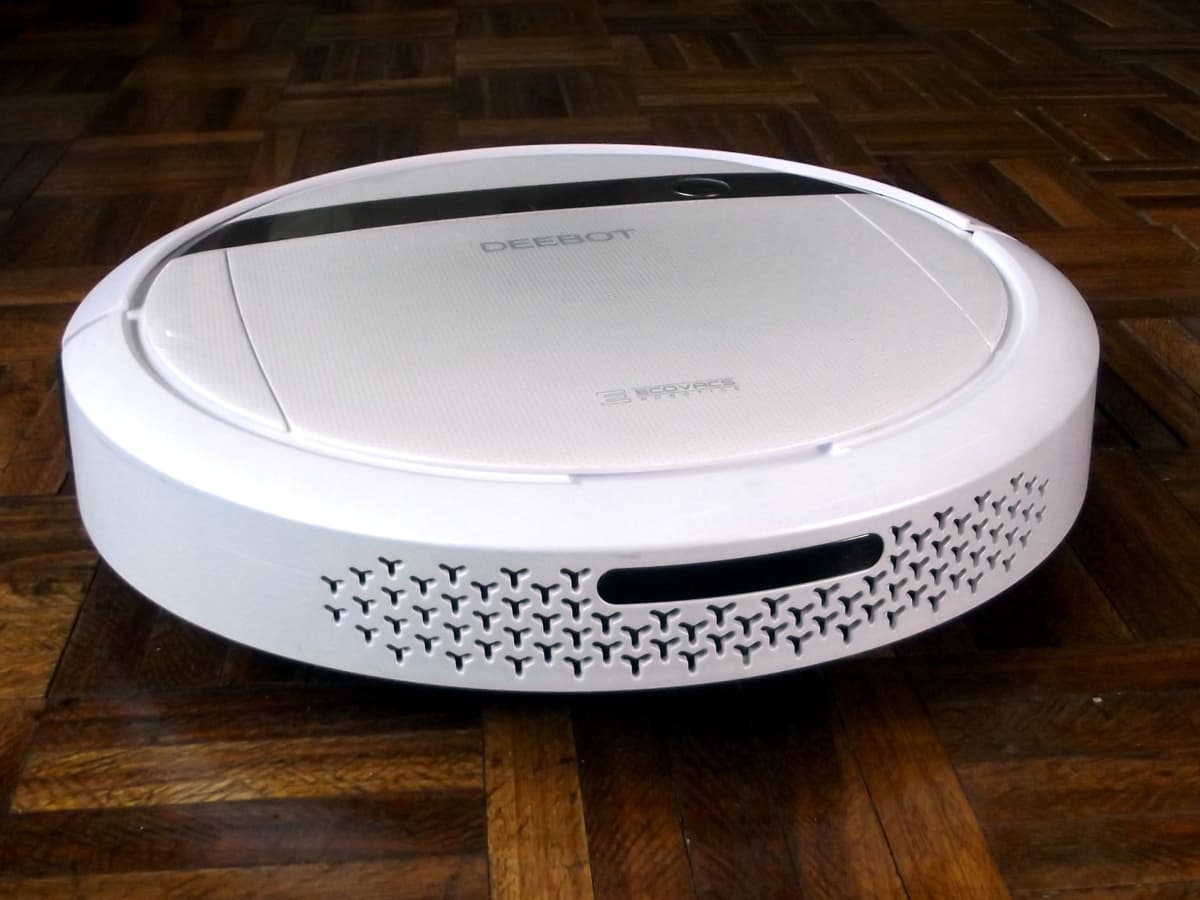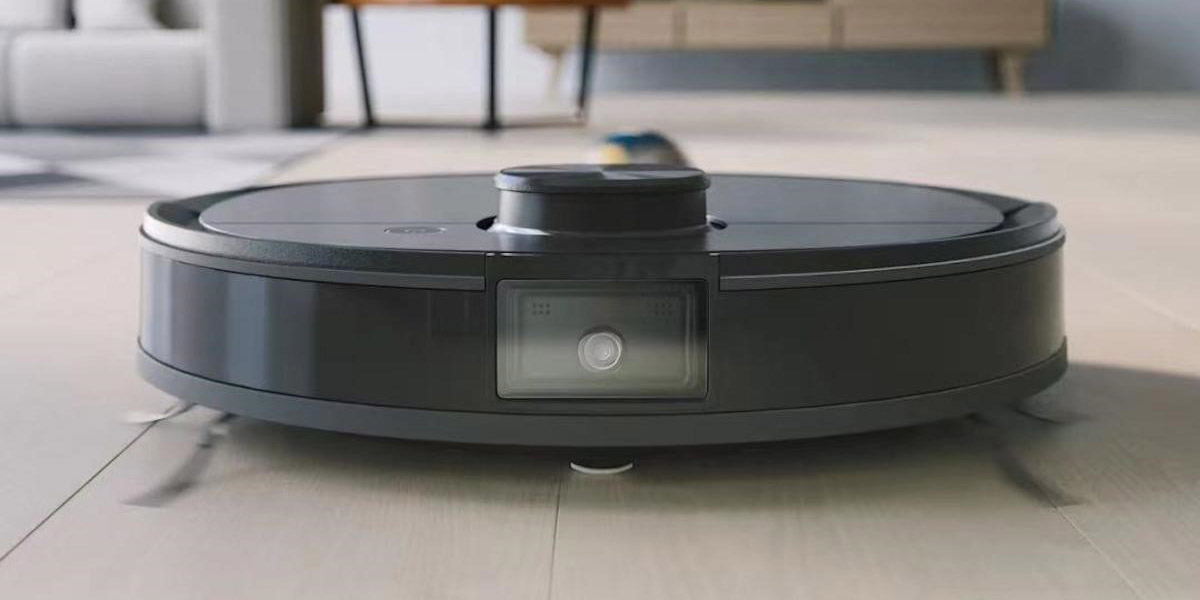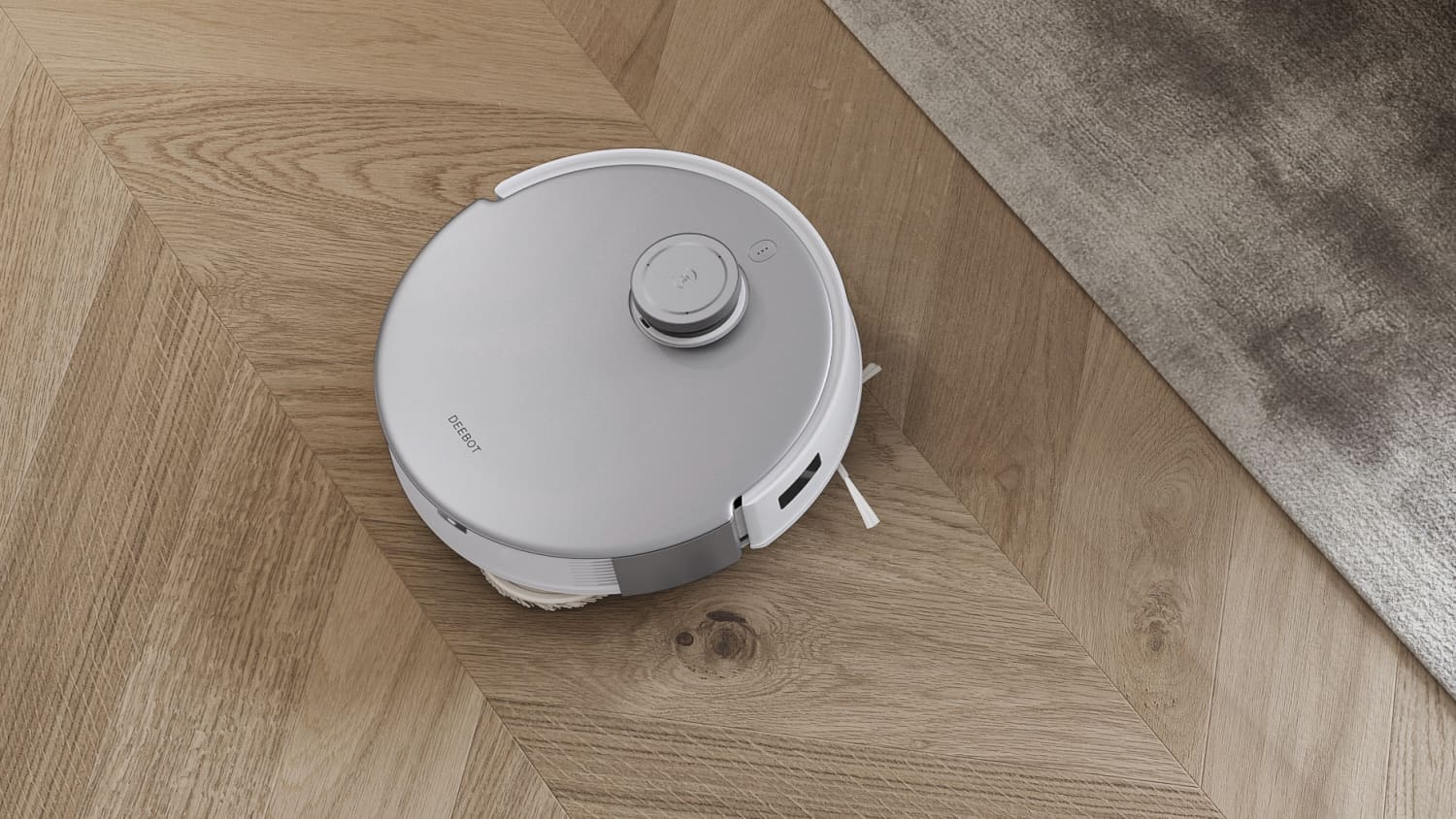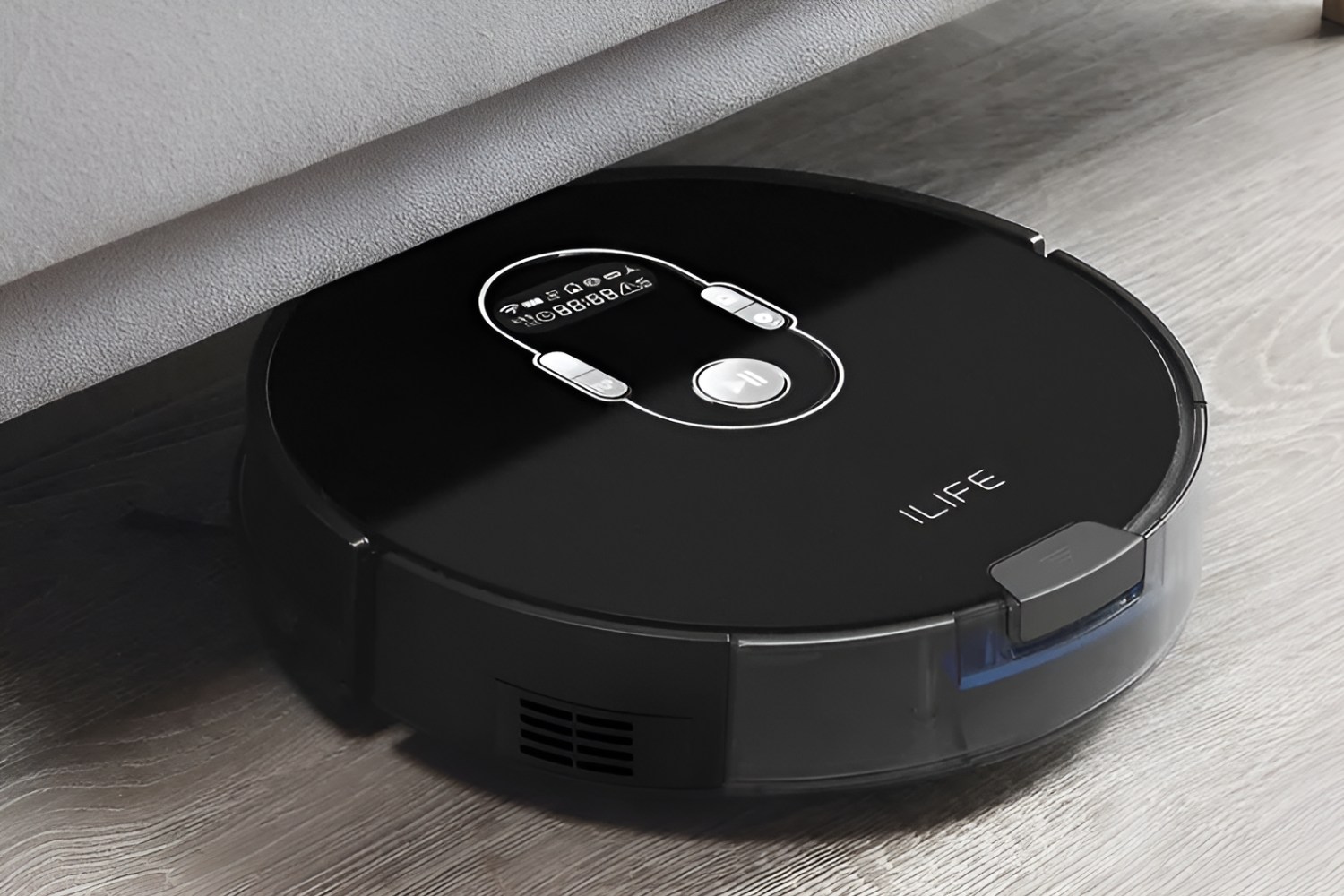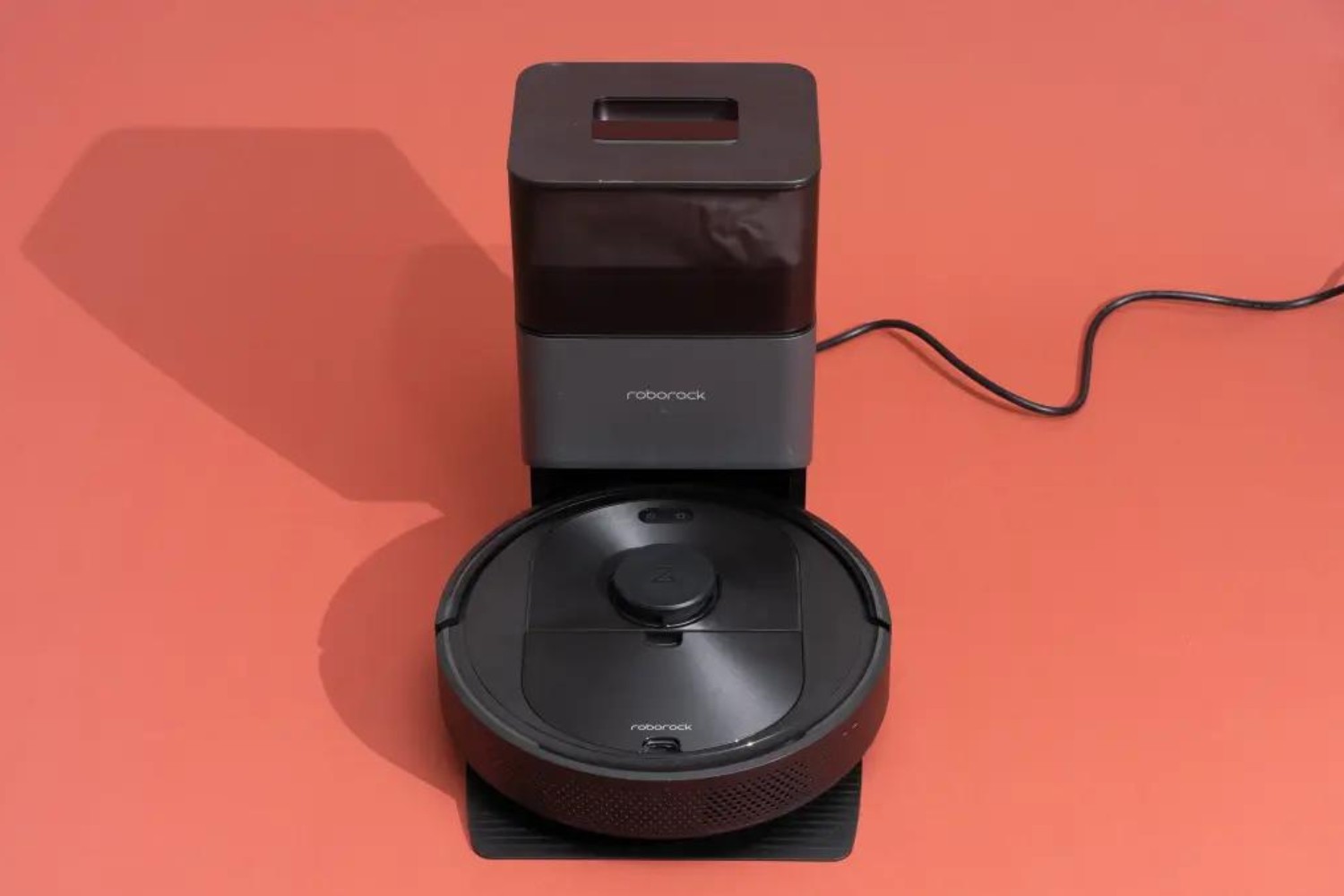





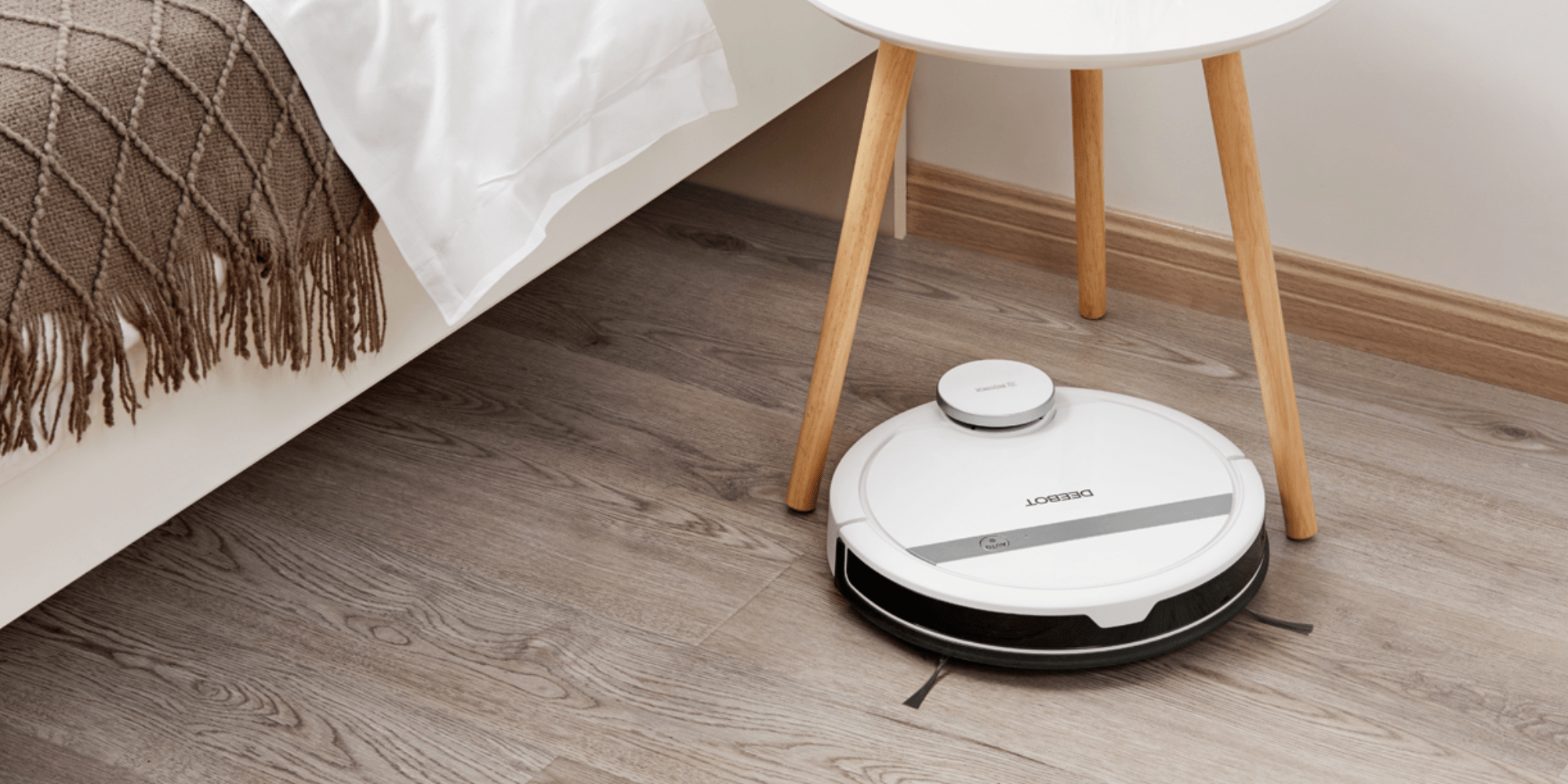
The Ecovacs robot vacuums are among the most trusted vacuum cleaning products in the market at present. Moreover, many prefer these since they are reliable, powerful and can get the job done in a breeze. So, if you are planning to buy a robot vacuum, consider getting a unit that bears the Ecovacs mark.
What Are Ecovacs Robot Vacuums?
The Ecovacs robot vacuums are automatic robot cleaners. Also, they perform some cleaning jobs with minor to no human intervention. Ecovacs Robotics, a technology company based in China, produced these vacuums. In 1998, Qian Dongqi founded a company, a manufacturer of original vacuum cleaner under a different name.
Rebranded in 2006, it became an independent producer of robotic home cleaning devices. This, however, led to the release of the floor cleaning Ecovacs Deboot series in 2007. Additionally, the company expanded its operations in the United States, Japan, and Germany in 2012. Moreover, it grabbed more than 60% of the Chinese robotics market in 2013.
Why Are Ecovacs Robot Vacuums The Best?
According to a lot of buyers, Ecovacs robot vacuums are among the best robot vacuum units offered for sale. Besides, the majority of these buyers believe that the Ecovacs vacuums are way ahead of their closest rivals due to the following:
1. Ecovacs Vacuums Are Reliable
These vacuums are reliable. The manufacturer is using the best components and world-class procedures in producing them. Furthermore, each vacuum is more than just a product. Besides, it is a result of careful research and unmatched craftmanship that Ecovacs Robotics is known. Thus, every Ecovacs vacuum is going to last and remain functional even after a few years of continuous use.
2. Ecovacs Vacuums Are Powerful
All Ecovacs robot vacuums have powerful components attached to them. Besides, this is one of the main reasons why every unit can conveniently clean any surface. Since every Ecovacs vacuum gets the job done in no time, this could mean more time for doing other stuff as well as increased household energy savings.
3. Ecovacs Vacuums Are User-friendly
The robot vacuums produced by the company have straightforward features that make them very user-friendly. Due to this, you can use each vacuum right after unboxing it. Also, this comes with a user-manual that are ready to read and be understood.
Top Ecovacs Robot Vacuums In The Market
1. Ecovacs Deebot N79S
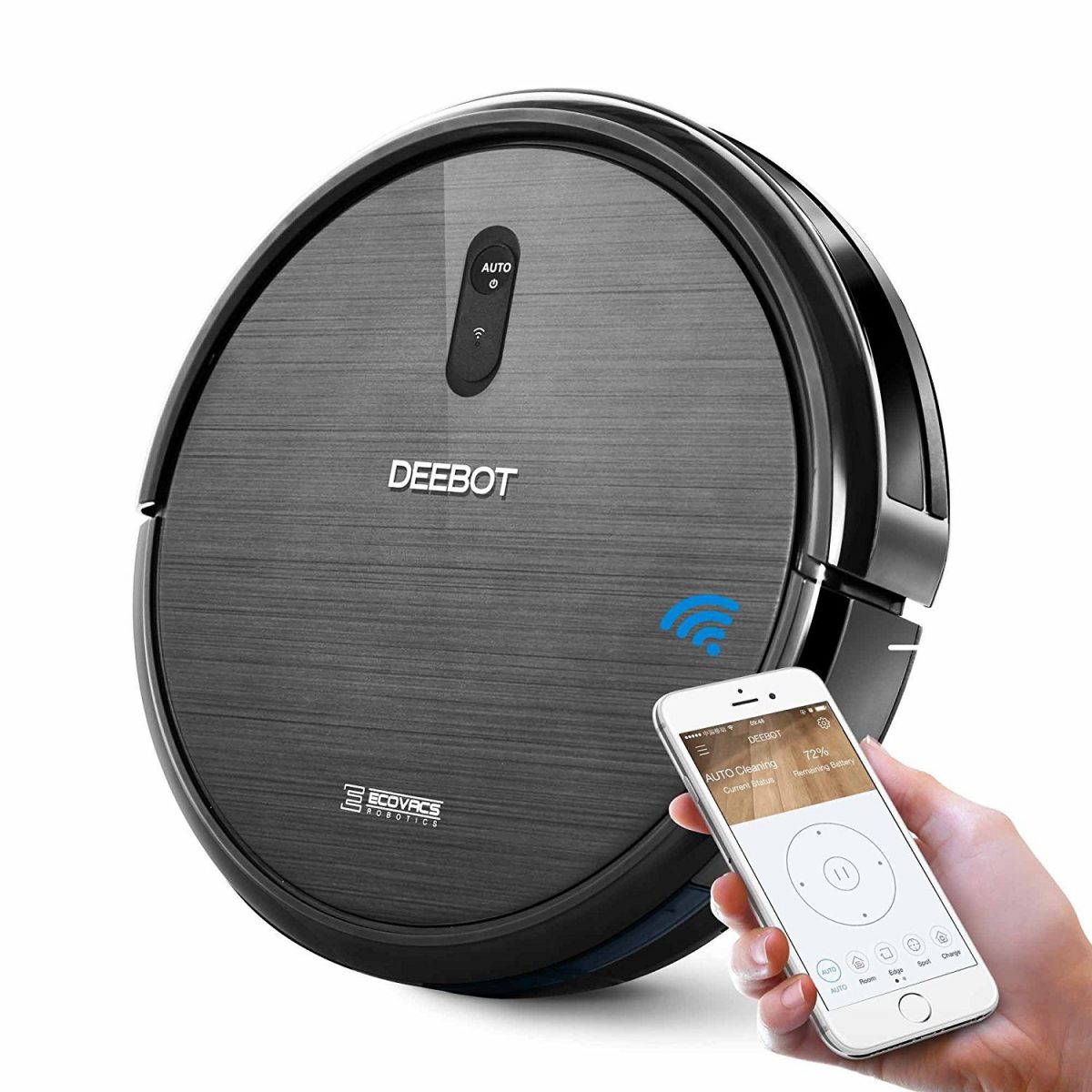
The Ecovacs Deebot N79S is a bestselling robot vacuum in its class. Moreover, the robot is known for the Smart Motion system that it has. Additionally, it has multiple cleaning modes that allow you to select how you want your floor to be cleaned.
Pros
- Sold at a reasonable price
- Comes with multiple cleaning modes
- Has Smart Motion technology
- Controllable via the ECOVACS app or the smart home system
- Compatible with Amazon Alexa and Google Assistant
Cons
- Having troubles looking for its charging dock
- Usually gets stuck under low furniture or cords
Bottomline
- This Deebot is a versatile cleaning solution. Moreover, it allows you to get the cleaning job done the way you want it.
2. Ecovacs Deebot M88
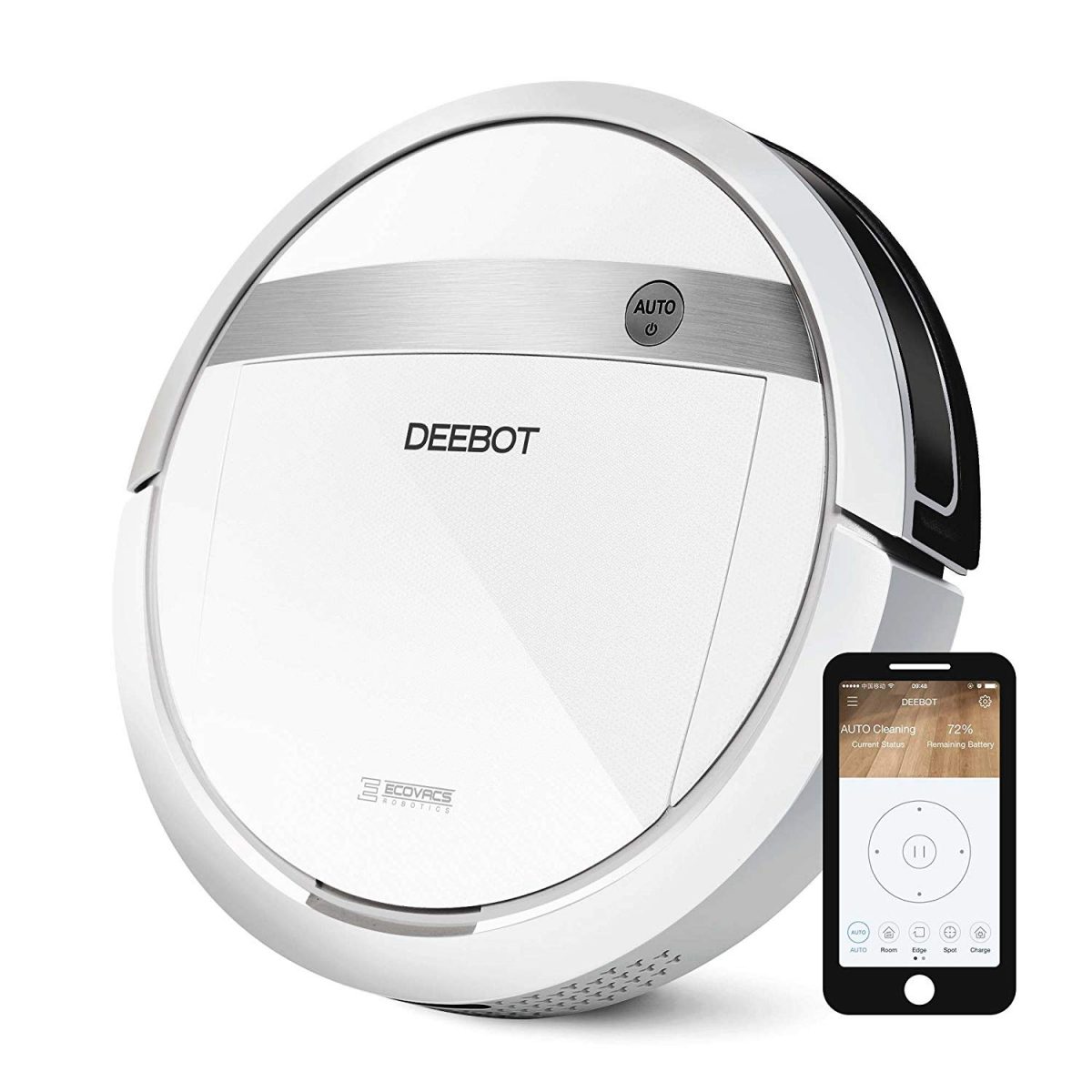
The Ecovacs Deebot M88 handles the removal of dirt and grime. Besides, it has the mopping function that lets you enjoy deep cleaning even on the hardest portion of a room.
Pros
- Comes with a Single Room setting
- Equipped with the Smart Move technology
- Works well with various cleaning conditions
- Has the vacuum and mop combo feature
- Equipped with a better Smart Cleaning Path
Cons
- Has troubles with locating its charging dock
- Gets stranded on cords and low furniture
Bottomline
- The Deebot M88 is a calculating robot that will never miss a cleaning spot.
3. Ecovacs Deebot N79
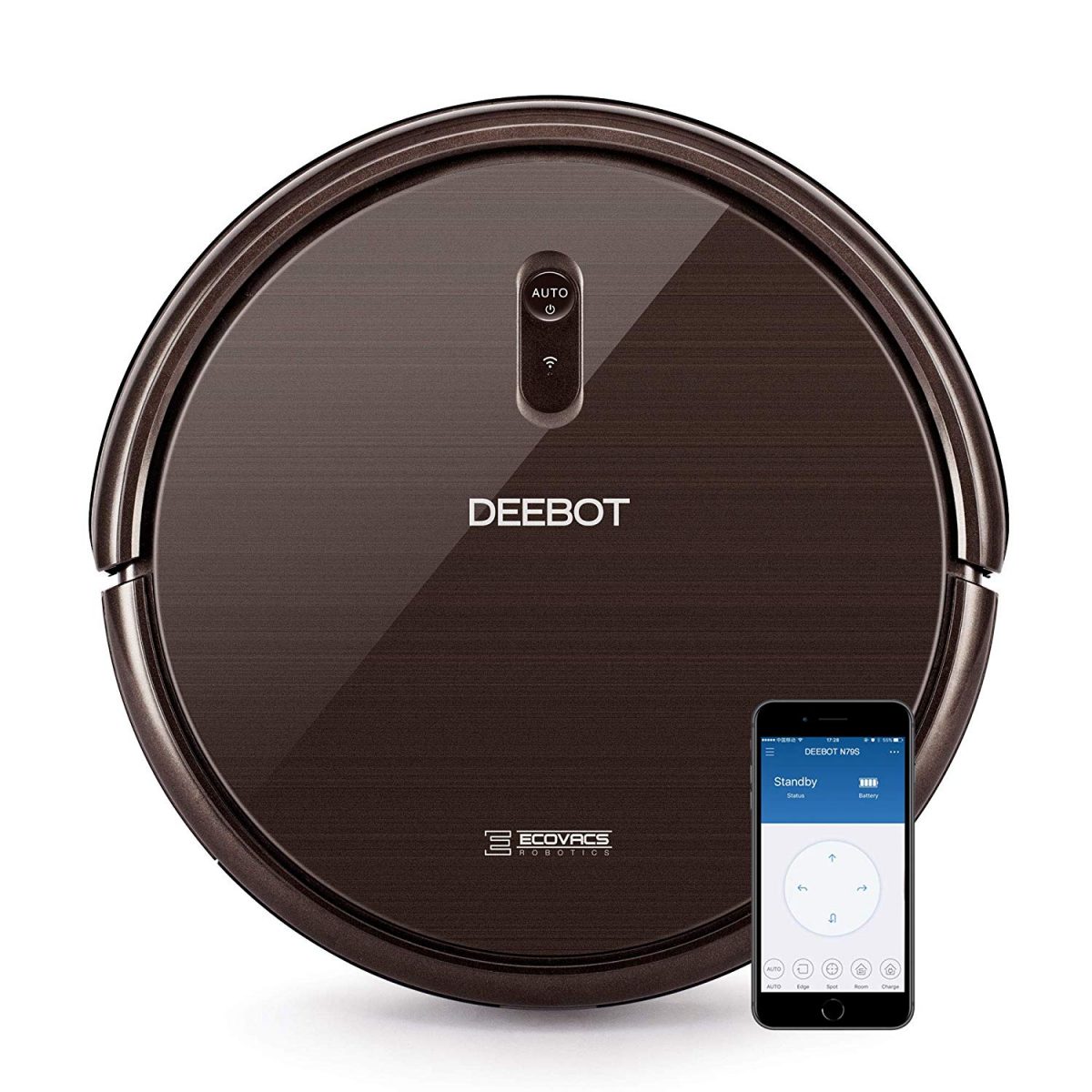
The Deebot N79 has a unique design that allows it to clean and cover more cleaning area by using the cleaning modes suited to the surface condition. It has multiple cleaning modes that enable it to suit the surface where it is used.
Pros
- Equipped with the Smart Motion system
- Has multiple cleaning modes to handle various home messes
- Controllable using the ECOVACS app
- Offers more lifting via the V-shaped main brush
- Has time scheduling function
Cons
- Lacks Amazon Alexa and Google Assistant compatibility features
Bottomline
- The Deebot N79 is a hardworking and versatile cleaning machine that considers deep cleaning its specialty.
4. Ecovacs Deebot OZMO 930
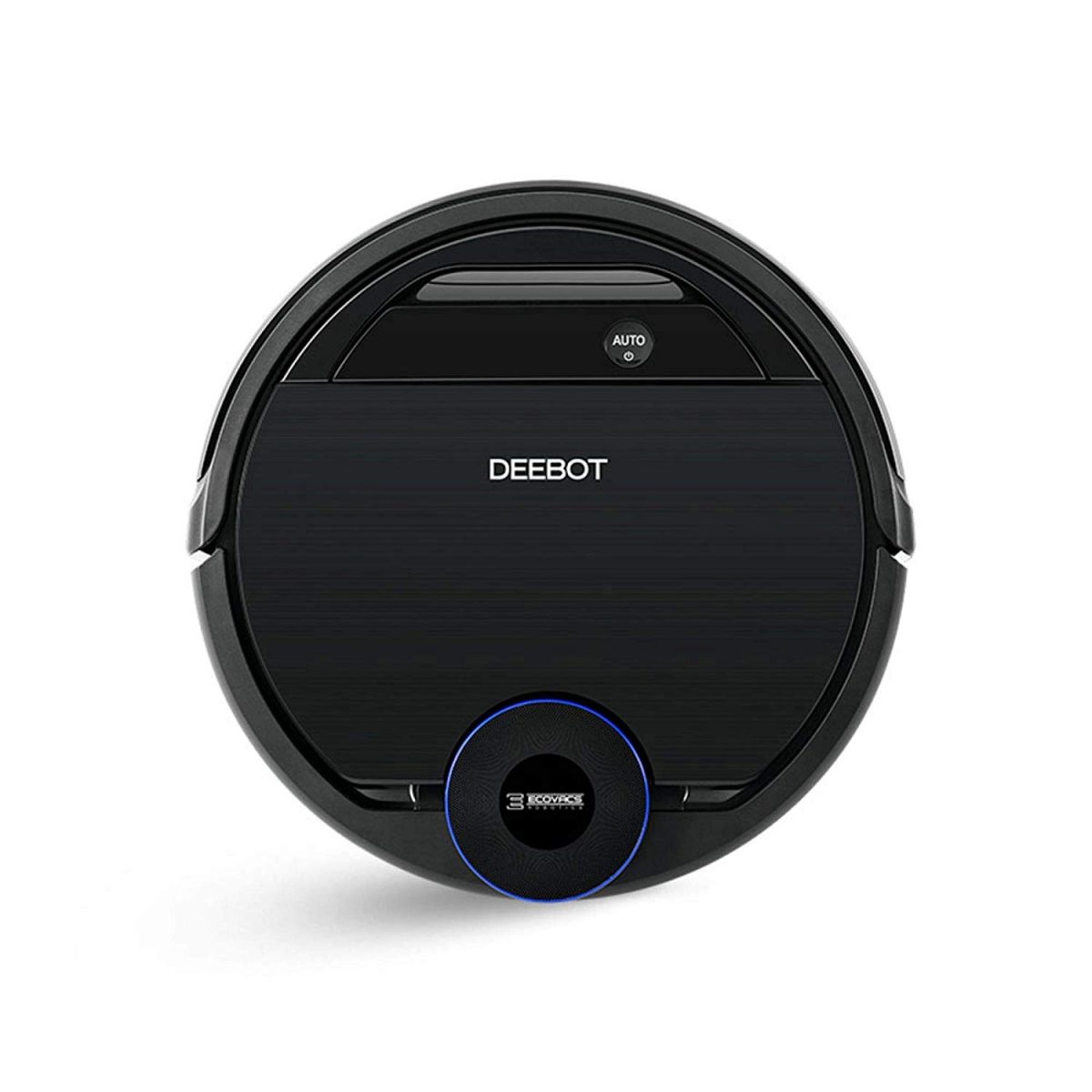
The Ecovacs Deebot OZMO 930 is capable of providing the vacuum and moping function in a single pass. Thus, you get the best cleaning output. Also, this Deebot is capable of drawing the virtual boundaries where the cleaning is needed. Furthermore, the OZMO 930 is compatible with Amazon Alexa and Google and can be controlled using the applicable app.
Pros
- Has vacuum and mopping function
- Controllable using an app
- Google Alexa and Google Home compatible
- Allows mopping pad attachment
- Automatically turns away from carpets when attached to a mopping pad
- Has cleaning schedule feature
- Automatically selects which parts of the room to clean
- Draws virtual boundaries on its own
Cons
- Mopping pad attachment is manual
- The moving pad should be removed to allow the unit to perform vacuum functions
- Might not work well with the latest version of the iPhone (iPhone X etc.)
Bottomline
- This Deebot, despite its manual mopping pad attachment and removal requirement, is the best option for cleaning surfaces that require both deep vacuum and mopping.
5. Ecovacs Deebot M80
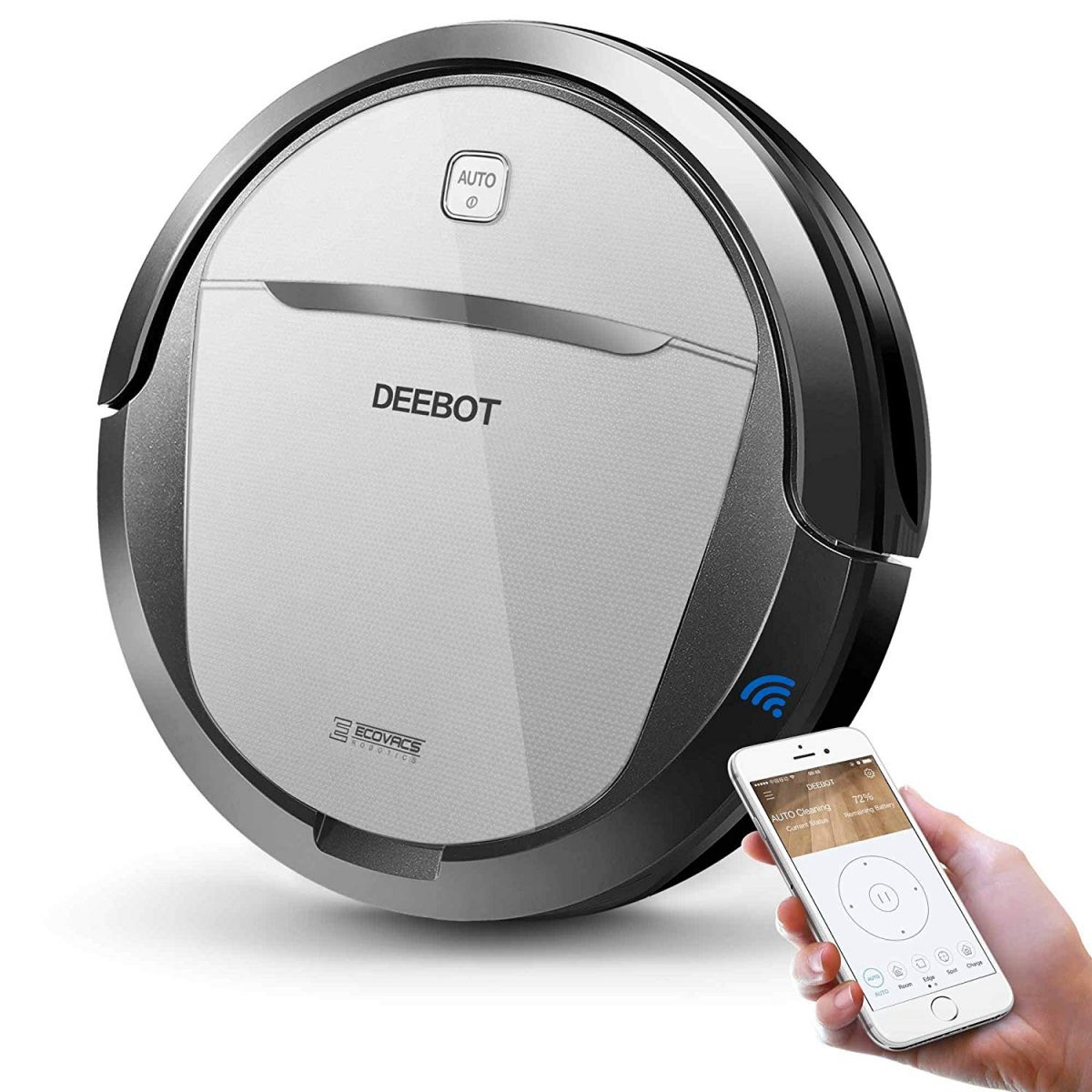
The Ecovacs Deebot M80 comes with a bonus mopping feature. Furthermore, it is one of the most affordable Deebot in the market. Additionally, this model boasts of its max power suction function and the detachable deep clean brush roll that guarantees the best cleaning results.
Pros
- Compatible with Amazon Alexa
- Controllable using the appropriate app
- Sold at a lower price
- Has a detachable deep clean brush roll
- Has a max power suction function
- Offers relatively longer battery life
Cons
- Gets stuck under low furniture
- Has troubles finding its charger at times
Bottomline
- The Deebot M80, with its detachable deep clean brush roll and max power suction feature, offers unmatched cleaning output that similarly-priced robots cannot.