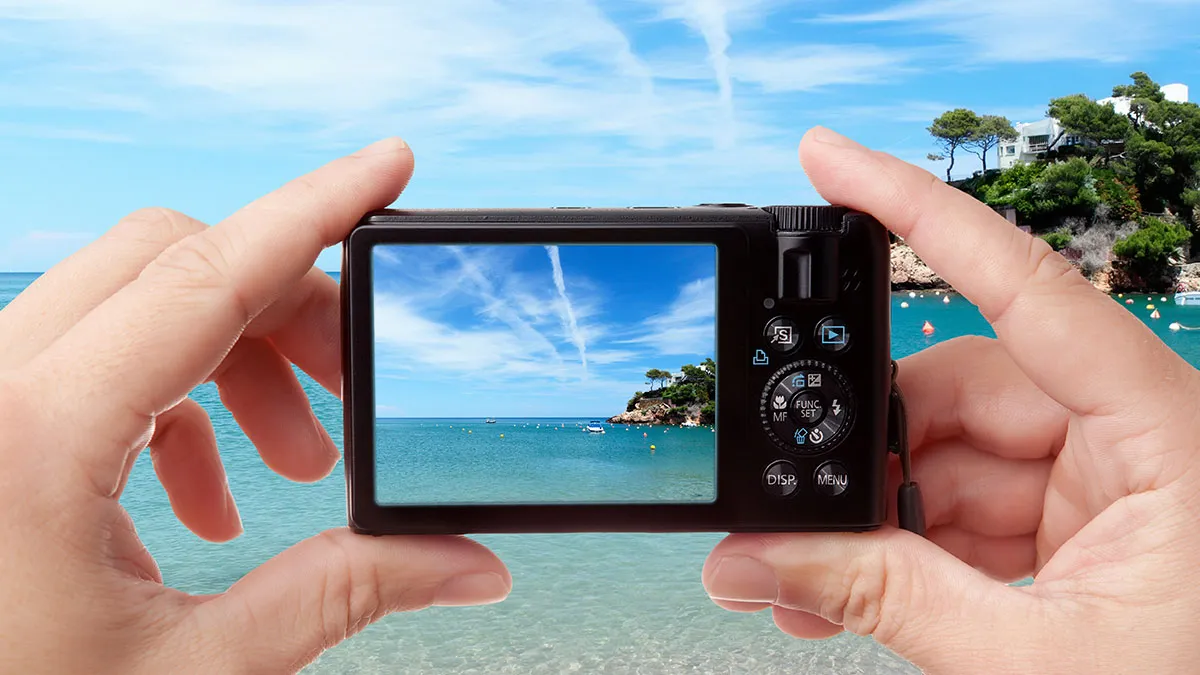
The best way to choose a point and shoot camera is to match its optical zoom, sensor size, and physical design to your specific use case, not to chase megapixel counts. For most travelers, families, and everyday shooters, a dedicated compact camera beats a smartphone when you need a real optical zoom for distant subjects, a larger sensor for better low-light shots, or a rugged body for outdoor adventures.
Before you choose a point and shoot camera
Ask yourself one honest question first: will a dedicated camera actually replace your smartphone? For casual daytime shots of friends and food, modern phones are excellent. But a point and shoot camera earns its place in your bag when you need verified advantages that phones still struggle with: superior optical zoom that doesn't degrade image quality, larger sensors that capture more light and detail, and a focused, dedicated shooting experience without notifications or distractions.
This guide solves three specific problems: travel photography where you need reach and portability, vlogging or video where you need flip screens and clean audio inputs, and rugged outdoor use where waterproofing and shockproofing are non-negotiable. If any of these match your needs, a point and shoot is the right tool.
Set your budget and use case
Price tiers directly map to capability. A budget camera (under $200) is fine for basic everyday shots in good light, think family gatherings and casual snapshots. A mid-range model ($200, $500) adds better lenses, more zoom, and improved sensors for travel and hobbyist use. If you need something rugged for outdoor adventures, you might setup and use my vivitar action camera as a durable alternative. Premium point and shoots ($500+) deliver large sensors (1-inch or bigger), fast apertures, and full manual control for enthusiasts who want serious image quality in a pocketable body.
For outdoor adventurers, verified rugged cameras are explicitly designed to be waterproof, shockproof, and freezeproof. These models let you snorkel, hike in heavy rain, or shoot in freezing conditions without a protective housing. If you plan to take your camera into harsh environments, prioritize this durability over other features, it's the difference between capturing the moment and losing your gear.
Optical zoom matters more than megapixels
Megapixels are the most overhyped spec in cameras. A 16-20MP sensor is more than enough for sharing online, printing up to A4 sizes, and cropping moderately. More megapixels on a small sensor often means worse low-light performance and larger files that slow down your workflow.
What actually matters is optical zoom. Optical zoom physically moves the lens elements to magnify the scene, preserving full image quality. Digital zoom simply crops and enlarges the image in-camera, which destroys detail and introduces noise. Understanding these optical principles can even help you make a digital camera from scratch. Always choose a camera with higher optical zoom over one with more megapixels.
For travel, verified advice is to look for 20x optical zoom or more. This lets you capture distant landmarks, wildlife, or stage performances without moving closer. A compact body with 20x, 30x zoom is the sweet spot for most travelers, it gives you reach that no smartphone can match, while still fitting in a jacket pocket.
Check stabilization, not just megapixels
Optical Image Stabilization (OIS) is a critical feature that counters camera shake before it reaches the sensor. Without it, your sharp photos at full zoom or in dim light will come out blurry. OIS physically moves the lens elements to compensate for hand movement, letting you shoot at slower shutter speeds without a tripod.
This matters most in real-world conditions: shooting inside museums, capturing kids running around, or photographing city streets at dusk. A camera with good OIS can mean the difference between a keeper and a throwaway shot. While some digital stabilization exists, optical is always superior because it works at the lens level, preserving image quality. Test the stabilization in-store if possible, shake the camera slightly and see how quickly the image steadies.
Prioritize video and screen features
Modern point and shoots go far beyond old 'HD video' advice. If you plan to record video, verify these three features before buying:
1. 4K recording: This gives you four times the resolution of 1080p, allowing you to crop in post-production or capture fine detail. Check whether 4K is available at 30fps (frames per second) at minimum, some budget models only offer it at 15fps, which looks choppy.
2. Flip-up screen for vlogging: A screen that tilts 180 degrees lets you see yourself while recording. This is non-negotiable for vloggers or anyone who plans to create content solo. Look for a touchscreen with accurate color and brightness for framing and focus checks.
3. Microphone input: Built-in mics on compact cameras are adequate for casual clips but terrible for serious video. If you care about sound quality, this port is worth paying extra for.
For rugged use cases, specifically seek out waterproof and shockproof designs. These cameras are sealed against moisture and built to withstand drops from a meter or more. They're ideal for snorkeling, beach days, hiking in rain, or any scenario where a normal camera would be damaged.
Memory card speed and reliability
Your camera is only as good as the card that stores your photos. For 4K video and burst shooting, you need a Class 10 SD card or faster. This speed rating guarantees minimum write speeds that can handle large video files without dropping frames. Slower cards will buffer and stutter, ruining your shots.
Buy reputable brands like SanDisk, Lexar, or Samsung. Counterfeit cards are common online and often fail at the worst moments. Choose a capacity based on your needs, 64GB is a good starting point for travel, but if you shoot lots of 4K video, consider 128GB or 256GB. Always carry a spare card in case one fails or fills up.
Final check before you buy
Run through this concise checklist before making your purchase:
1. Do I need optical zoom? If yes, prioritize a camera with at least 10x optical zoom (20x+ for travel). Skip digital zoom entirely, it's a marketing gimmick.
2. Is it rugged enough for my use? If you'll shoot outdoors in water, dust, or extreme temperatures, choose a verified waterproof/shockproof/freezeproof model. If you only shoot indoors, standard build is fine.
3. Does it have the video features I need? For vlogging, confirm 4K at 30fps, a flip-up screen, and a microphone input. For casual clips, 1080p is acceptable, but don't pay extra for features you won't use.
4. Got the right SD card? Buy a Class 10 or U3 card from a reputable brand. Check your camera's manual for maximum supported capacity and speed class.
Finally, reconnect to your original purpose. If you're a traveler who wants reach and portability, a 20x zoom compact is your answer. If you're a snorkeler who needs a camera that survives the ocean, a rugged waterproof model is non-negotiable. By matching the camera to your specific use case, not to marketing specs, you'll make a choice that serves you for years.
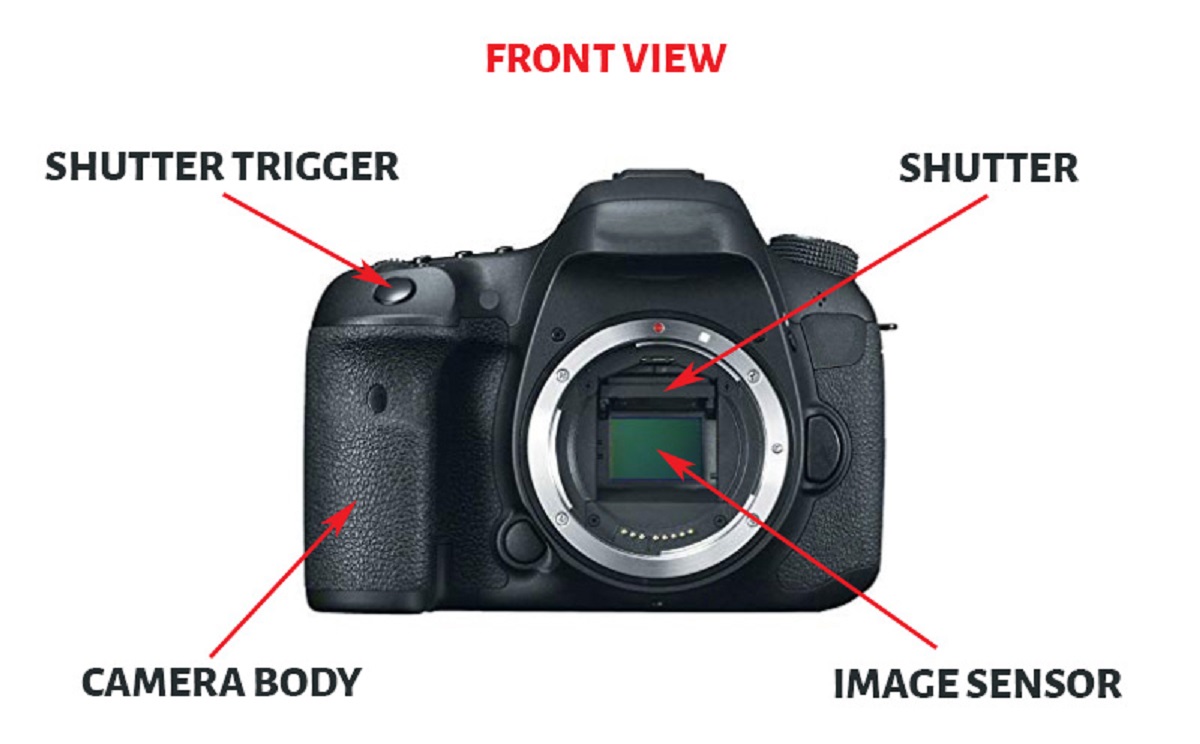
\nRelated reading: What Are The Basic Parts Of A Digital Camera.