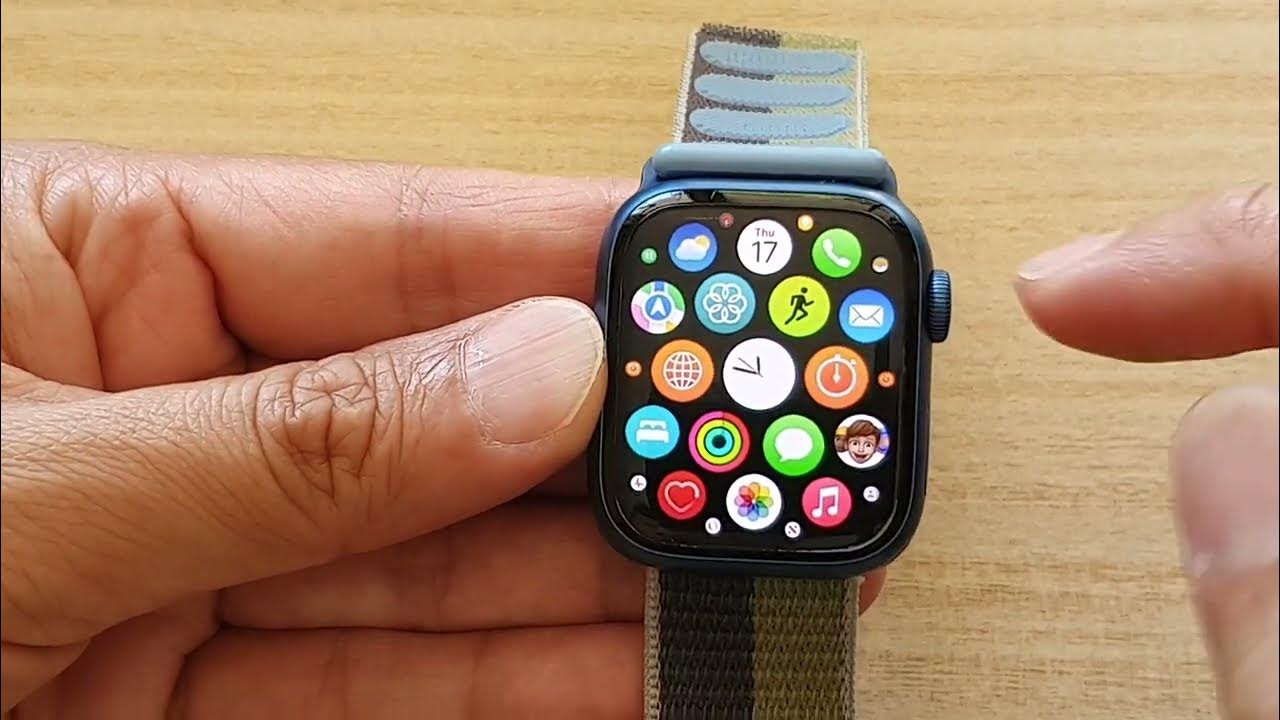
You can watch video on Apple Watch, but not through a built-in video player. Apple’s watchOS only plays video embedded in Messages, so to stream YouTube or play your own video files, you need to install a third-party app from the App Store. Once installed, you can change Apple watch home screen layout to keep that video app one tap away. The right app turns your wrist into a tiny screen for streaming or offline playback, and this guide covers the best options and how to use each one.
Can you really watch video on Apple Watch?
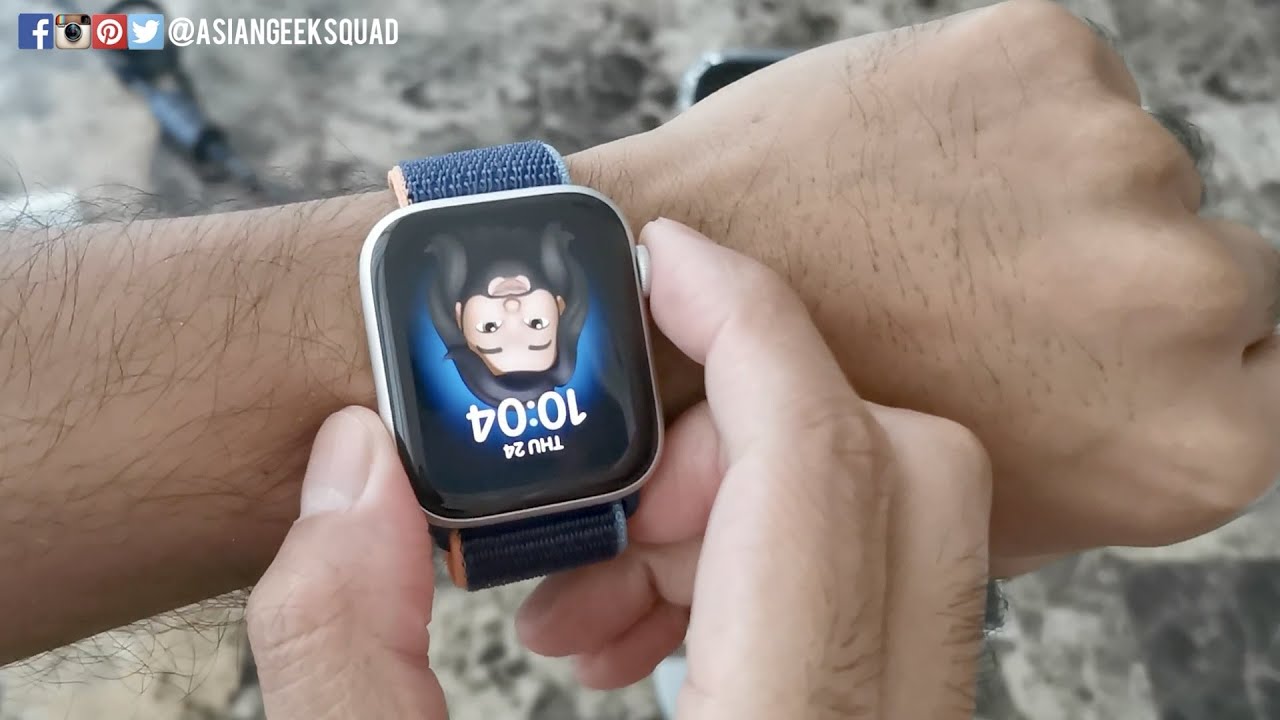
Yes, but with a clear limit. The Apple Watch has no native YouTube app and no general-purpose video player for files you own. The only built-in video playback is for attachments inside Messages threads, which is a narrow, rarely used feature. To watch anything else—streaming clips, personal MP4s, or downloaded content—you need a third-party app. These apps exist because the watchOS App Store supports them, and they work over Wi-Fi or cellular on compatible models. If you already tried wrangling video and noticed my Apple watch face upside down, your wrist orientation settings may be to blame. So the verified fact is: video on Apple Watch is possible, but only through apps you install yourself.
Best apps to watch video on Apple Watch
Five apps stand out for different use cases. WatchTube and WristTube both stream YouTube content directly on the watch, letting you search and play videos without your iPhone nearby. Videwatch handles local files in MP4, MOV, and M4V formats, which you transfer from your phone. Player for Watch imports local audio and video files for offline playback, making it a solid choice if you want to carry a few clips on the watch itself. WatchClips takes a different route: you upload personal videos to watchclips.app from a computer or phone, then download them inside the WatchClips watch app for offline viewing. Each app has its own strengths, so pick based on whether you stream or store files.
How to watch YouTube on Apple Watch with WatchTube or WristTube
Both WatchTube and WristTube are designed for YouTube streaming on the watch. They are the closest thing to a native YouTube experience, and they work entirely on the wrist once installed. Here is how to use them:
- Open the App Store on your Apple Watch, search for WatchTube or WristTube, and install the app.
- Launch the app from your watch’s home screen.
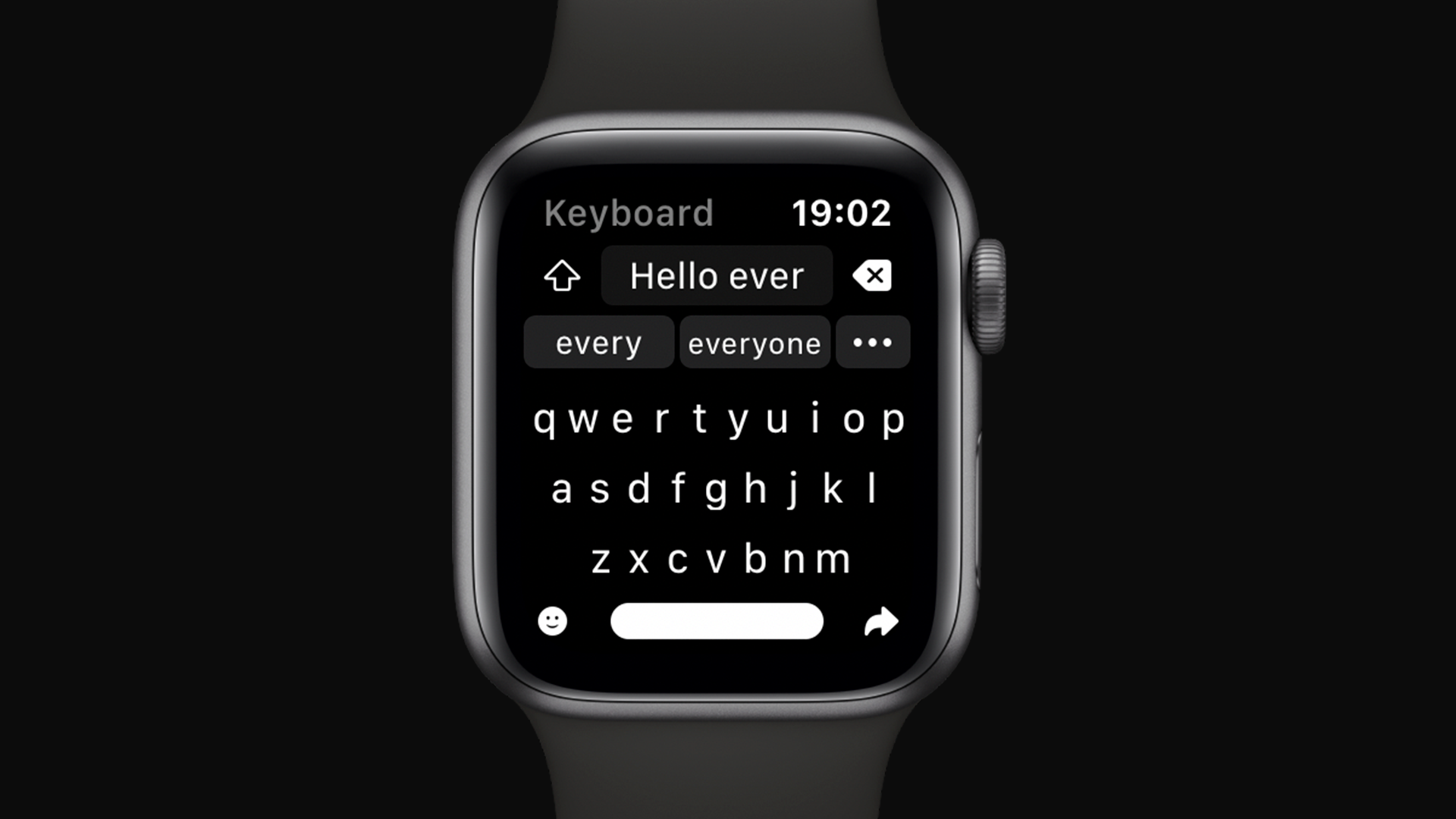
- Use the on-screen search field to find a YouTube video or channel by name.
- Tap a video result to start streaming. The video plays directly on the watch screen.
- Control playback with the pause/play button and swipe gestures to skip forward or backward.
Streaming requires a Wi-Fi connection or an active cellular plan on your Apple Watch. If you are away from your iPhone and not on Wi-Fi, the video will buffer or fail to load. For best results, keep the watch within range of a stable network.
How to play personal video files using Videwatch or Player for Watch
If you want to watch your own videos—home movies, downloaded clips, or short films—Videwatch and Player for Watch are the tools. Both support common formats, but they differ in how you get files onto the watch. Videwatch plays MP4, MOV, and M4V files, and it uses a companion iPhone app to transfer them. Player for Watch also imports local audio and video files, and it stores them on the watch for offline playback. Here is the general process for both:
- Install the app on your Apple Watch from the App Store, and install its companion app on your iPhone.
- Open the iPhone companion app and select the video file you want to transfer from your phone’s library or Files app.
- Wait for the transfer to complete. The file is now stored on the watch.
- Open the app on your Apple Watch and tap the video to start playback.
- Use the watch’s touch screen to pause, resume, or scrub through the video.
Format compatibility matters. Videwatch only accepts MP4, MOV, and M4V; if your file is in another format, you need to convert it before transferring. Player for Watch is more flexible with local files, but check its supported formats in the App Store description before relying on it.
How to upload and watch offline with WatchClips
WatchClips is the best option if you want to watch personal videos without your iPhone or an internet connection. Instead of transferring files directly from your phone, you upload them to watchclips.app first, then download them onto the watch. This method is useful for longer clips or videos you want to keep available for days. Here is how it works:
- On a computer or phone, go to watchclips.app and upload the video file you want to watch.
- Install WatchClips on your Apple Watch from the App Store.
- Open the WatchClips app on your watch. It will connect to your watchclips.app account.
- Find the uploaded video in the app’s list and tap the download button to save it locally on the watch.
- Once downloaded, play the video anytime, even with no Wi-Fi, cellular, or iPhone nearby.
Offline playback is the key advantage here. Downloaded videos stay on the watch until you delete them, so you can watch them during a commute, a workout, or anywhere else without a connection. Just be mindful of the watch’s storage capacity, which limits how many videos you can keep at once.
What to do if video won’t play
When a video fails to play, the cause is usually one of four things. First, check that the app you installed is compatible with your watch model. Newer Apple Watch models, including Series 12, Ultra 4, and SE 3, require an iPhone 11 or later with iOS 27 or later, so older hardware may not support the latest apps. Second, verify the file format. Videwatch only plays MP4, MOV, and M4V; if your file is something else, convert it or use a different app. Third, for streaming apps like WatchTube or WristTube, confirm you have a working Wi-Fi or cellular connection. A weak signal causes buffering or immediate failure. Fourth, restart your Apple Watch by pressing and holding the side button, then sliding to power off and turning it back on. A restart clears temporary glitches that can block playback. If none of these fixes work, check the app’s settings or reinstall it, and make sure your watchOS is up to date. For persistent issues, try a different app, since some handle certain formats or connection types better than others.
\nRelated reading: How To Watch Youtube On Carplay.