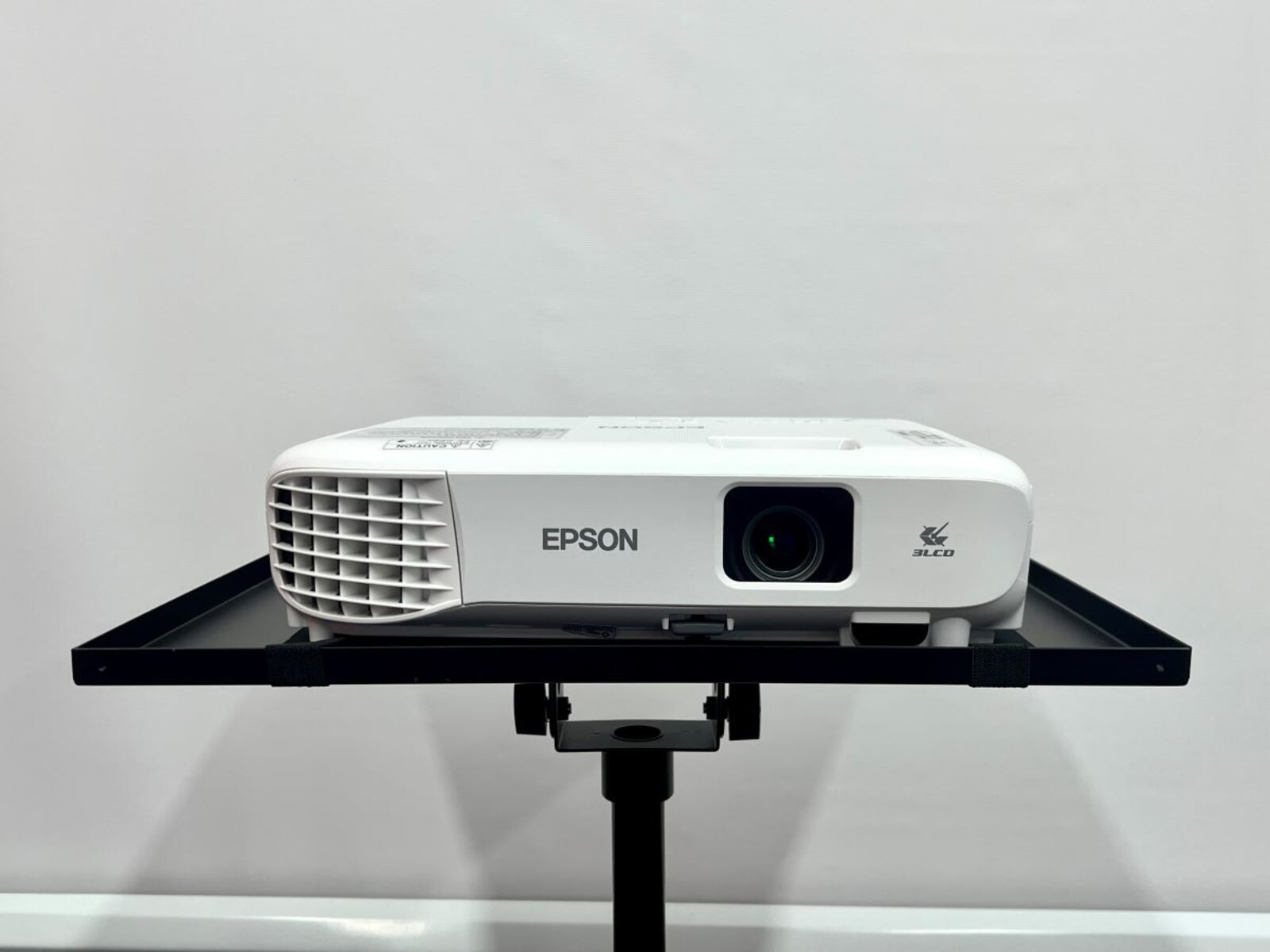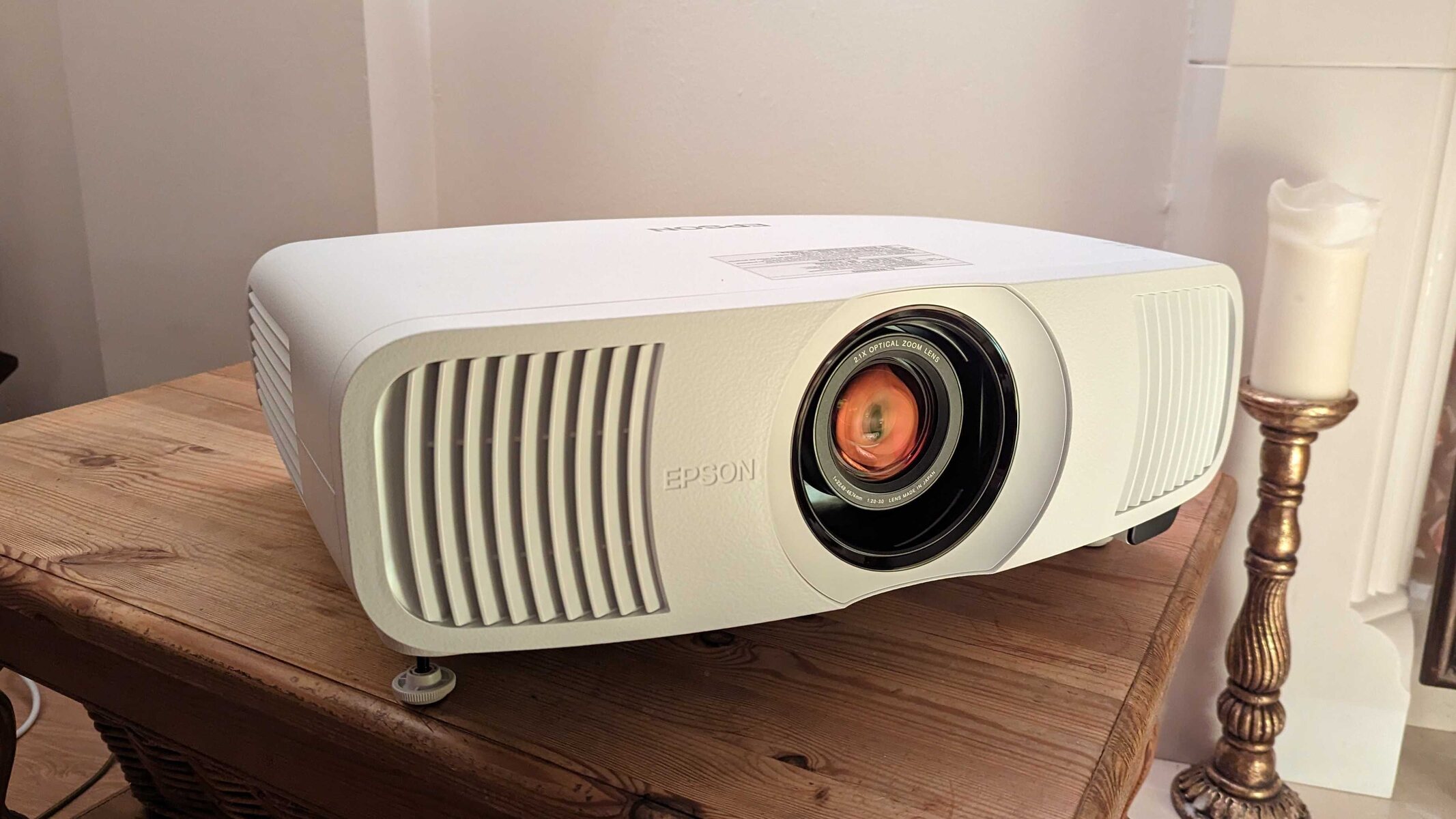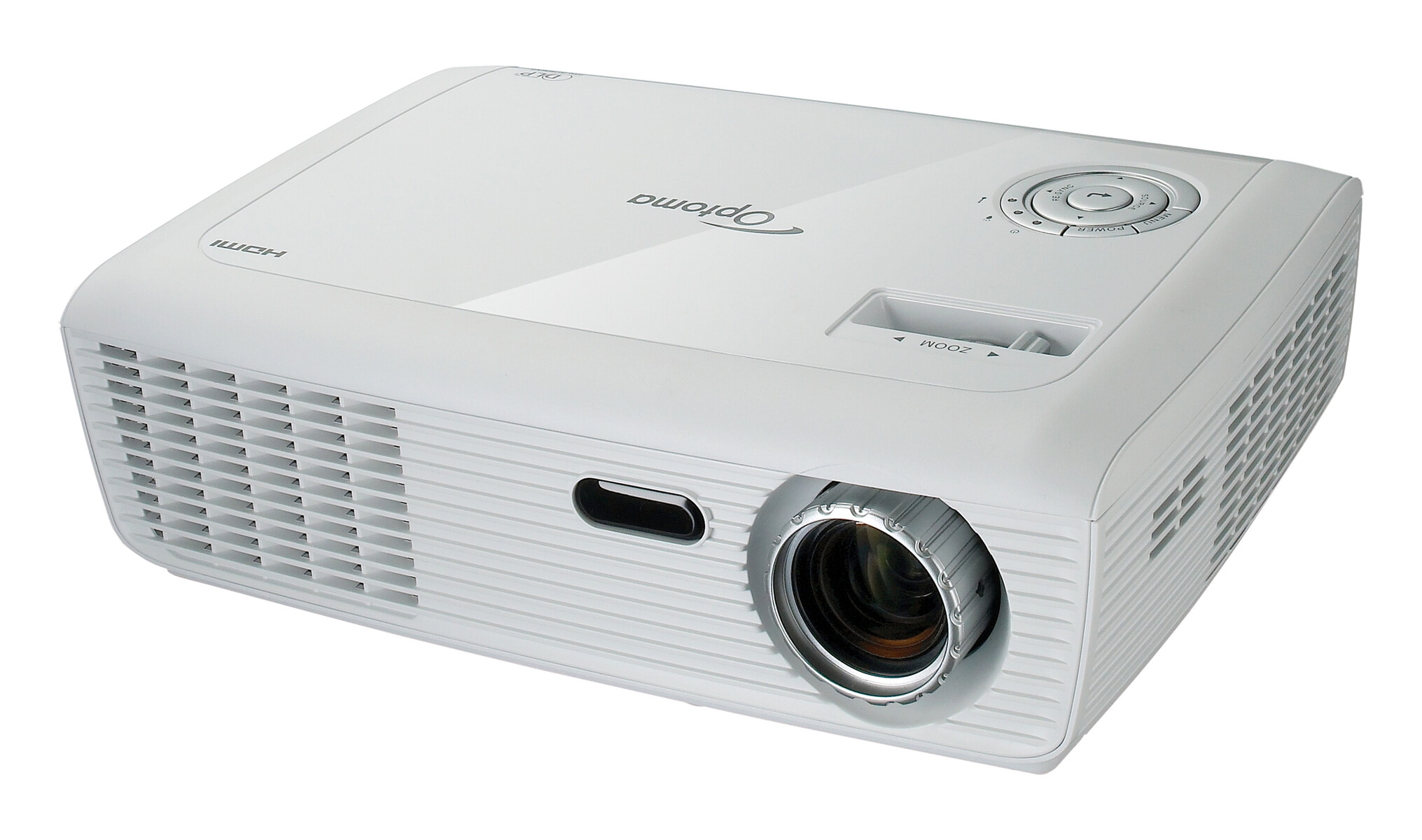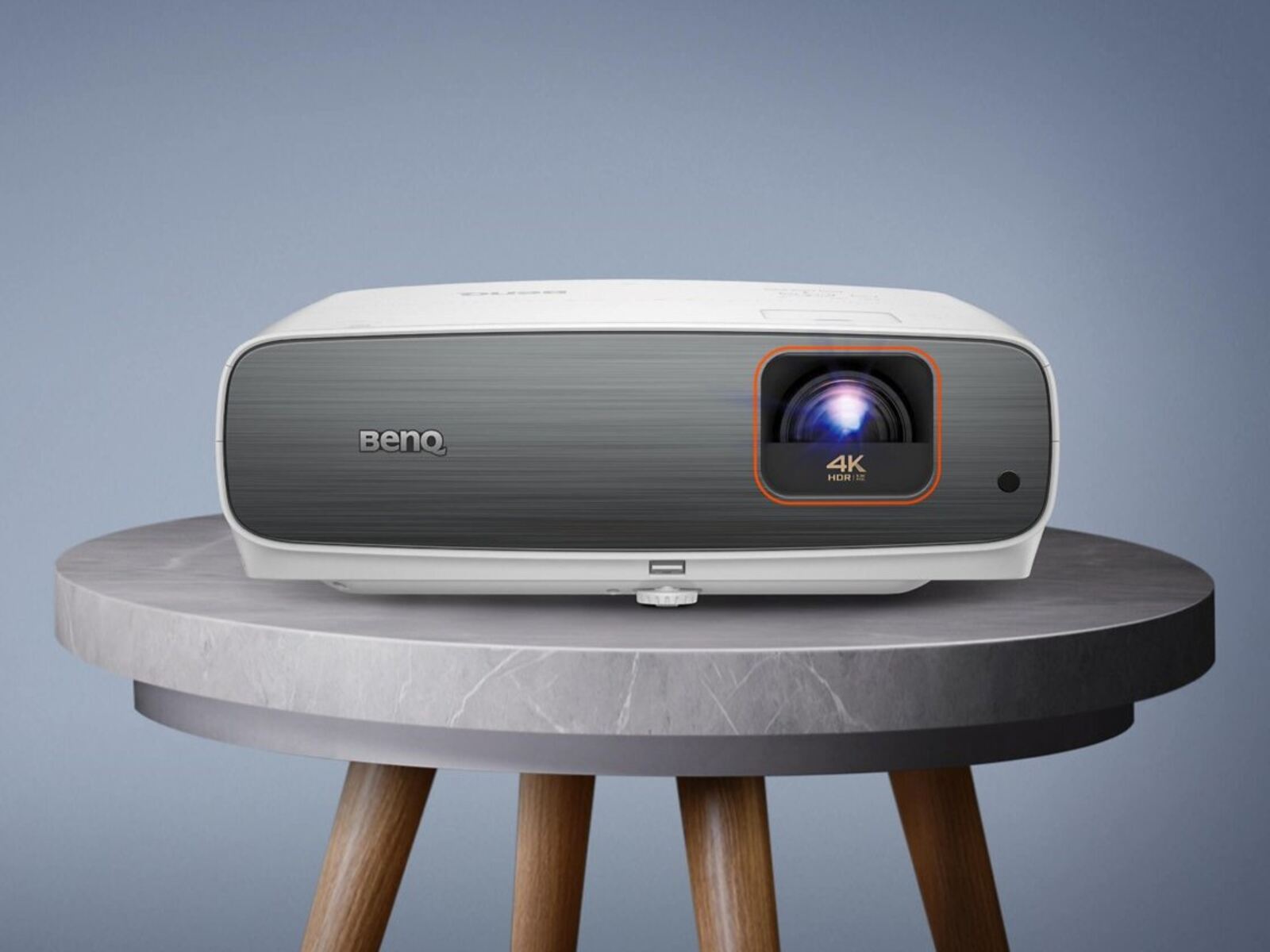
To use a BenQ projector, you connect a video source, like a laptop, streaming stick, or phone, to one of its inputs, power both devices on, select that input with the SOURCE button, and then adjust the focus ring and zoom lever until the image is sharp and correctly sized. The complete process for how to use BenQ projector involves positioning the unit safely, choosing the right cable or wireless method, and using the on-screen menus to fix any distortion or troubleshoot issues.
Before you start: how to use your BenQ projector safely
Proper placement is the first step to getting a reliable image and protecting your hardware. Place the projector on a stable, level, horizontal surface. Avoid tilting it more than 10 degrees left to right or 15 degrees front to back, exceeding these angles can cause the lamp to malfunction or even damage the projector. You also need to maintain a clearance of at least 50 cm (about 20 inches) from walls and other objects on all sides. This ventilation gap prevents overheating, which can lead to auto-shutdown or reduced lamp life. Do not operate the unit in dusty, humid, or excessively hot rooms, and keep the air intake and exhaust vents unobstructed during use.
How to connect your video source to a BenQ projector
Before powering anything on, gather the correct cables for your devices. BenQ projectors typically support HDMI (recommended for digital devices like laptops, streaming sticks, and game consoles), VGA (for older computers), and USB-C connections. For USB-C, make sure the cable supports both Power Delivery (PD) and DisplayPort Alt Mode, this allows the projector to charge your laptop or phone while simultaneously carrying the video signal. Once you have the right cable, securely insert one end into the video source and the other into the matching port on the projector. After both ends are firmly connected, plug in the projector's power cord and turn on the projector first, then power on the connected device. This order helps the projector detect the signal more reliably.
How to connect wirelessly to a BenQ smart projector
If your BenQ model is a Smart Projector (with built-in Android), you can skip cables entirely. For Windows laptops, use Miracast, open the Action Center, select "Connect," and choose your projector from the list. For Android phones, use the Google Home app to cast your screen. For iPhones or iPads, open the projector's built-in Screen Sharing app and mirror your device. BenQ also offers a dedicated wireless system called InstaShow, which uses a small transmitter plugged into your laptop and a receiver on the projector, press the button on the transmitter to display instantly without installing drivers. These wireless options are ideal for conference rooms where you need to switch presenters quickly.
Selecting the input source and getting a clear image
After connecting a wired or wireless source, press the SOURCE button on the projector or remote control. A source selection bar will appear on the screen, use the arrow keys to highlight the correct input (e.g., HDMI 1, VGA, USB-C) and press Enter. Once the image appears, rotate the focus ring on the lens barrel slowly until the text and edges are sharp across the entire screen. If the image is too large or too small for your screen, use the zoom lever (usually located near the focus ring) to adjust the size. For the sharpest result, set the zoom to its middle range and move the projector closer or farther from the screen if needed, rather than relying solely on digital zoom.
How to fix a distorted image with keystone correction
When the projector is not perfectly perpendicular to the screen, the image becomes a trapezoid, wider at the top or one side. Keystone correction digitally stretches the image back into a rectangle. To adjust it, open the On-Screen Display (OSD) menu by pressing the MENU button on the remote, then navigate to the "Keystone" or "Image" section. Use the vertical and horizontal sliders to straighten the edges. Some newer BenQ models offer automatic keystone correction (up to ±40 degrees vertical), which adjusts itself when you move the projector. However, be aware that keystone correction compresses pixels to reshape the image, which can slightly reduce sharpness and may create a gray border around the edges. For the best possible picture quality, physically reposition the projector to minimize the keystone angle before using digital correction.
Troubleshooting: no signal, poor image, or overheating
If you see "No Signal" on the screen, first check that the cable is securely connected at both ends and that you have selected the correct input source on the projector. Restart both the projector and the connected device to re-establish the handshake. If the image is blurry, dim, or distorted, rotate the focus ring again and check the zoom setting. Clean the lens with a soft, dry microfiber cloth, dust buildup is a common cause of perceived poor quality. If the projector shuts down unexpectedly, it is likely overheating: verify that the vents are clear and that there is at least 50 cm of clearance on all sides. Reduce the brightness or switch to Eco Mode to lower heat generation, and check that the air filter is not clogged. If the issue persists, the lamp may need replacement, consult your model's manual for the lamp life indicator.
\nRelated reading: How To Use Onn Projector, How To Set Up Skytrak With Projector, and How To Adjust Benq Projector To Fit Screen.