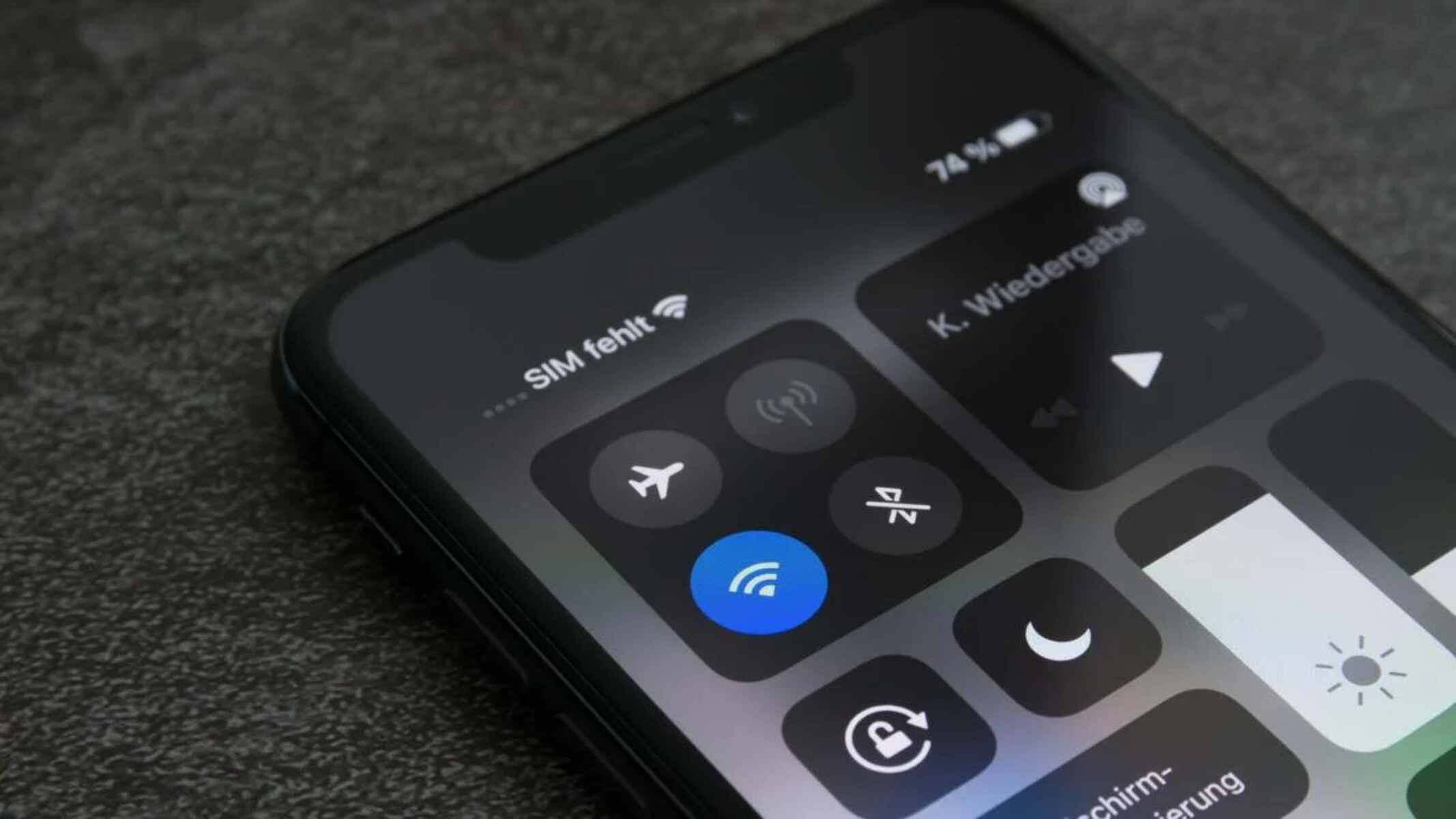
Wi-Fi Assist is the iPhone feature that automatically switches to cellular data when your Wi-Fi connection is weak or unreliable, and it’s turned on by default. This means your iPhone will seamlessly move to your mobile data plan to keep you online, so you don’t have to manually hunt for a better network. If you’ve ever been mid-video call or downloading a file and the connection stuttered, Wi-Fi Assist is what prevents that interruption by using cellular data as a backup.
What is Wi-Fi Assist on iPhone?
Wi-Fi Assist is a built-in iOS feature designed to maintain a stable internet connection by automatically using cellular data when your current Wi-Fi signal is poor. It works in the background, constantly monitoring the strength of your Wi-Fi connection. When the signal drops below a certain threshold, your iPhone will switch to your cellular data plan without any action from you. This is especially useful in situations where you’re connected to a weak or congested public network, like a coffee shop or hotel, and you need a reliable connection for tasks like streaming, video calls, or browsing. The feature is enabled by default on all compatible iPhones, so you’re already benefiting from it unless you’ve manually turned it off.
How to turn Wi-Fi Assist on or off
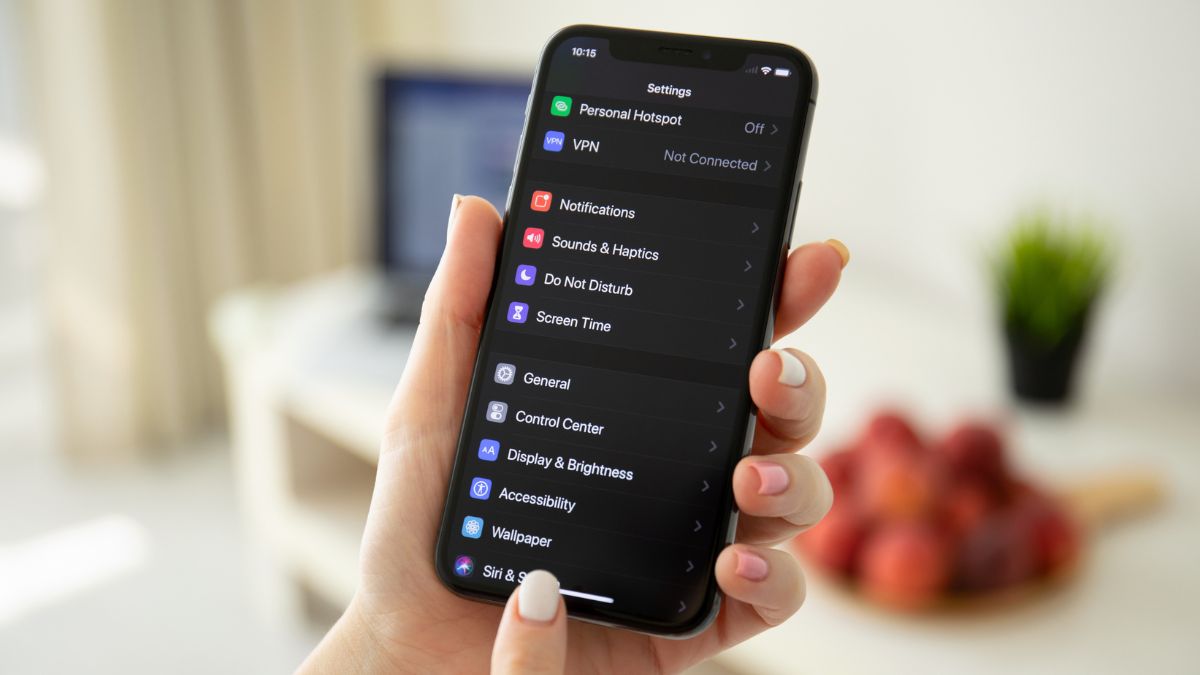
If you want to check whether Wi-Fi Assist is active or prefer to control it manually, the process is simple and only takes a few taps. Here’s exactly how to do it:
- Open the Settings app on your iPhone.
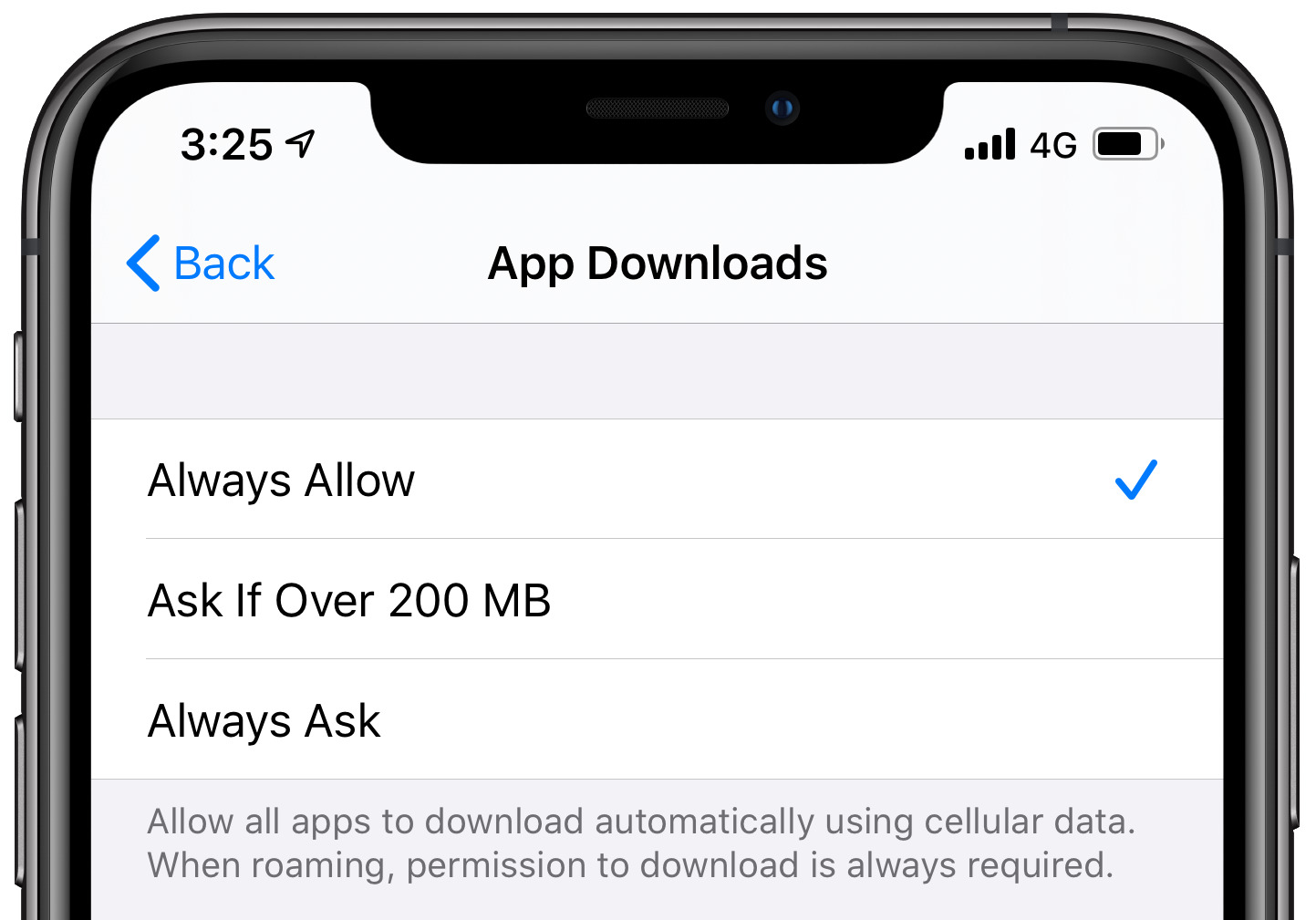
- Tap Cellular (or Mobile Data on some versions).
- Scroll down to the bottom of the page.
- Find the Wi-Fi Assist switch and toggle it on or off.
That’s all there is to it. Once you toggle the switch, your iPhone will immediately apply the change. If you turn it off, your iPhone will no longer automatically use cellular data when Wi-Fi is weak, which might result in slower speeds or connection drops in poor Wi-Fi areas. On the other hand, leaving it on ensures you stay connected, but be mindful of your data usage.
Important things to know about Wi-Fi Assist
While Wi-Fi Assist is a handy feature, it’s important to understand its limitations and how it can affect your data plan. Here are the key caveats to keep in mind:
First, using Wi-Fi Assist can lead to increased cellular data usage. Since the feature automatically switches to your mobile data when Wi-Fi is weak, any heavy activity like streaming video or downloading large files can consume your cellular data allowance without you realizing it. This is particularly relevant if you have a limited data plan. Second, Wi-Fi Assist does not activate when you are on international roaming. Apple has built in this restriction to help you avoid unexpected roaming charges, so the feature will only work when you’re in your home country or on a domestic network. Third, the feature only works when apps are running in the foreground. It does not activate for background content downloads, such as automatic app updates or background app refreshes, which means those tasks will still rely solely on Wi-Fi. Lastly, Wi-Fi Assist may not activate with some third-party apps that stream audio/video or download large attachments. Apple designed it this way to prevent excessive data usage, so certain apps like Netflix or YouTube might not trigger the switch even if your Wi-Fi is poor, to protect your data cap. Understanding these points helps you decide when to rely on Wi-Fi Assist and when to manually manage your connections.
\nRelated reading: How To Connect Hotspot To Tablet, Connecting Hotspot From iPhone To Android: User Guide, and Deleting Hotspot History On iPhone: Quick Steps.