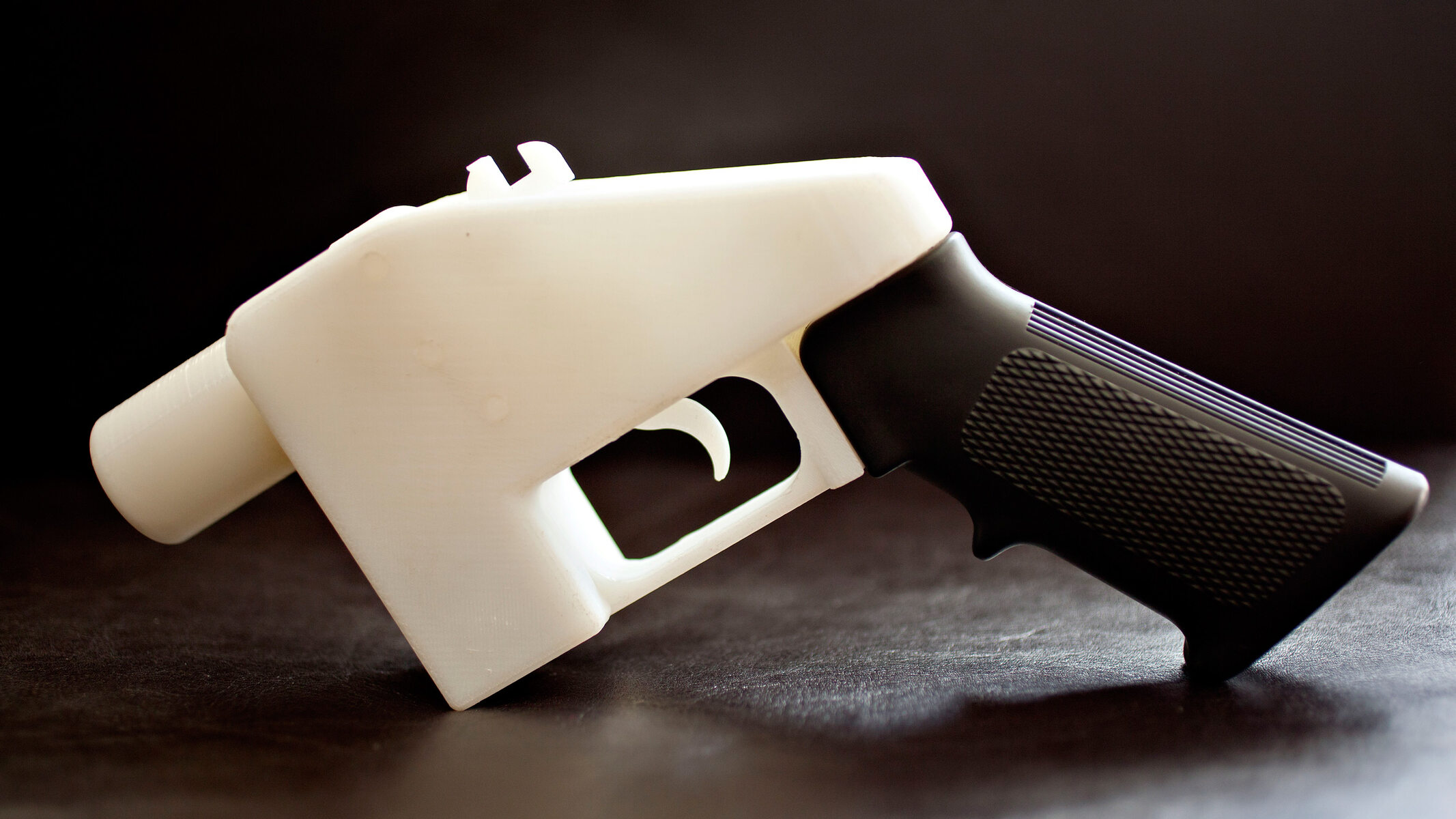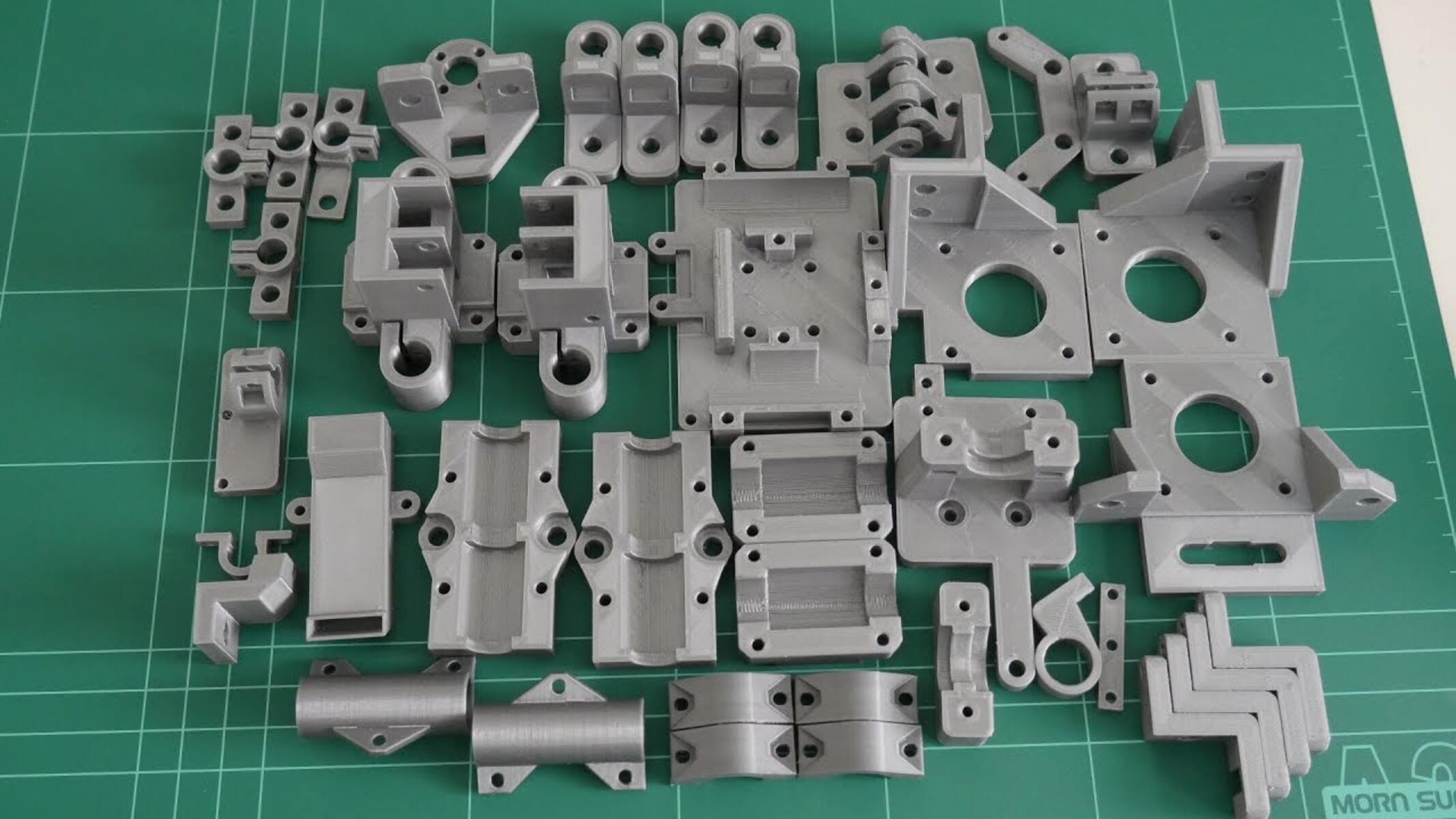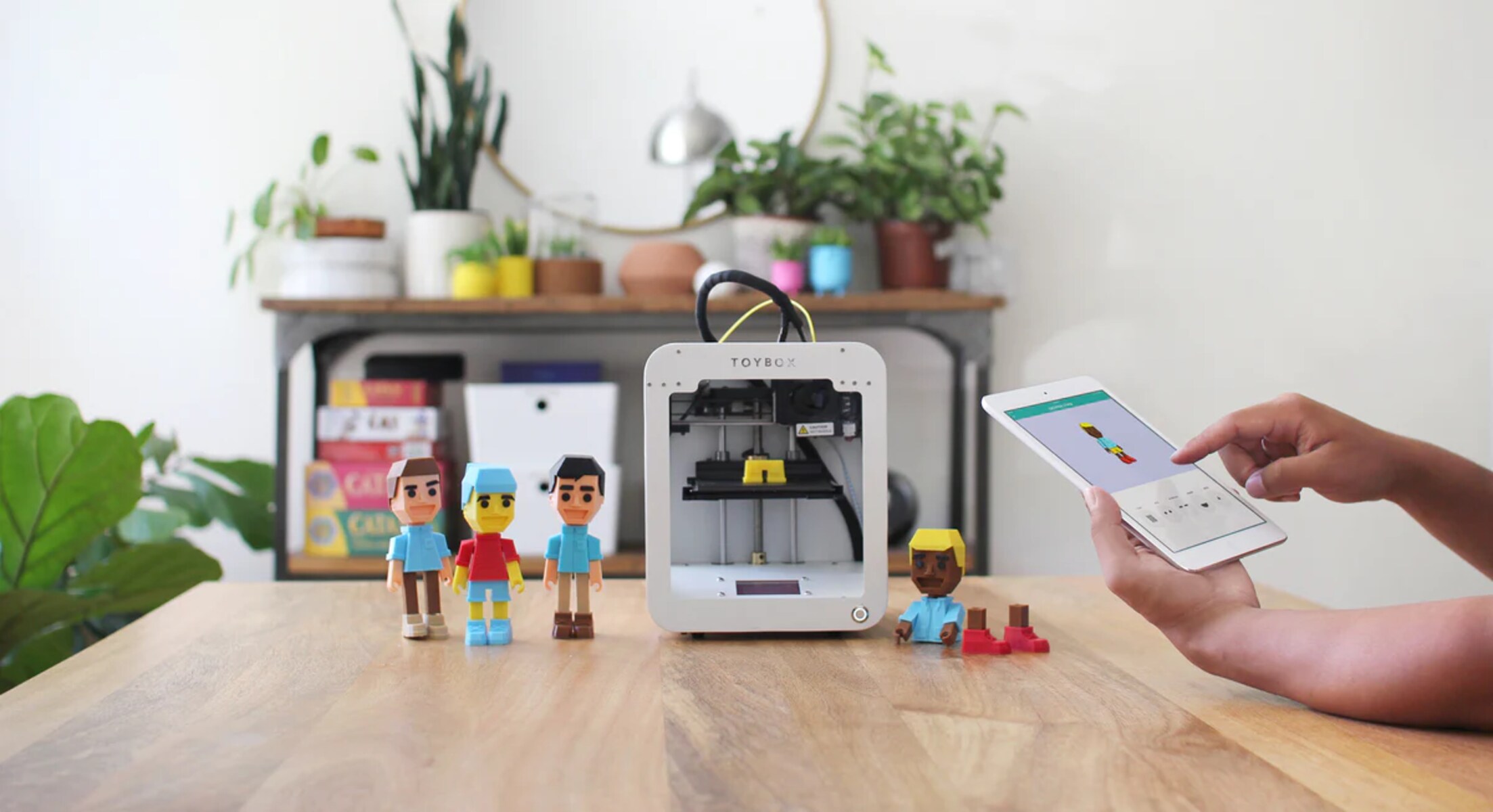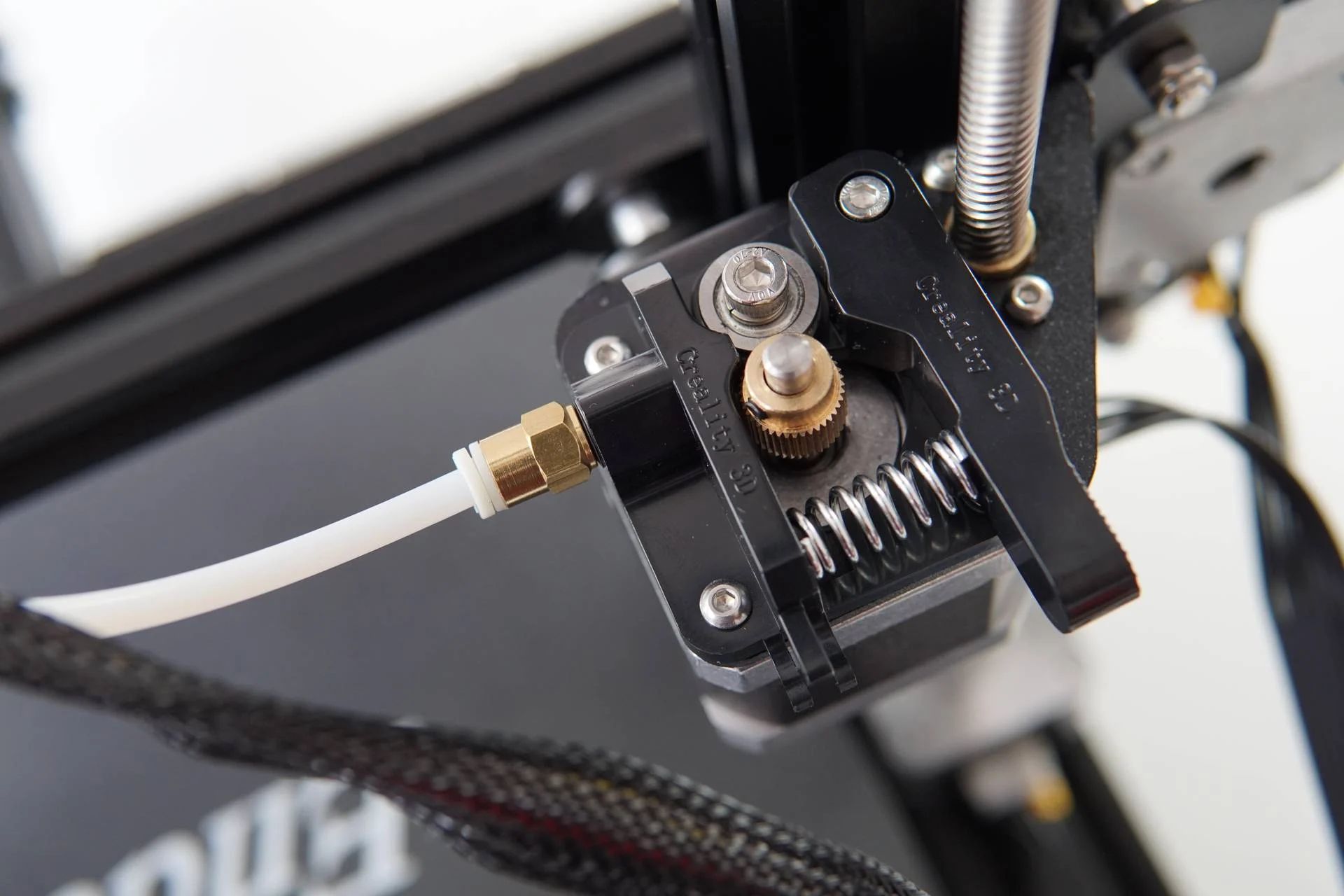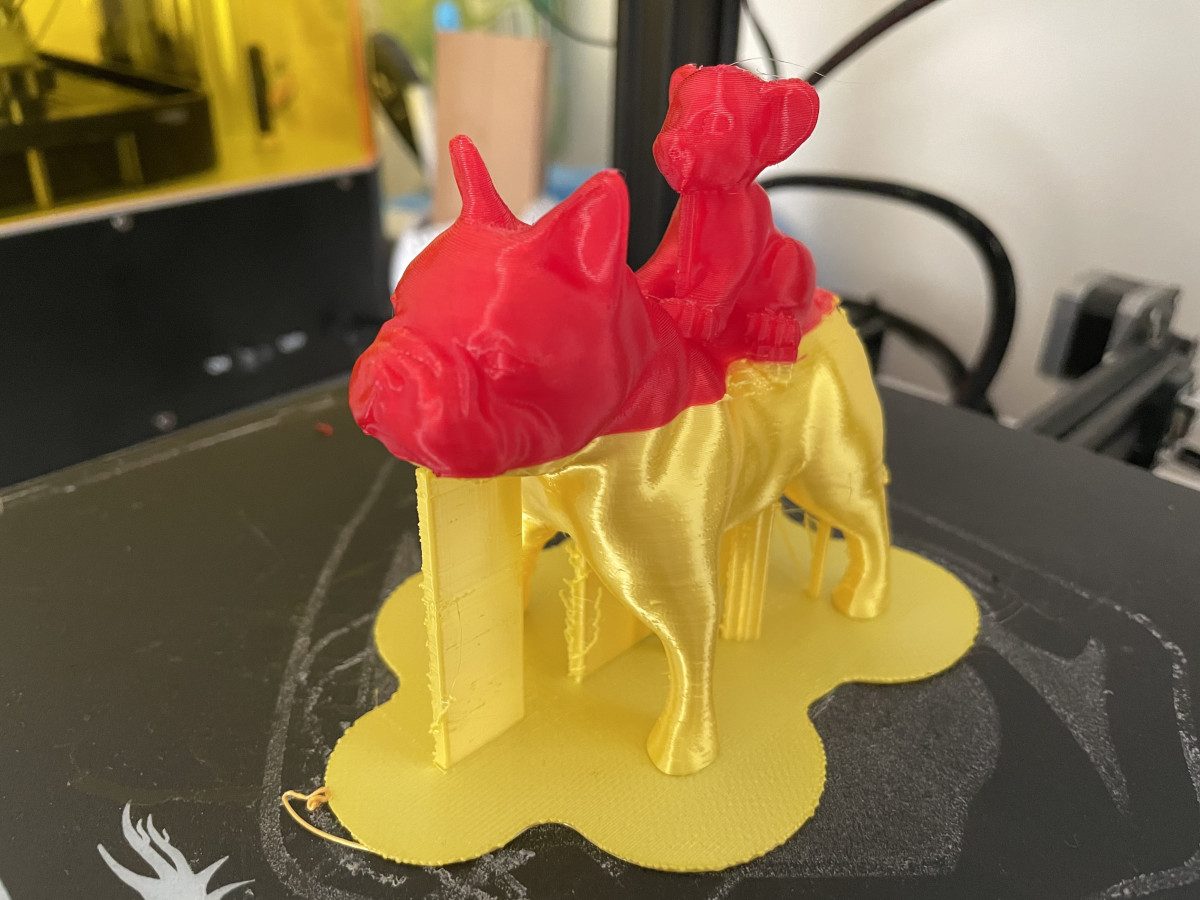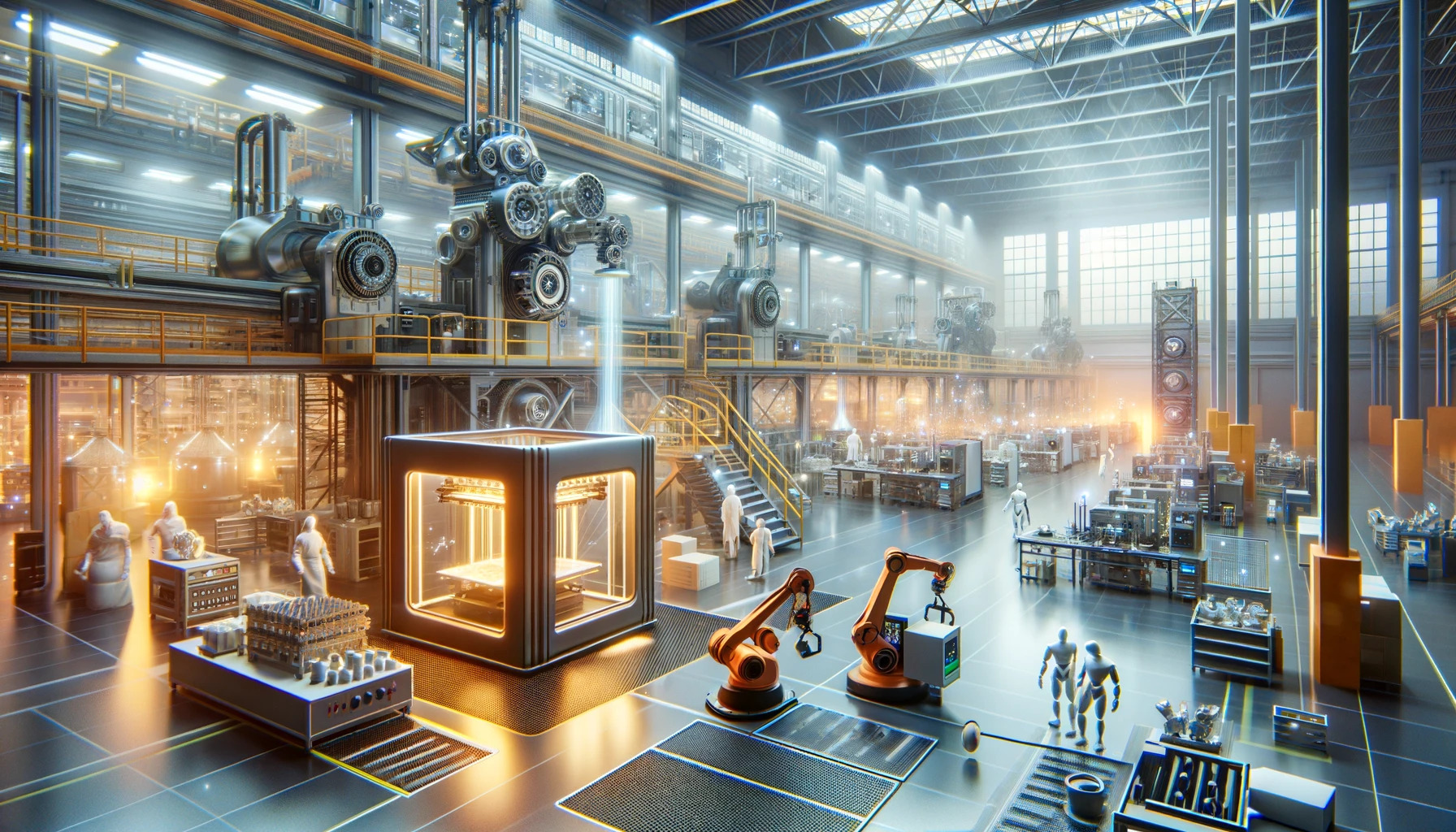
The impact of 3d printing on manufacturing is fundamentally shifting production economics by eliminating expensive tooling costs for low-to-mid volume runs and slashing prototyping cycles, which directly accelerates time-to-market. This additive technology allows companies to iterate designs in hours instead of weeks, making it a strategic advantage for businesses that need to respond quickly to market demands or produce customized parts without the financial burden of traditional molds and dies. For those setting up their first workstation, learning to use an iiip 3D printer provides an accessible entry point into this rapid prototyping workflow. Post-processing often follows printing, and knowing the ideal isopropyl alcohol percentage for 3D printing keeps resin parts clean without damaging them.
The economic impact of 3d printing on manufacturing
Traditional manufacturing has long relied on economies of scale, where the high upfront cost of tooling, such as injection molds and stamping dies, is justified only by massive production volumes. 3D printing disrupts this model by removing tooling costs entirely. For low-to-mid volume production and complex parts, additive manufacturing is often more economical because there is no need to amortize expensive tooling across thousands of units. This economic shift means that small batch production, spare parts manufacturing, and highly customized components become financially viable where they were previously cost-prohibitive. Additionally, the ability to rapidly prototype and iterate designs reduces time-to-market, allowing companies to validate products faster and capture market opportunities sooner.
Benefits of 3d printing in traditional manufacturing
Rapid prototyping with faster iteration
3D printing has revolutionized the concept of prototyping. Designs can be brought from digital models to physical objects in a matter of hours, allowing for rapid iteration and innovation. This speed enables engineers and designers to test form, fit, and function repeatedly without waiting weeks for tooling changes, dramatically compressing product development cycles.
Economical customization at scale
The technology enables the production of customized parts without the need for expensive molds or setups, making it cost-effective to produce even single items tailored to specific requirements. Whether for medical implants, automotive components, or consumer goods, customization no longer requires a premium price tag.
Waste reduction through additive processes
Traditional manufacturing methods, which often involve subtractive processes, can lead to significant material waste. In contrast, 3D printing is inherently additive, using only the material needed to build an object, thereby minimizing waste. This efficiency reduces raw material costs and environmental impact simultaneously.
Enabling complex designs
3D printing allows for the creation of complex geometries that are either impossible or prohibitively expensive with traditional methods, opening up new possibilities in design and functionality. Lightweight lattice structures, internal channels, and organic shapes become production-ready without additional assembly steps.
Supply chain simplification via on-demand production
By enabling on-demand production closer to the point of use, 3D printing can significantly reduce the need for inventory and logistics, simplifying supply chains and potentially reducing carbon footprints. Companies can print parts as needed rather than warehousing large stocks, lowering carrying costs and obsolescence risk.
Challenges and limitations of 3d printing
Speed and scalability issues for high-volume runs
One limitation of 3D printing is its speed. Traditional manufacturing methods, especially for high-volume production, can be faster and more cost-effective for large-scale production runs. While additive manufacturing excels at low volumes, it currently cannot match the cycle times of injection molding or stamping for millions of identical parts.
Material limitations compared to traditional methods
Although advances continue, the range of materials suitable for 3D printing is still limited compared to those that can be used in traditional manufacturing processes. High-performance metals, engineering-grade thermoplastics, and composite materials are expanding but remain less diverse than the full palette available to conventional manufacturing.
Strength and durability gaps that are closing
Parts produced by 3D printing may not always match the strength or durability of those made through conventional methods, although this gap is steadily closing with technological advancements. Layer adhesion, anisotropy, and surface finish remain areas of active improvement, with new processes like metal binder jetting and continuous fiber reinforcement narrowing the performance divide.
Barrier of initial costs and training
The initial investment in 3D printing technology and the need for skilled operators, such as a 3D printing engineer, can be a barrier for smaller manufacturers. Beyond the hardware cost, companies must invest in software, post-processing equipment, and workforce training to achieve consistent, production-grade results.
The role of 3d printing in reshoring manufacturing jobs
Localization of production
3D printing's ability to produce goods on-demand and at the point of need reduces the reliance on overseas manufacturing, making it economically viable to bring production back home. This localization eliminates long shipping lead times and enables faster response to regional demand fluctuations.
Customization and niche manufacturing
The technology's strength in customization opens up opportunities for small and medium-sized enterprises to specialize in niche markets, potentially creating new local jobs. Rather than competing on mass production, local manufacturers can serve specialized industries like medical devices, aerospace tooling, or custom industrial components.
Driving enhanced innovation locally
With 3D printing, companies can iterate designs more rapidly, leading to faster innovation cycles and the need for creative and technical roles within local economies. Design engineers, materials scientists, and application specialists become essential to maximizing the technology's potential.
Building more resilient, localized supply chains
Recent global disruptions have highlighted the vulnerability of extended supply chains. 3D printing offers a way to build more resilient, localized supply chains, further supporting the case for reshoring. When a critical part is needed, it can be printed locally rather than waiting weeks for overseas shipment, reducing downtime and dependency on single-source suppliers.
The integration of 3D printing into traditional manufacturing heralds a new era of production, one that is more flexible, sustainable, and innovative. While challenges remain, the benefits are undeniable, offering a compelling case for the continued adoption of 3D printing technologies. As we navigate the limitations and explore solutions, the potential for reshoring manufacturing jobs presents a hopeful future, where local economies can thrive through the resurgence of manufacturing sectors, driven by innovations pioneered by cbit in advanced production techniques. The journey of integrating 3D printing into the broader manufacturing ecosystem is just beginning, and its full impact remains to be seen. However, one thing is clear: the future of manufacturing is being reshaped, layer by layer, through the capabilities of 3D printing.