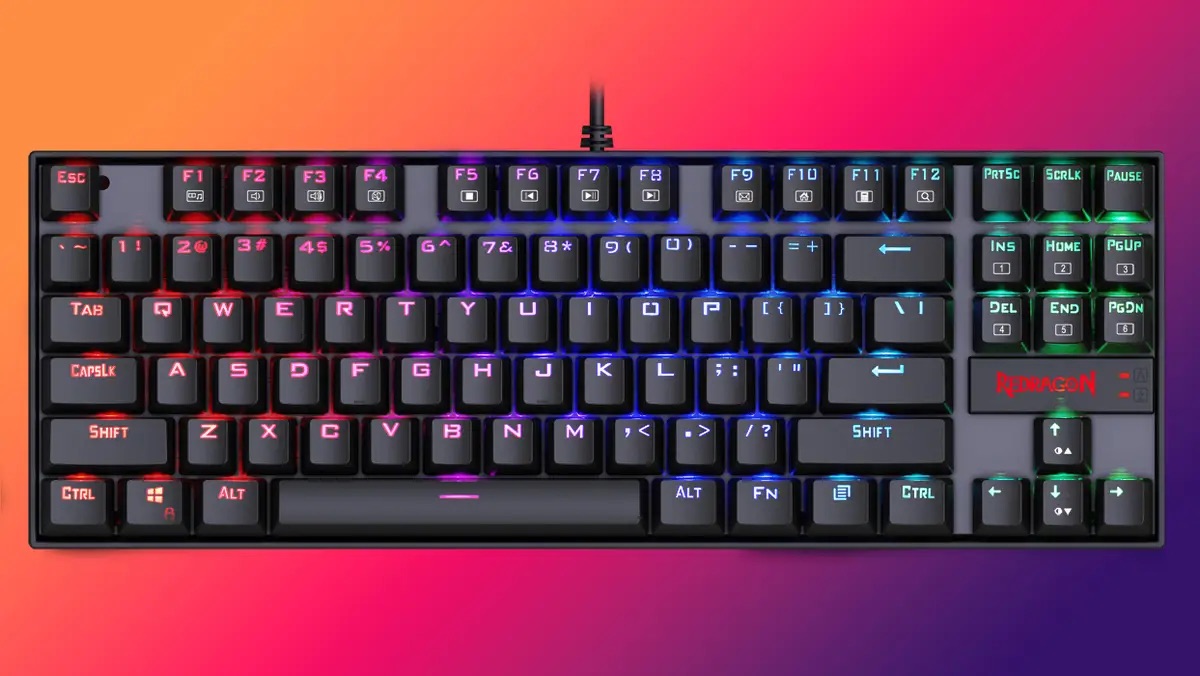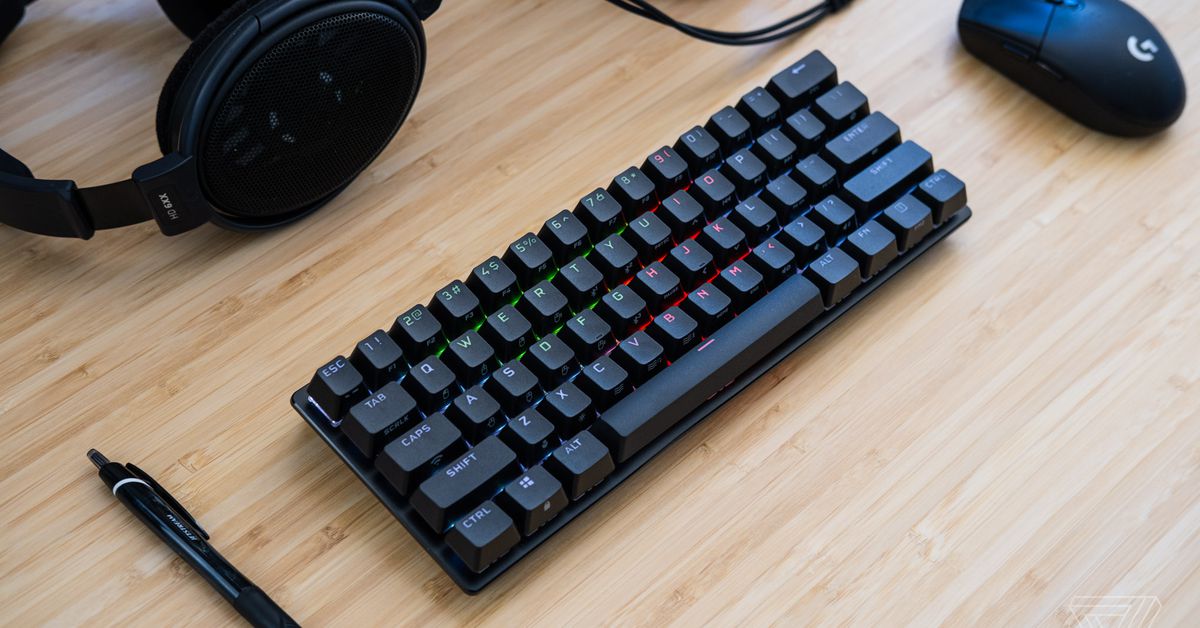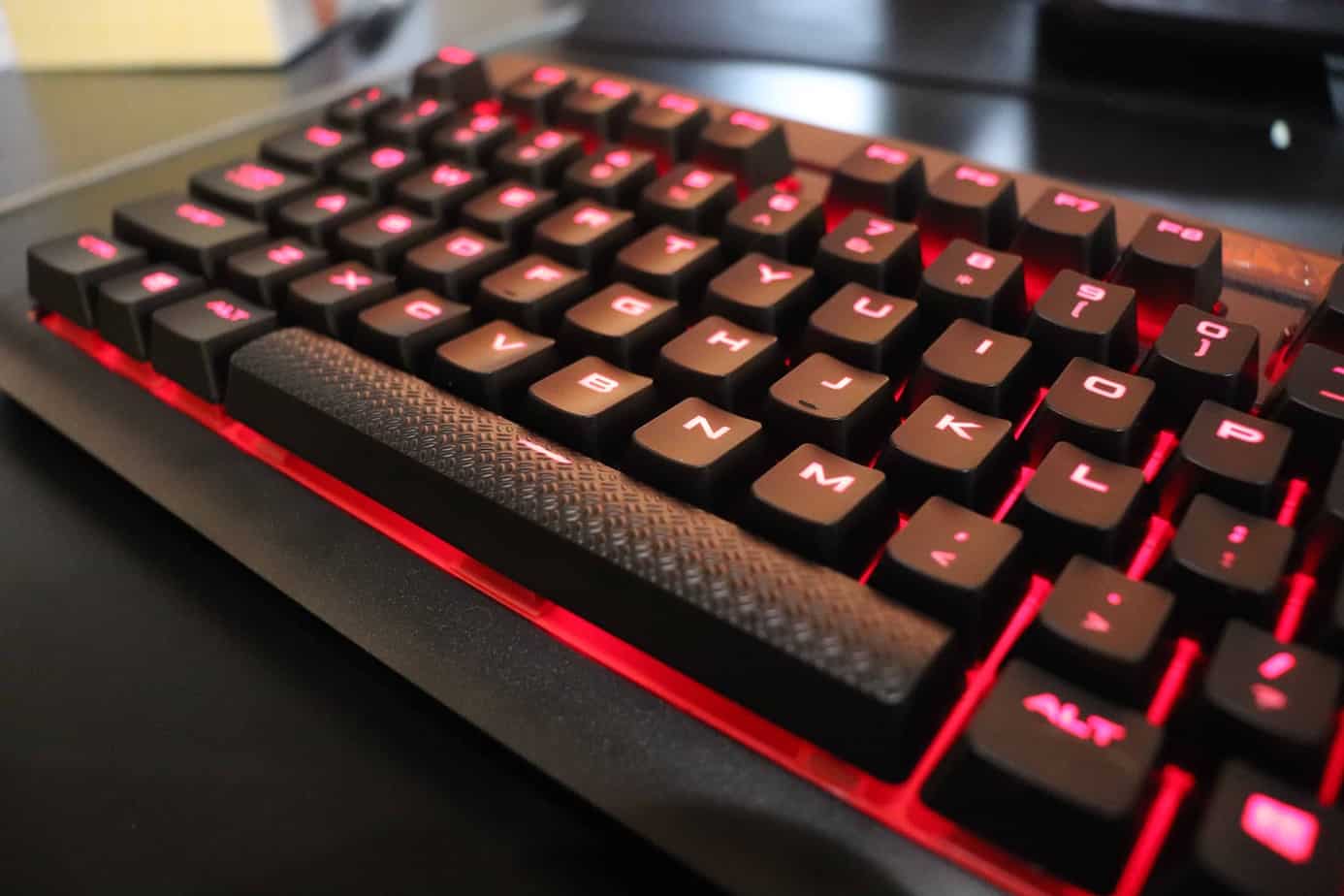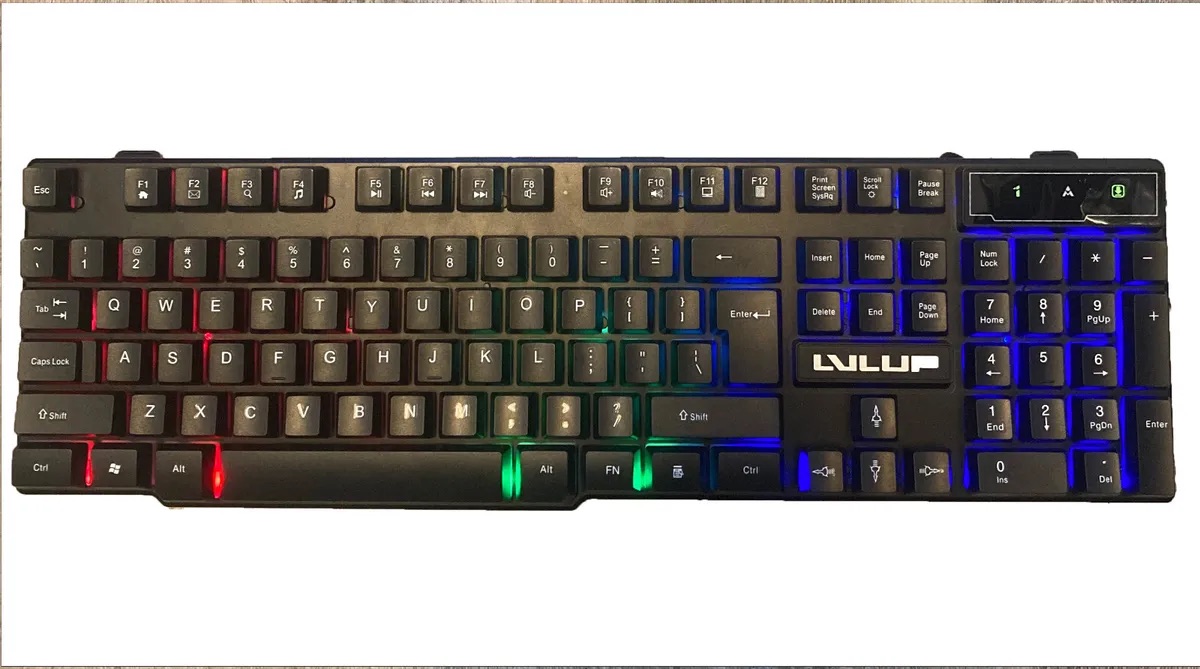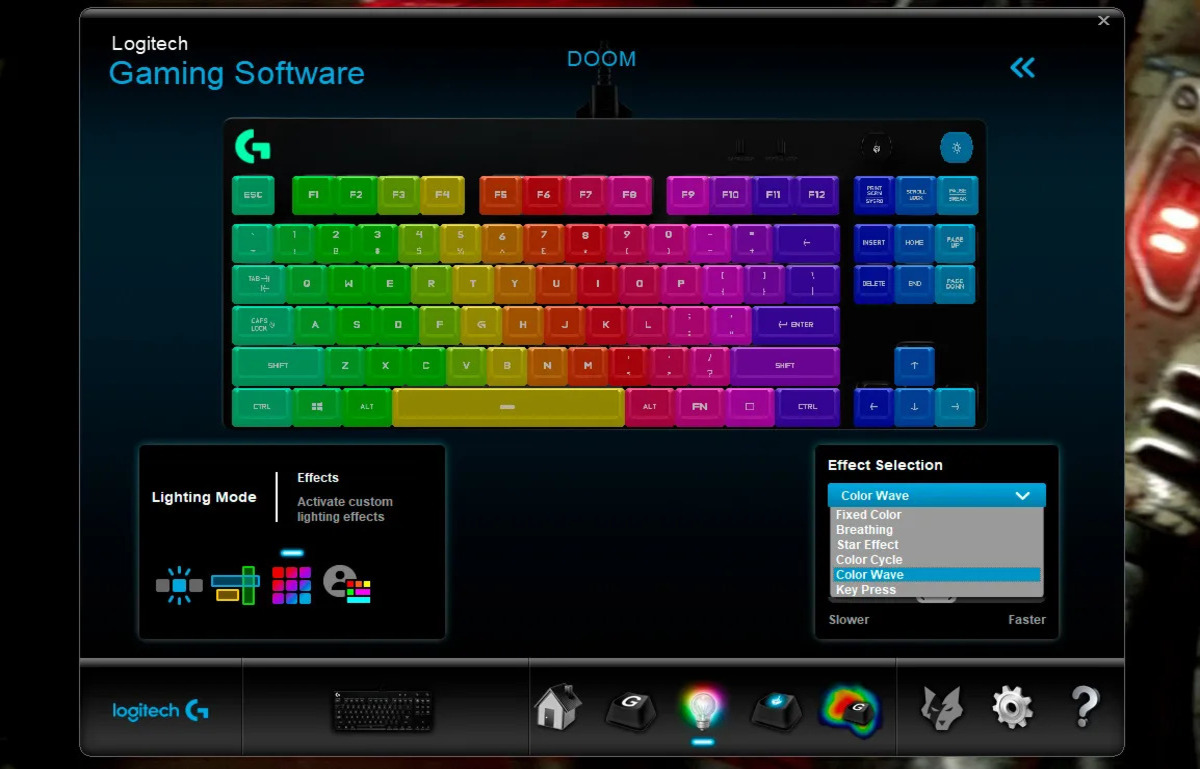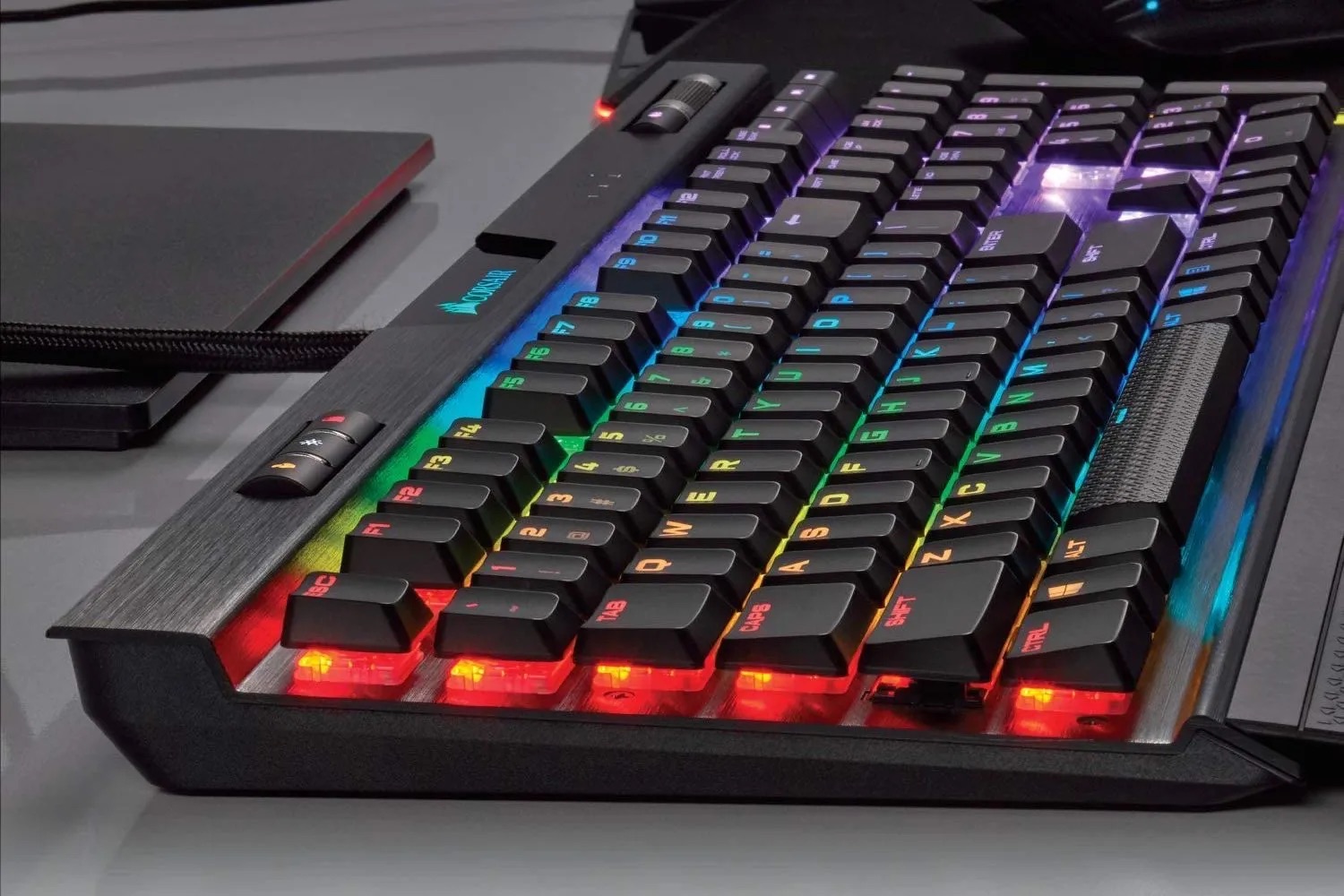
The fastest way to stop flashing on an LED backlit gaming keyboard is to open its manufacturer software, like Razer Synapse, Corsair iCUE, or Logitech G HUB, and set the lighting profile to a static color or turn the illumination off entirely. This gives you direct control over the lighting engine, so you can kill the pulse or wave effect in seconds without hunting for a hardware shortcut.
How to stop a flashing LED backlit gaming keyboard
Most gaming keyboards ship with a dedicated app that controls every lighting zone and effect. These apps are the most universal method because they expose the exact setting that triggers the flashing, usually a "reactive," "wave," or "pulse" mode. Open the software for your brand, find the lighting or illumination tab, and switch the effect to a static option like a solid color or simply set brightness to zero. If you want to keep the backlight on but stop the flashing, choose a fixed color and disable any animation or transition effects. This approach works across Razer Synapse, Corsair iCUE, Logitech G HUB, SteelSeries GG, and HyperX NGENUITY, so you don't need to memorize per-key commands unless you prefer them.
Turn off flashing lights with keyboard shortcuts
If you don't want to install or open software, most keyboards include built-in hardware shortcuts that cycle through lighting modes or turn the backlight off. These usually involve holding the "Fn" key and pressing a function key or an arrow key. For SteelSeries keyboards, press and hold the SteelSeries key plus the Illumination Brightness Key (Down), which is F11, to reduce brightness until the lights turn off entirely. For HyperX models, hold Fn and use the arrow keys to cycle through modes or adjust brightness until you land on a static setting. The Corsair K55 RGB PRO has its own onboard system: hold the FN key and press number keys 6 through 0 to set dynamic lighting effects in hardware mode, or hold FN and press the ~ key to revert to the default watercolor effect. These shortcuts are stored on the keyboard itself, so they work even when the software isn't running, which is handy for tournament settings or a clean desktop.
Disable all illumination in SteelSeries GG software
For SteelSeries users who want a software-based solution, the GG app gives you granular control over every lighting layer. Start by opening GG and selecting the "Engine" tab, then choose your keyboard from the list. Once the keyboard's page loads, go to the illumination tab, where you'll see three separate effect layers that can each cause flashing if left active.
- Select all keys on the on-screen keyboard diagram so your changes apply to the entire board.
- Under the Base Effect dropdown, choose "Off" to stop any constant or animated lighting.
- Under the Reactive Layer dropdown, choose "Off" to disable lights that flash when you press a key.
- Under the AFK Effect dropdown, choose "Off" to stop any idle animation that triggers when you step away.
This method is thorough because it kills every possible source of flashing, not just the base effect but also the temporary effects that fire on keystrokes or after inactivity. If you only turn off the base effect, a reactive layer can still make the keyboard light up in bursts, so check all three. Once all are set to "Off," the keyboard will stay completely dark until you re-enable a profile, which is helpful if you later need to turn on keyboard light on asus tuf gaming laptop.
Other quick fixes for persistent keyboard flashing
If software and shortcuts don't stop the flashing, the issue might be deeper than a lighting profile. First, update the keyboard's firmware and its companion software, manufacturers often release patches that fix glitches in the lighting controller. Next, check the USB connection: a loose cable or a low-power port can cause erratic behavior, including flickering or pulsing that isn't tied to any setting. Try a different USB port, preferably a direct one on the motherboard or a powered hub, and make sure the connector is fully seated. If the problem persists, perform a factory reset on the keyboard, most models have a reset function, often via a pinhole button on the underside or a specific key combination, to clear any corrupted onboard profiles. As a last resort, contact the manufacturer's support team; they can confirm whether the hardware is faulty and may offer a replacement under warranty. These steps cover the most common causes, but if you're using a budget brand and the software is limited, you might also need to change color of AULA gaming keyboard through a generic driver rather than a polished app, since some off-brand keyboards hide lighting controls there. That said, the same principle applies: find the lighting section, pick a static mode, and disable any reactive or breathing effects.
\nRelated reading: How To Take A Screenshot On A Gaming Keyboard.