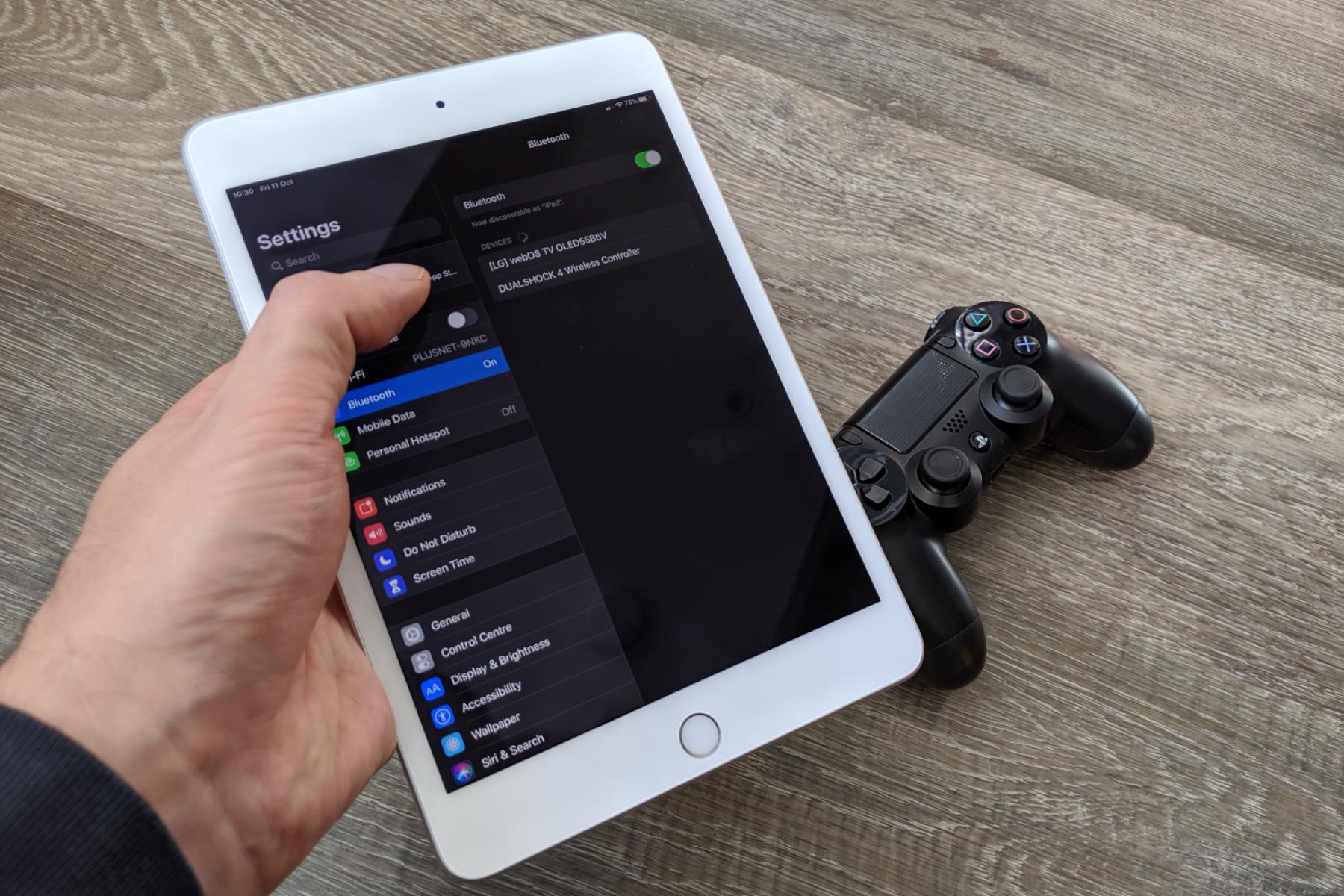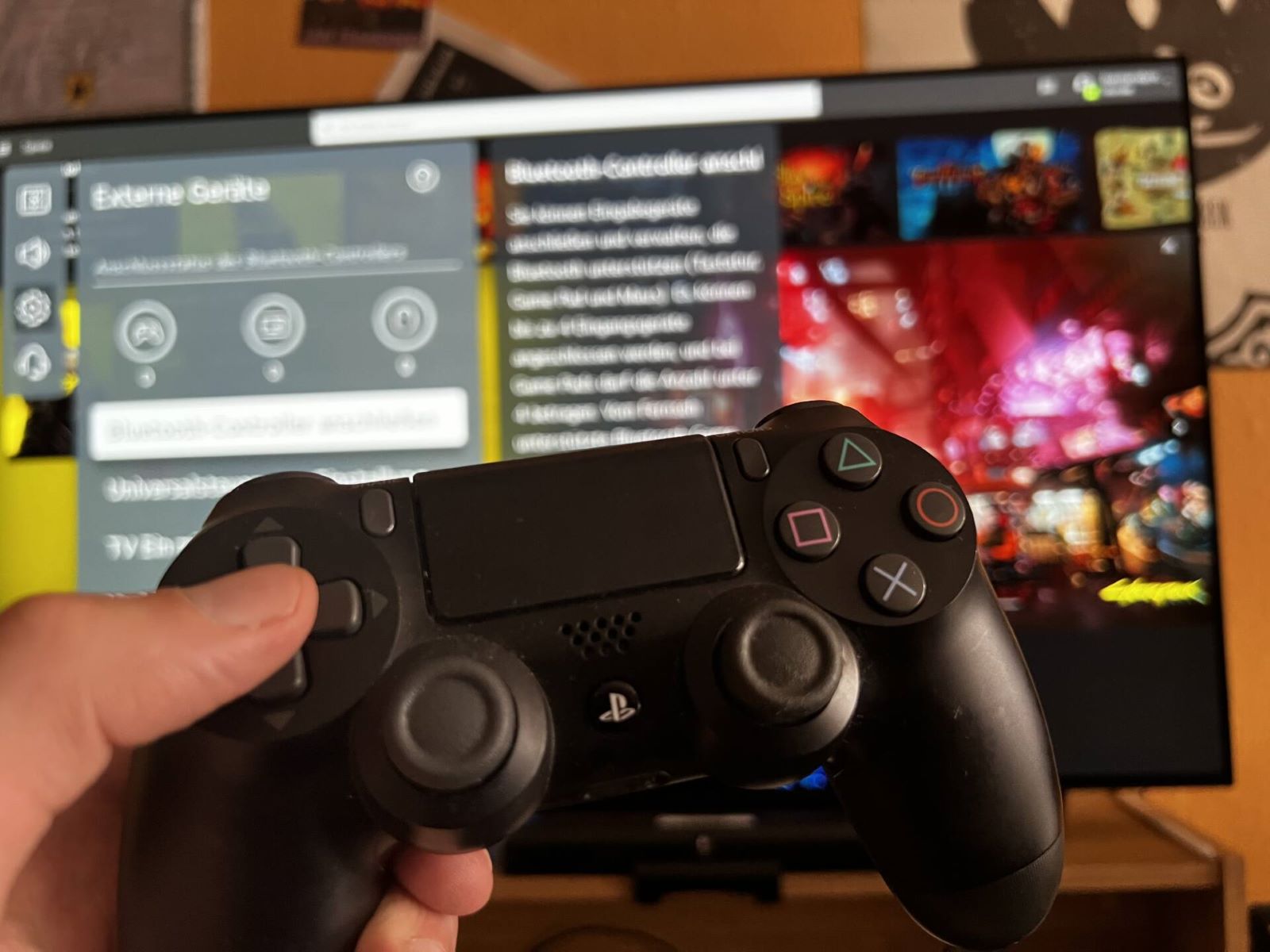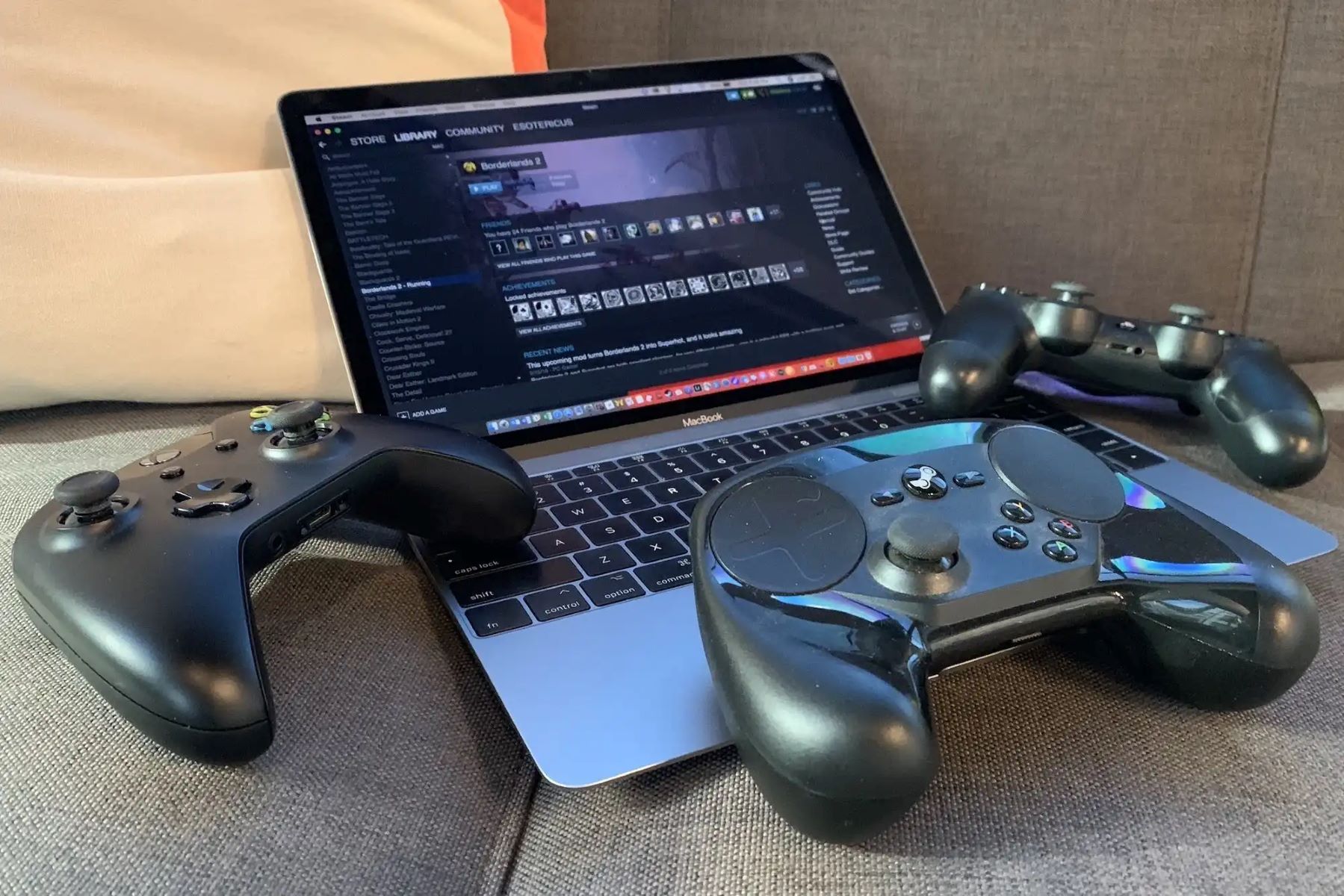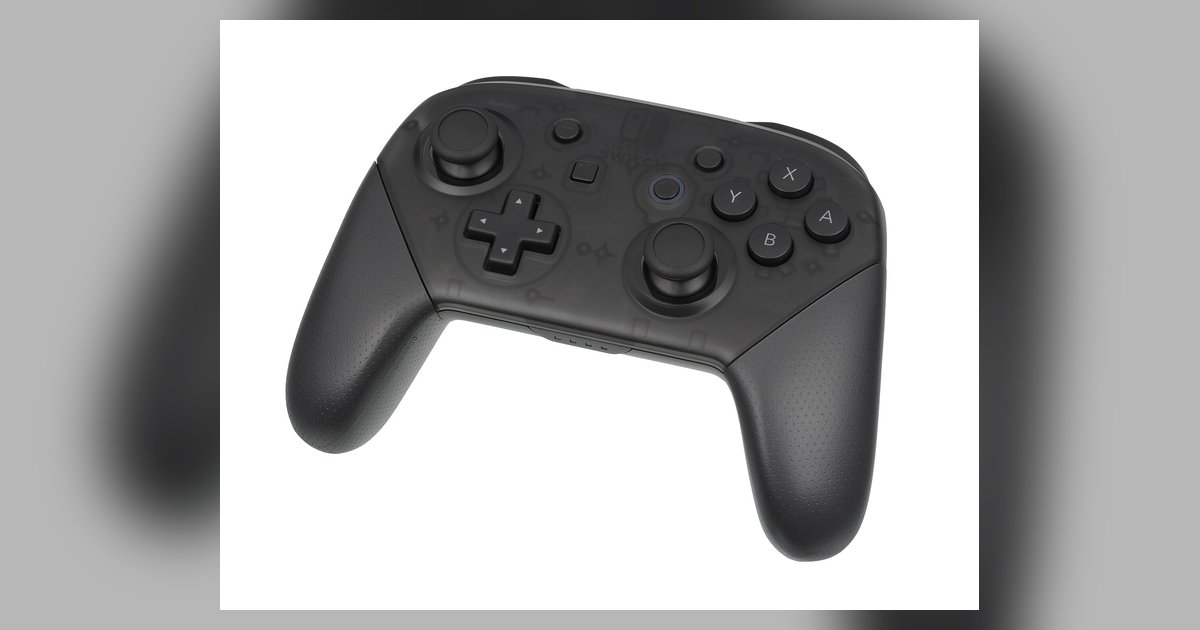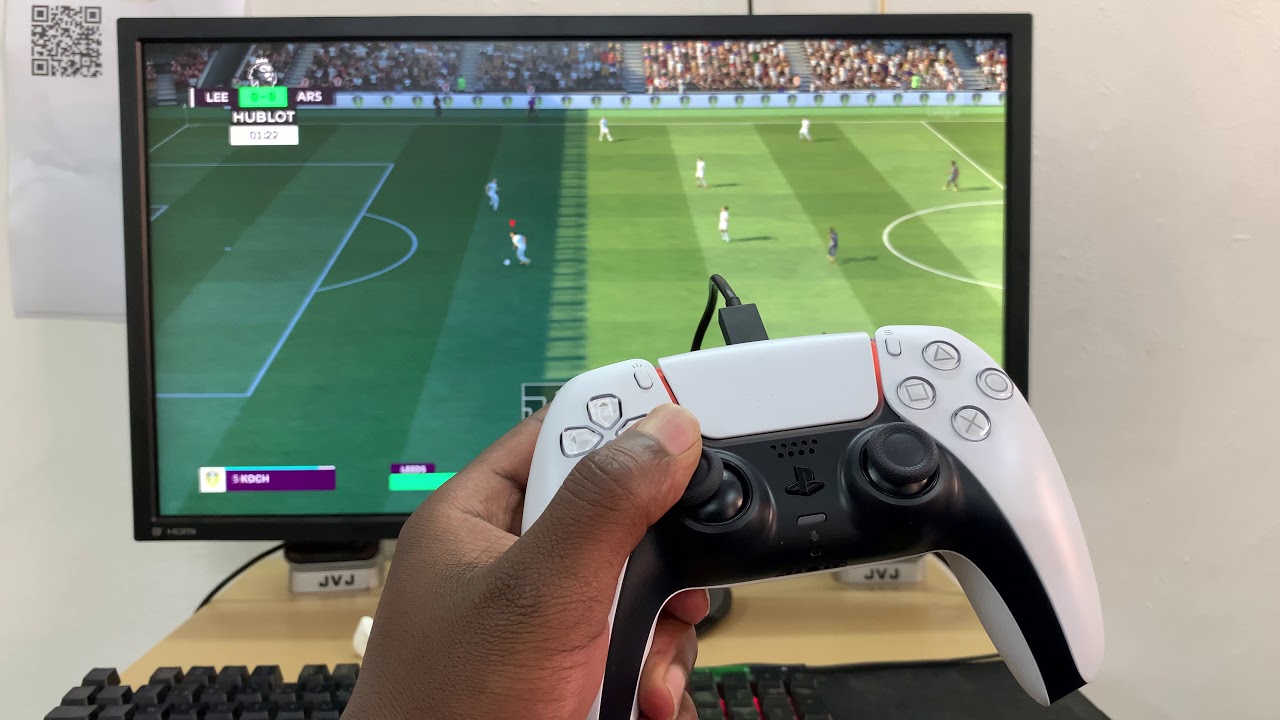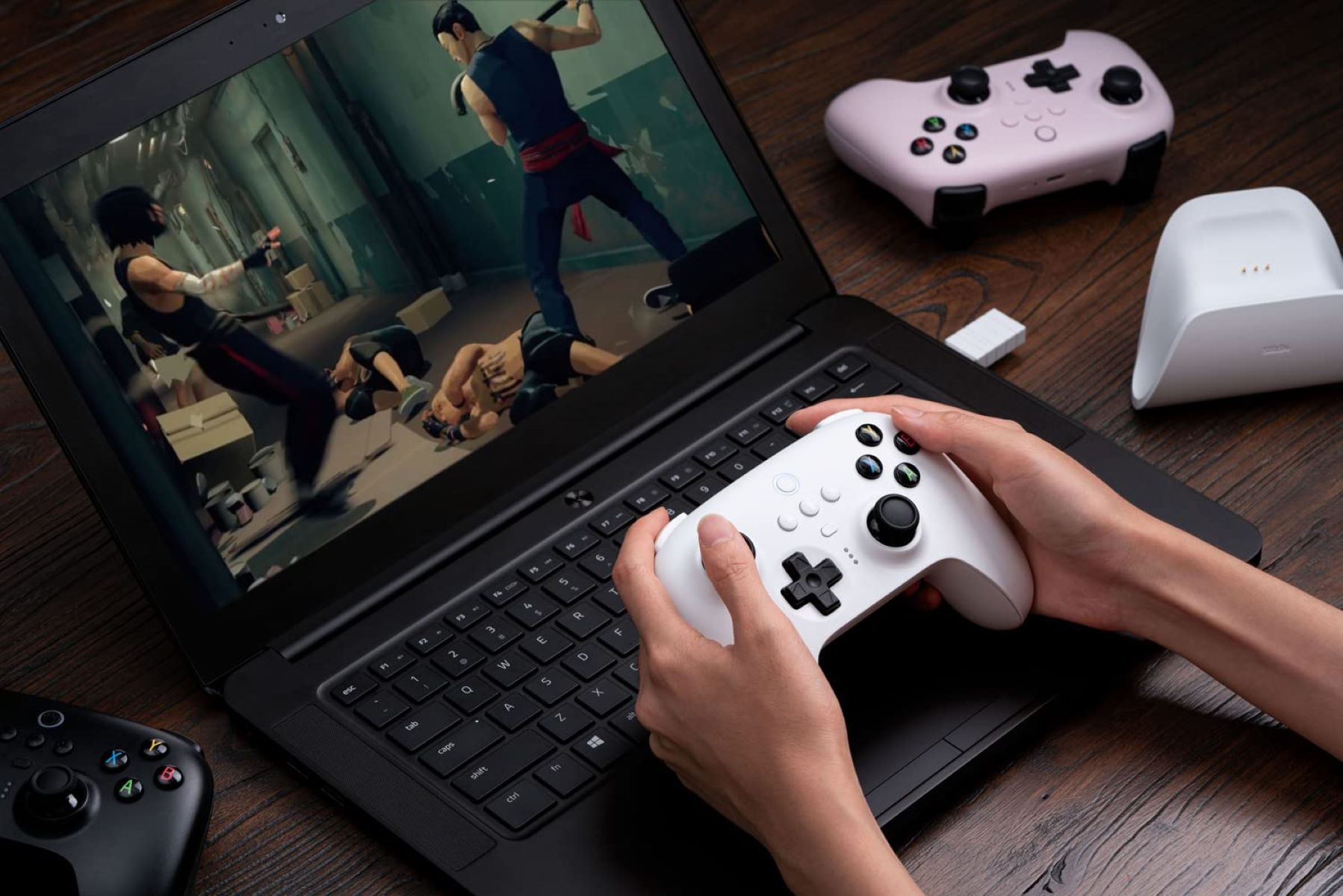
To connect a Bluetooth game controller to Windows 10, open Settings > Devices > Bluetooth & other devices, turn on Bluetooth, put your controller in pairing mode, and select it from the list. If your controller isn't showing up, you may need to add a game controller to Bluetooth from scratch by clearing old pairings. This works for Xbox, PlayStation, and third-party controllers, but you must verify compatibility first, especially the Windows 10 Anniversary Update requirement and the single-controller limit, before you start. If you're using a PlayStation pad, you can connect PS4 controller Bluetooth with the specific button combination that forces pairing mode.
Before You Start: Compatibility You Must Check
Not every controller pairs the same way, and some won’t pair at all without the right Windows version or hardware. Your PC must have Bluetooth built-in or a USB Bluetooth adapter plugged into a USB port. If you’re using an Xbox Wireless Controller, your PC must be running the Windows 10 Anniversary Update or later. The original launch version of the Xbox One controller does not have Bluetooth built-in, so it cannot connect wirelessly to your PC. Microsoft also recommends using only a single Xbox Wireless Controller at a time when connecting via Bluetooth, pairing multiple controllers simultaneously is not supported. For PlayStation 4 (DualShock 4) and PlayStation 5 (DualSense) controllers, some features like the touchpad, rumble, motion sensor, and headphone jack may not be supported when connected to a PC via Bluetooth. If your PC lacks Bluetooth entirely, a USB Bluetooth adapter is the only way to proceed.
Turn on Bluetooth on Your Windows 10 PC
Bluetooth must be enabled before your PC can detect any controller. The fastest way is through the Action Center icon on the taskbar, click it, then click the Bluetooth tile to turn it on. If you prefer the Settings path, open Start > Settings > Devices > Bluetooth & other devices, then toggle the Bluetooth switch to “On.” Either method works, and you’ll know Bluetooth is active when the tile highlights or the switch shows “On.”
Put Your Game Controller into Pairing Mode
Pairing mode makes your controller discoverable to your PC. The exact button combination varies by controller model, so check your controller’s documentation if you’re unsure. For most Xbox Wireless Controllers, press and hold the Pair button (the one with the wireless icon on top) until the Xbox logo blinks rapidly. For PlayStation controllers, hold the Share button and the PS button simultaneously until the light bar blinks. Third-party controllers may use a dedicated “Pair” or “Sync” button. In all cases, watch for a blinking LED, that’s the signal that the controller is actively broadcasting and ready to pair. If the LED stays solid or turns off, the controller isn’t in pairing mode, so repeat the button combination.
Pair the Controller with Your PC
Once your controller is in pairing mode and Bluetooth is on, follow these steps:
- Open Start > Settings > Devices > Bluetooth & other devices.
- Click “Add Bluetooth or other device” (the plus sign at the top).
- In the “Add a device” window, select “Bluetooth” as the device type.
- Wait for your controller to appear in the list of discoverable devices.
- Select your controller from the list and follow any on-screen instructions to complete the pairing.
Windows 10 will handle the rest, no codes to enter in most cases. Once paired, the controller appears in your Bluetooth devices list as “Connected” and is ready for use.
What to Do When the Controller Won't Connect
If the controller doesn’t appear or fails to pair, start by toggling Bluetooth off and on again in Windows Settings. This often clears temporary glitches. If the controller previously paired but now won’t connect, remove the device from the “Bluetooth & other devices” list, then re-pair it from scratch. Update your Bluetooth drivers via Device Manager or Windows Update if connection problems persist, outdated drivers are a common cause. Avoid using obsolete software like ScpToolkit for PlayStation 3 controllers, as it can cause issues and harmful versions with malware exist. Also, remember the single-controller limit for Xbox Wireless Controllers; if you’re trying to connect a second one, disconnect the first. If none of these steps work, verify your controller has fresh batteries and is within range of your PC’s Bluetooth radio.
Next: Set Up Your Controller for Games
Once connected, launch any game that supports controller input and check its settings menu for input configuration. Most modern games automatically detect your controller, but you may need to select it as the input device or remap buttons to your preference. For deeper setup, explore per-game controller profiles or use Windows’ built-in game controller settings to test button responses. If you’re using a PlayStation controller, remember that advanced features like the touchpad or motion controls won’t work over Bluetooth on Windows 10, stick to games that rely on standard buttons and analog sticks. For more specific guidance, see our detailed guides on connecting a game controller, connecting a controller to PC, connecting a PS5 controller via Bluetooth, and connecting a PS4 controller via Bluetooth. These resources cover additional troubleshooting and compatibility scenarios beyond the basics.
For the wider topic, see connecting a game controller.