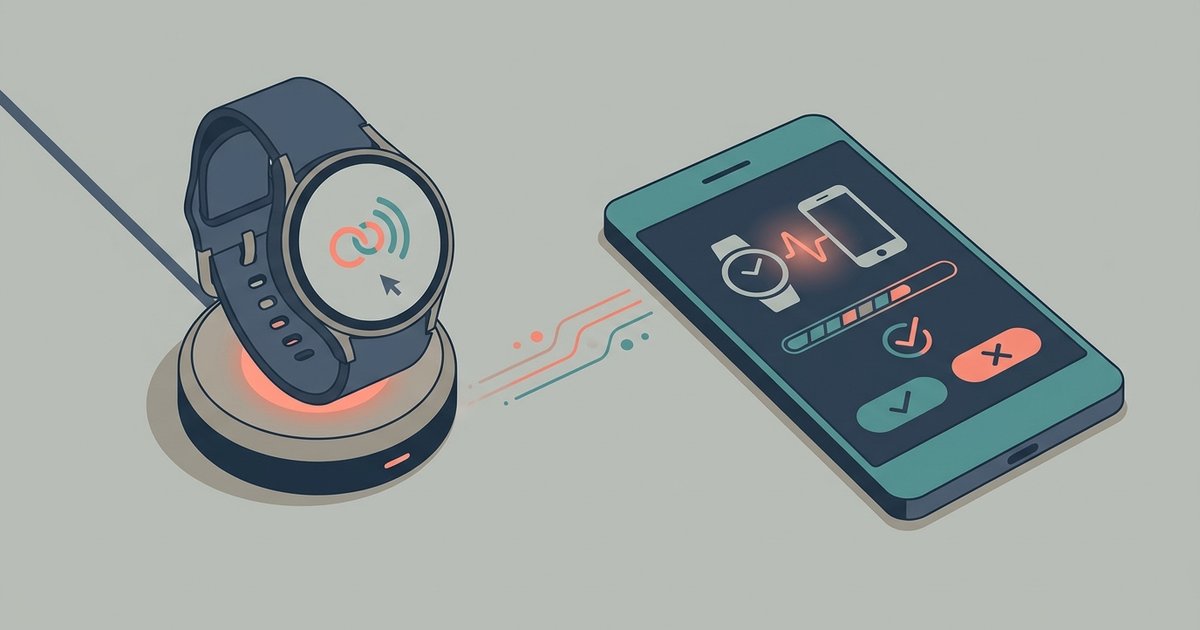
To transfer an NFT to Ledger, you must use Ledger Live's native support for ERC-721 and ERC-1155 tokens on Ethereum and Polygon, which allows you to send, receive, and verify your collectibles with clear signing on your hardware device. The process requires installing the relevant blockchain app, adding the corresponding account, and then using the "Send" or "Receive" functions within the "Collectibles" tab, all while confirming every transaction physically on your Ledger.
Before you transfer an NFT to Ledger: Critical pre-requisites
Before initiating any transfer, ensure your Ledger device runs the latest firmware and that you have installed the required blockchain app, Ethereum or Polygon, via the "Manager" tab in Ledger Live. You must also add the corresponding account (e.g., an Ethereum account for ETH-based NFTs) so that Ledger Live can detect and display your collectibles. Key limitation for Ledger Nano S users: This older device does not support sending NFTs directly through Ledger Live due to hardware memory constraints; you will need to use a third-party wallet like MetaMask for outgoing transfers, though receiving and viewing NFTs still works. Critical warning: Never import your Ledger's 24-word Secret Recovery Phrase into MetaMask or any software wallet, doing so exposes your private keys to online threats and completely defeats the purpose of cold storage. Only connect your Ledger device via USB or Bluetooth, and always verify that the address displayed on your hardware screen matches the one shown in Ledger Live.
How to transfer NFT to Ledger: viewing your collectibles
To confirm your setup is correct before transferring, open Ledger Live and navigate to the 'Accounts' tab on the left sidebar. Select your Ethereum or Polygon account (the one you added earlier), and then look for the 'Collectibles' section within that account's details. If you already own supported NFTs on that blockchain, they will appear here as visual thumbnails with their token IDs and contract addresses. If you see your NFTs listed, your Ledger is properly configured to manage them. If not, double-check that you installed the correct app (Ethereum or Polygon) and that the account is the same one where you intend to receive the tokens. This view is your primary dashboard for all NFT activity, so take a moment to familiarize yourself with it before proceeding.
Send an NFT from your Ledger wallet to another address
To send an NFT out of your Ledger wallet, start by selecting the specific NFT in the 'Collectibles' tab of your Ethereum or Polygon account. Click the 'Send' button (usually located in the upper-right corner of the NFT's detail page). Enter the recipient's public address carefully, this is the address that will receive your NFT. After entering the address, Ledger Live will display a summary of the transaction, including the collection name, token ID, and network fees. Critical step: Before confirming, you must verify the full transaction details on your Ledger hardware screen. This is where clear signing comes into play: your Ledger will show the recipient address and the collection contract, allowing you to compare them against what you see on your computer. If any detail looks wrong, reject the transaction on your device. Once you press the physical button to approve, the transaction is broadcast to the network. Note that for Ledger Nano S users, this function is unavailable in Ledger Live, so you must connect your device to MetaMask and use the marketplace's send feature instead, always with your Ledger connected and confirming each step. If you're sending assets you created yourself, you'll need to start an NFT project with a properly deployed smart contract first.
Receive an NFT to your Ledger wallet from another wallet
To receive an NFT, you only need to provide your Ledger wallet address to the sender, no special action is required on your device. In Ledger Live, navigate to the account (Ethereum or Polygon) where you want the NFT to arrive, and click the 'Receive' button. Ledger Live will display a QR code and a string of characters representing your public address. Always verify this address on your Ledger hardware screen before sharing it with anyone. The address shown on your device must match exactly what Ledger Live displays on your computer, this prevents clipboard-hijacking malware from swapping in a different address. Once you've confirmed the match, share the address with the sender. They can now initiate the transfer from their wallet (e.g., MetaMask or an exchange). If you are the one sending an NFT out of your Ledger, you will need to follow a different process to transfer NFT to another wallet. The NFT will appear in your Ledger Live 'Collectibles' tab once the transaction is confirmed on the blockchain. Remember that you can receive NFTs on any supported blockchain without installing additional apps, but you must have the corresponding account added in Ledger Live.
Confirm the transfer on your Ledger device
Every NFT transaction, whether sending or receiving, requires physical confirmation on your Ledger device. When you initiate a send from Ledger Live or from a connected third-party wallet, your Ledger screen will prompt you to review the transaction details. This is not a simple "approve" button; it's a security feature called clear signing. Your device will display the recipient's address, the collection name, and the specific token ID, allowing you to verify that you're interacting with the correct contract and not a malicious look-alike. If you're using a third-party wallet like MetaMask, your Ledger will still show these details as long as you have the relevant app (Ethereum or Polygon) open on your device. Avoid blind signing whenever possible, if your Ledger shows only a hash or a generic "Sign transaction" message, that's a red flag. In such cases, reject the transaction and investigate. For Ledger Nano S users, this confirmation step is mandatory when sending via MetaMask, but you cannot do it through Ledger Live due to the device's memory limitations. Always take your time during this step; a few extra seconds of verification can save you from losing your NFT permanently.
Verify the completed NFT transfer on the blockchain
After your Ledger confirms the transaction, you should independently verify the transfer on a public blockchain explorer. For Ethereum-based NFTs, go to Etherscan; for Polygon, use Polygonscan. Enter your wallet address or the transaction ID (hash) into the search bar. The explorer will show you the transaction status (e.g., "Success"), the block number, the timestamp, and the full details of the transfer, including the "From" and "To" addresses and the token ID. This step is crucial because it provides an immutable record that your NFT is now associated with your Ledger's address. If you see the transaction confirmed and the recipient address matches your Ledger wallet, your transfer is complete. For extra assurance, you can also check the NFT's contract page on the explorer to see the current owner. This verification is your final audit that the transfer was executed correctly and that no errors occurred during the process. Keep in mind that blockchain explorers update in near real-time, but high-traffic networks may experience slight delays, wait a few minutes if the transaction hasn't appeared yet.
Secure your NFTs: avoid scams and malicious airdrops
The final, and most important, step is ongoing security vigilance. Never interact with unknown or airdropped NFTs that suddenly appear in your wallet. Scammers often send malicious tokens that, when you click on them or try to sell them, trigger a smart contract that drains your funds. In Ledger Live, simply ignore any unrecognized collectibles; do not open them, transfer them, or visit any linked websites. Always use clear signing when your Ledger prompts you to review a transaction, if you're asked to approve something you didn't initiate, reject it immediately. Additionally, be aware that Ledger Nano S users face a unique constraint: because you cannot send NFTs directly from Ledger Live, you must rely on third-party wallets like MetaMask for outgoing transfers. This introduces extra risk, so always double-check the contract address and the recipient on your Ledger screen before confirming. Finally, remember that your Secret Recovery Phrase is the master key to your funds, never enter it into any website, app, or software wallet, including MetaMask. If you follow these precautions, your NFTs will remain safely under your control, and you can enjoy the peace of mind that comes with true cold storage.
For the wider topic, see mint an NFT for free.