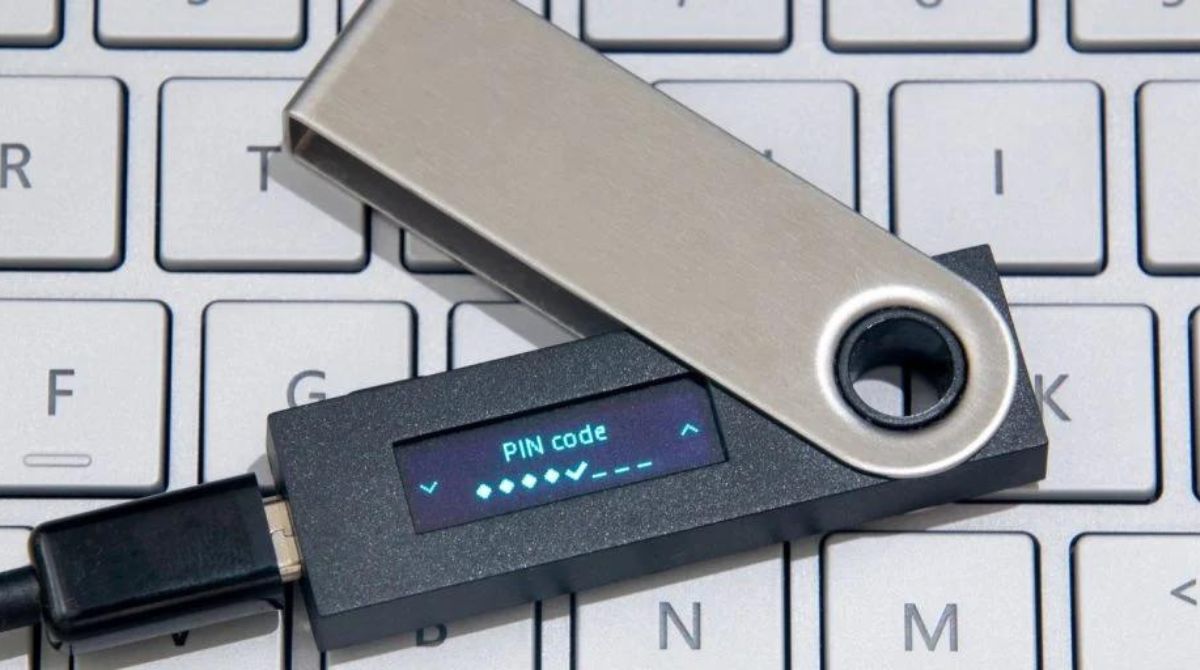
To store Bitcoin safely, you need to understand that you are not storing the Bitcoin itself, but the private keys that control it on the blockchain. The most effective way to store Bitcoin is to use a hybrid strategy: a hot wallet for small, daily spending amounts and a cold wallet for your larger, long-term savings.
What it really means to store bitcoin
Many newcomers believe a Bitcoin wallet "holds" coins like a physical wallet holds cash. This is a foundational misconception. A wallet actually holds the private keys that grant access to your Bitcoin on the blockchain. A private key is a cryptographic secret, a large, randomly generated number, that authorizes transactions and proves ownership of Bitcoin. Whoever controls the private key controls the Bitcoin associated with it. This means that if you lose your keys, you lose access to your funds permanently. Understanding this distinction is the first step toward real security.
The hybrid strategy: hot vs. cold storage
For optimal security, use a hybrid strategy: keep small amounts for daily transactions in a hot wallet and larger holdings in a cold wallet. This approach balances convenience with protection. A hot wallet is connected to the internet and is ideal for spending, while a cold wallet stays offline and is designed for savings. To set up that offline storage properly, use a crypto hardware wallet for your larger holdings, and then transfer crypto to hardware wallet to move your funds out of reach of online threats. This framework ensures that even if your daily-use device is compromised, your long-term wealth remains safe.
Hot wallets for everyday spending
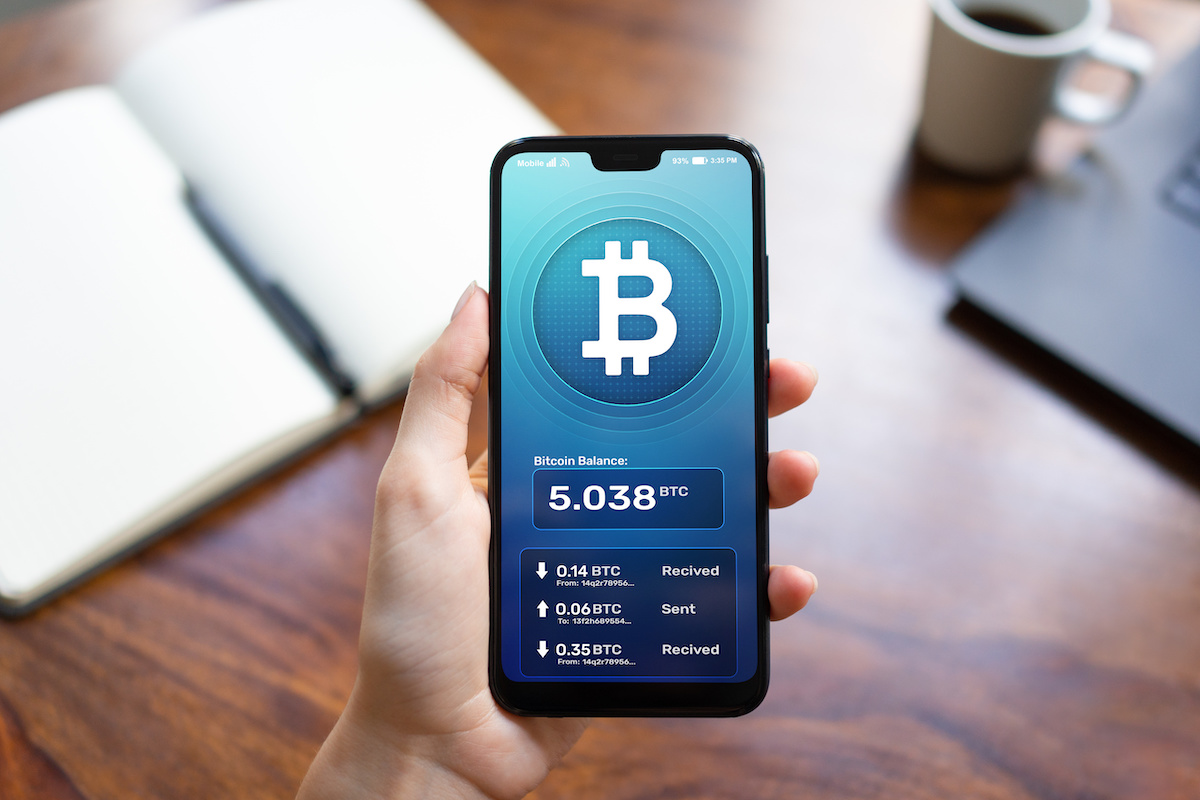
Hot wallets are software or mobile applications that run on your computer or smartphone. They offer unmatched convenience for sending, receiving, and spending Bitcoin quickly. Because they are always online, they are exposed to greater risk from malware, phishing, and hacking. The rule is simple: only keep spending money in a hot wallet, amounts you are comfortable losing in a worst-case scenario. Always download wallet software only from official websites or verified app stores to avoid fake or malicious versions.
Cold wallets for long-term savings
Cold wallets, such as hardware wallets and air-gapped devices, provide secure, offline storage for significant holdings. These devices isolate private keys from internet-connected environments, making them nearly impossible for remote attackers to access. When you need to make a transaction, you sign it on the device itself, and only the signed transaction is broadcast. A hardware wallet keeps your private keys physically separate from your computer, protecting them even if your computer is infected with malware.
The unforgivable sins of key management
There are critical, non-negotiable rules for protecting your Bitcoin. Never store your seed phrase digitally (e.g., in cloud services, email, screenshots, or notes apps). Instead, write it down on paper or engrave it on metal. Never use a brain wallet, these rely on memorizing a user-chosen passphrase and are highly insecure and vulnerable to brute-force attacks due to the lack of true randomness in human-generated phrases. Never share your private keys or seed phrase with anyone. Be extremely cautious of phishing scams, suspicious links, and anyone asking for your private keys or seed phrase, as legitimate services will never ask for them.
Why leaving bitcoin on an exchange is a risk
If you leave your Bitcoin on a centralized exchange, the exchange holds the private keys, meaning you do not have full control or ownership of your funds. This is a counterparty risk: the exchange could be hacked, go bankrupt, or freeze withdrawals. You are essentially trusting a third party to safeguard your assets. Moving Bitcoin to your own wallet gives you true self-custody and eliminates reliance on any external entity.
Advanced security with multi-signature wallets
Multi-signature wallets require multiple private keys to authorize a transaction, distributing trust and increasing security. For example, a 2-of-3 setup means two separate keys are needed to move funds. A multi-signature wallet protects against a single point of failure: if one key is compromised, an attacker still cannot access your Bitcoin without the other required signatures. This is especially valuable for businesses, shared funds, or anyone holding a very large amount of Bitcoin.
How to back up and update your wallet safely
Write it on paper or stamp it into metal, and store that backup in a fireproof safe or a separate secure location. Never take a photo or type it into any digital device. For hardware wallets, always update the firmware using the manufacturer's official software. Firmware updates patch security vulnerabilities and add new features, keeping your device resilient against emerging threats.
\nRelated reading: How To Get Money Back From A Bitcoin Scammer.