






![50 Best Tech Christmas Gift Ideas [2020 Edition]](https://robots.net/wp-content/uploads/2020/11/men-tech-gifts.jpg)
The holiday season is upon us once again, and with it comes the perfect opportunity to show your friends and family how much you love them. If you haven’t already started shopping for gifts, then you may not be aware of what’s available on the market. The good thing is we’ve come up with a list of the best tech gifts. Here we have hobby-based items as well as generic ones that are practical, functional, and gender-neutral. Assuming that you know your friends and family well, you should be able to find something for a person of any age and gender.
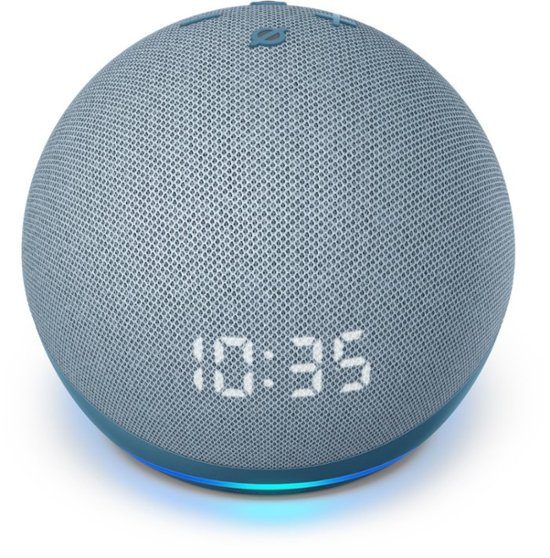
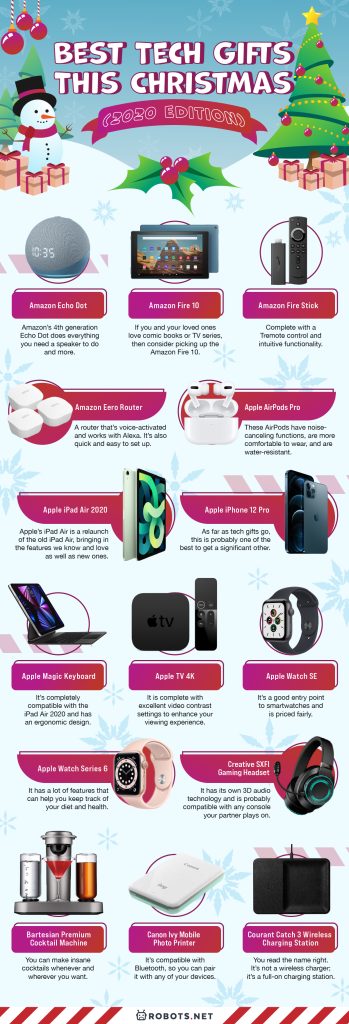
Amazon’s 4th generation Echo Dot does everything you need a speaker to do and more. It’s compatible with Alexa, is voice-controlled, and can connect to most music apps. If your partner loves music and wishes they could play music at the drop of the hat, the Amazon Echo Dot has them covered.
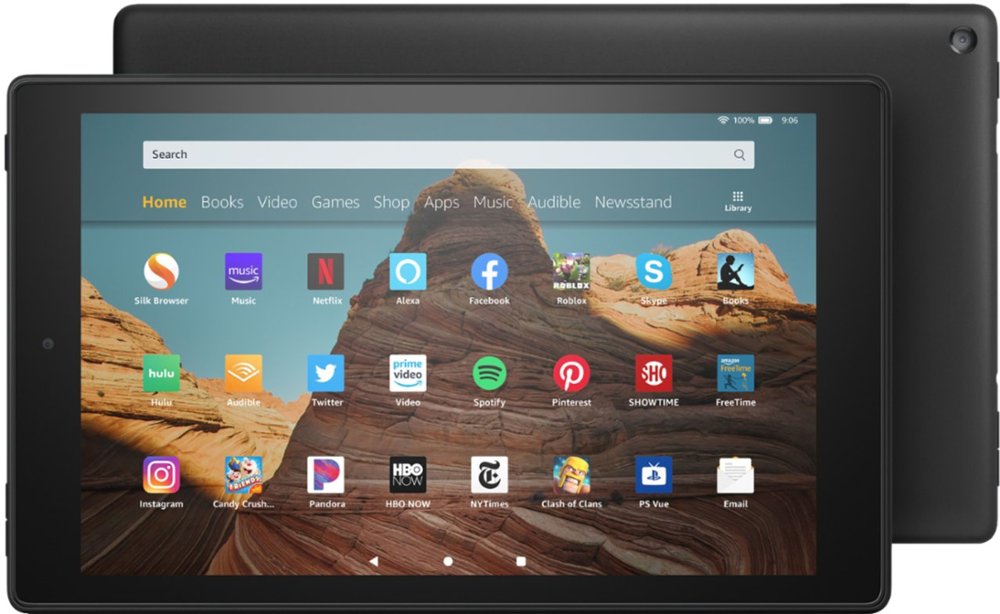
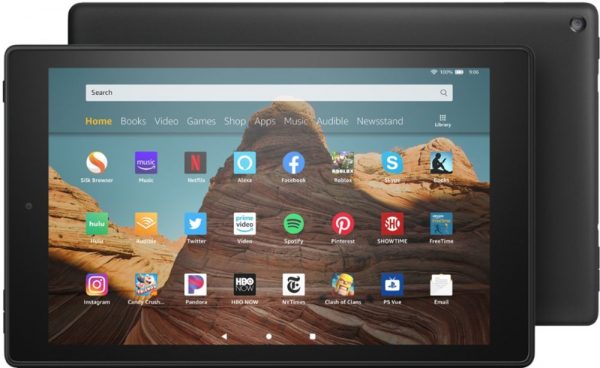
If you and your loved ones love comic books or TV series, then consider picking up the Amazon Fire 10. It’s got a fair price point and is designed to suit your entertainment needs. Although it’s not the best tablet out there, it’s a good budget option for watching movies and reading.
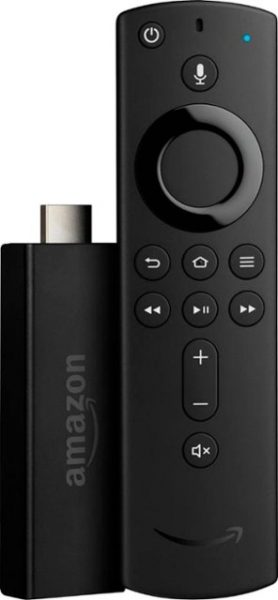
Another one of the cool tech gifts you could give your partner is the Amazon Fire Stick. It’s a smart TV that can operate at 4K resolution. Complete with a remote control and intuitive functionality, the Fire Stick blows most TVs out of the water. And not only that, it’s also compatible with Alexa.
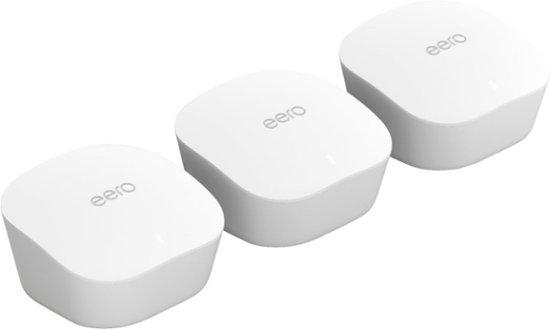
Here’s a router that’s voice-activated and works with Alexa. This Amazon Router is convenient if you need a new router. Essentially, you don’t even need to go and fiddle with it, you just need to make it hear you. It’s quick and easy to set up.
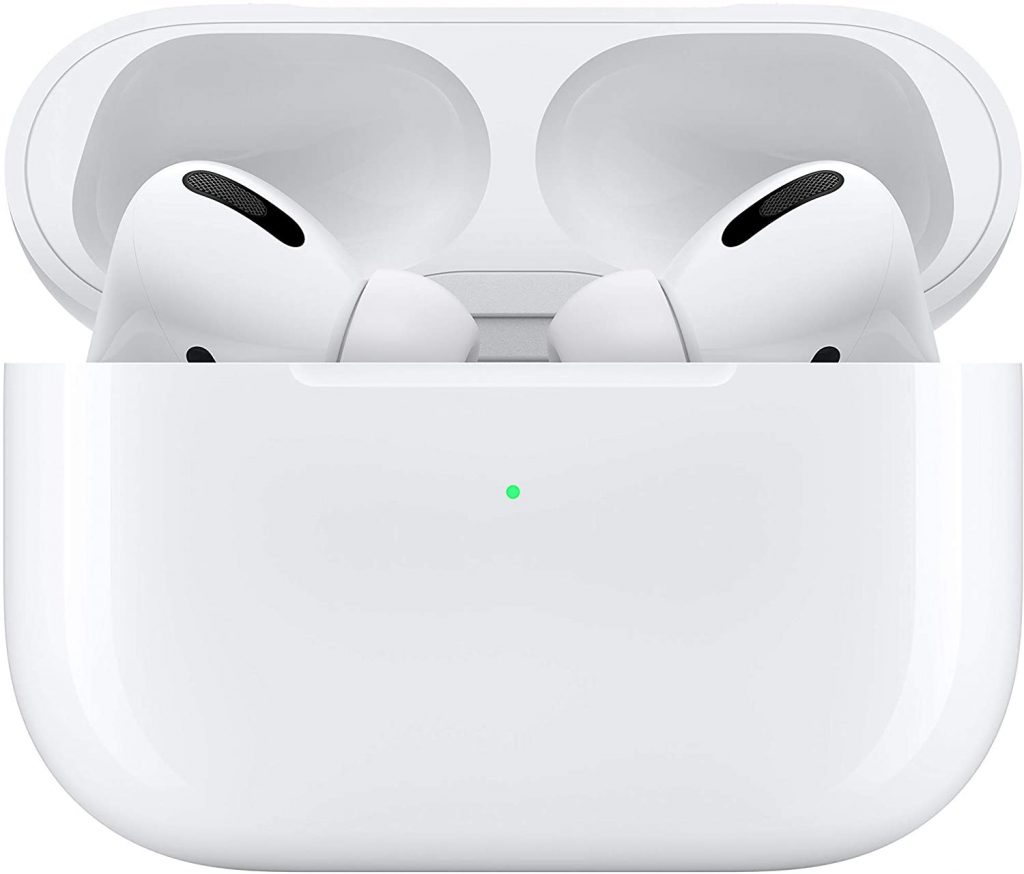
Apple is a very reputable brand and propagated the use of wireless earbuds. So naturally, their new AirPods Pro brings new elements into the mix to keep them on top. Additionally, these AirPods have noise-canceling functions, are more comfortable to wear, and are water-resistant. While they cost a bit of a hefty amount, they’re definitely worth it.
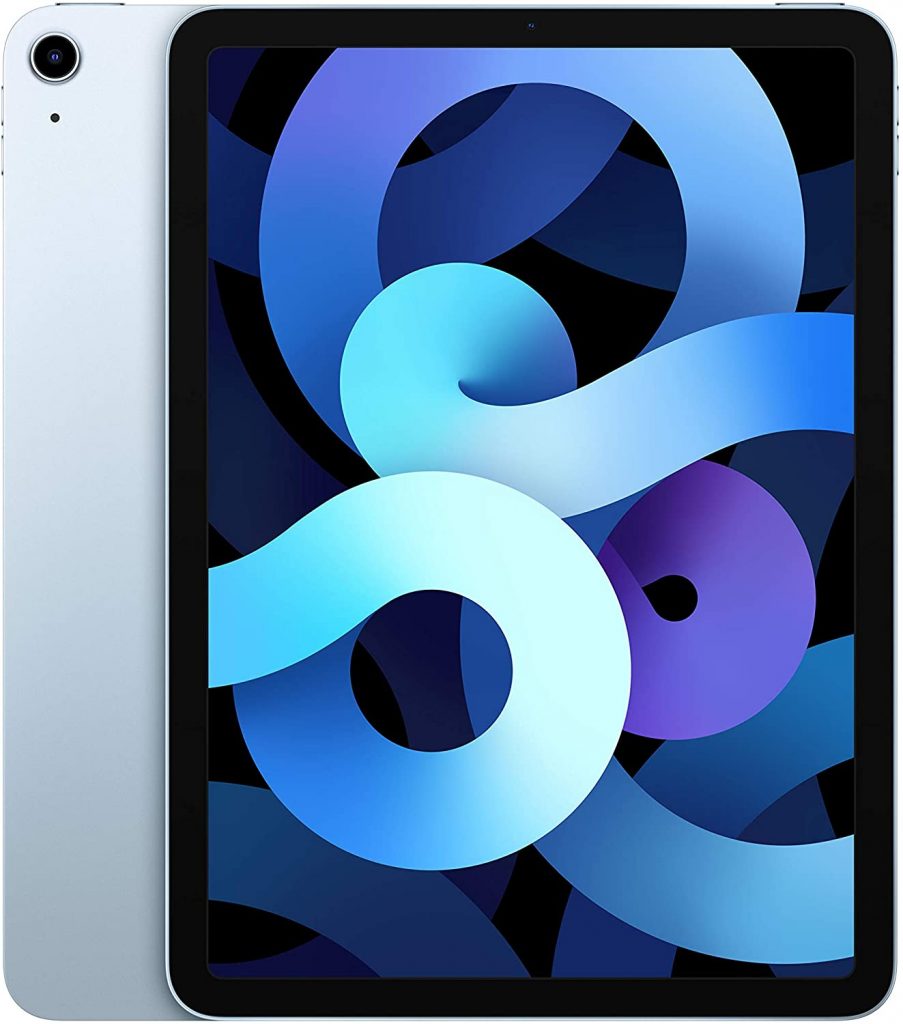
Apple’s iPad Air is a relaunch of the old iPad Air, bringing in new features and old ones we know and love. As an upgrade, the iPad Air 2020 has improved cameras and a better processor. Plus, instead of using a lightning charger, it’s compatible with USB Type C.
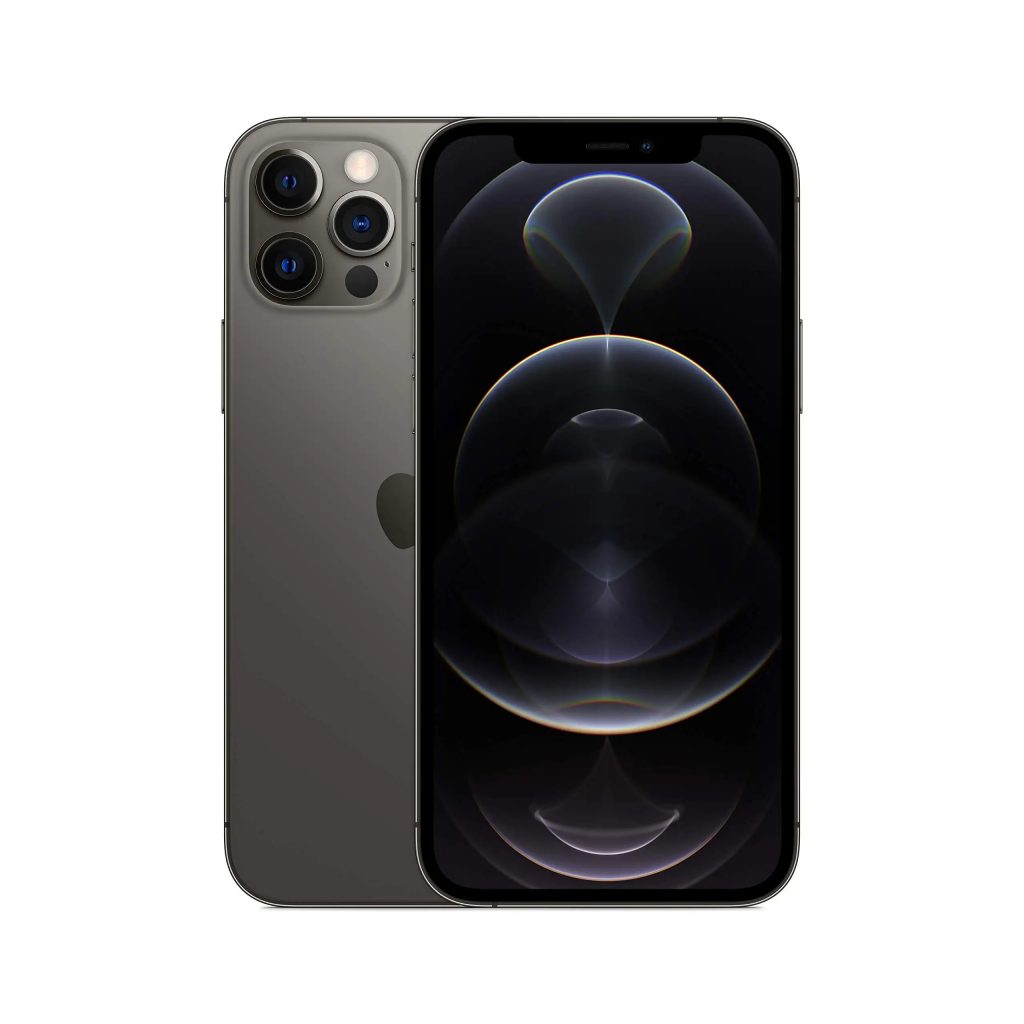
The recently released iPhone 12 made waves with its innovative design and features. It’s one of the best gifts for a boyfriend who’s a diehard Apple fan. As far as tech gifts go, this is probably one of the best to get a significant other. You might find it a bit expensive, though.

Do you know anyone who uses an iPad and finds it hard to type on it? Well, for techies everywhere, the Apple Magic Keyboard is a solid option. It’s completely compatible with the iPad Air 2020 and has an ergonomic design specifically made for work. Starting at $99, it’s the ultimate iPad accessory.
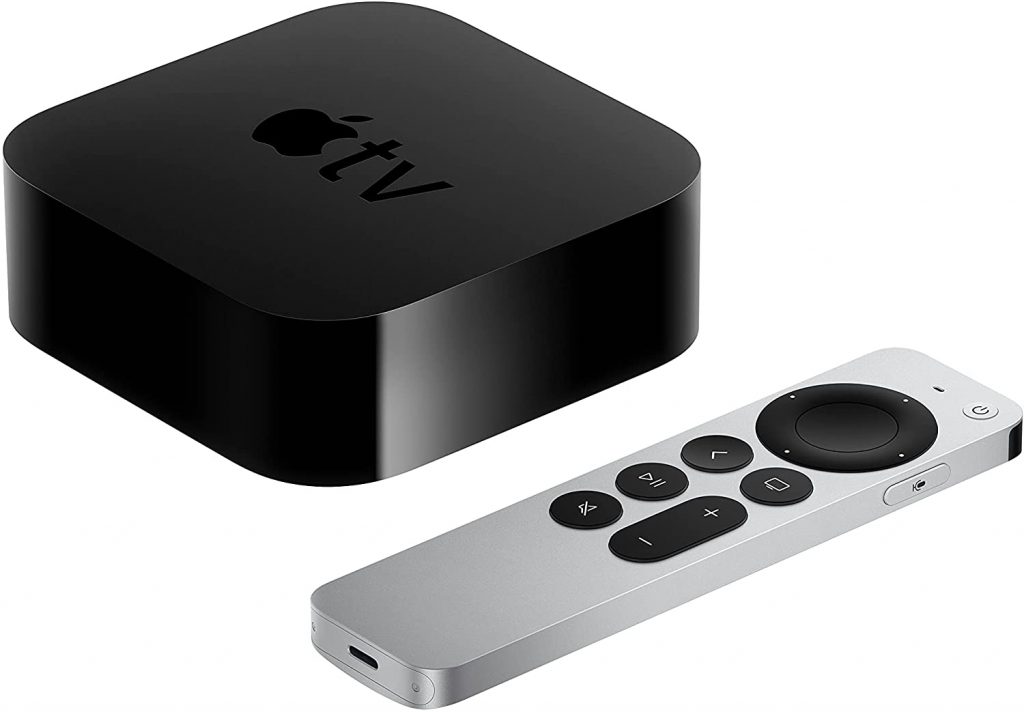
Apple has recently stepped up its game with regard to its TV products. As the name suggests, Apple TV HD is much better than your average TV, having the best resolution for TVs. It is also complete with excellent video contrast settings to enhance your viewing experience.
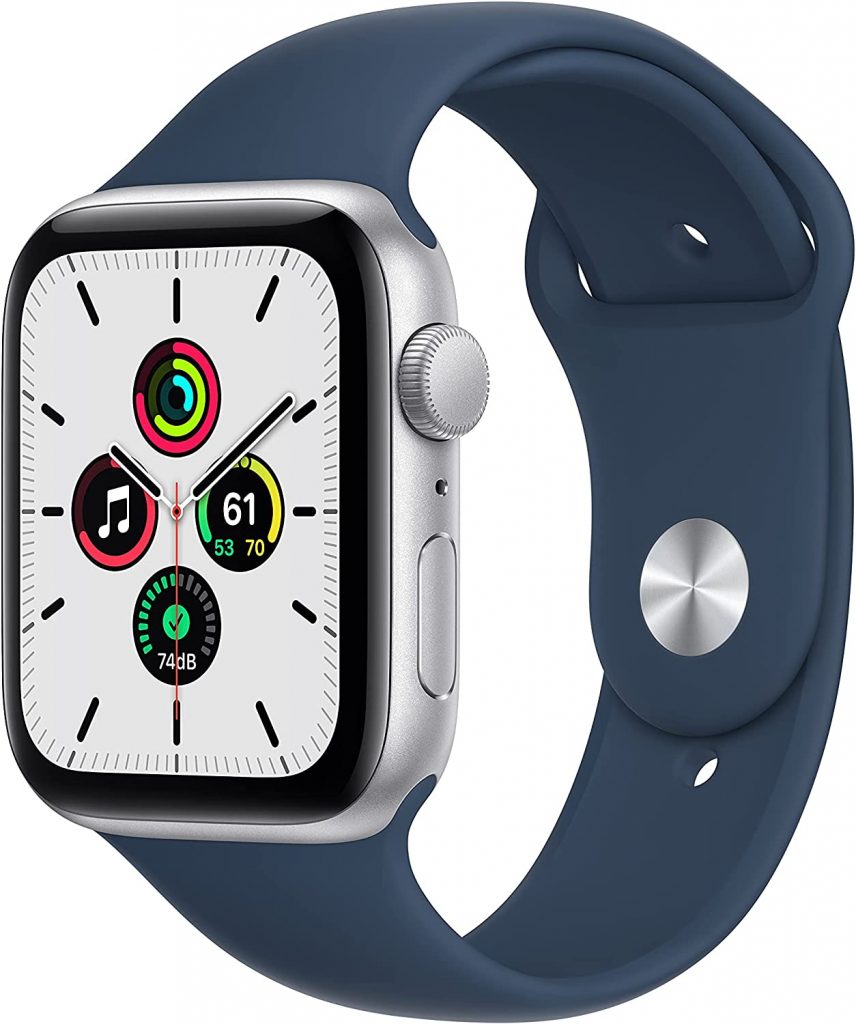
One of the best smartwatches and tech gifts out there on the market is undoubtedly the Apple Watch SE. It’s a good entry point to smartwatches and is priced fairly. Also, it can compete with most modern smartwatches and is compatible with many Apple devices.
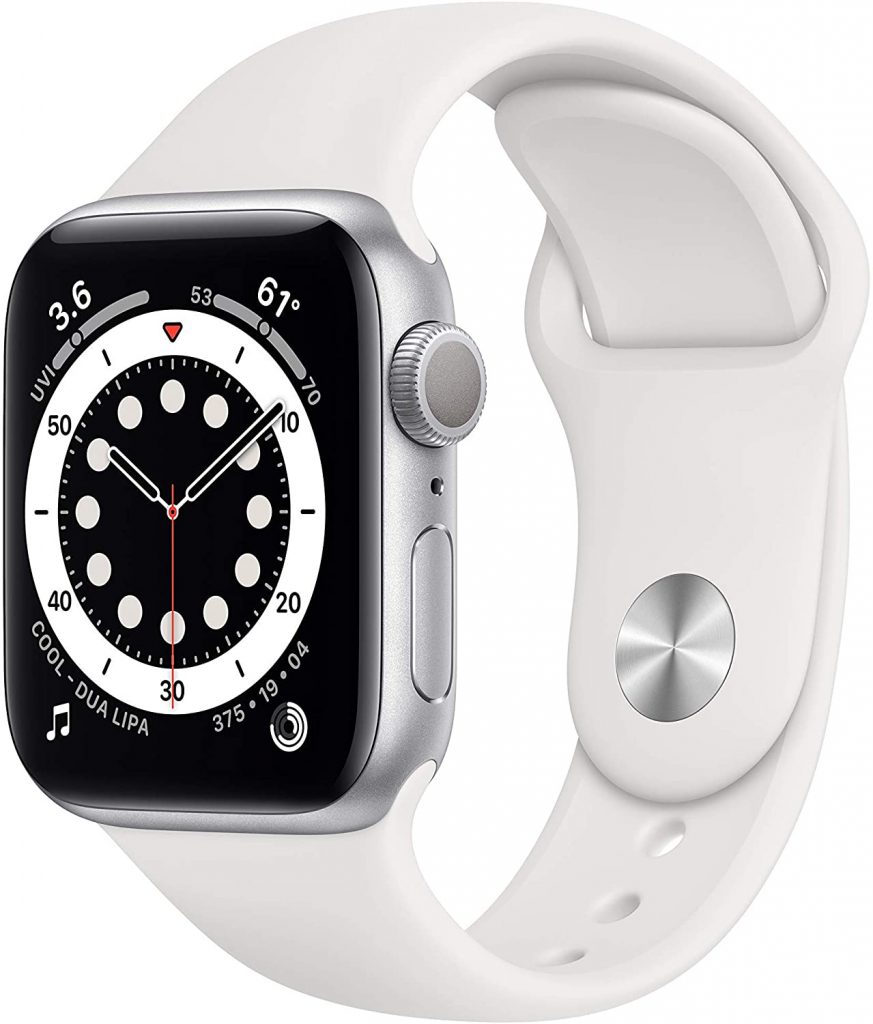
Like the SE, the Apple Watch Series 6 is an excellent smartwatch. It has a lot of features that can help you keep track of your diet and health. Although priced at $350, it’s a great premium watch that you can give to people who are health-conscious.
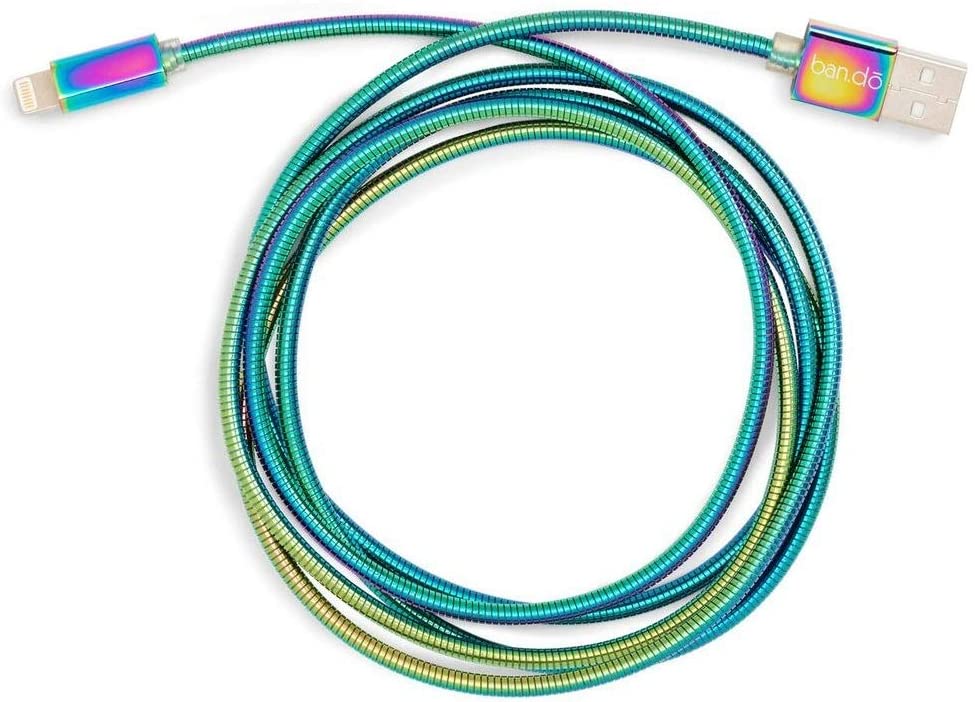
If your partner has a fast-paced lifestyle and travels a lot, then consider the Back Me Up Mobile Charger. It can charge a phone for up to three hours, and its battery can be recharged. However, the downside to it is that it’s only compatible with Apple devices. For people on the go, this is probably one of the best tech gifts.

This is one of the cool gadgets you never know you need until you get them. With it, you can make insane cocktails whenever and wherever you want. All you need to do is fill it with alcohol, and it does the mixing for you. As a tech gift, this device is probably one of the coolest on the list.
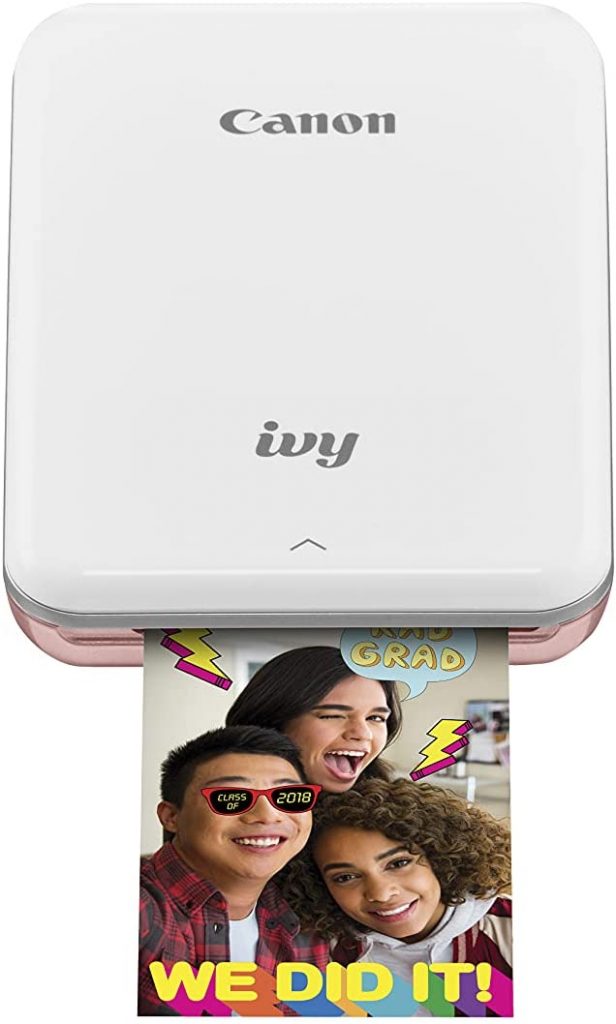
The Canon Ivy is a photo printer you can bring with you anywhere. It’s compatible with Bluetooth, so you can pair it with any of your devices. Simply give it the command, and it’ll print for you. All you need is some photo paper, which you can buy along with it.
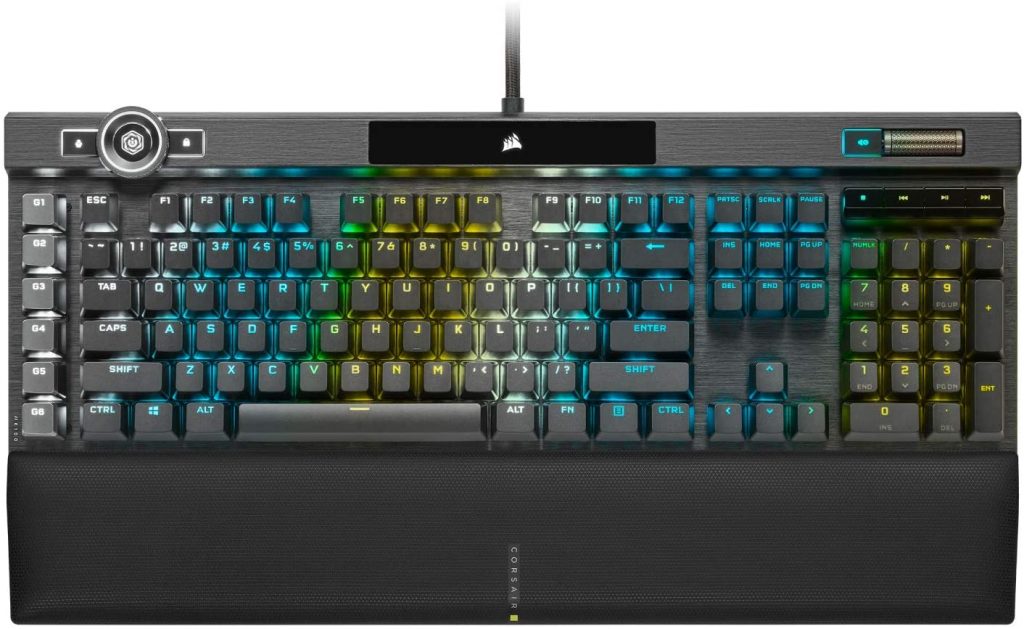
If you’re buying gamer gifts, then keyboards are always a solid option. And when it comes to keyboards, the Corsair K100 is always a good option. It is a mechanical keyboard that you can have optical switches on for faster inputs.
Furthermore, the K100 even has macro keys and a dial for scrolling and music. Not to mention, it has audio keys on the side. Basically, it’s a complete set that is sure to please any gamer out there.
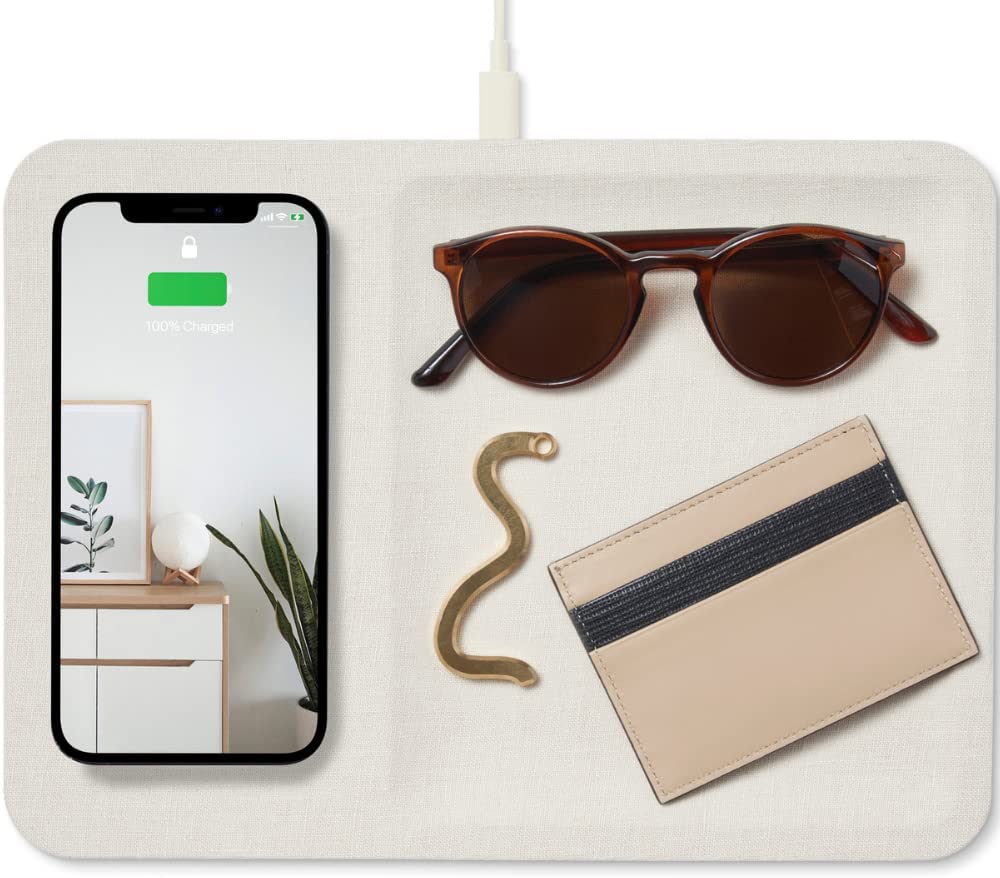
You read the name right. It’s not a wireless charger; it’s a full-on charging station. If your partner is a person who hates having wires jumbled up in their bag, Catch 3 can solve their problem. Additionally, it has compartments for you to put stuff in. No longer will you have to open your bag and untie a Gordian knot just to use your phone.
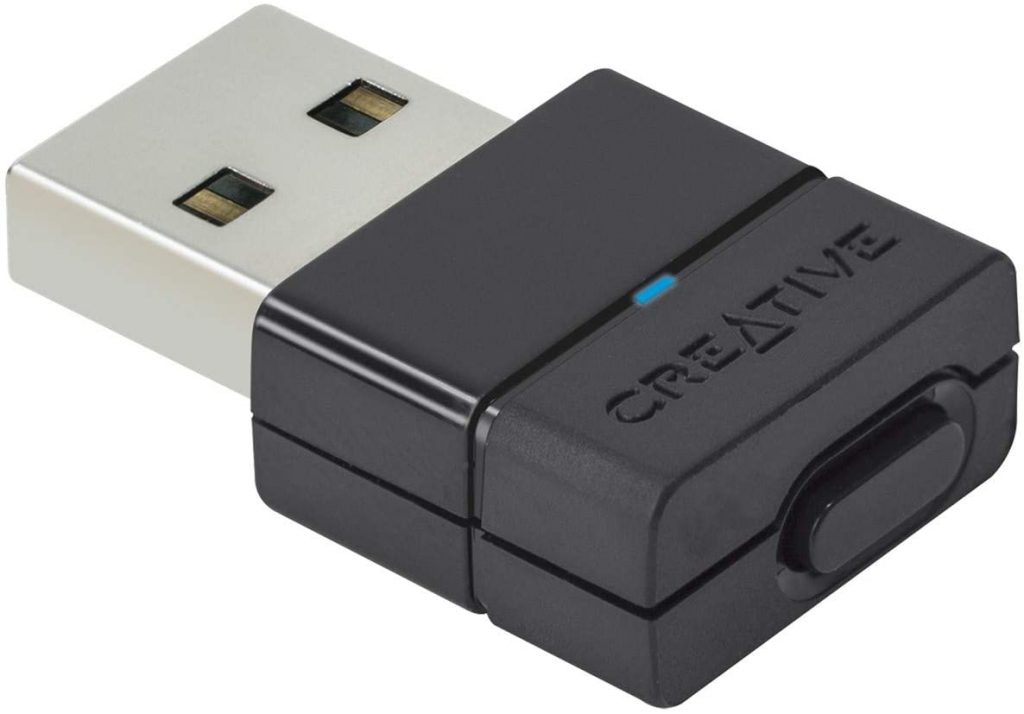
The Creative Bluetooth Transmitter is a device that can turn any wireless headphones or earphones into something compatible with USB-C. With it, you can take your wireless earphones then plug them into your PS4 or Nintendo Switch. Additionally, the sound quality is guaranteed to stay the same.
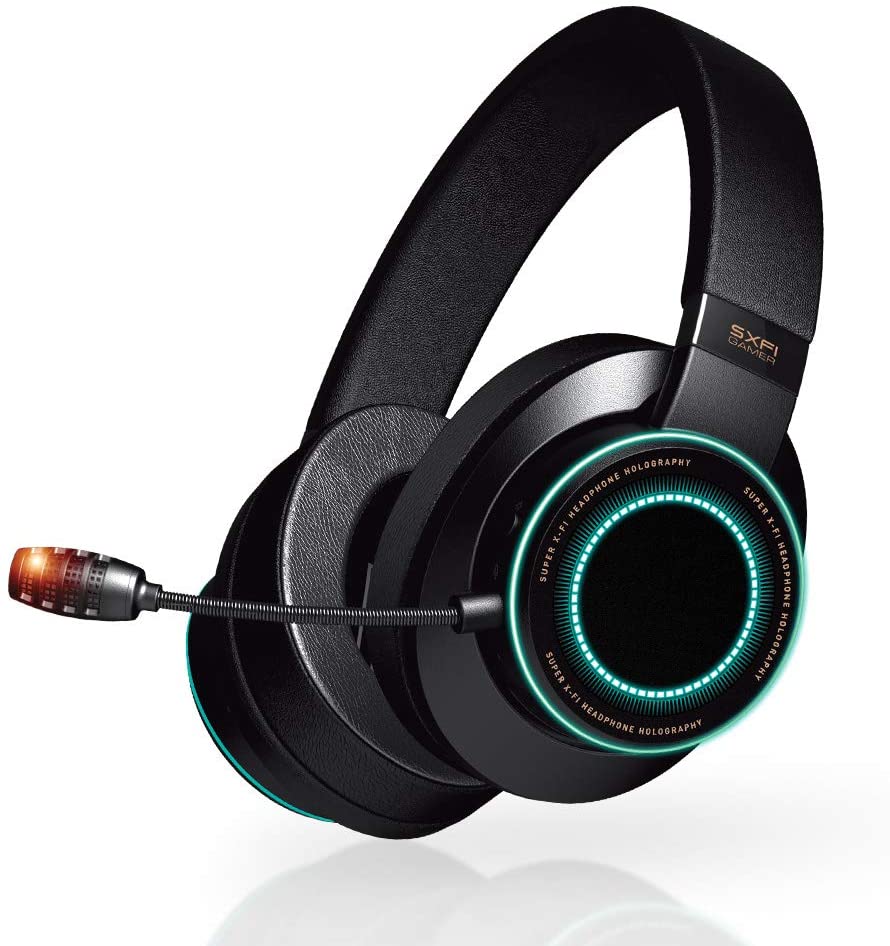
This is just overall one of the best tech gifts as far as headphones are concerned. At a great price of $130, it gives nearly the same quality as flagship headphones. Also, it has its own 3D audio technology and is probably compatible with any console your partner plays on. It’s excellent for multiplayer games like Counter-Strike or Valorant.
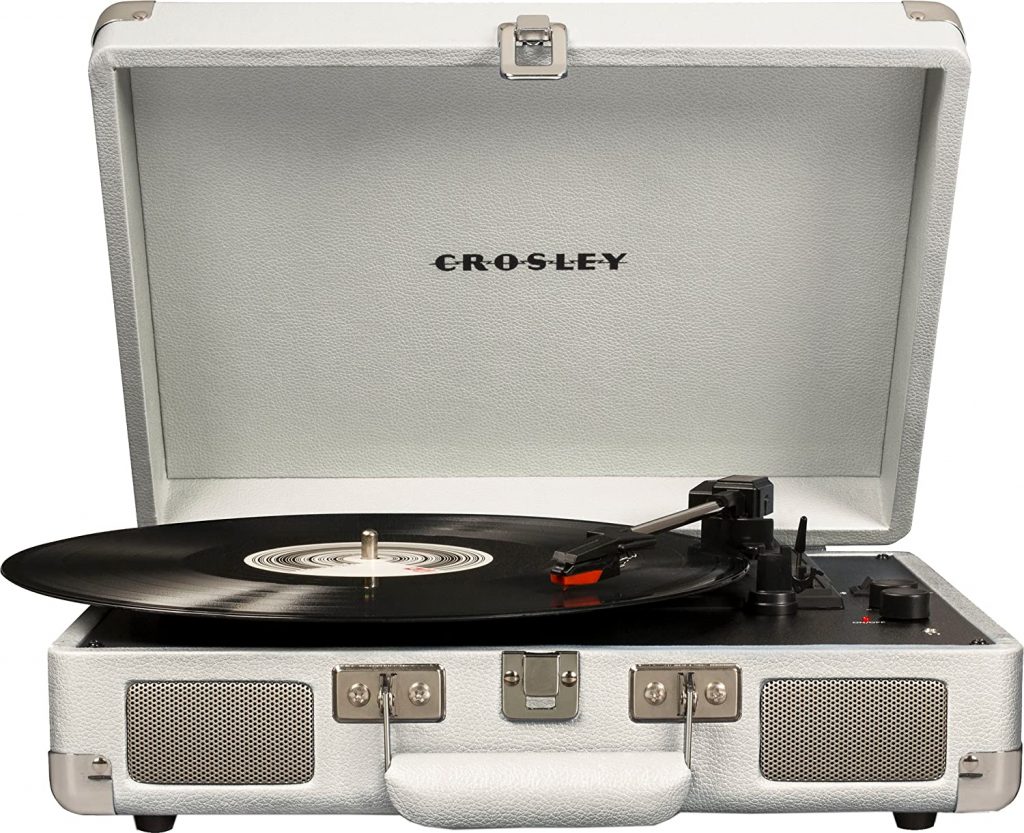
Crosley is known for its great stereo turntables. The Crosley Turntable is one of those and comes in many different color families and functions as a record player compatible with most records. Being priced at $45, it’s one of the most unique tech gifts on this list. It’s perfect for people who have vintage records of old songs.
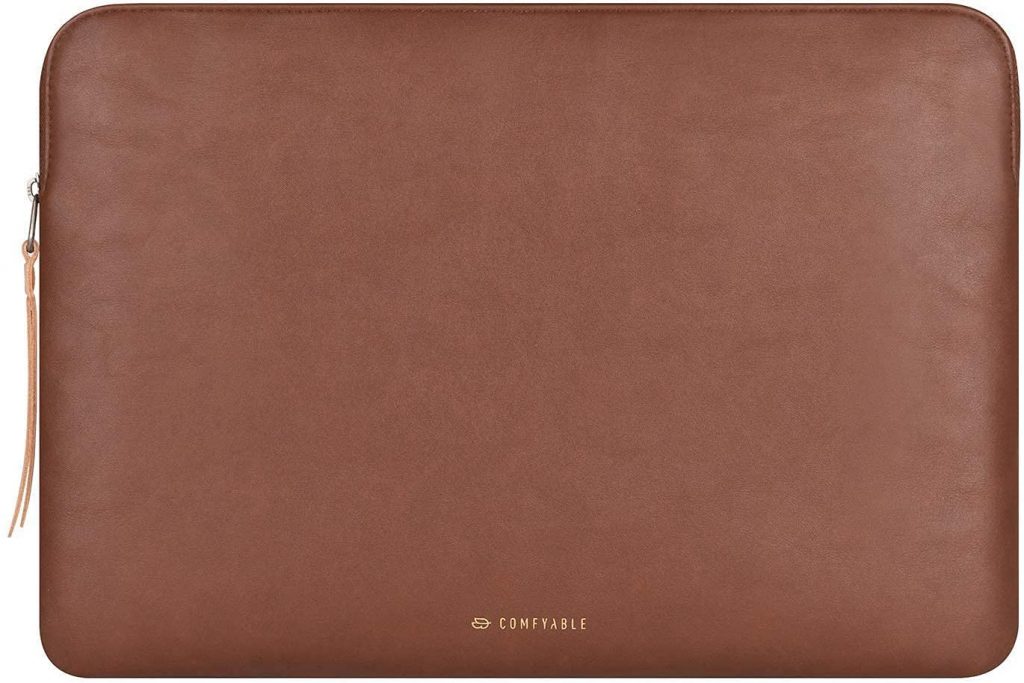
If your partner is the type who goes out frequently with a laptop, then consider the Comfyable Slim Protective Laptop Sleeve. Because it’s made out of premium leather, it can guarantee your laptop’s safety. With a price point below USD 25, it’s a highly practical and quality gift that can lengthen the lifespan of laptops. Not to mention, it’s also highly affordable for you as the giver.
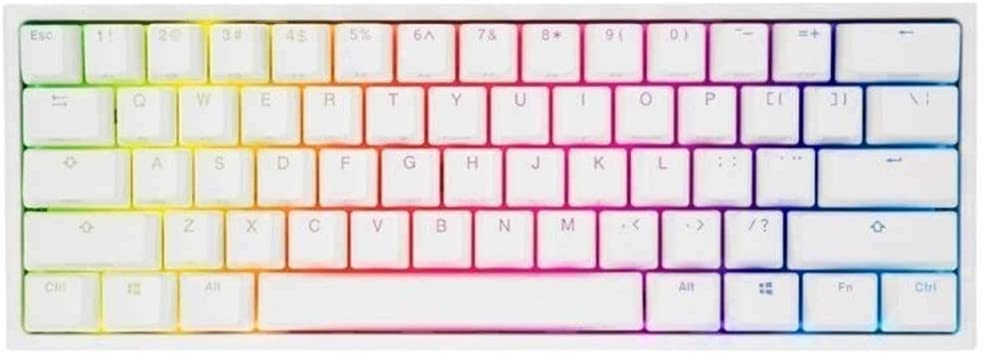
The keyboard enthusiast community has seen a huge boom in recent times. Along with it was the rise of the 60% keyboards, which are smaller keyboards without arrow keys or numeric pads.
These types of keyboards are perfect for gaming, and the CORN One 2 Mini Mechanical Gaming Keyboard, in particular, has been a growing sensation with gamers everywhere. Because of its form factor, it allows for a lot of extra mouse space and is extremely pleasant to type on. Not to mention it’s reliable and can last for quite a while.
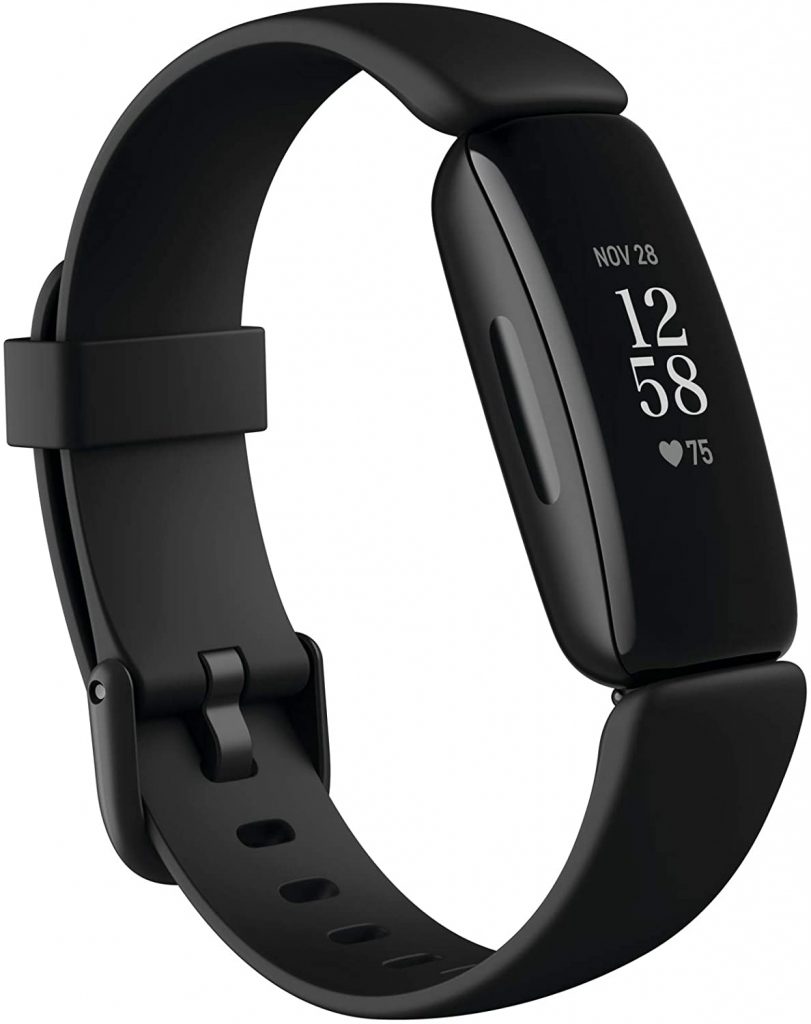
If you want to give your partner a fitness tracker that doesn’t cost an arm and a leg, then the Fitbit Inspire 2 is for you. It’s minimalistic and has a good design. Plus, its interface is pleasing to the eyes, and to top it all off, it’s waterproof. The best part is it only costs $94.
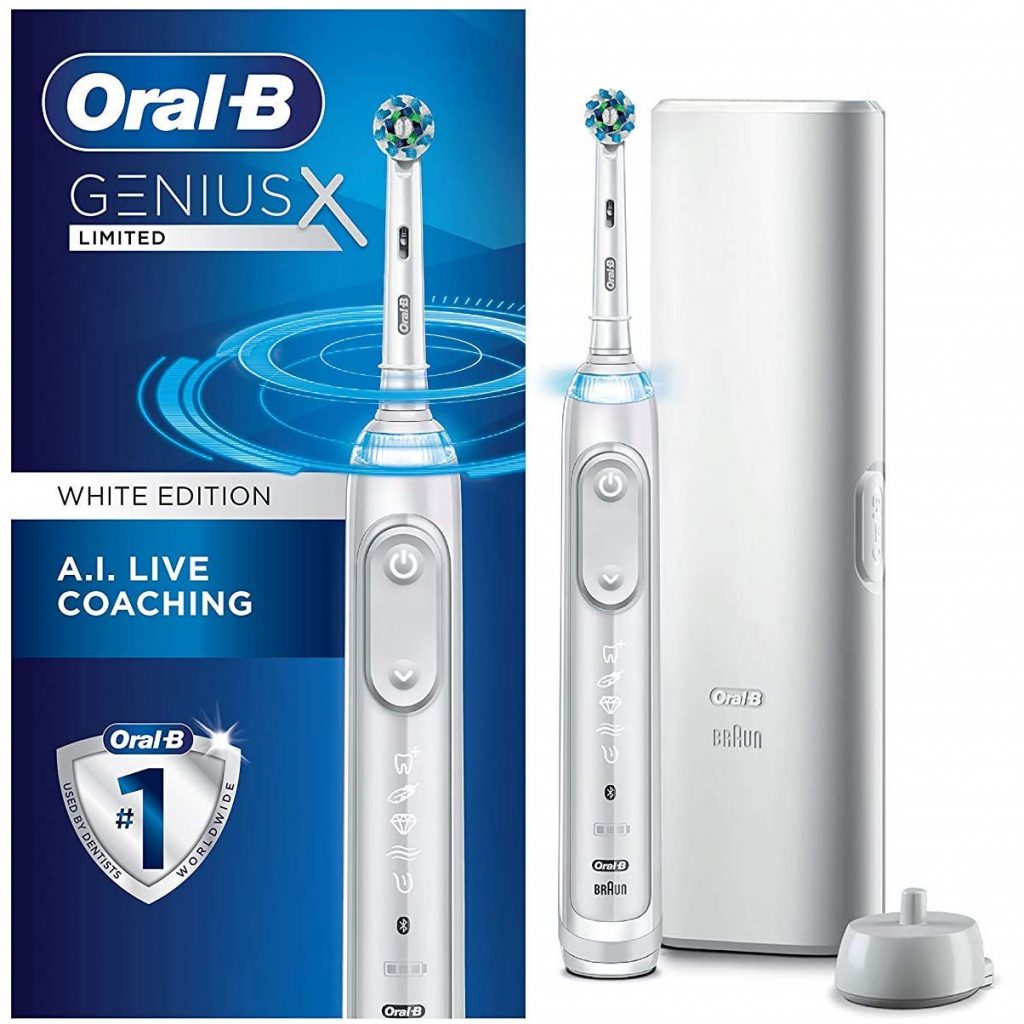
The Genius X Electric Toothbrush is on the list of cool tech gadgets that we never knew we needed. It’s compatible with Bluetooth, has a rechargeable battery. Because it’s compact, you can bring it with you anywhere. Additionally, it also comes with three different brush heads you can switch between to maximize comfortability.
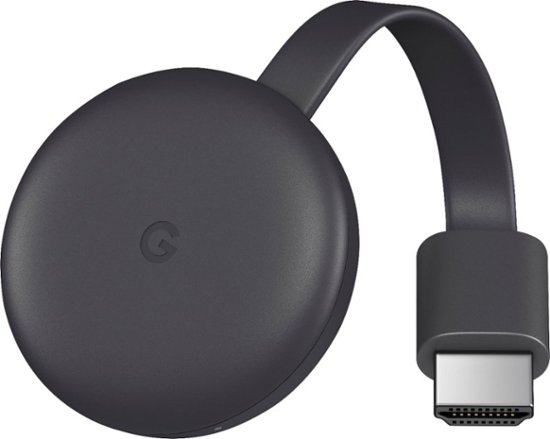
These days we have a plethora of streaming apps. Nevertheless, nothing beats sitting back and relaxing with a remote in your hand while watching TV. With the Google Chromecast Streaming Dongle, you can watch TV shows that you know and love all in 4K. In addition, it’s a lot more affordable now than ever before.
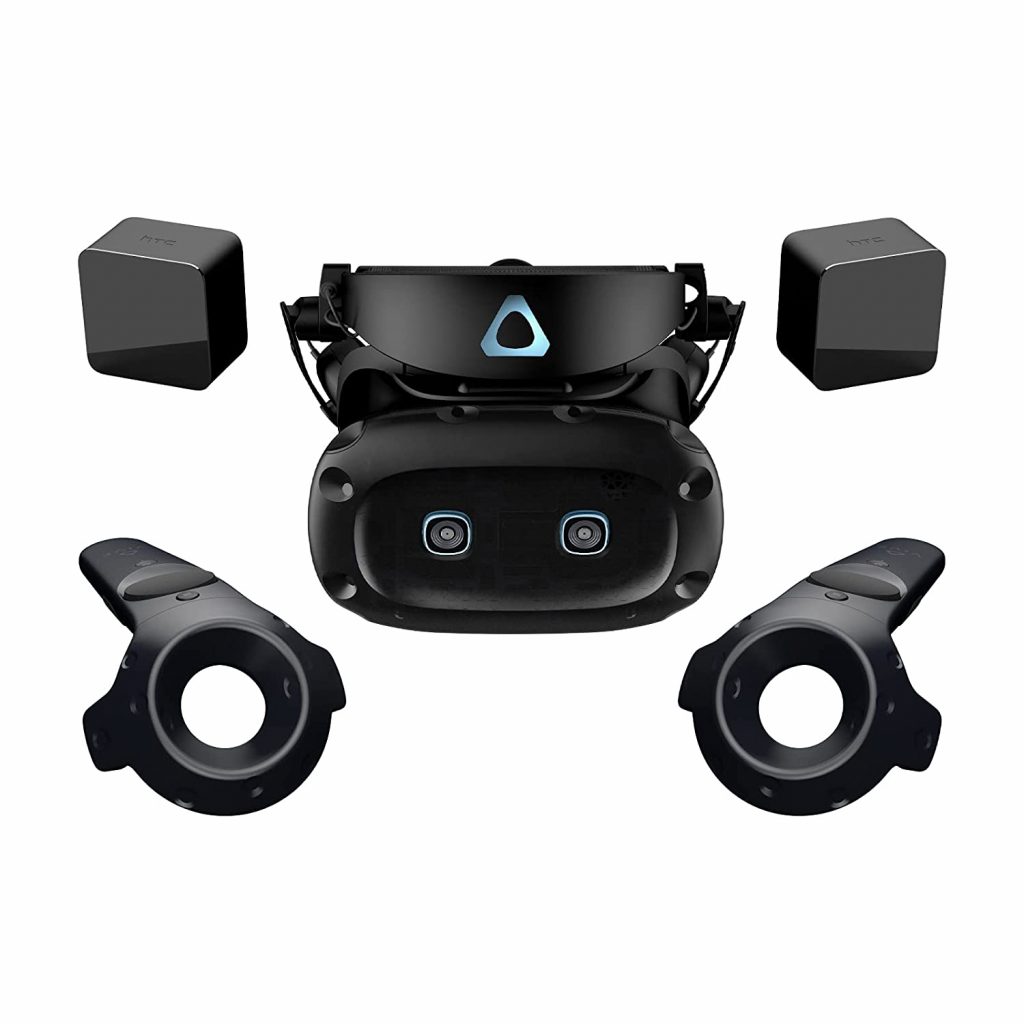
The HTC Vive Cosmos Elite is a complete upgrade over the original. Because it has six cam sensors, you can bet it has top-notch tracking accuracy. Plus, the available resolutions are really high, so every VR game you play will be rendered in ultra-high resolution. Probably the only downsides to this are that it still operates on a cable and is pretty expensive.
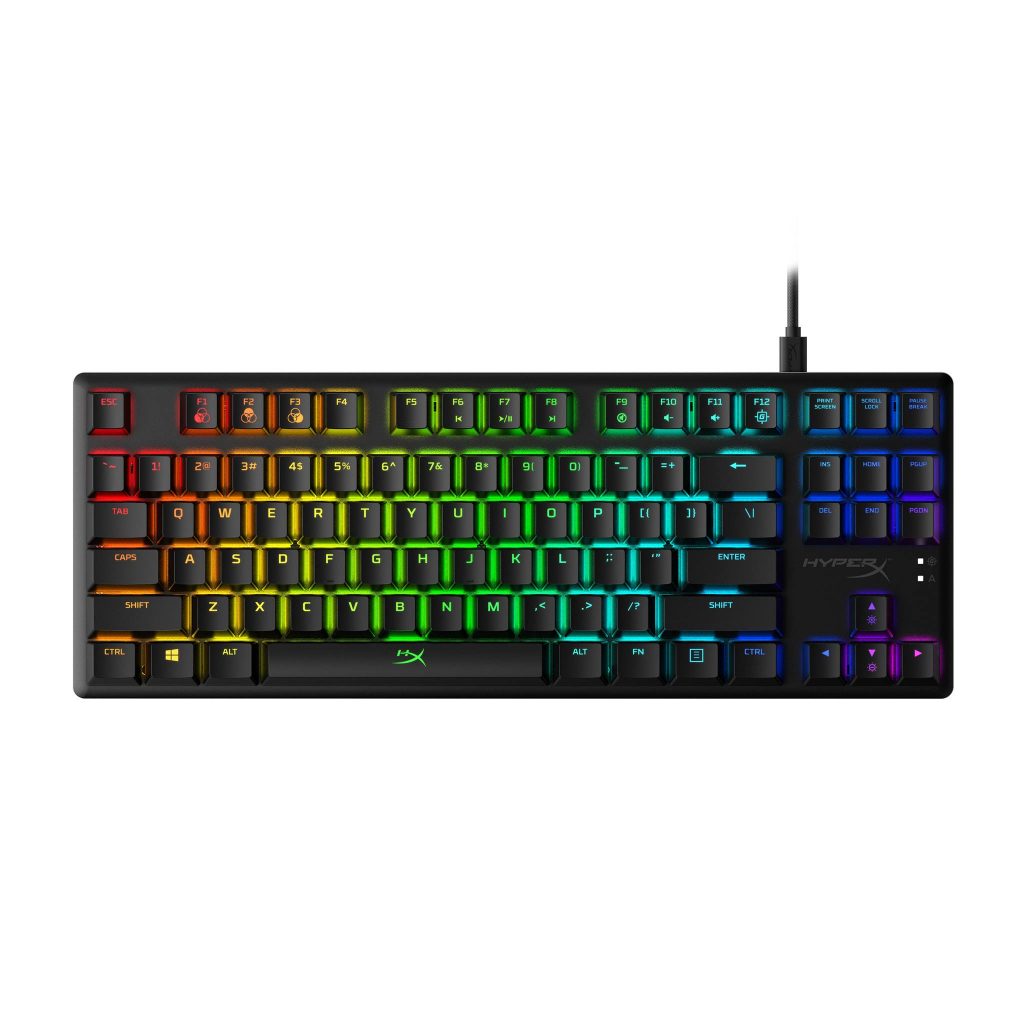
Released sometime this year, the HyperX Alloy Origins Core is probably the best gaming keyboard in recent memory. Since it’s in a TKL format, you’ll have your beloved arrow keys. Additionally, its cable is detachable so if it ever breaks, you can just replace it with another one.
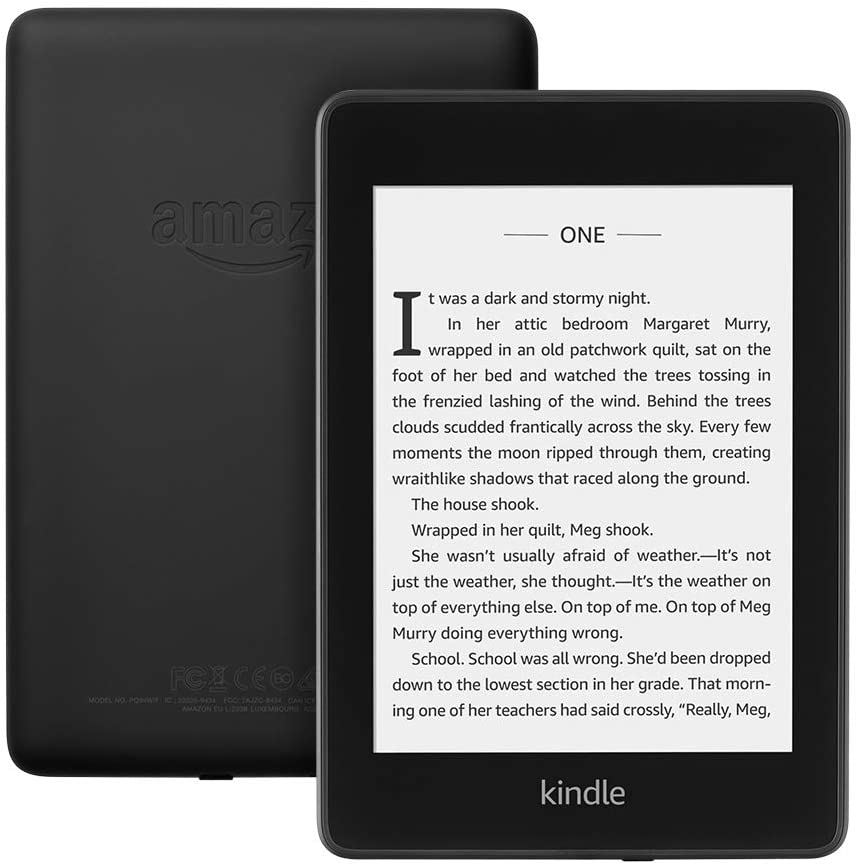
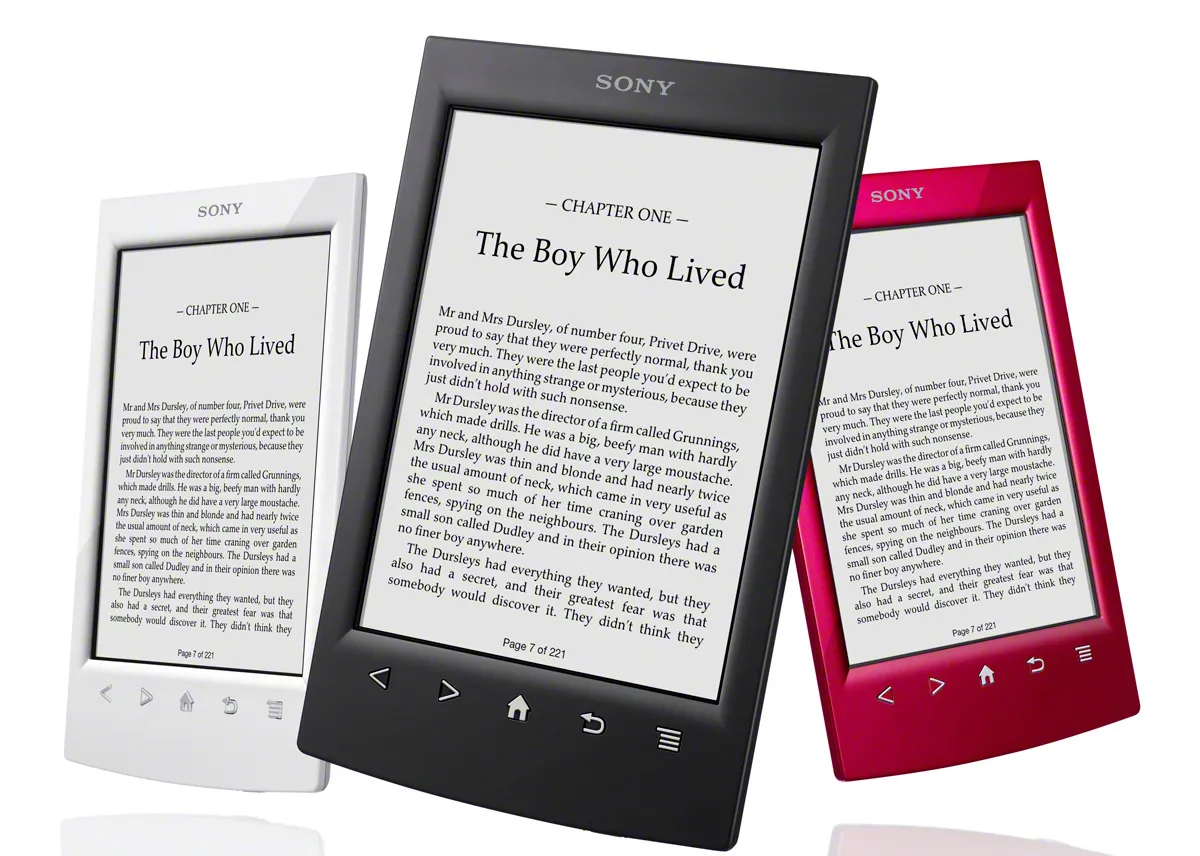
Does your friend or partner like to read? If so, the Kindle Paperwhite may be the best gift for them. You can bring it with you virtually anywhere. Using it, you can read before bed and bring it to places you can’t bring big books to. On top of all that, it has an easy-to-read interface that even a baby can understand.
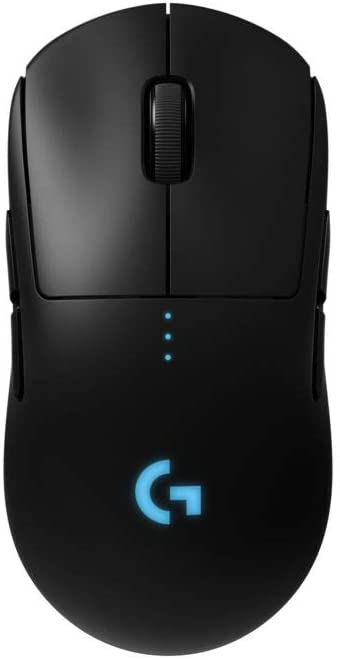
Logitech’s G Pro Wireless was designed to be the ultimate gaming mouse. In production, Logitech partnered with many professional eSports players to find the perfect mouse. As a result, the finished product became good for just about any gamer.
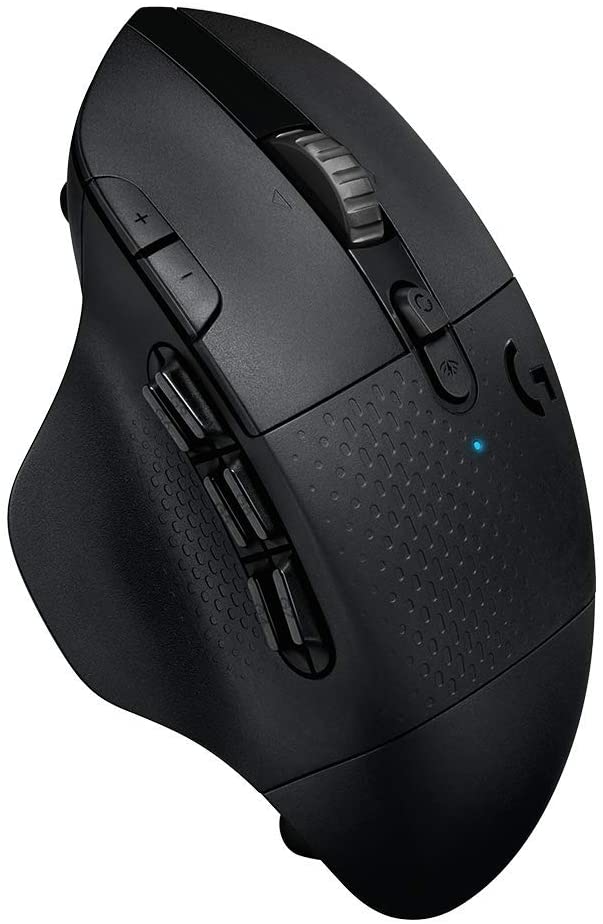
Another good mouse from Logitech is the G604. It is designed to be a simple, ergonomic mouse. Complete with additional input keys you can bind, it’s one of the best tech gifts for gamers. You do need to buy additional batteries for this.
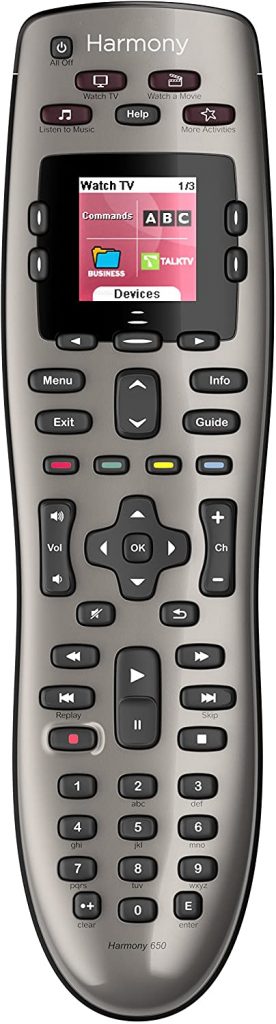
Yes, you read that right: Logitech makes remote controls. The Logitech Harmony is an all-in-one remote control that can take control of various devices. No longer will you have to lose your mind over which remote control is which. Honestly, it’s one of the most thoughtful tech gifts for a significant other, or anyone with a TV, for that matter.
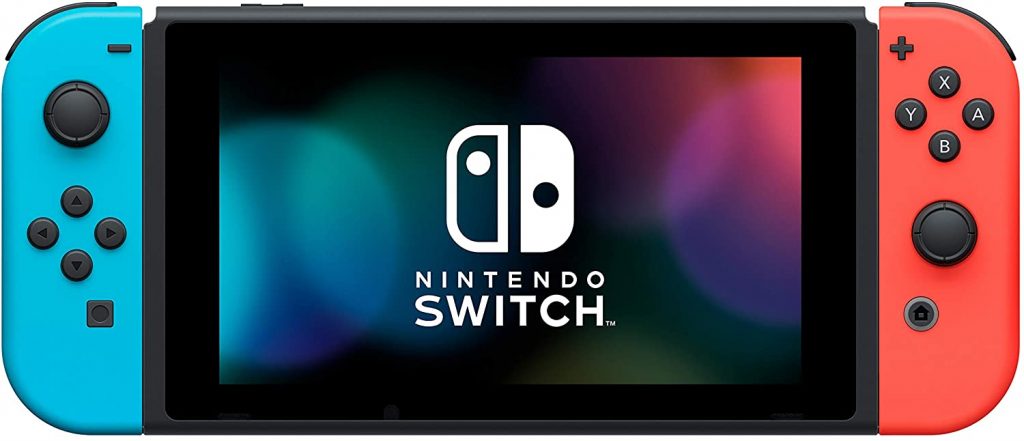
Released a few years ago, the Nintendo Switch is perfect for every gamer. Especially ones who like a hybrid of a PSP and a PS4. Since it’s compact, you can bring it anywhere – it fits nicely in most bags. Not only that, but you can also dock it and play on your TV if you’re feeling a little lazy at home.
It also has some exclusive games that have been revered since its release, like The Legend of Zelda: Breath of the Wild and Super Mario Odyssey. Thus, the Nintendo Switch is probably the most innovative console to come out in recent times.

If you like having a portable console on you but don’t like the idea of mounting it on a TV, consider the Switch Lite. It has all the capabilities a regular Switch has, minus the dock. Unlike the regular Switch, the Switch Lite is designed specifically as a handheld device. Plus, it costs less than the original Switch.
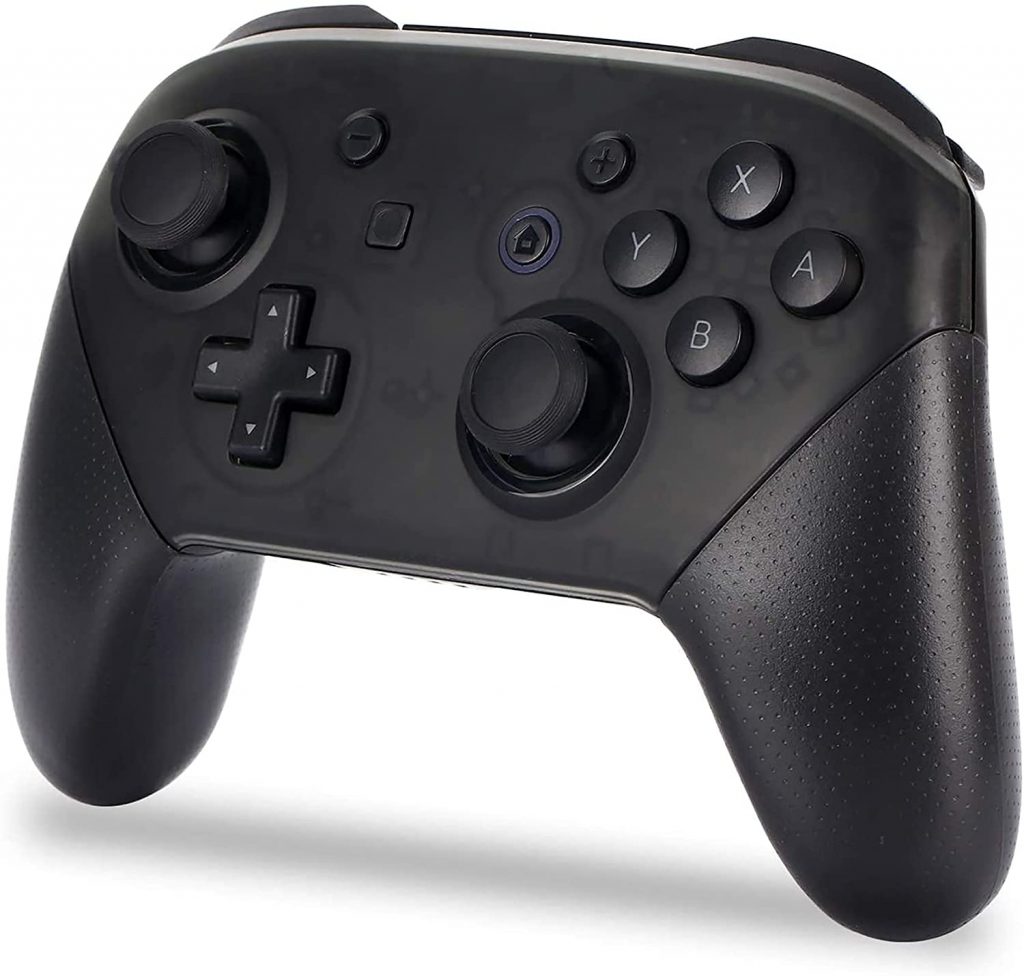
If your gamer significant other already has a Nintendo Switch, they might need a Pro Controller. Although expensive, this controller is guaranteed to last you a long time. Out of every Switch controller out there, this one by far feels the best. As an add-on, it also supports motion controls.
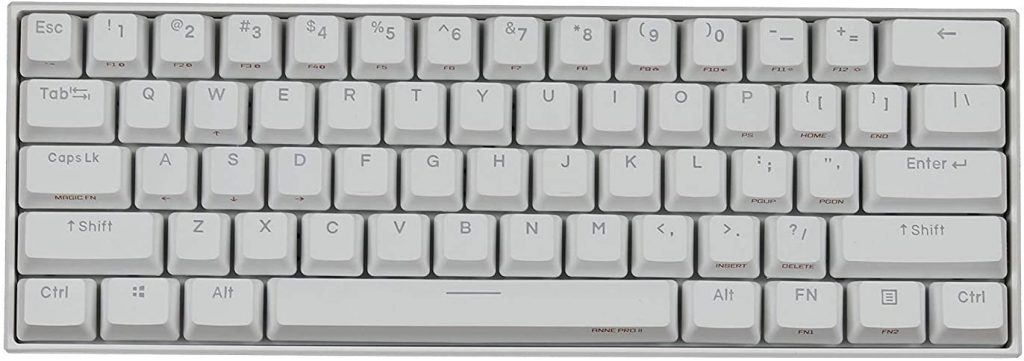
Similar to the CORN One 2 Mini keyboard, the Anne Pro 2 is also a wireless keyboard solution. The device connects to your computer via Bluetooth functionality. It’s also very comfortable to use and easy to set up. If you are in need of an affordable, quality keyboard, then Obinslab’s Anne Pro 2 keyboard is your best bet.
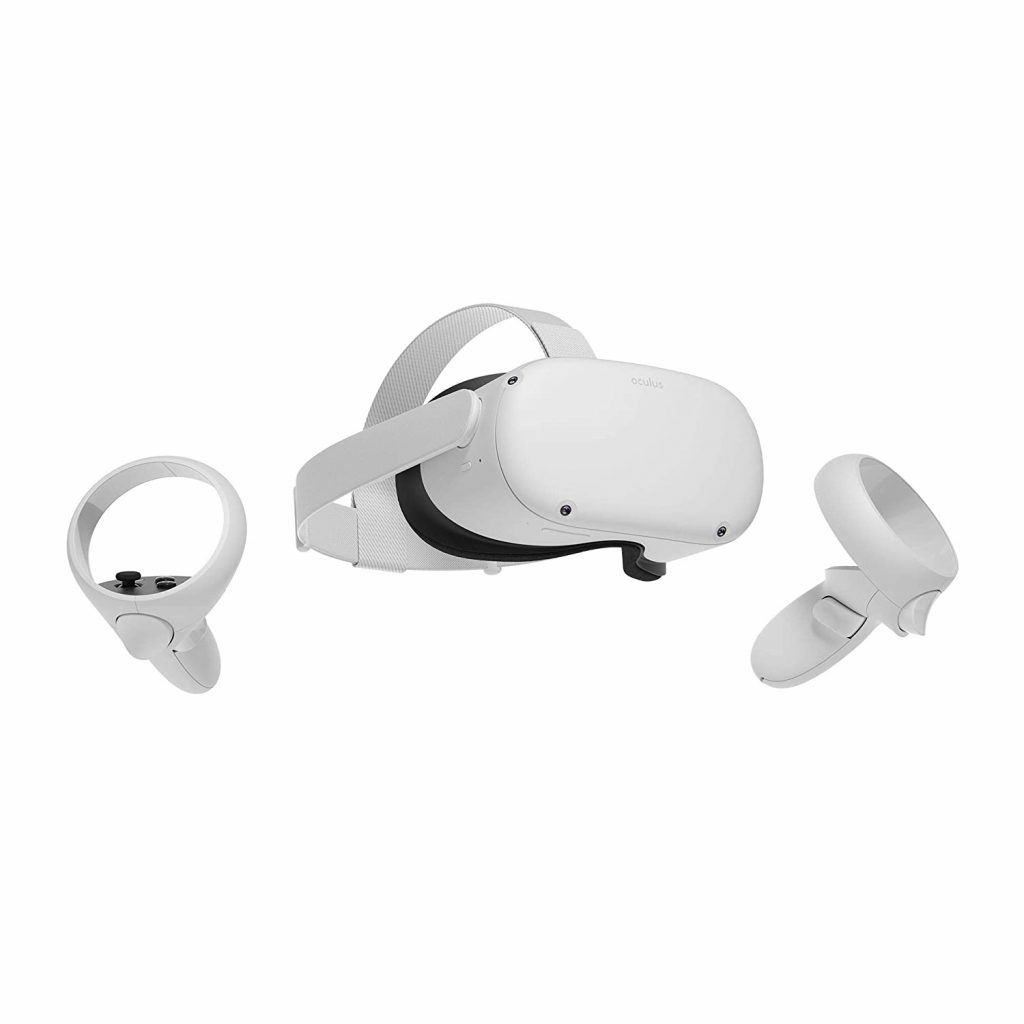
VR headsets are some of the best tech gifts you can give to a gamer. And when it comes to VR, there’s no doubt that Oculus is among the cream of the crop. With its top of the line tracking ability, it takes VR gaming to a whole new level.
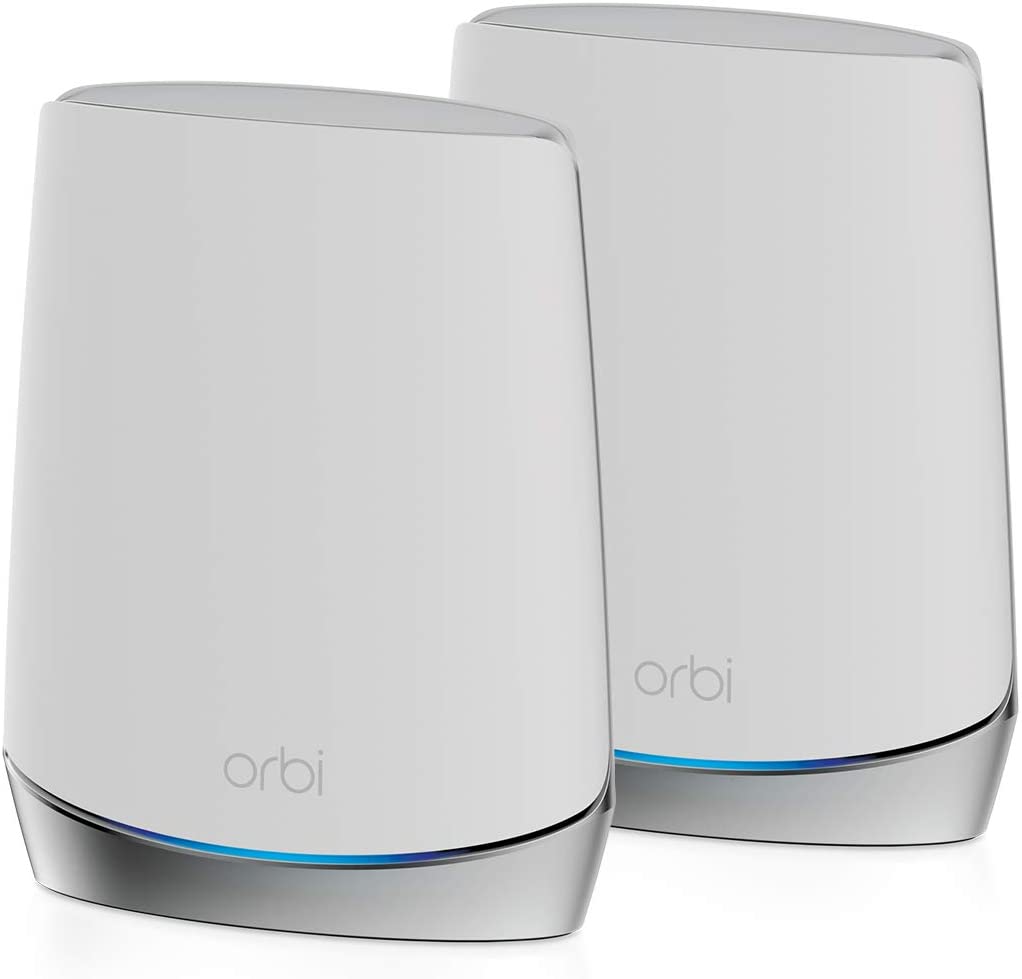
Does your wireless router have a limited range? Is your WiFi unable to reach certain parts of your home? If so, then consider the Netgear Orbi Home Wi-Fi System. With it, your WiFi can reach up to 5,000 square feet and cover up to 40 devices. It will allow you to get consistently high bandwidth speeds, and you can plug in different types of devices including computers, game consoles, streaming players, and more.
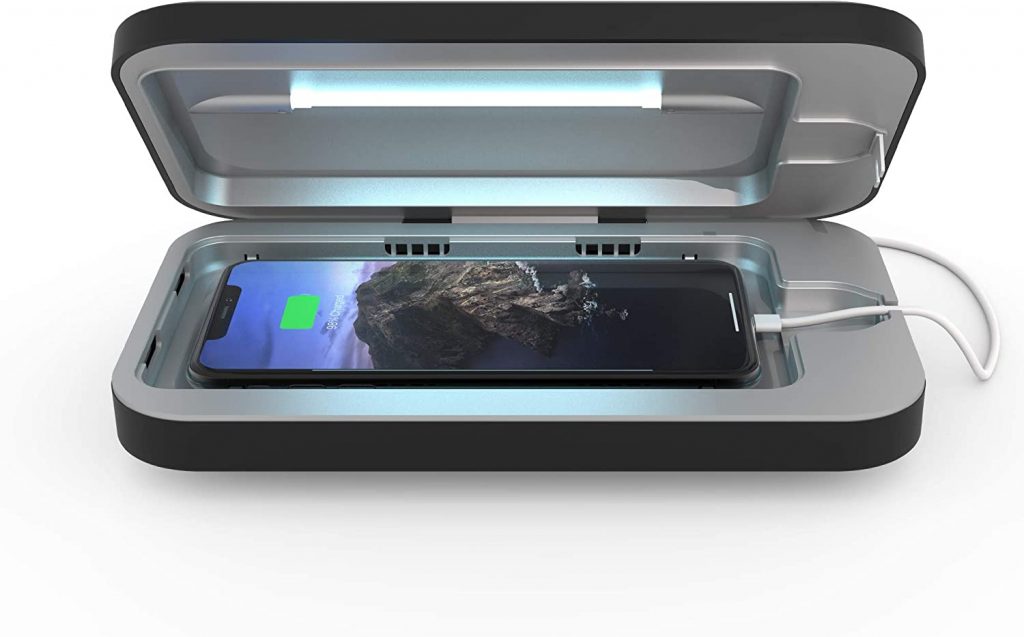
PhoneSoap 3 is excellent. It sanitizes your phone all while charging it and keeping it safe. Plus, it has a USB port as well as a USB-C port. Moreover, it is built with even the largest of smartphones in mind, so it will probably fit your phone. It’s one of the best tech gifts you can give to your germaphobe friend.
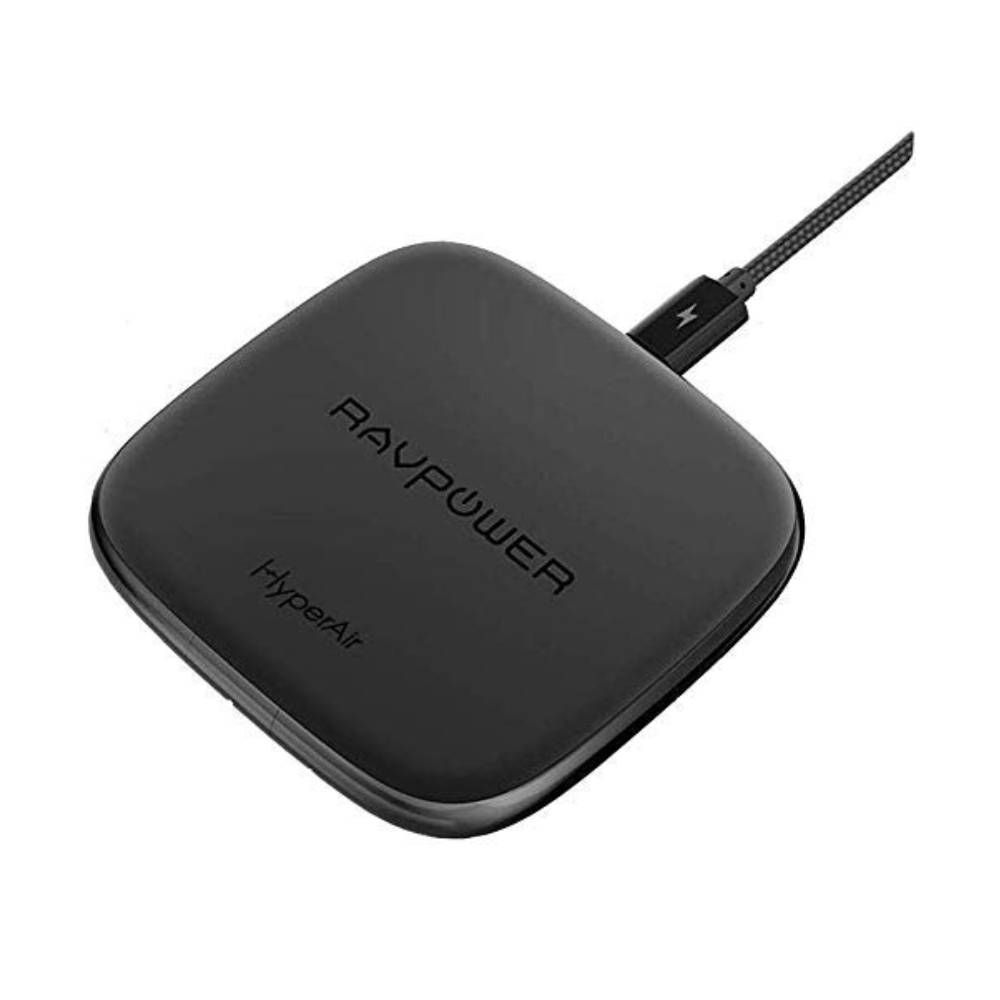
The RAVPower is a charging stand that can charge your devices wirelessly through electromagnetic induction. That way, you don’t have to plug in the charger to your device, but of course the pad still relies on a typical electric port to draw power. It’s a hassle-free way to charge your devices, so you never again have to manage multiple chargers for different devices.
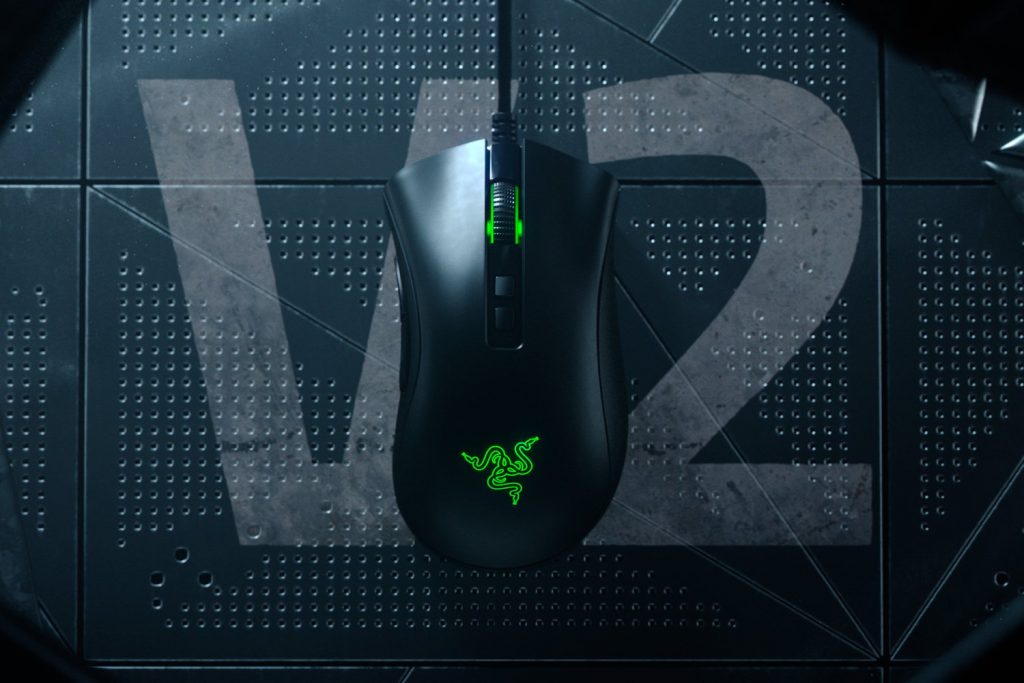
The Razer Deathadder V2 is a wireless mouse. Thus, it has full support for Bluetooth. You do have the option to use it with a wire. Overall, it’s a fantastic combination of wired and wireless. Any gamer would be pleased to have it.
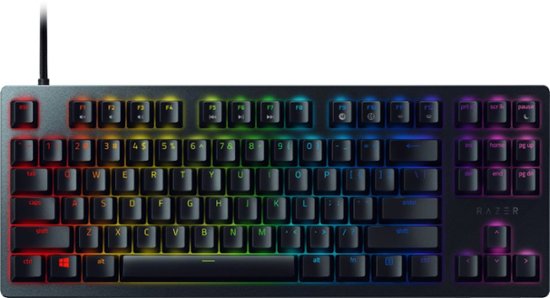
Razer’s recently released TKL keyboard is a favorite among Razer fans. It has optical switches that are way faster than your average switches. They’re pleasant to type on and sound nice. What’s more is that its simplistic design is enough to make any gamer fall in love with it.
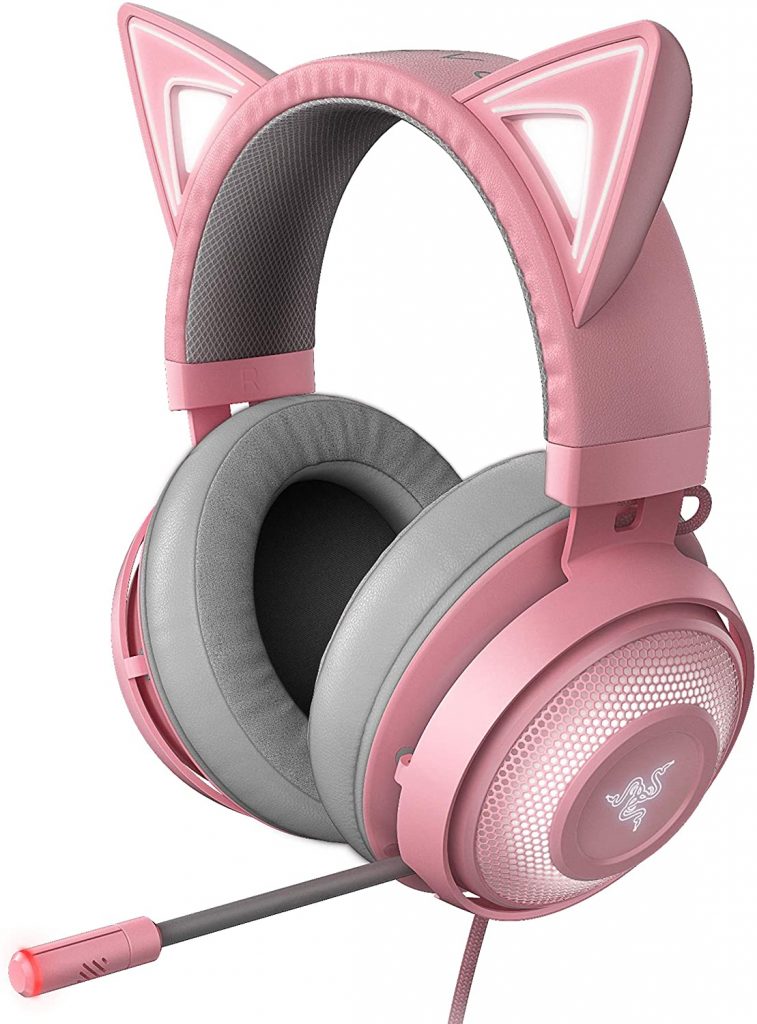
They’re pink, they’re fluffy, and they’re absolutely adorable. The Kraken Kitty headphones fully support Bluetooth and even have RGB lighting effects. It has an impressive battery life and has the same sound quality as normal Kraken headphones.
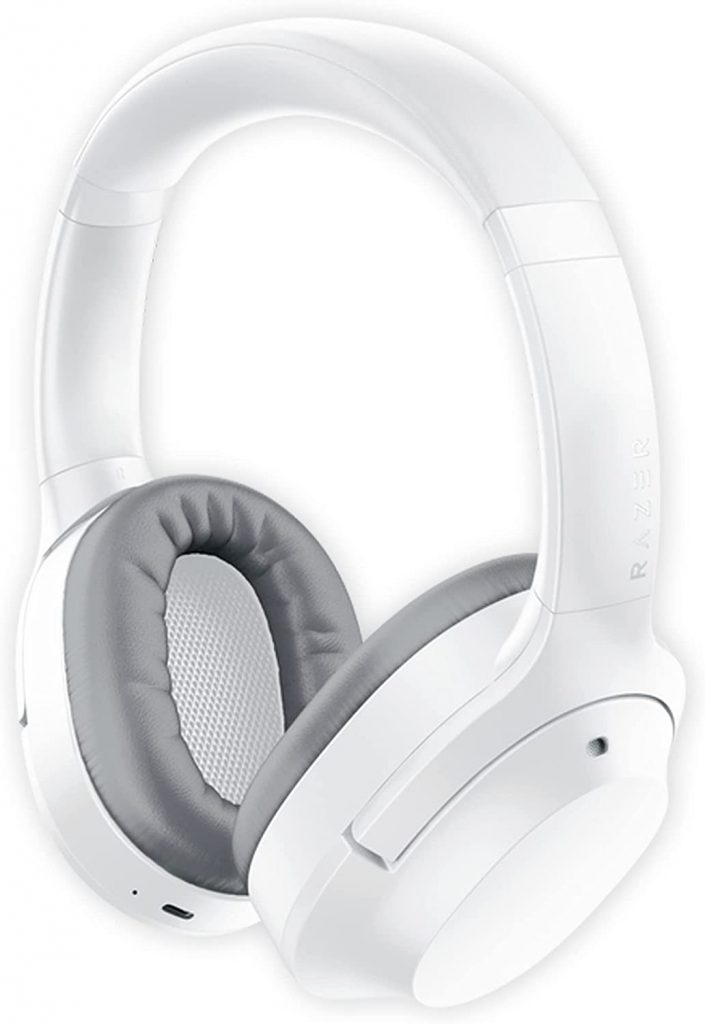
Although they aren’t designed for gaming, the Opus headphones are premium headphones. They have Bluetooth connectivity and are THX-certified. In addition, it offers active noise cancellation so you can listen to music uninterrupted and without annoying ambient sounds. You also get a special gaming mode that fires up the headset’s wireless performance while gaming or watching videos on Bluetooth devices.
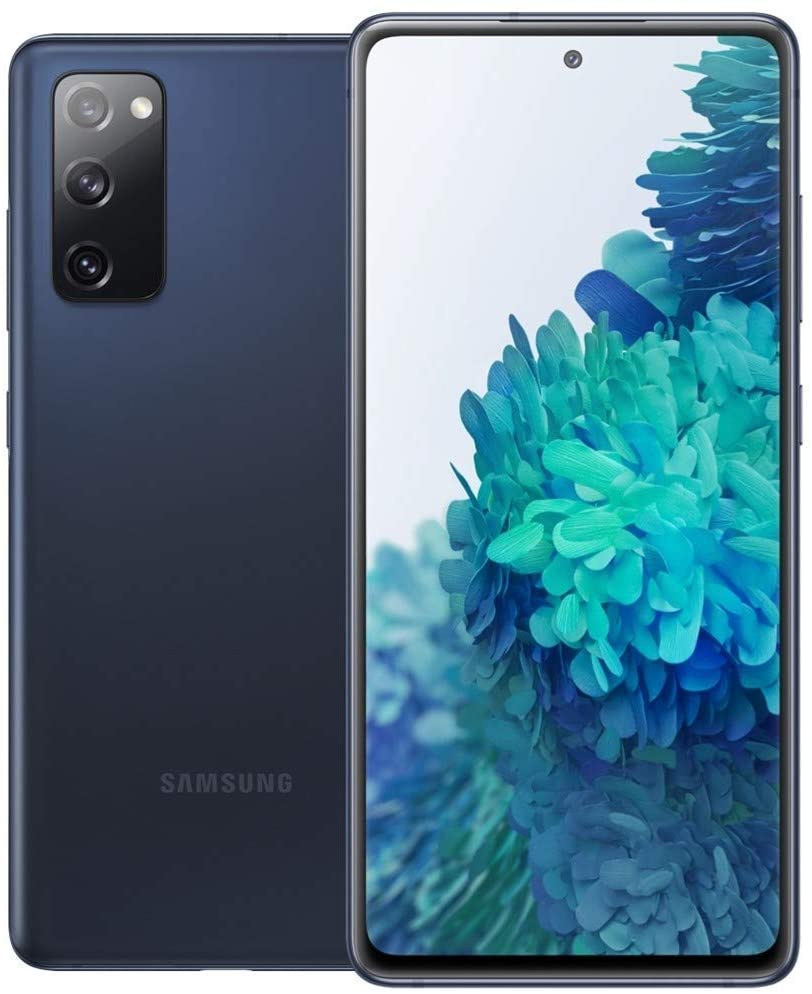
Samsung’s flagship products never fail to deliver. This is especially true of the Galaxy S20. It has an astonishing camera which can capture videos up to 8K. And it has a huge amount of storage space, as well. Hence, it’s one of the most powerful phones money can buy.

Most men love to drink beer, so why not give them a device that can have them drinking beer while listening to the music, in the shower? This Beer Holder & Bluetooth Speaker from Gabba is exactly the device to let your friend, brother, or husband enjoy a nice cold drink and listen to music while in the bath.

With the Sodastream Fizzi, you can turn your water into a sparkling one. It has a carbonating cylinder that carbonates just about any drink. Using this product, you can create soft drinks and cocktails out of anything.
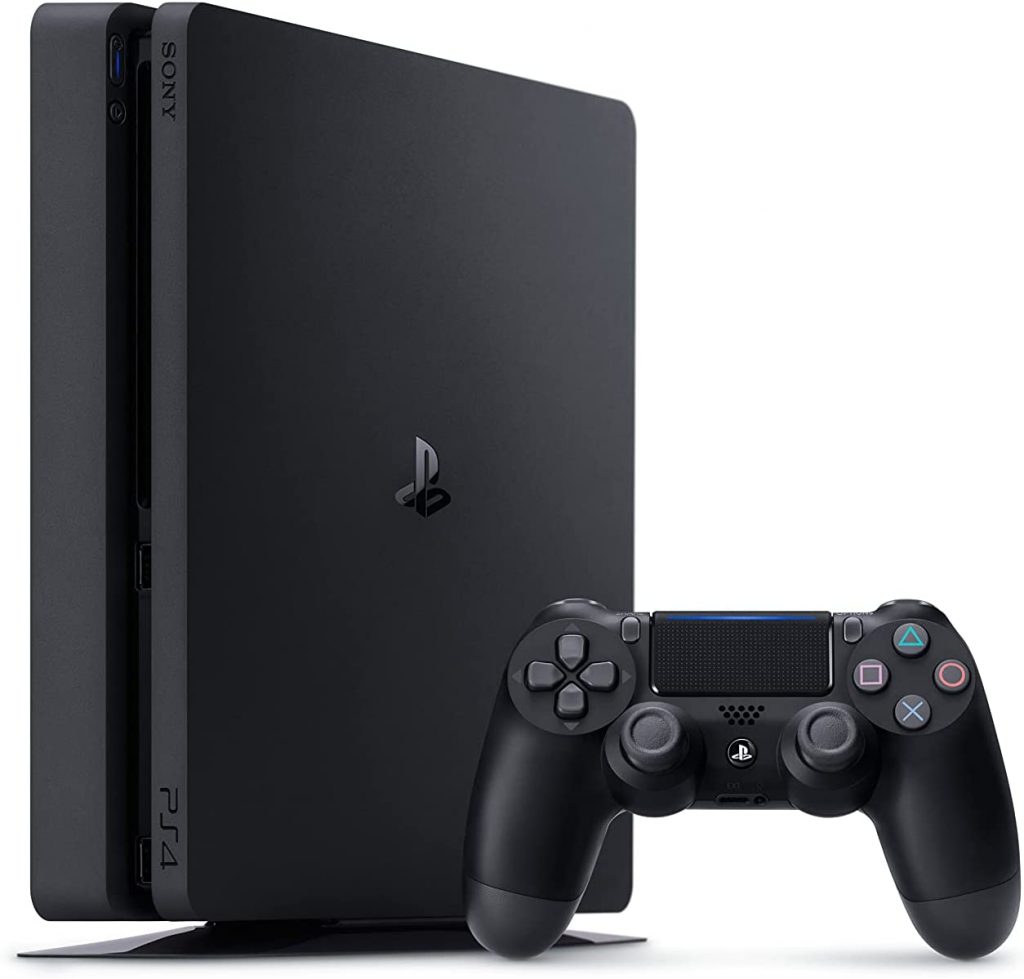
The PlayStation 4 is a more powerful and slimmed-down version of the PlayStation 3. This iteration of the console offers the same core as the original PlayStation 4 (2013) but comes with the benefit of a more sleek design. Its features are also essentially the same as the original PS4, with the exception that it offers faster 5GHz Wi-Fi as well as HDR support. Obviously, it can’t beat the PlayStation 5 in performance, but it will still allow you to play the latest and most demanding games.
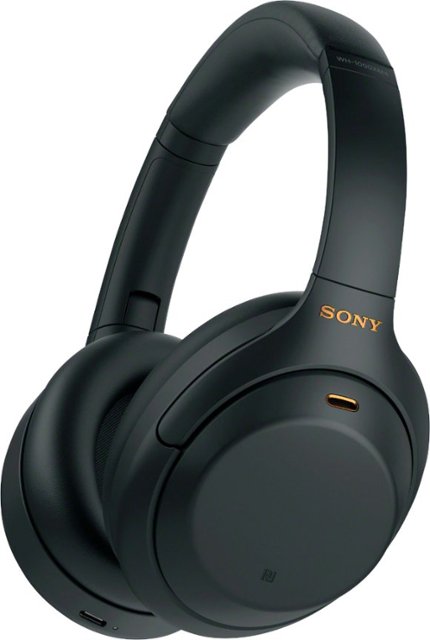
If your gaming partner is distracted by a lot of noise in the background when they play, they’ll want noise-canceling headphones. And when it comes to those, the Sony WH-100XM4 tops the charts. It’s also complete with Bluetooth and is excellent for gaming and music.
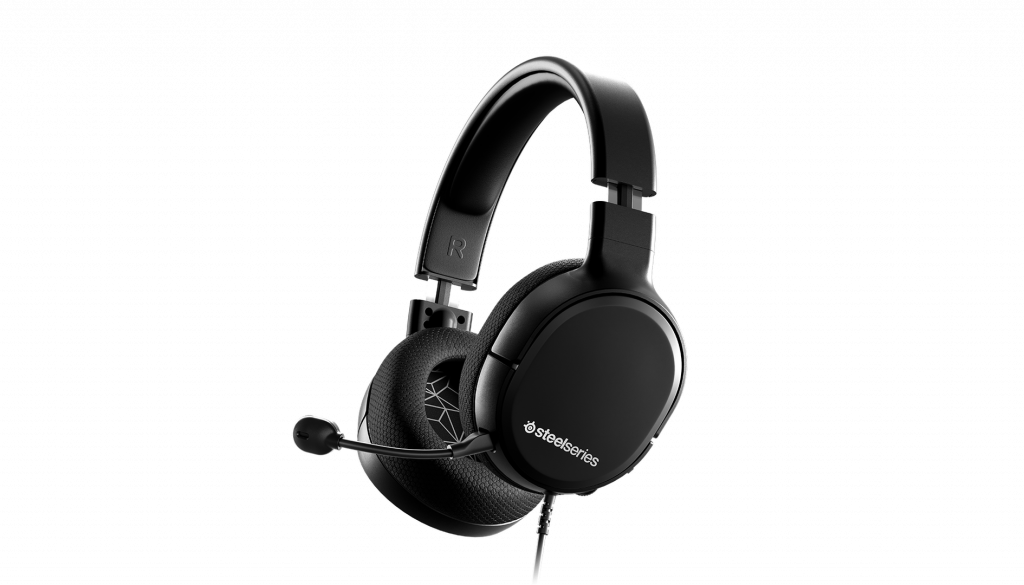
This SteelSeries headset works with a variety of consoles. From the Nintendo Switch to the PS5, you can bet you’ll have a good gaming experience with these. It’s the headset of choice for many console players.
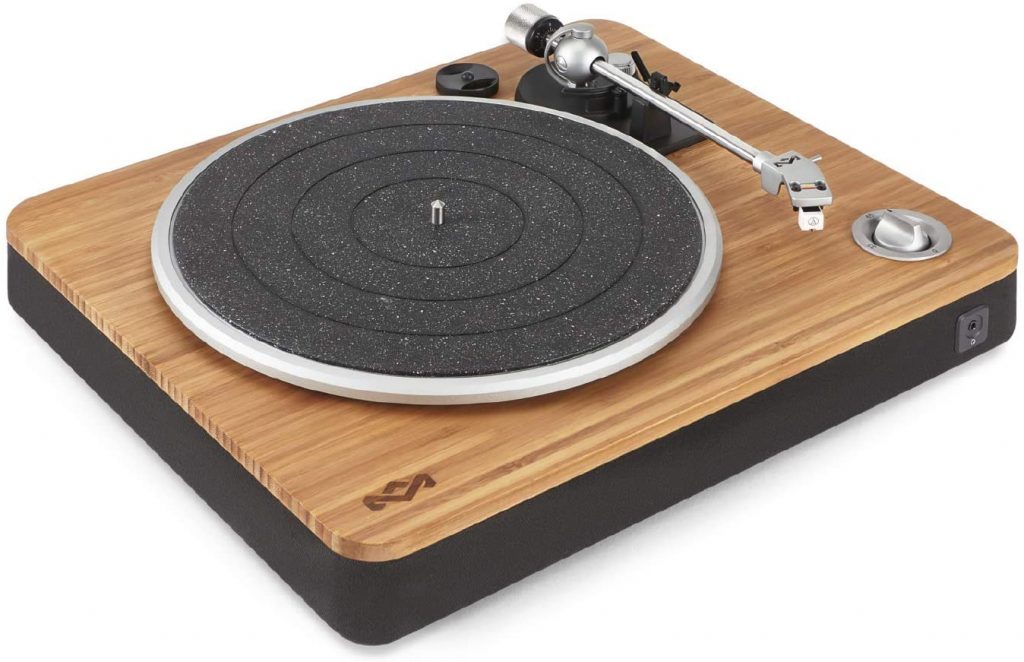
This turntable is made out of solid bamboo. In terms of aesthetics, it’s one of the most simple-looking turntables on the market. With it, you can even convert your vinyl records into digital form.

As the name suggests, this smart mug controls temperature. It can keep your drink warm or cold, depending on how you like it. And it can keep it that way for up to an hour. In terms of tech gifts, this is one of the coolest and most useful on the list.
A Merry Techie Christmas To Everyone!
That concludes our list of the best tech gifts to give to your loved ones this Christmas. Clearly, there is an abundance of gift ideas to choose from, you just have to use what you know of the person to determine the fitting gift. Or if you really aren’t sure, you can just go ahead and ask them. Nevertheless, you should be able to find an option here for your friends and family! Just keep in mind that you shouldn’t feel obligated to spend excessive amounts to make a gift worth giving. The one thing that matters most is the amount of thought and care that is put into selecting the gift, and tech gifts are the best representation of these factors!