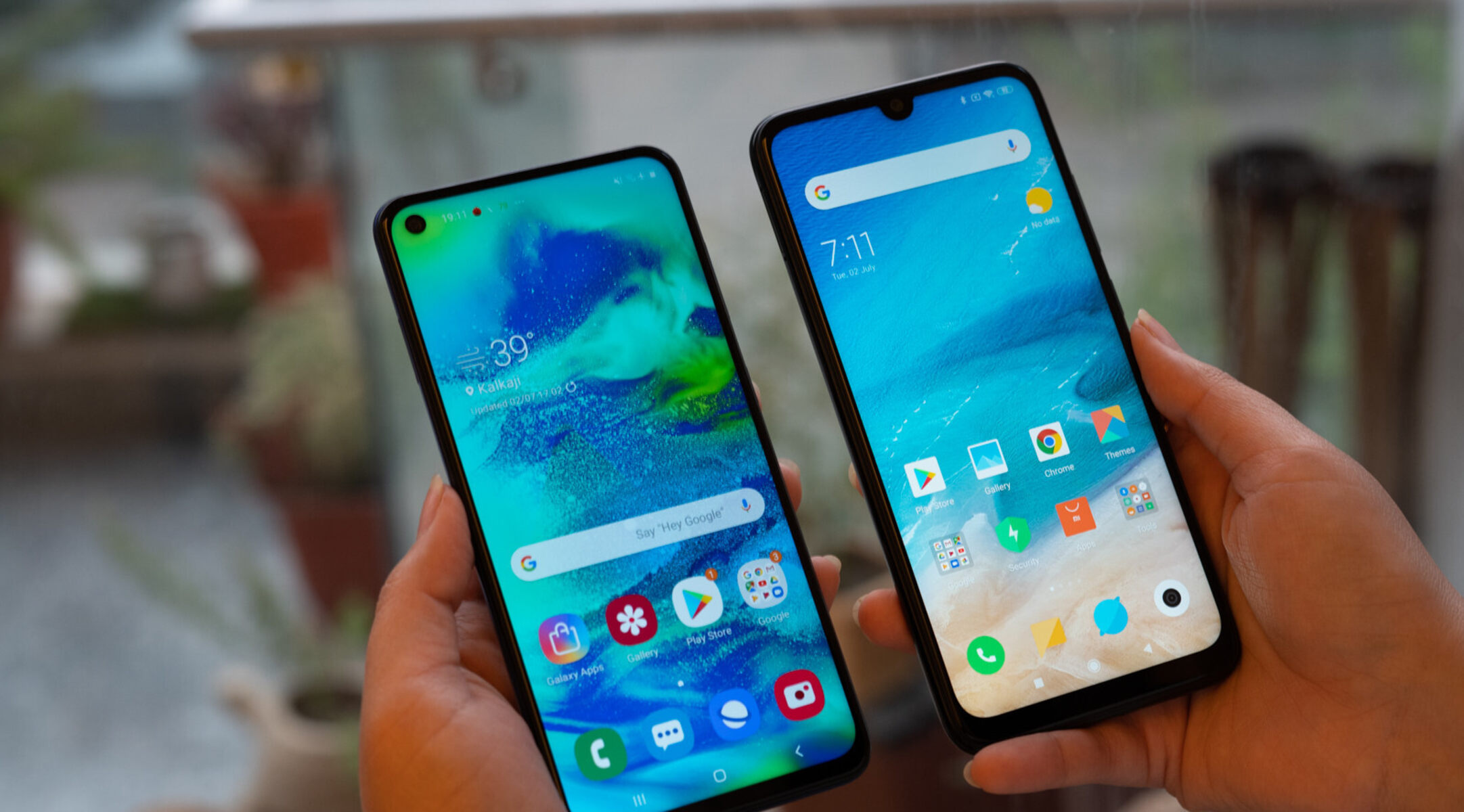
If you're deciding between Samsung and Redmi, the "better" brand depends entirely on your budget and priorities: choose Samsung for a premium, long-term investment with industry-leading cameras and software support; choose Redmi to get the maximum specs and performance for the least amount of money. This Samsung vs Redmi comparison breaks down the key differences across design, display, performance, camera, software, and price, so you can pick the brand that fits your specific needs. If you're new to these ecosystems, understanding the difference between smartphone and iPhone clarifies why Samsung and Redmi share a common platform distinct from Apple's. We'll start with build quality, then move through the features that matter most for daily use, and finish with a clear verdict on which brand offers the best value for different types of buyers.
Design and build quality
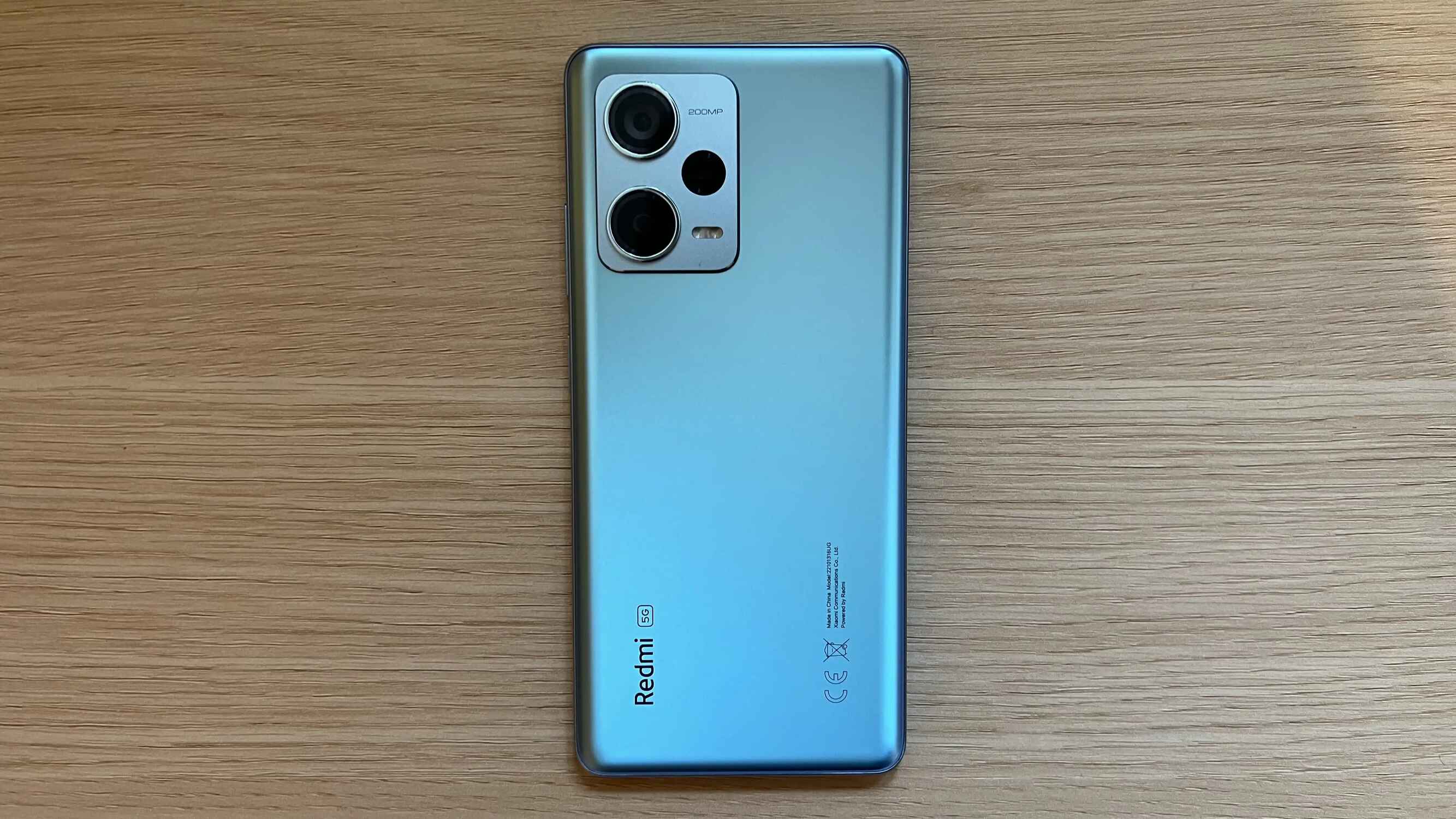
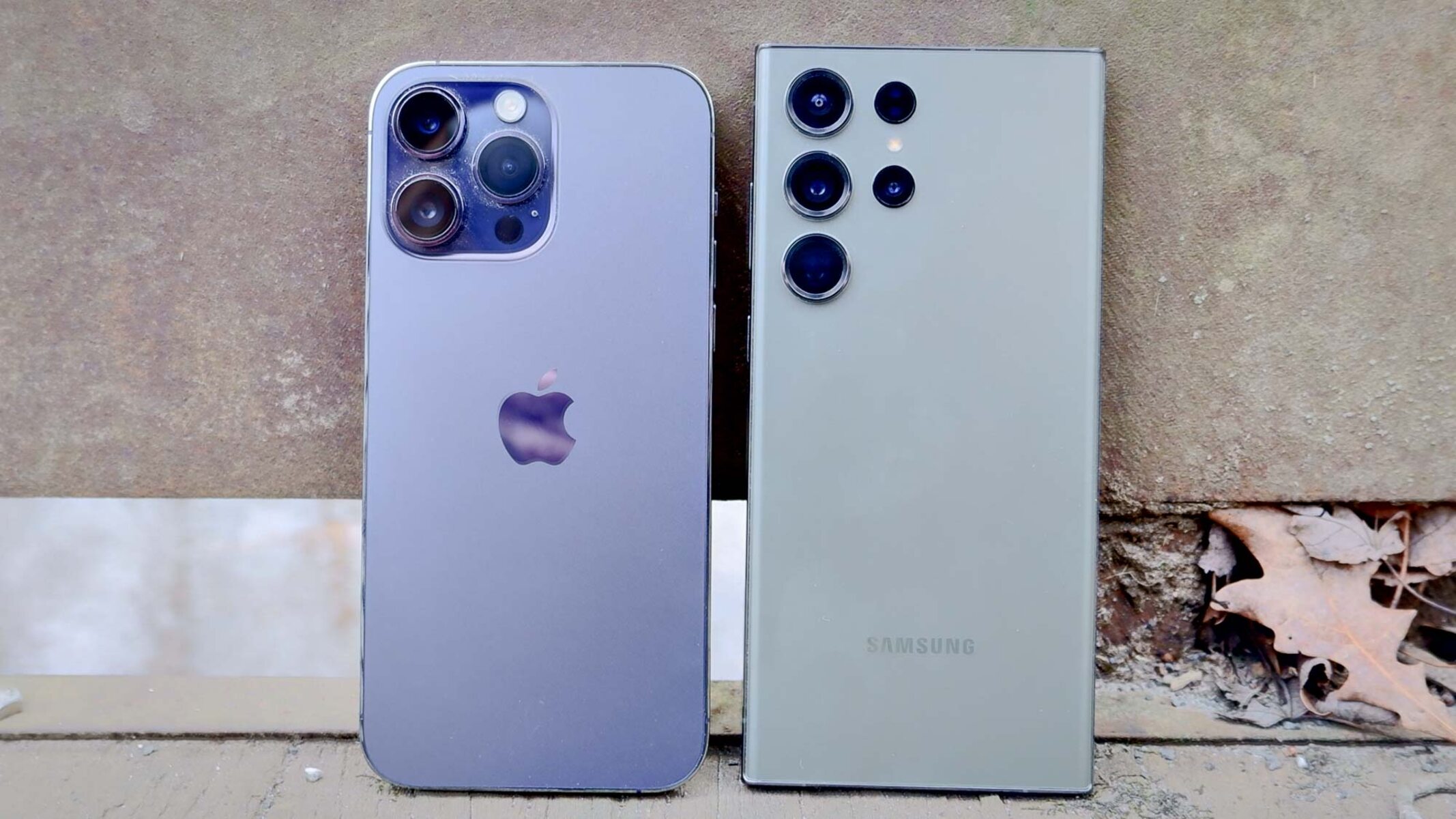
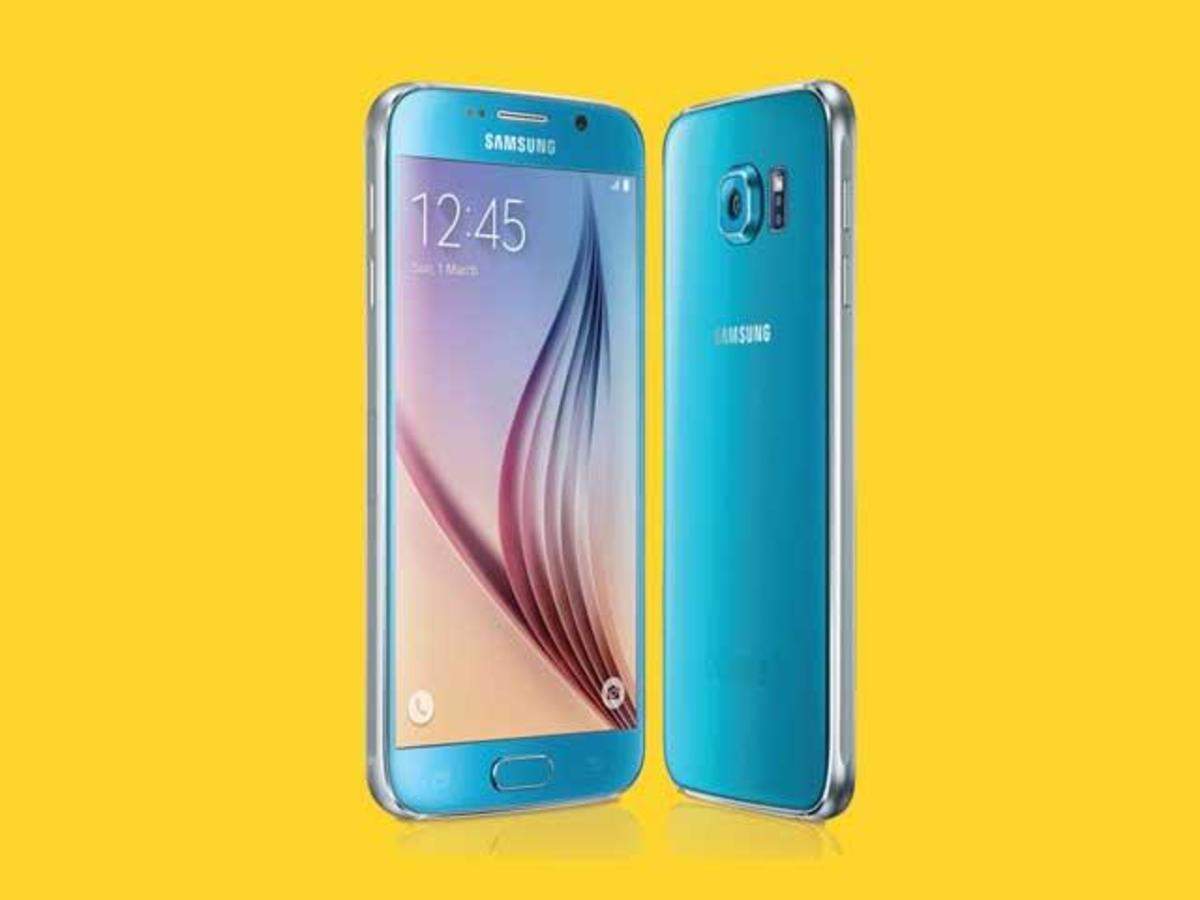
Samsung and Redmi take fundamentally different approaches to design. Samsung's flagship Galaxy S series uses premium materials like Gorilla Glass and aluminum frames, giving devices a polished, high-end feel. This makes Samsung phones more durable against accidental spills, rain, or pool drops. Redmi, by contrast, focuses on practical, utilitarian design. Its phones typically use polycarbonate (plastic) backs or simpler glass finishes, which keep weight down and production costs low. While Redmi devices lack official IP ratings on most models, they are built with reinforced frames and are designed to withstand everyday drops and wear. The trade-off is clear: Samsung offers a more premium, water-resistant feel, while Redmi prioritizes affordability and everyday sturdiness. These physical differences also mean you can't expect a Samsung case on a Redmi phone to fit properly. If you want a phone that looks and feels luxurious and can handle water exposure, Samsung wins. If you care more about a tough, lightweight device that won't break the bank, Redmi's build is perfectly adequate.
Display quality
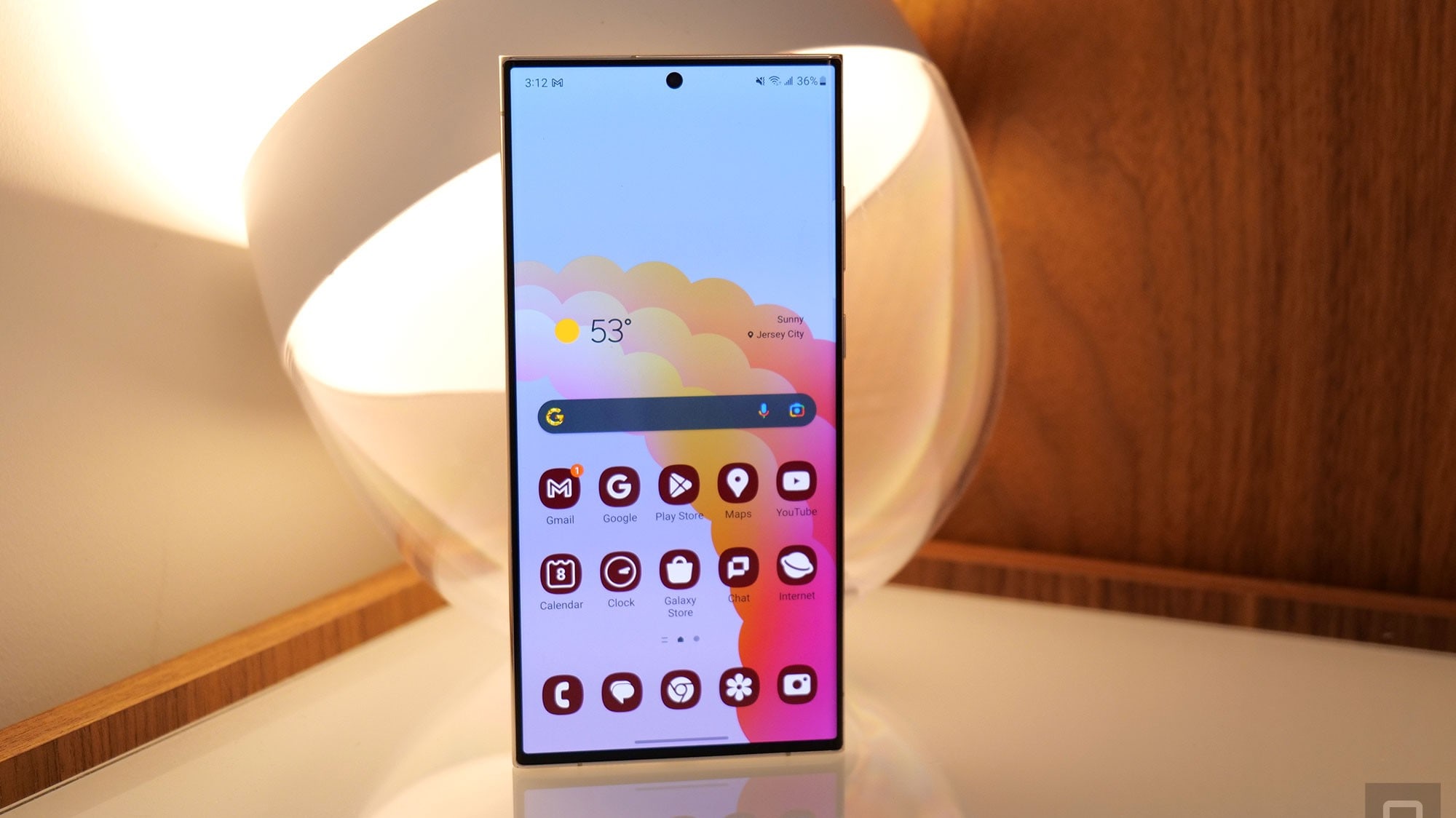
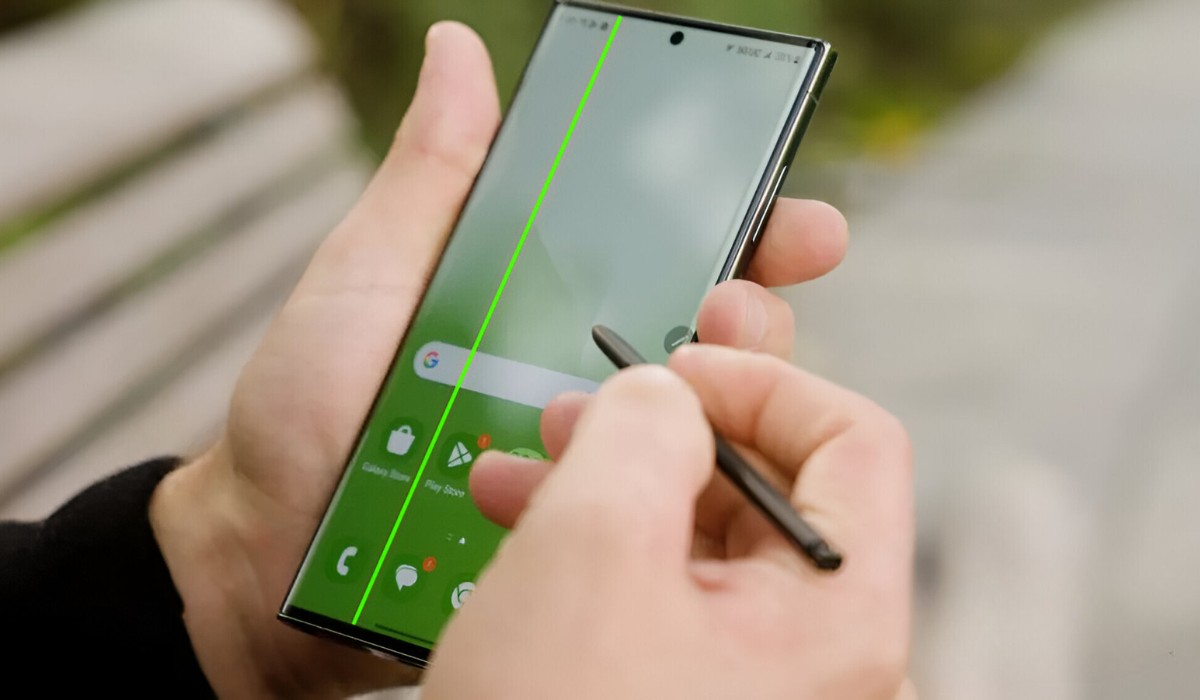
Samsung is widely regarded as having the best smartphone displays in the industry, and its Super AMOLED panels are a key differentiator. These screens offer perfect blacks, vivid colors, and high contrast ratios, making everything from HDR video to photos look more lifelike. Flagship Samsung models also feature 120Hz or 144Hz refresh rates, which make scrolling and gaming feel exceptionally smooth. Even Samsung's mid-range A-series phones now include AMOLED displays with 90Hz or 120Hz refresh rates, bringing premium screen tech to lower price points. Budget Redmi phones often use IPS LCD, which is fine for casual use but lacks the deep blacks and contrast of AMOLED. For media consumption, gaming, and outdoor visibility, Samsung's displays are superior. Redmi's screens are good for the price, but if you're a display enthusiast or spend hours watching content, Samsung is the clear winner.
Performance and hardware
The performance gap between Samsung and Redmi depends heavily on which tier you're comparing. Samsung's flagship Galaxy S series (including the S24 and S25) uses top-tier Qualcomm Snapdragon processors (or Samsung's Exynos chips in some regions), paired with up to 12GB of RAM. These chips handle intensive gaming, 4K video editing, and heavy multitasking without breaking a sweat. Samsung also includes advanced vapor chamber cooling systems to prevent thermal throttling during long gaming sessions. Redmi, meanwhile, focuses on mid-range processors like the Snapdragon 7-series or MediaTek Dimensity chips. These are capable for everyday tasks, social media, and most games, but they will struggle with the most demanding 3D titles or heavy multitasking compared to Samsung's flagship silicon. If you're a power user who wants the fastest possible phone, Samsung's flagship wins. If you're a casual user or gamer on a budget, Redmi's performance is more than sufficient for the price.
Camera quality
Samsung has pushed smartphone photography to new heights, particularly with its Galaxy S Ultra models. The latest Samsung flagships feature 200MP ultra-high-resolution sensors, which capture incredible detail in bright light. They also include periscope telephoto lenses with up to 100x "Space Zoom," allowing you to photograph distant subjects like wildlife or concert stages with surprising clarity. Samsung's cameras support 8K video recording and use advanced AI editing tools that can remove objects or enhance photos automatically. Optical Image Stabilization (OIS) ensures sharp shots even in low light. Redmi's cameras are competent but not in the same league. Its mid-range phones typically feature 50MP or 108MP main sensors, which produce good photos in daylight, but low-light performance is weaker, and there's no periscope zoom, most Redmi models offer only 2x or 3x optical zoom. Video recording tops out at 4K, and AI processing is less sophisticated. For social media photography, travel shots, and everyday memories, Redmi's cameras are perfectly fine. But if photography is a passion or you need long-range zoom and professional-grade video, Samsung's camera system is vastly superior.
Software, updates, and ecosystem
Samsung offers the best software support in the Android world. Galaxy devices launched in 2024 or later receive up to 7 years of security updates and 7 years of OS feature updates. Samsung's One UI interface is clean, user-friendly, and packed with features like the Edge panel for quick app access, plus AI-powered tools for photo editing and text summarization. Samsung also integrates seamlessly with its ecosystem of Galaxy Buds, smartwatches, and tablets, allowing easy file sharing and cross-device notifications. Redmi runs MIUI (now called HyperOS), which is highly customizable with themes, app lock, and gesture controls. However, Redmi's update policy is much shorter, typically 2-3 years of OS updates and 3-4 years of security patches. This means Redmi phones become outdated faster and are more vulnerable to security risks over time. If you keep your phone for 3+ years, Samsung's software longevity is a massive advantage. If you upgrade every 1-2 years, Redmi's software is fine, but you'll miss out on Samsung's AI features and ecosystem integration.
Price and value for money
This is where Redmi shines. Redmi's entire brand identity is built around offering the best specs for the lowest price. You get 80% of the features of a $800 Samsung for a fraction of the cost. While Samsung also offers budget A-series phones, these often have slower processors and less RAM than Redmi at the same price. The value equation is simple: Redmi gives you more raw hardware per dollar, while Samsung charges a premium for its brand, display quality, camera zoom, and software longevity. If your budget is tight, Redmi is the obvious choice. If you're willing to invest more for a superior overall experience, Samsung justifies its higher price.
Final verdict: who wins the Samsung vs Redmi battle?
There is no single winner, it depends on your priorities. Choose Samsung if you value premium design, the best display and camera zoom (100x), 7 years of software updates, and a connected ecosystem of wearables and tablets. Samsung is the better choice for professionals, photography enthusiasts, and anyone who keeps a phone for 4-5 years. The higher upfront cost is offset by longevity and resale value. Choose Redmi if you want maximum specs per dollar and don't mind upgrading every 2-3 years. Redmi is ideal for students, budget-conscious buyers, and gamers who want a fast, feature-packed phone without the flagship price tag. For most people, the decision comes down to this: if you can afford a Samsung flagship, it's the better long-term investment. If you're on a budget, Redmi offers unbeatable value and will handle 90% of your daily tasks perfectly. Both brands are excellent, but they serve different audiences, Samsung for those who want the best, Redmi for those who want the most for their money.
For the wider topic, see make a smartphone.