How to Use Multiple Calendars in Google Calendar: The Complete Guide
To use multiple calendars in Google Calendar, you create separate calendars for different areas of your life, like work, personal, and projects, then toggle them on or off in the left sidebar to view them together or individually. This keeps every event in its proper category while still showing everything in one unified view when you need it. To automatically populate those calendars from a spreadsheet, you can link Google sheets to Google calendar.
How to Use Multiple Calendars in Google Calendar: An Introduction to the Benefits
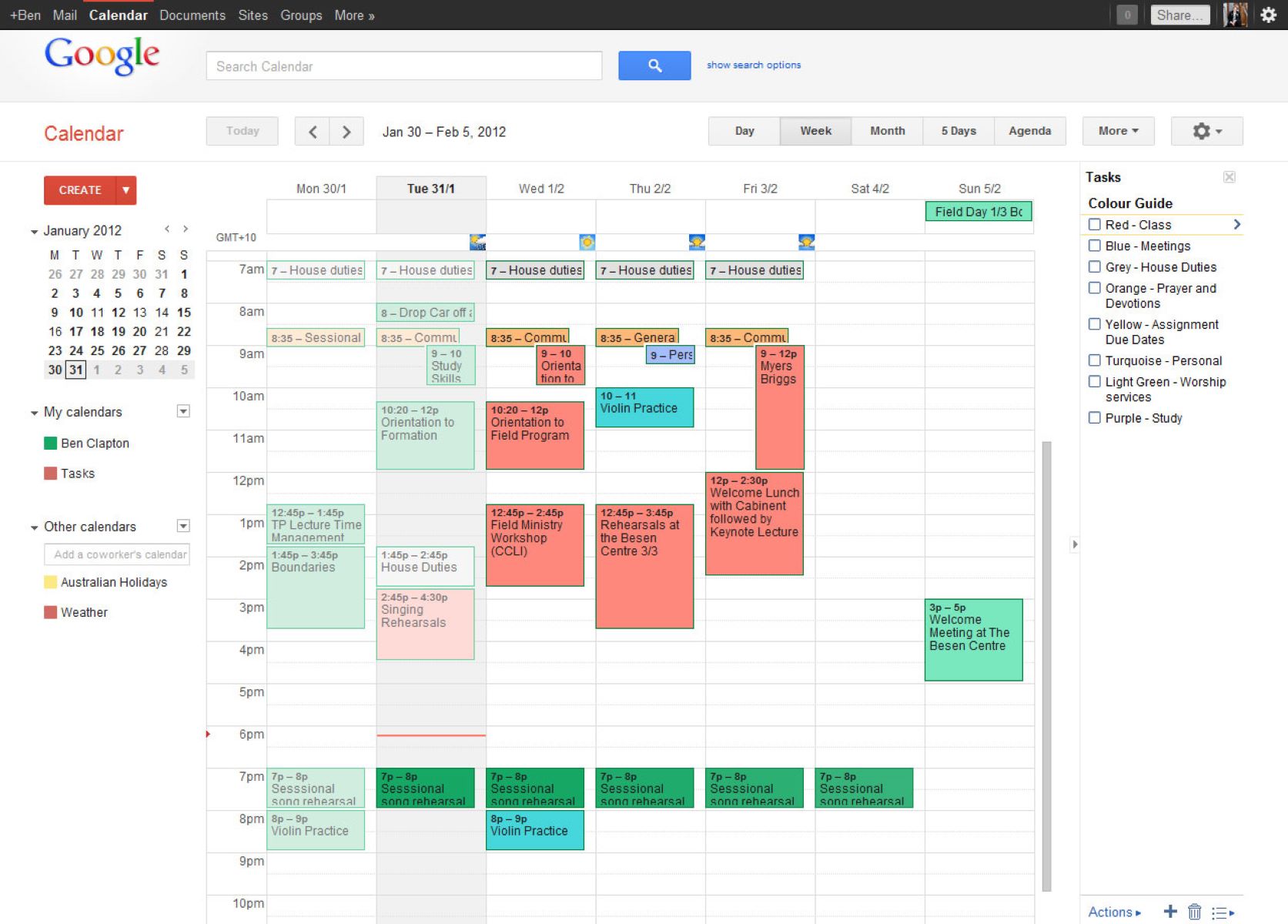
Using multiple calendars in Google Calendar transforms how you organize your time. Instead of cramming work meetings, family dinners, and project deadlines into a single overwhelming list, you create dedicated calendars for each area of your life. This separation means you can focus on work during business hours without personal reminders cluttering your view, then switch to your personal calendar in the evening. You can even maintain separate calendars for different projects, clients, or volunteer commitments, all within the same Google Calendar interface. The color-coding system automatically assigns a distinct color to each calendar, so when you view multiple calendars side-by-side, you can instantly identify which events belong to which category. If these calendars live across different Google accounts, you can sync Google calendar with multiple accounts to manage everything in one unified view. This approach reduces mental clutter, prevents double-booking, and gives you complete control over what you see at any moment.
How to Create a New Calendar (Browser Only)
Creating a new calendar is the first step to using multiple calendars in Google Calendar. Importantly, you can only create new calendars from a browser, the mobile app does not support calendar creation. Here's the step-by-step process:
Step 1: Open Google Calendar on your computer
Navigate to calendar.google.com and sign in to your Google account. You must use a desktop or laptop browser; this feature is not available in the Android or iOS apps.
Step 2: Click the gear icon and select "Settings"
In the top right corner, click the "Settings menu" (gear icon) and then "Settings." This opens the full settings panel where you can manage all aspects of your calendars.
Step 3: Click "Create new calendar"
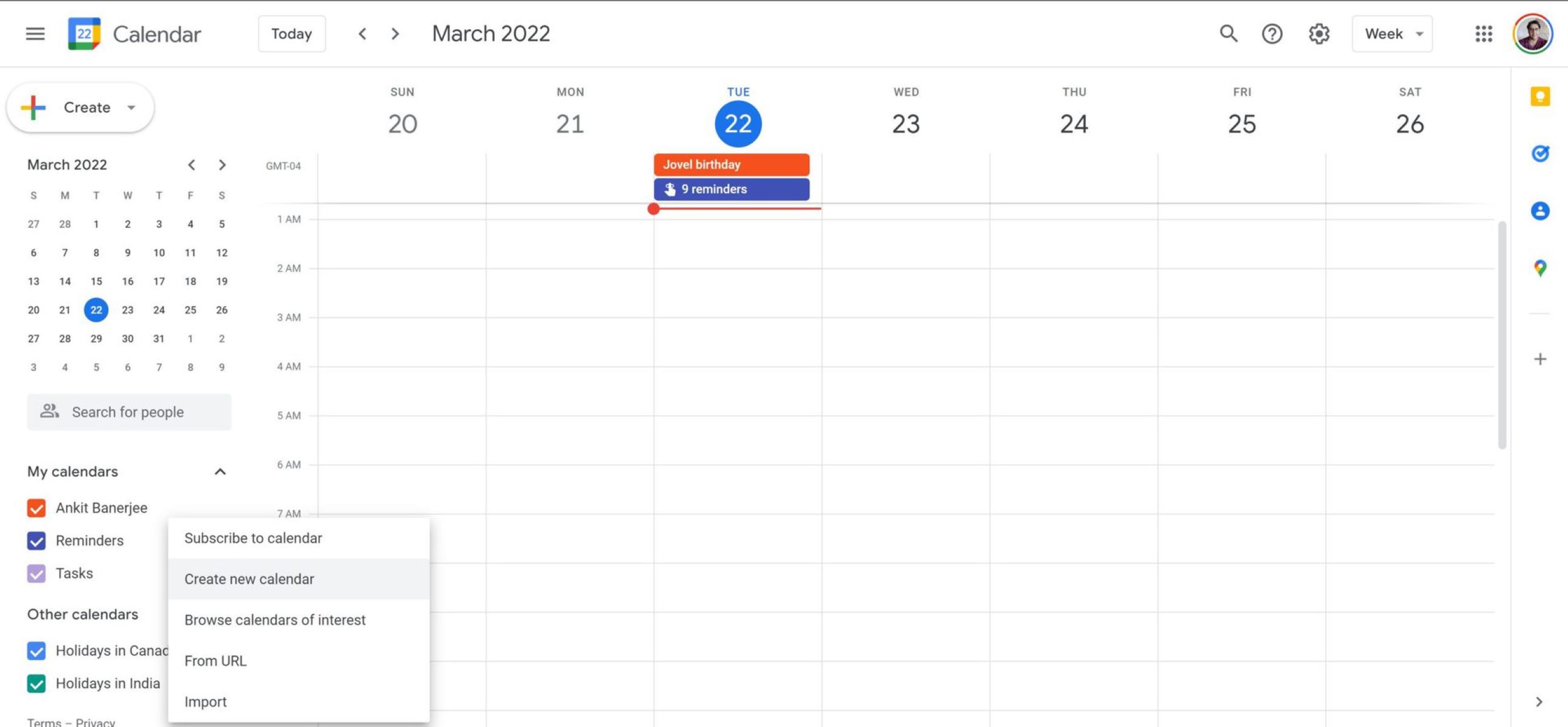
On the left side of the settings page, find the "Add calendar" section and click "Create new calendar." A form will appear asking for details about your new calendar.
Step 4: Fill in the calendar details
Enter a name for your calendar (e.g., "Work," "Personal," "Project Alpha"). You can also add a description and select a time zone. Choose a color that you'll easily recognize when viewing multiple calendars together.
Step 5: Click "Create calendar"
Once you've filled in the details, click "Create calendar" to finalize it. The new calendar will immediately appear in your list on the left side under "My calendars." You can now start adding events to it, and it will sync across all your devices automatically.
How to View and Hide Your Calendars
Once you've created multiple calendars, you need to know how to control which ones appear in your main view. This is where the real power of using multiple calendars in Google Calendar comes into play.
Viewing calendars side-by-side
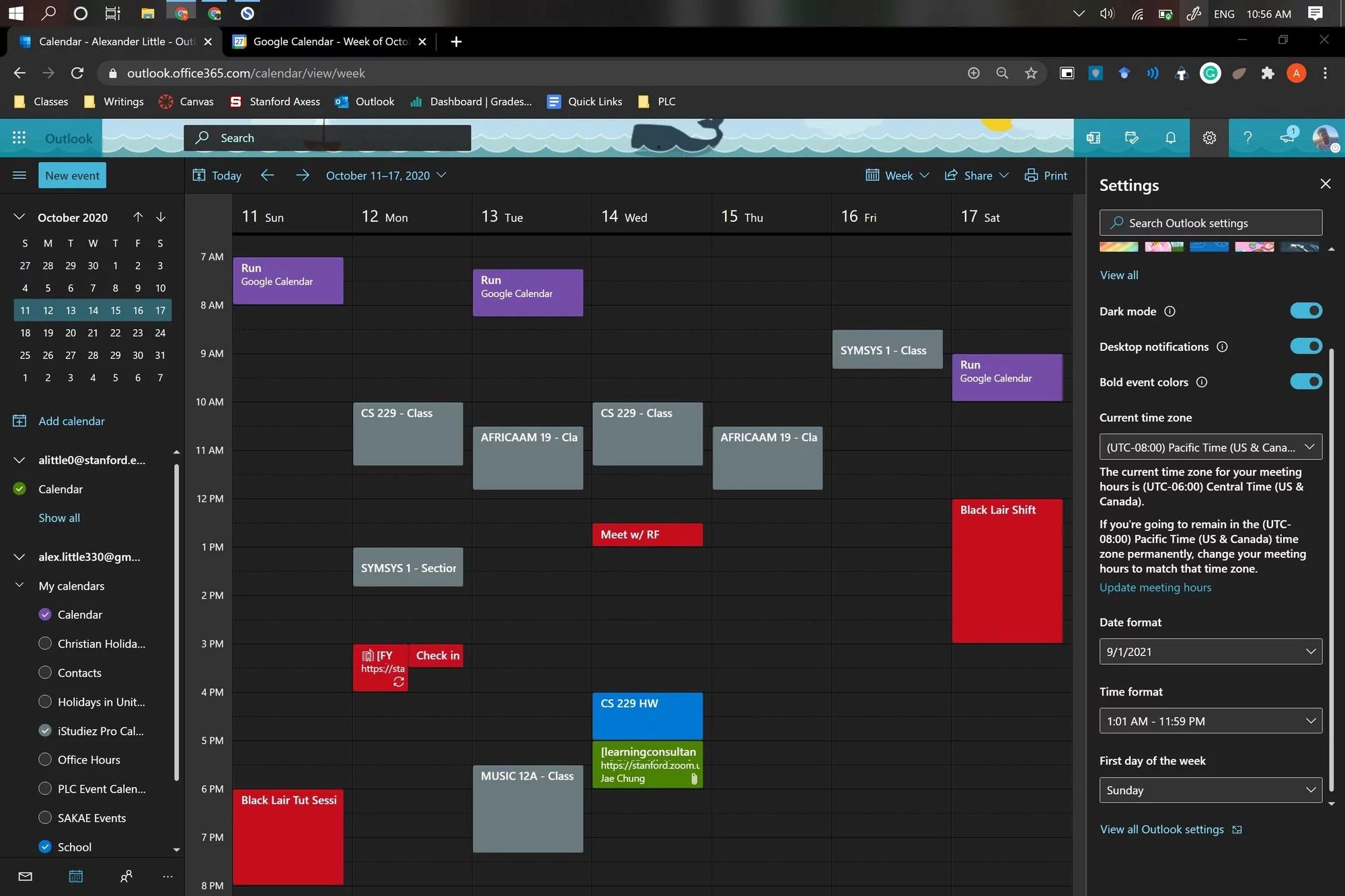
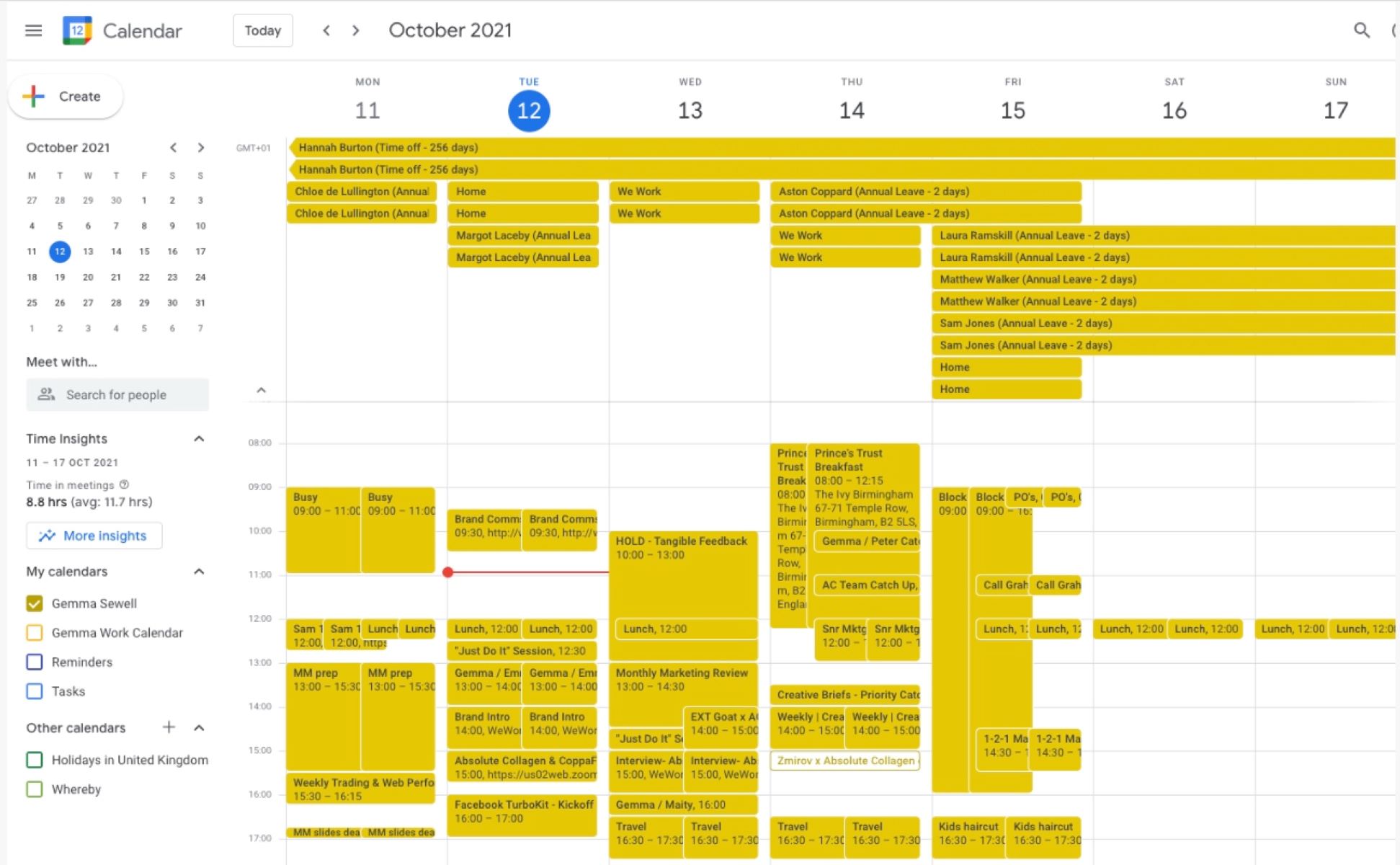
On the left side of the page, under "My calendars," you'll see a checkbox next to each calendar's name. To view multiple calendars simultaneously, simply check the boxes next to the ones you want to see. Each calendar's events will display in its assigned color, making it easy to distinguish between work, personal, and project events at a glance.
Focusing on one calendar
If you need to concentrate on a single calendar, say, just your work schedule, uncheck the boxes next to all other calendars. This hides their events and gives you a clean, focused view. You can quickly toggle calendars on and off as your needs change throughout the day.
Restoring a hidden calendar from Settings
If you've hidden a calendar and can't find it in the sidebar, you can restore it from Settings. In the top right, click the "Settings menu" (gear icon) and then "Settings." On the left, find the hidden calendar under "My calendars." To the right of the hidden calendar, click "Show in calendar list." The calendar will reappear in your sidebar with its checkbox checked.
How to Create an Event on a Specific Calendar
Creating events on the correct calendar is essential for keeping your multiple calendars organized. When you create a new event, you must assign it to the right calendar.
Step 1: Open the event creation window
Click any time slot on your calendar grid, or click the "+" icon next to "Other calendars" and select "Create event." The event creation window will open.
Step 2: Use the "Calendar" dropdown menu
In the event creation window, look for the "Calendar" dropdown menu (usually near the top). Click it to see a list of all your calendars. Select the calendar where you want this event to appear. For example, if you're scheduling a client meeting, choose your "Work" calendar; if you're planning a family dinner, choose your "Personal" calendar.
Step 3: Fill in event details and save
Enter the event title, date, time, location, and any other details. Once you click "Save," the event will be categorized under the calendar you selected. This ensures that when you view that specific calendar, the event appears in the right place, and when you view all calendars together, it's color-coded correctly.
How to Edit and Delete Events Across Calendars
Managing events across multiple calendars requires knowing how to make changes that affect the right calendars. Google Calendar gives you flexibility when editing or deleting events.
Editing events on multiple calendars
To edit an event, click on it to open its details, then click the pencil icon. Make your changes to the title, time, location, or other fields. If you want to apply the same changes to the event on multiple calendars, you can check the boxes next to each relevant calendar before saving. This is particularly useful when you have the same event (like a recurring team meeting) on both your work and project calendars.
Deleting events across calendars
To delete an event, click on it and select the trash icon. A confirmation message will appear asking if you want to delete the event. If you want to delete the event from multiple calendars, ensure that the checkbox next to each relevant calendar is checked before confirming. This removes the event from all selected calendars simultaneously, keeping your schedules consistent.
Making selective changes
You can also uncheck boxes next to calendars where you don't want changes applied. This lets you update an event on your work calendar without affecting the same event on your personal calendar. This selective editing is valuable when different calendars serve different purposes or audiences.
How to Sync Calendars with Your Phone
To access your multiple calendars on the go, you need to ensure they're synced with the Google Calendar app on your mobile device. This lets you view and manage all your calendars from anywhere.
Step 1: Open the Google Calendar app on Android or iOS
On your Android phone or tablet, or your iPhone or iPad, open the Google Calendar app. Sign in with the same Google account you use on your computer.
Step 2: Access settings
At the top left, tap "Menu" (three horizontal lines) and then "Settings." This opens the settings menu for your calendar app.
Step 3: Check all desired calendars
In the settings menu, you'll see a list of all your calendars. Make sure every calendar you want to view on your phone is checked. If any calendar is unchecked, tap the toggle next to it to enable syncing. This ensures that all your calendars, work, personal, projects, appear in the app's main view.
Step 4: Exit settings and verify
Exit the settings menu and return to the main calendar view. You should now see all your synced calendars with their events. Any changes you make on your phone will sync back to your Google Calendar account, keeping all your devices up to date. This is especially useful when you need to check your schedule while commuting, traveling, or away from your computer.
For the wider topic, see undo in Google calendar.