Get your TV set up and connected for regular TV
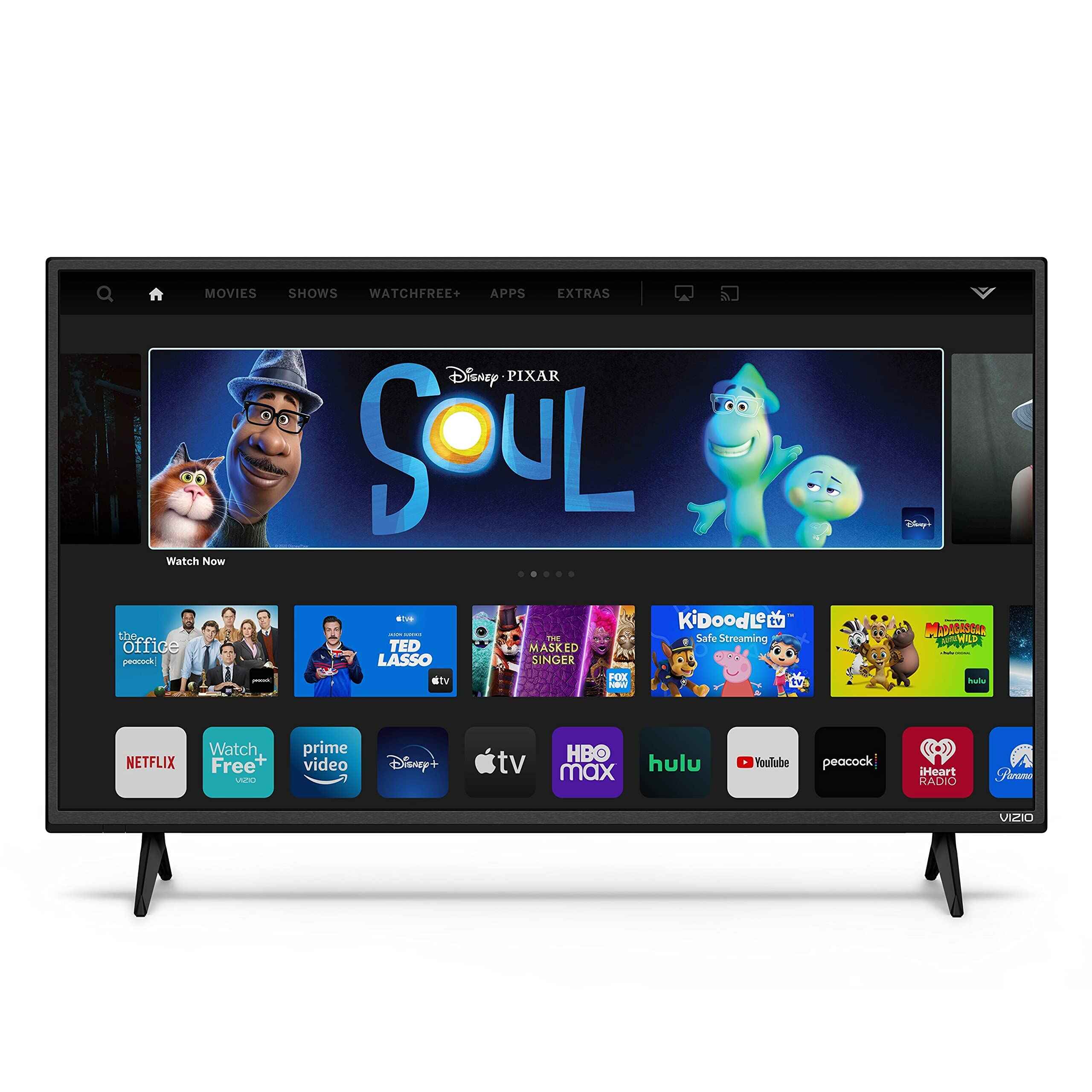
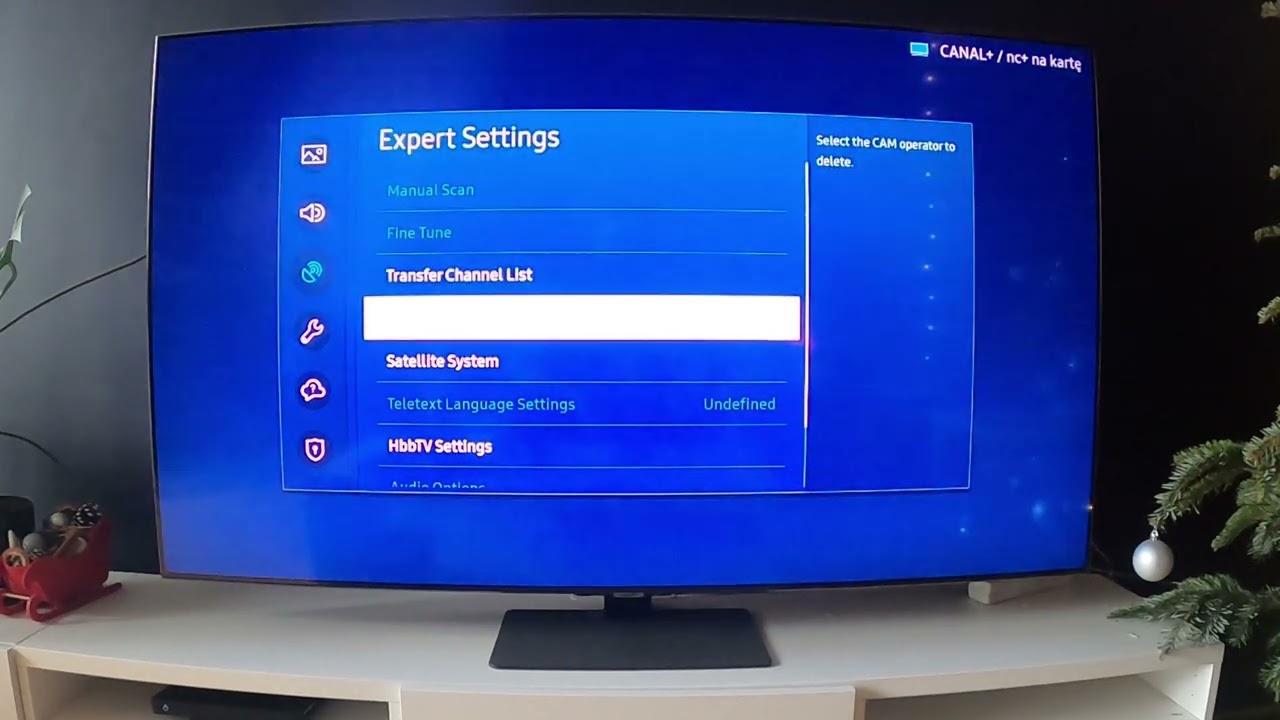
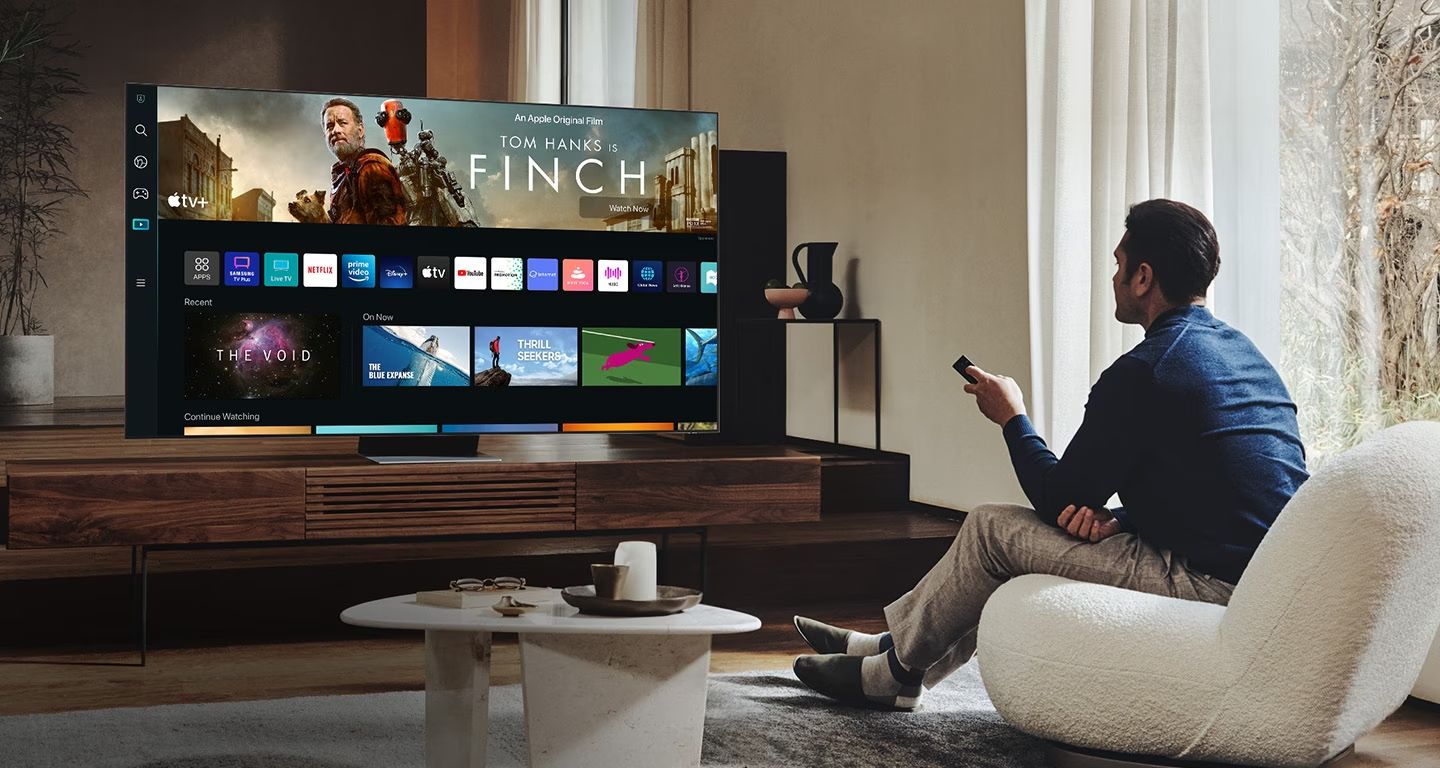
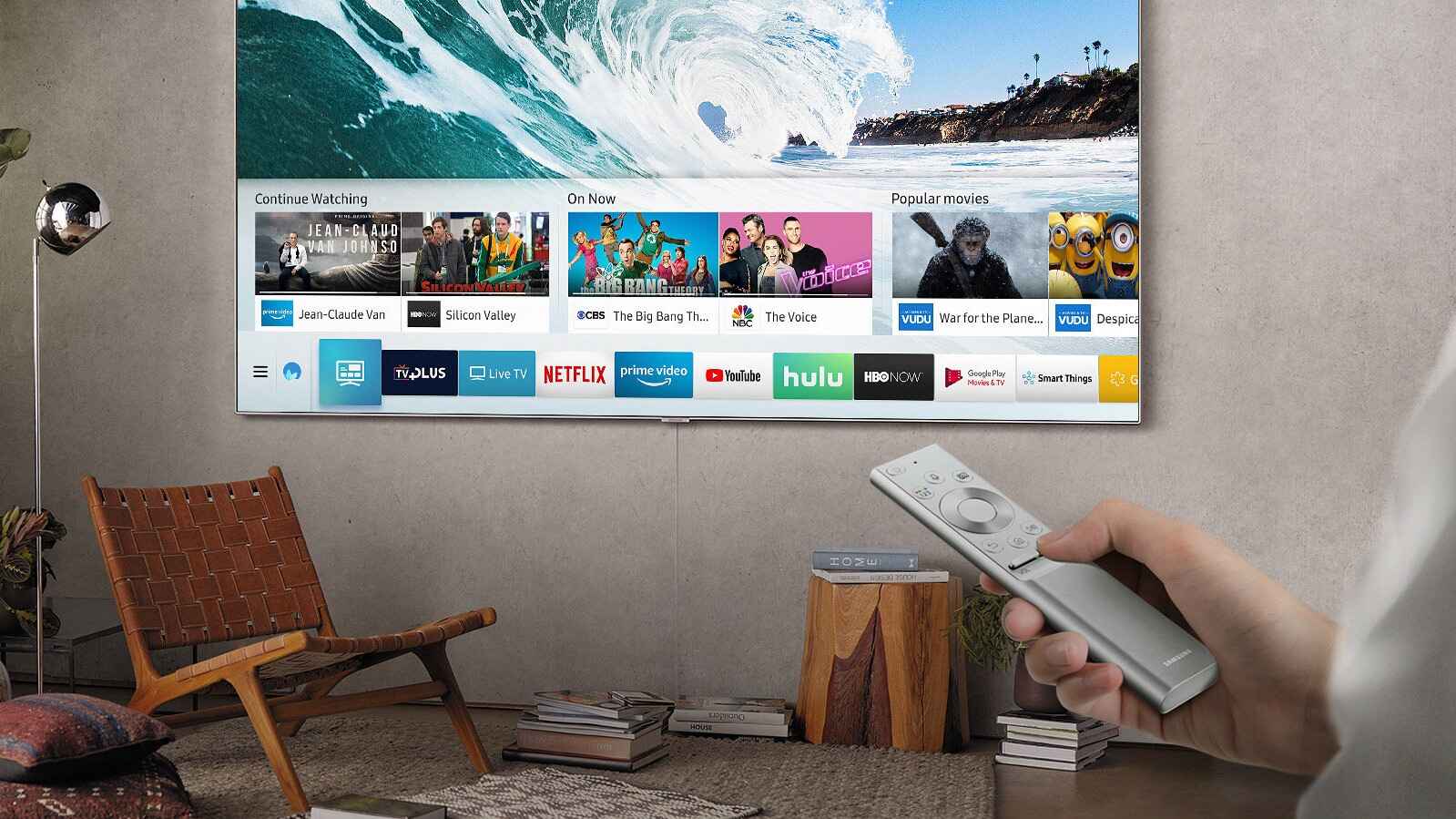
To get regular TV on a smart TV, the first thing you need to do is plug in your set and follow the on-screen prompts to select your language and connect to your home network. This step is critical because almost every feature depends on a working internet connection. The process for connecting a smart TV to Wi-Fi is usually found in the network settings menu, where you will scan for your network name and enter your password. Once you are online, the TV will likely ask you to accept a terms of service and may begin a system update. If you own a Vizio model, you might see a prompt to update my Vizio smart TV, which ensures you have the latest bug fixes and app support. After the update, you will land on the home screen of the TV’s operating system. For example, a Samsung model runs on a Tizen smart TV interface, where you can rearrange app tiles and adjust picture settings. From that home screen, you can also access the app store to install essentials like Netflix or YouTube. You can learn how to find and install Google apps on a smart TV through the store’s search function. With the internet connected and the platform ready, you are now set to move on to the next step: choosing how you will actually receive live television.
Watch local channels with an antenna
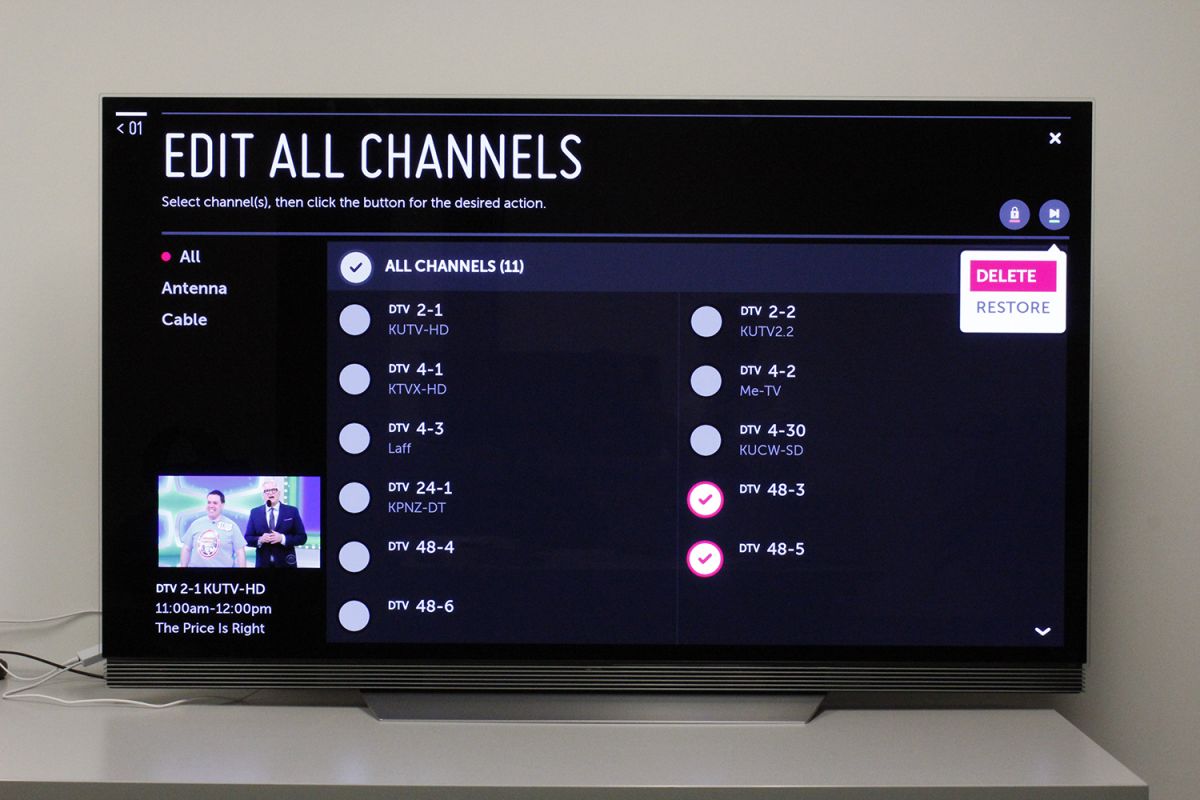
Plugging an antenna into your smart TV is the simplest way to pull in free local broadcasts without any monthly bill. Almost every modern smart TV has a coaxial input on the back labeled "ANT IN," "Antenna In," or "Cable/Antenna." Compatibility is rarely an issue. Once connected, go into your TV's settings menu and select "Channel Scan" or "Auto Program." The TV will hunt for all available over-the-air signals in your area. If you are trying to figure out whether your old equipment will work, you can use an old antenna working with smart TV channel scans as long as it is designed for UHF and VHF frequencies. Most older rabbit ears or attic antennas are fine. After the scan completes, you might notice a smart TV antenna not picking up certain channels. This usually happens because the antenna is poorly positioned or too far from broadcast towers. Try moving it higher up or near a window, then re-scan. You can check what you should expect by looking at the channels available on an LG smart TV in your region, but the same principle applies to any brand. The TV simply displays what the antenna receives. If you still see nothing, confirm you are on the correct input (TV/Antenna, not HDMI) and that you are not accidentally trying to use a streaming app. To watch local TV on Vizio smart TV or any other brand, the process is identical. Signal strength and antenna placement are the only variables that change.
Stream cable, live TV, and provider apps
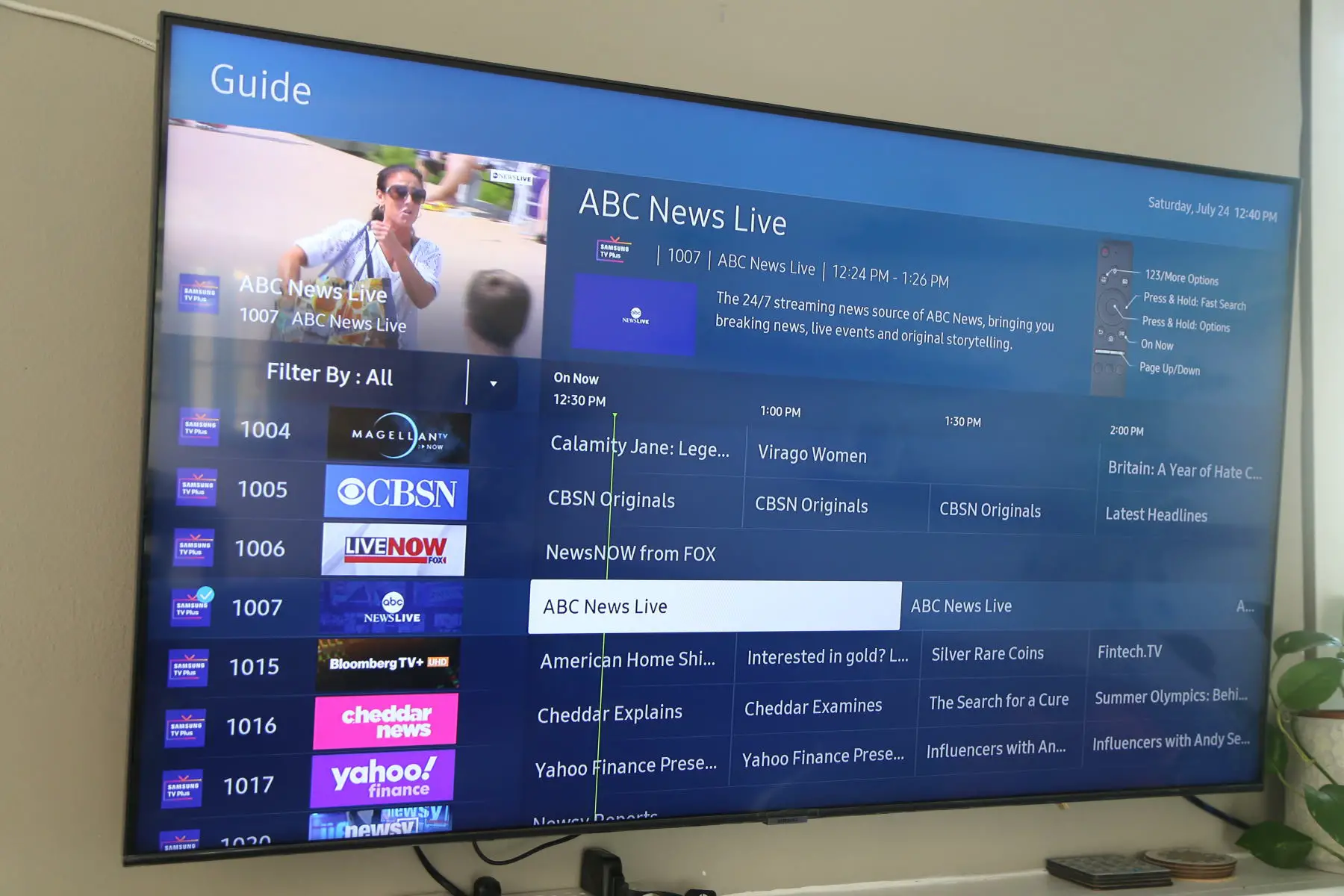
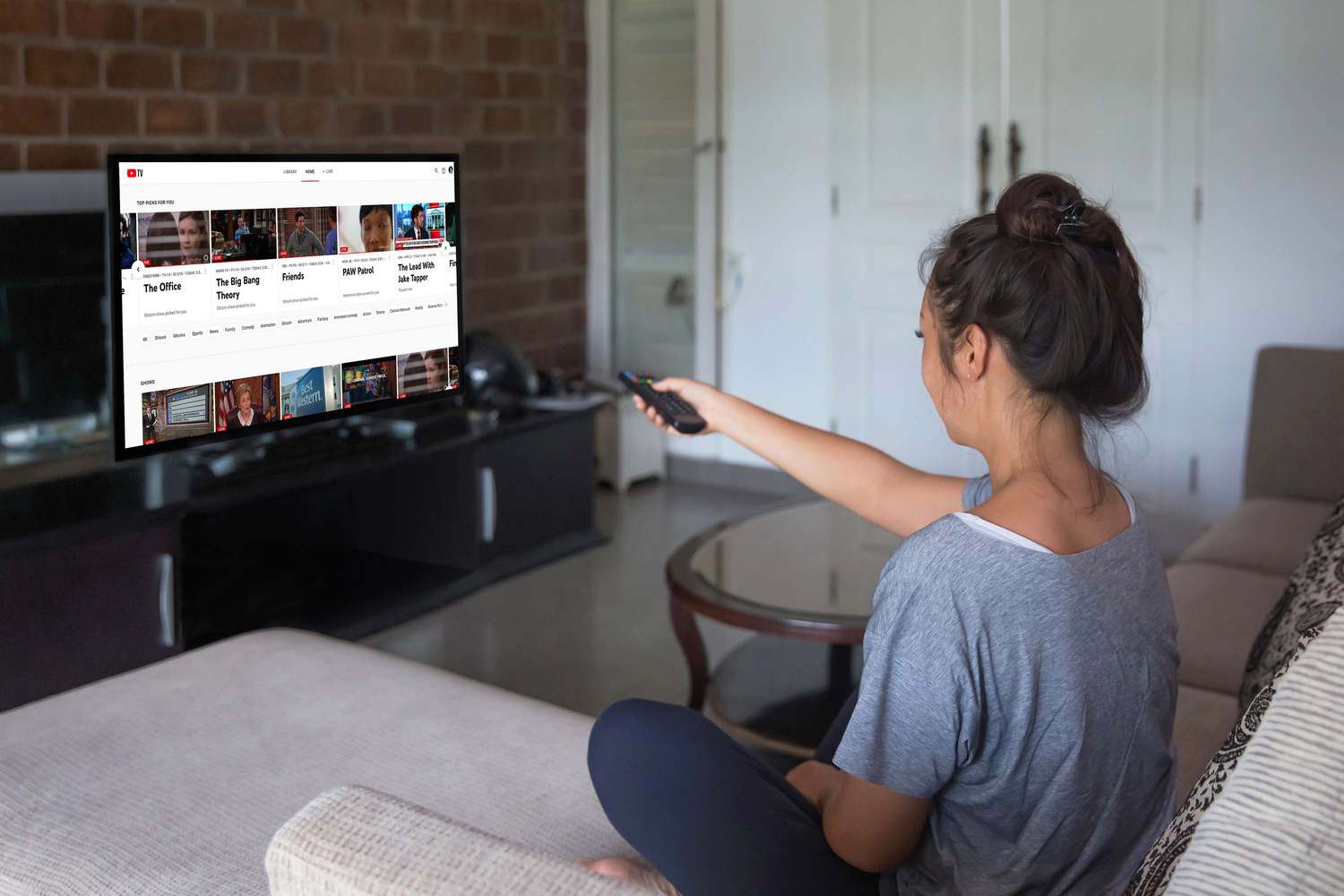
The most straightforward way to watch cable or satellite through your smart TV is to use a provider-specific streaming app. You still need an active subscription to that service. For example, if you have an Xfinity subscription, the process of learning how to stream Xfinity on Samsung smart TV is simply a matter of finding the app in your TV's app store and logging in with your account details. This method works for many major providers. The general concept of watching live TV on a smart TV through these apps is no different than using a cable box. The video comes over your home internet instead of a coaxial cable. If you prefer to use your physical cable box, you must connect it via an HDMI port. A common frustration arises when you see a black screen. A quick search for why does my smart TV say no signal when the HDMI cable is plugged in usually reveals a simple fix. You need to select the correct HDMI input on your TV remote, not just the "TV" source. Before you can use any of these services, you must first complete the steps for installing streaming apps on a smart TV, which is essential because it unlocks access to all the content providers available on your device. This typically involves navigating to the app store, searching for the app, and selecting "Install." Once the app is installed, you can proceed to log in. For instance, if you want to watch shows from that service, you would look up how to get Paramount plus on my smart TV, as that guide walks you through the exact install-and-login process for that specific platform. The smart TV itself does not provide television service. It is simply the screen that displays content delivered by one of these three methods: an app, an antenna, or a cable box.
- installing streaming apps on a smart TV — How to Install Streaming and TV Provider Apps on a Smart TV
- stream Xfinity on Samsung smart TV — How To Stream Xfinity On Samsung Smart TV
- get Paramount plus on my smart TV — How Do I Get Paramount Plus On My Smart TV?
- watching live TV on a smart TV — How to Watch Live and Cable TV on a Smart TV