The short answer
Yes, you can share a file with someone who has no app installed. You upload the file once through a browser, get a link or a QR code, and the other person downloads it through their browser. Neither of you needs to install anything or create an account.
Why app-free sharing matters more than you think
You have been there. You need to send a video to a relative who still uses the phone exactly as it came out of the box. Or you are standing next to a colleague whose work laptop is locked down tight, no software installs allowed. Or the person on the other end simply does not want another app cluttering their home screen. In every one of these moments, the usual advice falls apart. Telling someone to install something is not a solution when the whole problem is that they cannot or will not install something.
The good news is that every modern device already has the one tool required: a web browser. If the person can open Chrome, Safari, Firefox, or Edge, they can receive your file. The trick is picking a transfer method that works entirely inside that browser, with no extensions, no sign-up forms, and no software to download first.
How browser-based file transfer actually works
Behind the scenes, your browser can read files from your device and prepare them for upload. This is possible because of a set of capabilities built into the web platform itself. The technical foundation is something called the File API, which lets a web page interact with files on your computer or phone without needing any extra software. If you are curious about how that works under the hood, the Mozilla Developer Network has a clear explanation of the File API.
For you, the person sending the file, none of that technical detail matters. What matters is the sequence: you visit a page, you pick your file, the page uploads it to a temporary server, and that server gives you a link. You send the link. The recipient clicks it. Their browser downloads the file. That is the entire process.
Step one: pick a transfer service that asks for nothing
Not every web-based transfer tool is equal. Many will ask for an email address. Some will require you to create an account before you can send anything large. Others will pester the recipient with ads or try to trick them into clicking a fake download button. You want a service that does exactly one thing and gets out of the way.
Look for these qualities:
- No sign-up required for the sender or the recipient
- Works entirely in a browser on both ends
- Gives you a plain link you can copy and paste anywhere
- Also provides a QR code, which is surprisingly useful when you are physically near someone
- Handles large files, ideally several gigabytes, because video files get big fast
- Automatically deletes the file after a set time, so you are not leaving a copy sitting on a server forever
One service that fits all of those criteria is ShareIt Online. You open the page, drag your file in, and it gives you both a link and a QR code. The file can be up to 3 GB. The recipient does not install anything. The link expires on its own after a set period. You do not need to remember to delete anything later.
Step two: send the file without overcomplicating it
Once you have your link or QR code, you have a decision to make. How you deliver that link to the other person depends on the situation.
If you are standing right next to them, the QR code is the fastest method. They open their phone camera, point it at your screen, and tap the notification that appears. Their browser opens and the download begins. You never touch their phone. They never type anything. It feels like magic to someone who is not used to it.
If you are far apart, send the link through whatever channel you already use to talk to them. A text message works. A WhatsApp message works. Email works. The point is that you are sending a short string of text, not a file. The file itself stays on the transfer server until they click.
One practical tip: when you send the link, add a short note telling them what to expect. Something like "Tap this link and your browser will download the video automatically" prevents confusion. Many people are conditioned to think a link will take them to a page full of ads or ask them to log in. Reassuring them upfront makes the whole interaction smoother.
Step three: what the recipient actually sees
Put yourself in the recipient's shoes for a moment. They get a message from you with a link. They tap it. Their browser opens. A download starts, or they see a simple page with a download button. They tap that button. The file lands in their downloads folder or their camera roll. That is it.
They do not need to know what service you used. They do not need to know the file size ahead of time. They do not need to change any settings. Their phone or computer handles the rest. If they can open a webpage, they can receive your file.
This is the part that surprises people the most. We have been trained to believe that file sharing requires both parties to be on the same platform. It does not. The web is the platform.
What to do when the file is too large
Sometimes you hit a size limit. The service you picked caps uploads at a certain point, or the recipient's internet connection is too slow for a multi-gigabyte download to be practical. You have options that still do not require apps.
First, consider whether you can compress the file. A video shot in 4K can often be reduced to 1080p without any visible difference on a phone screen. Most phones and computers have built-in tools for this. On a Mac, you can right-click a video and choose "Encode Selected Video Files." On Windows, the Photos app can trim and resize. On an iPhone or Android device, the gallery app usually has an edit function that lets you reduce resolution before sharing.
Second, consider splitting the file into smaller pieces. A ZIP utility built into your operating system can break a large folder into multiple smaller archives. You send each piece as a separate link. The recipient downloads all the pieces, opens the first one, and their computer reassembles the original automatically.
Third, if none of that works, you can use ShareIt Online for files up to 3 GB, which covers the vast majority of real-world cases. A full-length movie compressed for a tablet is usually under 2 GB. A batch of high-resolution photos from an event rarely exceeds a few hundred megabytes. Most people never actually need to send anything larger than 3 GB in one go.
Staying safe while sharing files through a browser
Sending a file through a website you have never used before raises a fair question: is this safe? The answer depends on a few simple checks you can do in seconds.
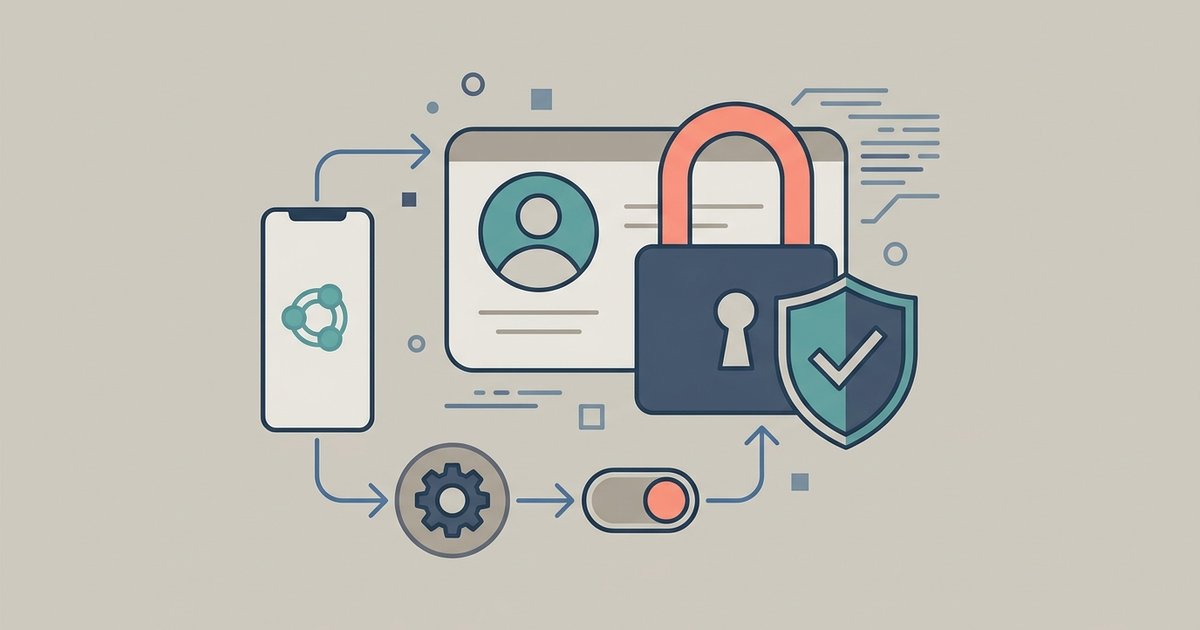
First, look at the address bar. The URL should start with "https" and show a padlock icon. That means the connection between your browser and the server is encrypted. Anyone intercepting the traffic between you and the service sees scrambled data, not your file.
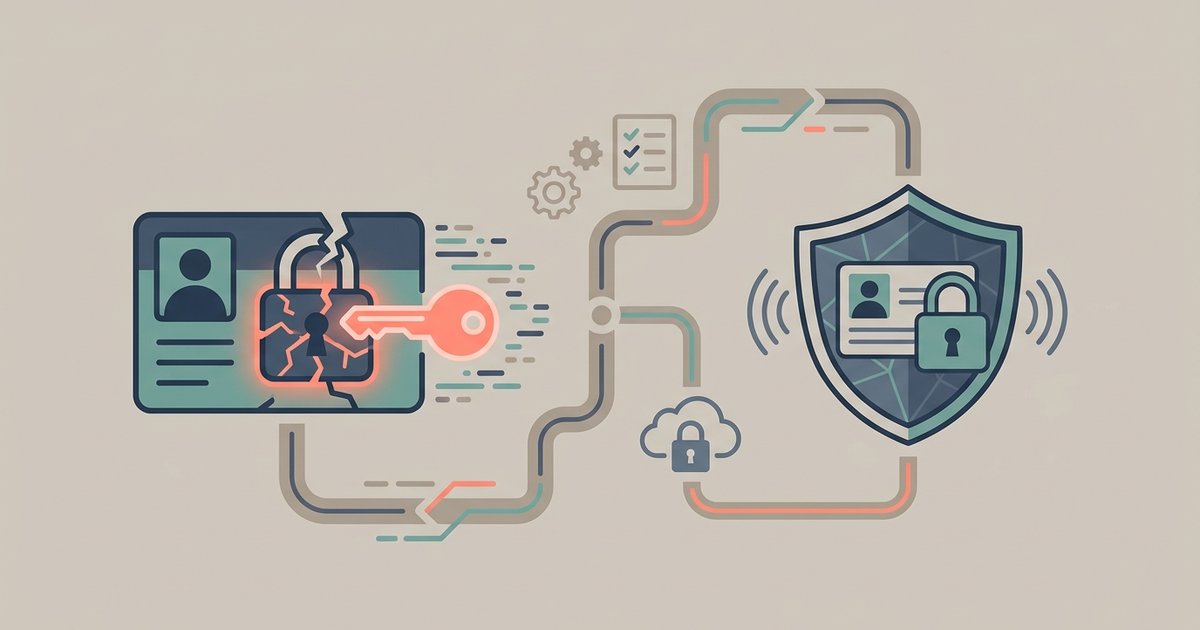
Second, consider what is in the file. If you are sending something sensitive, like a document with personal information, you should add your own layer of protection. Password-protect the file before you upload it. Most office suites let you set a password on a document or PDF. You send the password through a different channel than the link. That way, even if someone guesses the link, they cannot open the file.
Third, check whether the service deletes files automatically. A good service will tell you how long files stay on the server. After that time, the link stops working and the file is removed. You want this. It means you do not have to remember to go back and clean up.
For broader guidance on protecting your information when using online services, the Federal Trade Commission maintains a helpful collection of articles at consumer.ftc.gov. It covers topics like spotting scams, understanding privacy settings, and knowing your rights when things go wrong.
When the browser method beats every app
There are specific situations where a browser-based transfer is not just a fallback but actually the best choice.
Helping someone remotely. You are on the phone with a parent or a friend who needs a file. You cannot see their screen. Telling them to install an app, find it in an app store, create an account, verify an email, and then navigate back to a download is a recipe for frustration. Sending a link and saying "tap this" takes ten seconds.
Using a public or shared computer. You are at a hotel, a library, or an internet cafe. You need to get a file onto your own device. You cannot install software on the public machine, and you should not log into your personal cloud accounts on it either. Open a private browser window, upload the file, get the link, and download it on your own phone. No trace left behind.
Sending to a large group. You have a file that twenty people need. You do not want to manage twenty separate AirDrop attempts or create a group chat on a specific platform. You upload once, paste the link into whatever group chat or email thread already exists, and everyone helps themselves. The link works for anyone, on any device, with any operating system.
What to do right now
The next time you need to share a file with someone who has no app installed, do this: open your browser, pick a transfer service that does not require sign-up, upload your file, and send the link. The whole process takes less than a minute. The person on the other end clicks and downloads. No apps. No accounts. No hassle.
Frequently asked questions
How do I send a file to someone without an app?
Upload the file through a browser to a service that requires no sign-up, then share the generated link or QR code. The recipient opens the link in their own browser to download the file directly. Neither person needs to install software or create an account.
Is browser file sharing safe?
Yes, when you take basic precautions. Check that the transfer website uses HTTPS with a padlock icon so your connection is encrypted. For sensitive files, password-protect the document before uploading and share the password through a different channel than the link.
How can I send a video file that is too large?
You can compress the video to a lower resolution using your device's built-in tools, or split a large folder into smaller ZIP archives and send each piece as a separate link. Services like ShareIt Online also handle files up to 3 GB, which covers most videos.
What does the recipient see when they get the link?
They see a simple page with a download button or their browser starts the download automatically. They tap the button and the file saves to their downloads folder or camera roll. They do not need to know which service you used or change any settings.