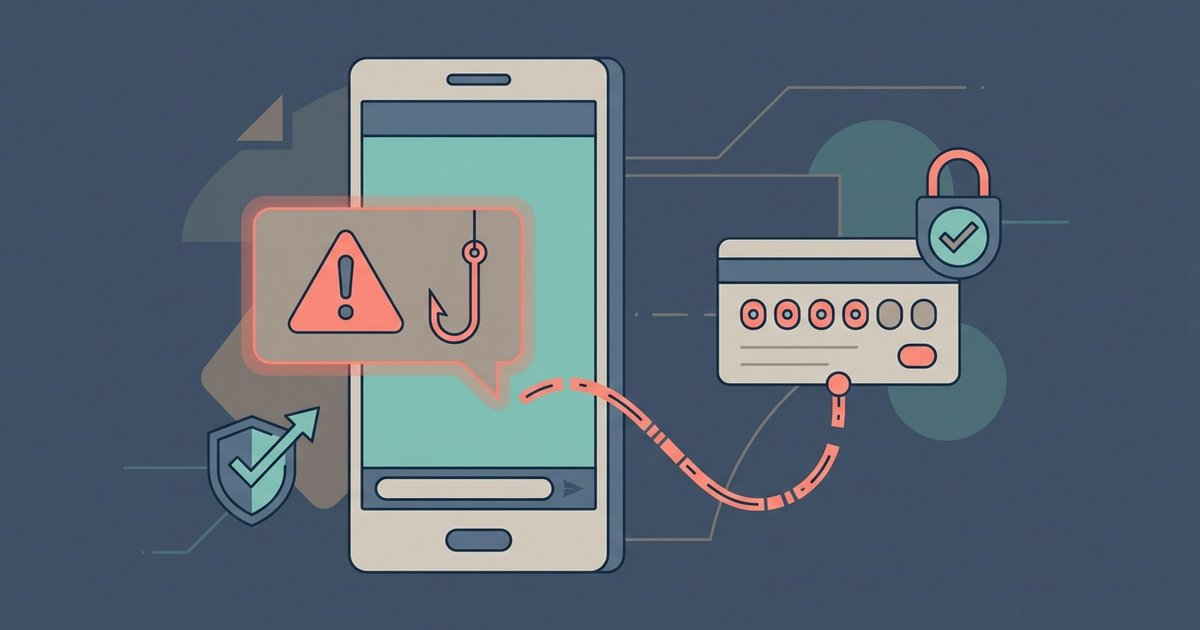
Most WhatsApp scams come down to one of two goals: taking over your account or getting you to send money. The warning signs are consistent: a message from an unknown number, pressure to act quickly, and a request for a code, a password, personal details or a payment. If a message asks for your six-digit WhatsApp code or for money, stop replying and check with the person through another channel before you do anything.
Below are the scams that come up most often, how each one works, and the specific things WhatsApp says it will never ask you for.
The verification code scam
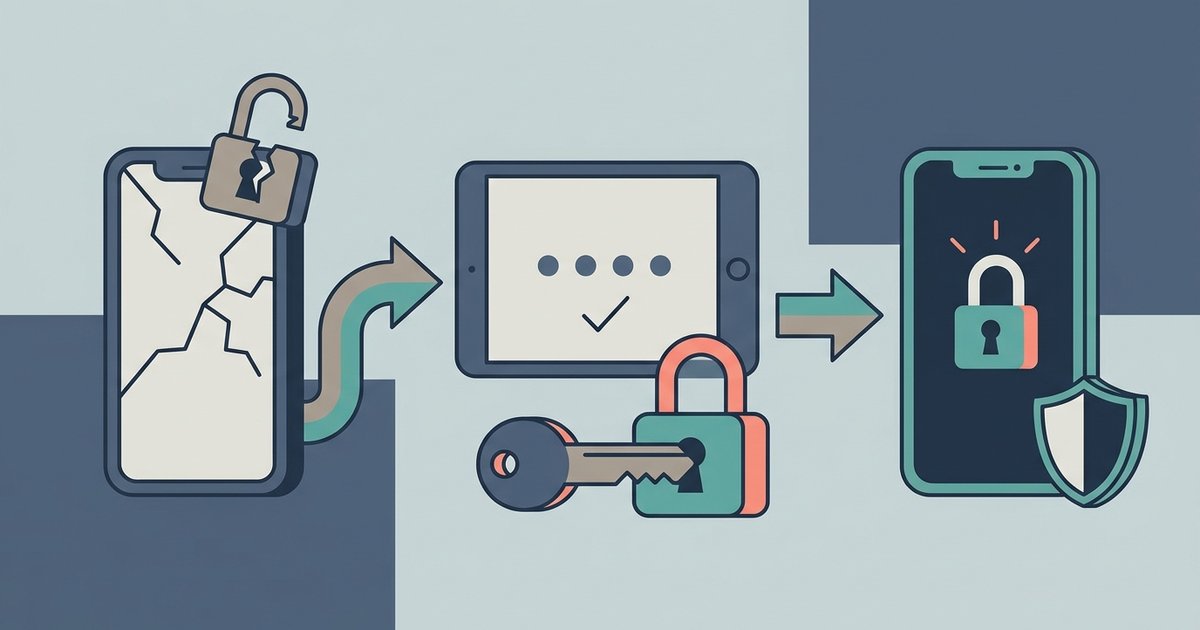
This is the scam that steals accounts. Every time a WhatsApp account is registered on a phone, WhatsApp sends a six-digit registration code to the number by SMS or voice call. If a scammer starts registering your number on their phone, that code comes to you. All they need is for you to pass it on.
So the message arrives, often from a friend whose account has already been taken over: "Sorry, I sent a code to your phone by mistake, can you forward it to me?" Or it comes as a fake support message saying your account needs to be verified. As soon as you share the code, the scammer registers your account on their device, you are logged out, and they start working through your contacts with the same trick.
WhatsApp's guidance is unambiguous: never share your registration code with anyone, not even friends or family. The same goes for your two-step verification PIN or password. If you receive a registration code you did not request, someone may be trying to register your number. Do nothing with the code, and make sure two-step verification is turned on, because it adds a second secret the scammer would also need.
The family emergency scam
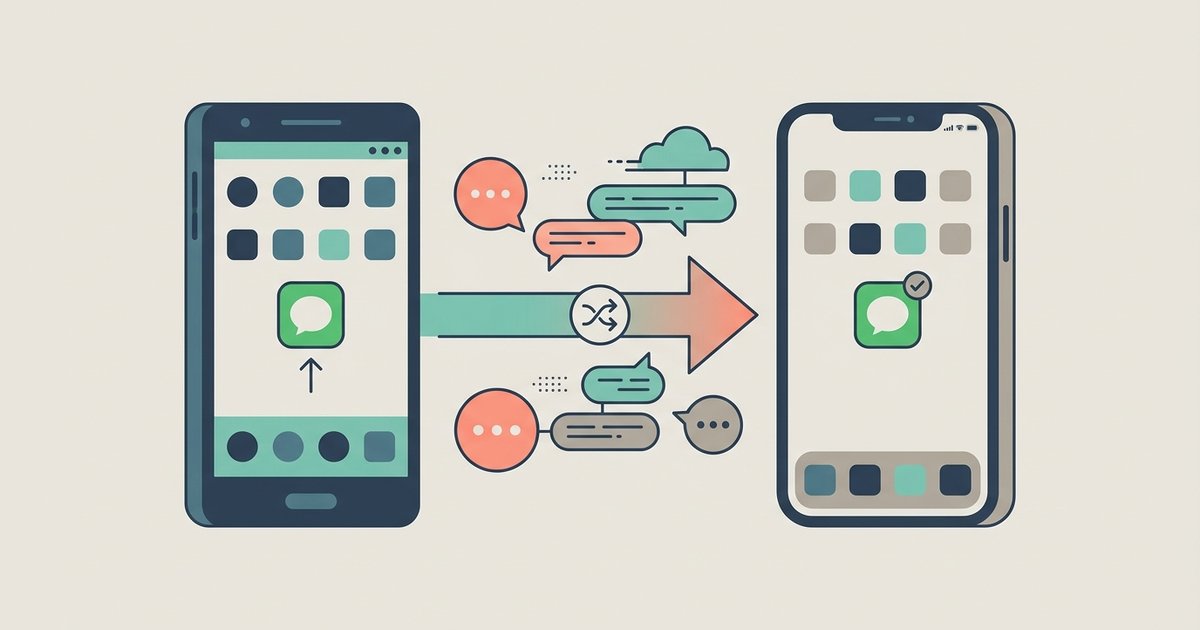
Often called the "Hi Mum" or "Hi Dad" scam, this one starts with a message from an unknown number claiming to be your child or another relative. The story is that their phone broke or was lost and this is their new number. After some friendly back and forth comes the real request: an urgent bill, a payment they cannot make from their own account, and could you send the money right now to this account.
WhatsApp describes this as an impersonation scam, where someone pretends to be a friend or family member to get money or personal information. The defense is simple and it works:
- Call the person on their old, known number. If they answer, you have your answer.
- If you cannot reach them, ask the new number for a voice or video call. WhatsApp recommends confirming identity this way.
- Ask a question only the real person would know, and not one whose answer is on social media.
- Do not send money to an account in a stranger's name because of a story you have not verified.
Fake WhatsApp support
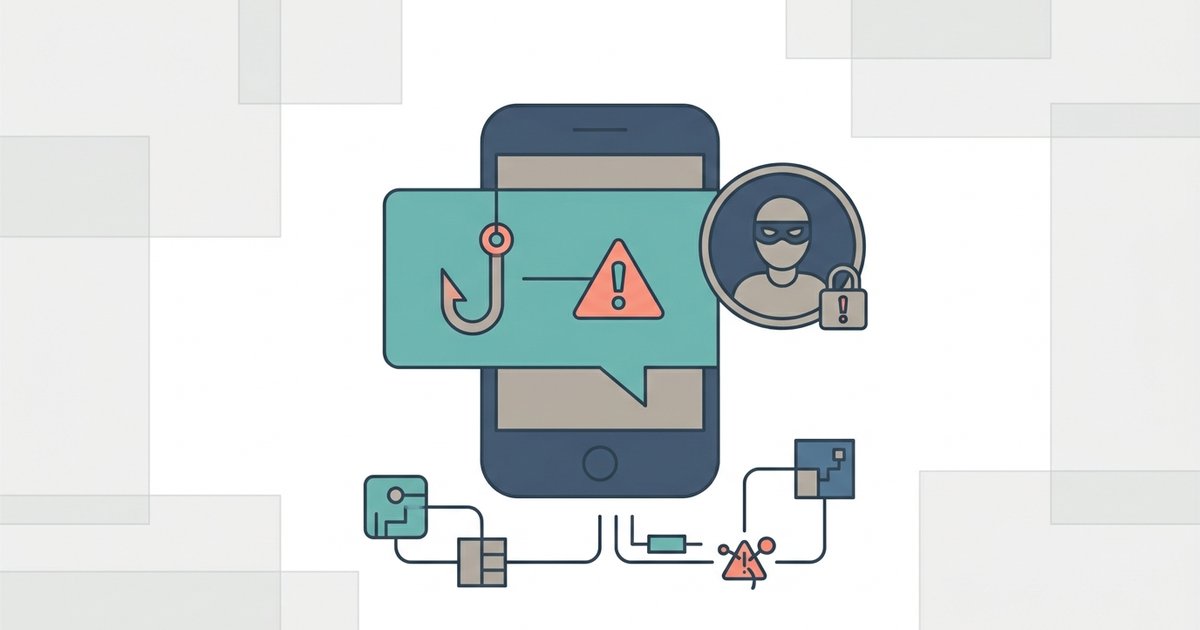
Scammers regularly pose as WhatsApp itself, claiming your account will be closed, needs verification, or has been banned and can be restored for a fee. WhatsApp's help center gives three facts that dismantle all of these:
- WhatsApp is free. If someone asks you to pay to use it, or offers to unban your account in exchange for payment, they are after your money or personal information.
- The WhatsApp Business app has one official chat account. It carries a verified badge and the description "Official Support Account", you cannot message it, and it will not ask you to share personal information.
- Any account without the verified badge that claims to be WhatsApp or WhatsApp Business is a scam, and WhatsApp says to report and block it.
Real WhatsApp support is reached from inside the app through the help section of Settings, not through a stranger who messages you first.
Job and investment scams
WhatsApp lists both of these among the common scams it sees.
Employment scams arrive as fake job offers, often from someone posing as a recruiter at a well-known company. The work is typically well paid and can be done from home. The hook is either a request for personal information or a request for money, presented as a training fee, a deposit, or a payment you must make to unlock your earnings.
Investment scams promise low risk and high returns, usually in crypto-currencies, stocks, commodities or property. They may arrive as a private message or by someone adding you to a group, and the pitch usually comes with urgency: the opportunity is limited, and you need to act today.
Romance scams are a slower version of the same idea. Someone builds an emotional relationship over weeks, then needs money for an emergency, a ticket or a loan, and plans to meet keep falling through at the last minute.
Signs a message is a scam
WhatsApp's own checklist of suspicious signs is worth knowing by heart:
- Typos or grammatical mistakes.
- A request to tap a link, activate a feature through a link, or download an app.
- A request for card or bank numbers, your birth date or passwords.
- A request to forward the message.
- A claim that you must pay to use WhatsApp.
- Someone pretending to be a person you know.
- A message about a lottery, gambling, a job, an investment or a loan.
- A chat that builds trust before asking for personal information.
When a message arrives from someone who is not in your contacts, WhatsApp shows some context in the chat, including whether you have any groups in common and which country the number is registered in. A supposed relative writing from a foreign number with no groups in common is a clear red flag.
What to do when you spot one
WhatsApp's advice runs in four steps. Pause and think about whether you are being rushed, threatened or asked for money or a code. Stop the conversation: stop replying or hang up. Block and report the sender, which also helps WhatsApp act against the account. Then tighten your privacy and security settings, including turning on two-step verification and limiting who can add you to groups.
If a scam message comes from a friend's real number, their account has probably been taken over. Tell them through another channel so they can recover it.
If you already paid or shared a code
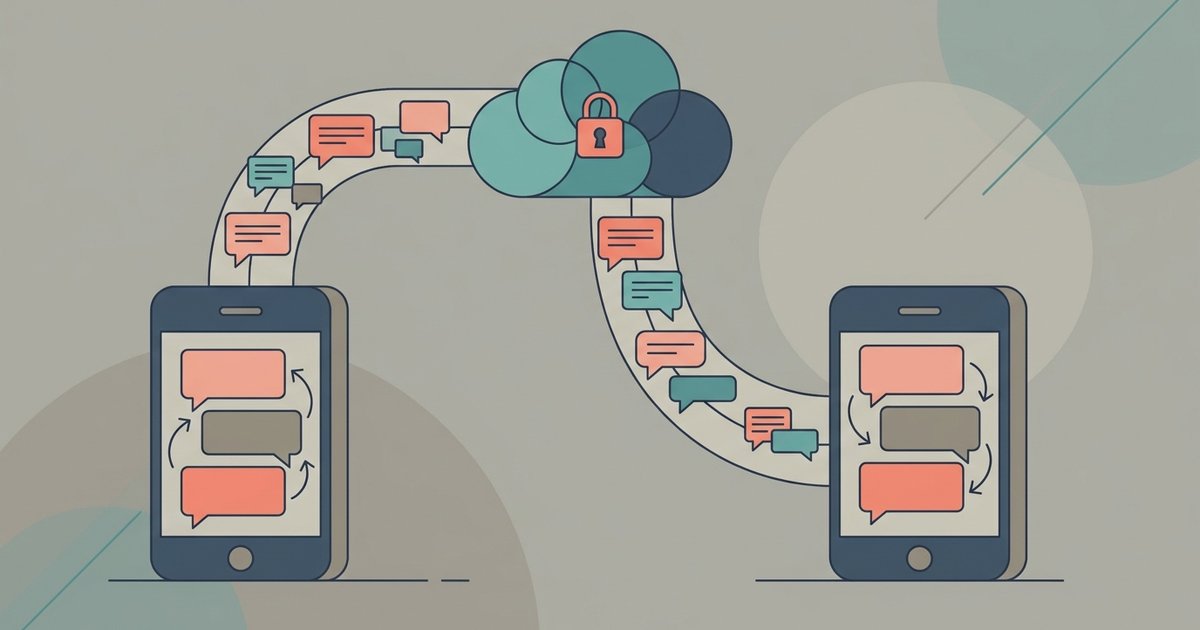
If you shared your registration code, try to get your account back immediately by opening WhatsApp and registering your number again with a fresh code, which logs the other device out. If you sent money, contact your bank or payment provider straight away, since some payments can be stopped or disputed only within a short window, and report the fraud to your local police or national fraud reporting service. Then warn your contacts, because scammers often reuse the same story on everyone connected to you.
The single habit that stops most of these scams is refusing to act on the first message. Any real emergency, job or family request will survive a phone call to check.
\nRelated reading: Messenger Scams and Hacked-Account Messages: How to Spot Them.