The short answer
You can send photos to family without posting them on social media, and you don’t need a new app or account to do it. The simplest private methods use tools you already have, your phone’s messaging app, email, or a one-time link that disappears after your family downloads the pictures.
Why sending photos privately matters
When you post a photo on a social platform, you hand over more than you might realize. The image itself, the faces in it, the location where it was taken, and the time it was captured can all be collected, analyzed, and stored by companies you never meant to share with. Even if your account is set to private, the platform itself still sees everything.
Sending photos directly to the people you love keeps the pictures in your circle. It also means your kids’ faces don’t become part of a facial-recognition database, your vacation photos don’t train an advertising algorithm, and your family moments stay family moments. The Electronic Frontier Foundation explains privacy risks in plain terms if you want to understand what’s at stake.
Use your phone’s built-in messaging
The app you already use to text your family can send high-quality photos without any extra steps. On iPhones, iMessage sends pictures at full resolution between Apple devices. On Android, Google Messages uses RCS (a modern texting standard) to do the same thing when both people have it turned on.
What to check before you send:
- Make sure you’re on Wi-Fi if you’re sending a lot of photos, mobile data can compress images or eat through your plan.
- For iPhone users, Apple’s guide on sharing photos and videos walks through the exact steps, including how to send an iCloud link if the files are too large for a message.
- If the photos look blurry on the other end, ask your family member to check their messaging settings. Sometimes a setting called “Send as SMS” or “low-quality image mode” is turned on by mistake.
Email still works, and it’s private
Email feels old-fashioned, but it’s one of the most reliable ways to send a batch of photos directly to someone’s inbox. No algorithm decides what gets seen first, and the photos sit there until your family member saves or deletes them.
A few things to keep in mind:
- Most email providers cap attachments around 25 MB. That’s roughly 5 to 10 high-resolution phone photos. If you’re sending more, you’ll need a different approach.
- You can zip a folder of photos into a single compressed file. On a Mac, right-click the folder and choose “Compress.” On Windows, right-click and choose “Send to > Compressed (zipped) folder.”
- Don’t put sensitive photos in an unencrypted email if you’re worried about security. For everyday family pictures, though, email is straightforward and private enough.
Send a link that expires
Sometimes you have too many photos to text or email, or you want to share full-resolution files without compressing anything. In that case, you can use a browser-based tool that uploads your photos and gives you a link. You send the link to your family, they download the photos, and the link stops working afterward.
ShareIt Online does exactly this. You open the page, drag your photos in, and it gives you a link and a QR code. The other person doesn’t need an account or an app, they just open the link and download. The link expires on its own, so your photos aren’t sitting on a server forever. The free tier handles up to 3 GB at a time, which covers a vacation’s worth of pictures.
This approach works especially well when:
- You’re sending photos to someone who isn’t tech-savvy. They click a link and the download starts. That’s it.
- You want the photos to disappear from the web after they’ve been picked up.
- You’re sharing with a group and don’t want to manage a shared album or permissions.
Shared albums you control
Both Apple and Google offer shared photo albums that are separate from social media. The key difference: you invite specific people by email or phone number, and only those people see the photos. Nothing is public, and nothing shows up in a feed next to ads or strangers’ posts.
On an iPhone or Mac, the Photos app lets you create a Shared Album. You pick the contacts, they get a notification, and they can view, like, or comment on the photos, but only within that private album. The photos don’t appear on a public profile.
On Android, Google Photos has a similar feature called Partner Sharing or shared albums. You choose who gets access, and you can stop sharing at any time. One advantage: Google Photos can automatically share photos of certain people (like your kids) with your spouse’s account, which saves you from manually sending every picture.
Both options keep your photos off social media entirely. The trade-off is that the photos live on Apple’s or Google’s servers, so you’re trusting those companies with your data. For most families, that’s a reasonable middle ground between convenience and privacy.
USB drives and local transfers
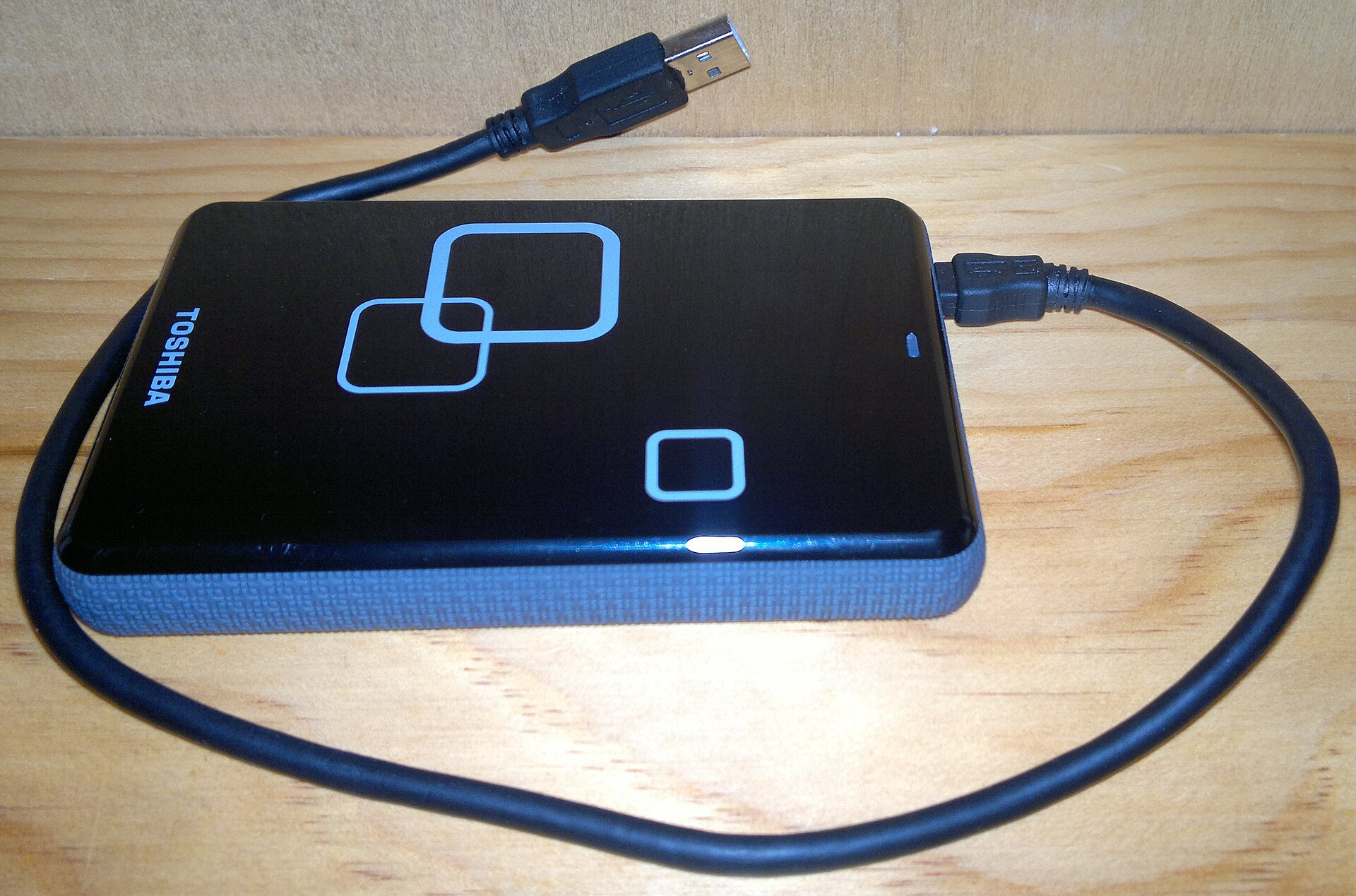
For the ultimate in privacy, hand over the photos in person. A USB flash drive costs a few dollars, holds thousands of photos, and doesn’t touch the internet at all. You copy the files onto the drive, hand it to your family member, and they copy them onto their own computer or phone.
This method makes sense when:
- You’re visiting family and want to give them a year’s worth of photos at once.
- The photos are sensitive, medical images, financial documents, or anything you wouldn’t want on a server.
- Your family member has limited internet access or a very slow connection.
Some USB drives now have a USB-C connector on one end and a standard USB on the other, so they plug directly into a phone. That eliminates the need for a computer as a middle step.
What to avoid if you want privacy
Some common sharing methods are less private than they seem. Public cloud links, like a Google Drive link set to “anyone with the link can view”, are easy, but the link can be forwarded, and you might forget to turn it off. Messaging apps that aren’t end-to-end encrypted (like Facebook Messenger without Secret Conversations turned on) let the company see your photos. And any service that requires the recipient to create an account adds friction and often collects data on both ends.
The Federal Trade Commission’s consumer advice covers how to think about what you share online and what companies do with your information. It’s worth a read if you’re rethinking your sharing habits.
Pick the method that fits your family
The right choice depends on who you’re sending to. For your tech-comfortable sibling, a shared album might be perfect. For a grandparent who struggles with apps, a simple text message or an expiring download link is often easier. For a large batch of photos delivered in person, a USB drive removes every layer of technology between you and them.
What all these methods share is that they keep your photos between you and the people you choose. No ads, no algorithms, no data harvesting, just pictures reaching the people who care about them.
What to do next
Pick one method and try it today with a few test photos. Send them to yourself or to one family member and check how the quality looks on the other end. Once you’re comfortable, you’ll have a repeatable, private way to share photos that doesn’t depend on social media at all.
Frequently asked questions
How do I send a lot of photos at once without losing quality?
Use a browser-based transfer tool like ShareIt Online that handles up to 3 GB at a time. You drag your photos in, get a link, and the other person downloads the full-resolution files directly. No compression is applied, so the photos arrive exactly as you uploaded them.
Can I share photos privately with someone who doesn't have an iPhone?
Yes. Google Messages on Android uses RCS to send high-quality photos, and it works across platforms when both people have it enabled. Email also works universally. For larger batches, an expiring download link opens in any browser regardless of what phone the recipient uses.
What is the safest way to share sensitive family photos?
A USB flash drive handed over in person is the safest method. The photos never touch the internet, no server ever stores them, and no company has access. Copy the files onto the drive, give it to your family member, and they copy them onto their own device.
Do shared albums on iPhone or Google Photos count as social media?
No. Shared albums through Apple Photos or Google Photos are invitation-only. You choose specific people by email or phone number, and only those people can see the photos. Nothing appears in a public feed, and the albums are separate from any social platform.