Understand the basics and your protections when you use mobile banking
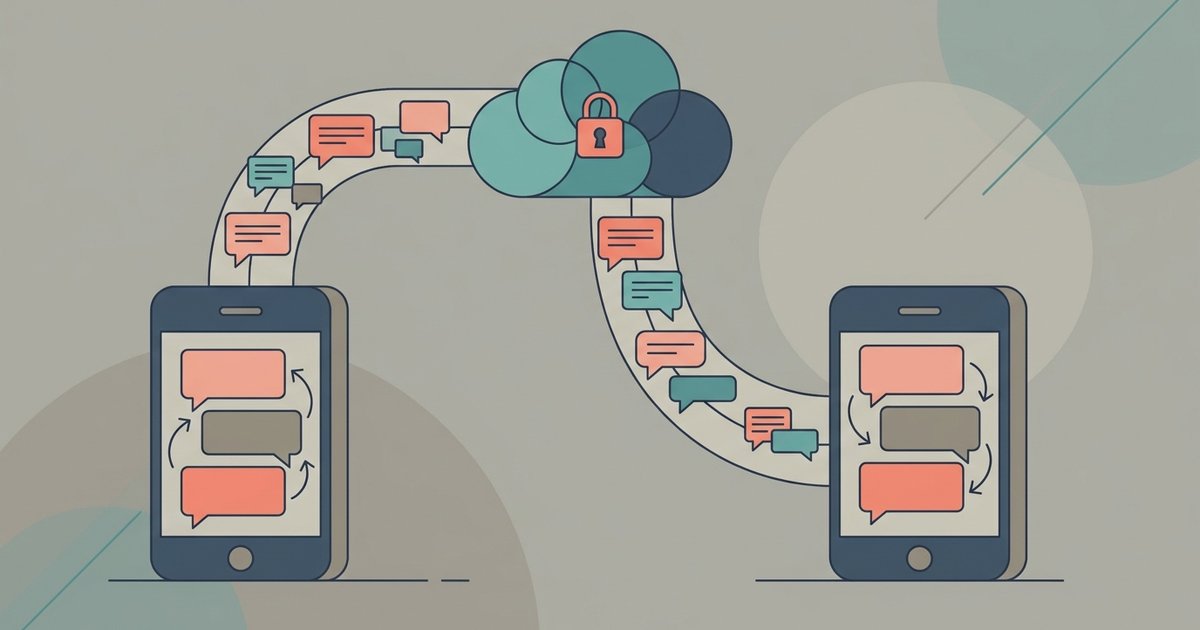
Before you use mobile banking, pause on one reality: your phone number is often the weakest link. A SIM-swap attack can let a thief redirect your two-factor codes, bypassing even tokenized security.
That means you need to know what banking hours mean for your specific bank. Many mobile transfers initiated after a bank's daily cutoff time won't settle until the next business day, so don't assume a payment is gone just because you hit send.
It also helps to understand what KYC in banking requires. You will eventually need to verify your identity with a government ID and possibly a selfie, even on a mobile app. Banks are legally obligated to confirm who you are before letting you move money.
And when you check your history, the cryptic abbreviation "TFR" will appear. Knowing what does online banking tfr mean saves confusion: it simply stands for "transfer."
Finally, your deposits are insured only up to a specific total per bank. You should know the FDIC insurance limit when funds are split between a checking account and a mobile-linked savings account: the limit applies across both balances combined at the same institution, not per product. If you have more than $250,000 in total, you need a second bank. Your phone number is often the weakest link.
Choose and set up your account
Start by evaluating which account type fits your daily habits. If you are considering a basic checking option, look into the advantages and disadvantages of online banking. Pay close attention to how fee structures and ATM access compare between digital-only accounts and traditional branches.
A chase secure banking account is designed for people who want to avoid overdraft fees. It offers a straightforward monthly fee that can be waived with direct deposits.
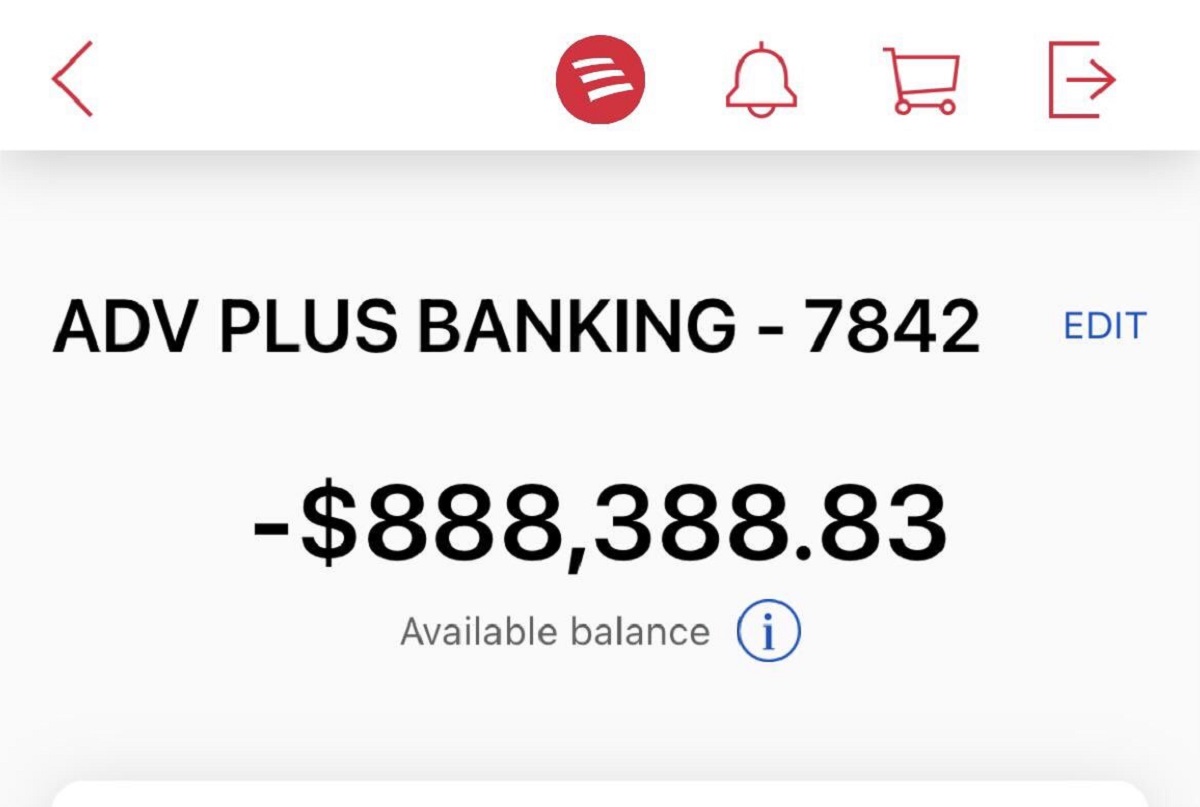
On the higher end, adv plus banking might appeal to you if you need premium perks. These often include interest earnings or waived wire transfer fees. It usually requires a larger minimum balance.
Once you choose, you will need to complete the initial setup for your specific institution. To set up online banking with wells fargo, you typically enter your debit card number and create a username on their website or app. The process asks for your phone number, which is where security awareness matters.
Similarly, to set up pnc online banking, you will provide your banking details and Social Security number, then choose a password. Throughout this setup, remember that your phone number is a common attack vector. Consider using a separate line or a VoIP number that is not tied to your SIM card.
Secure your access and device
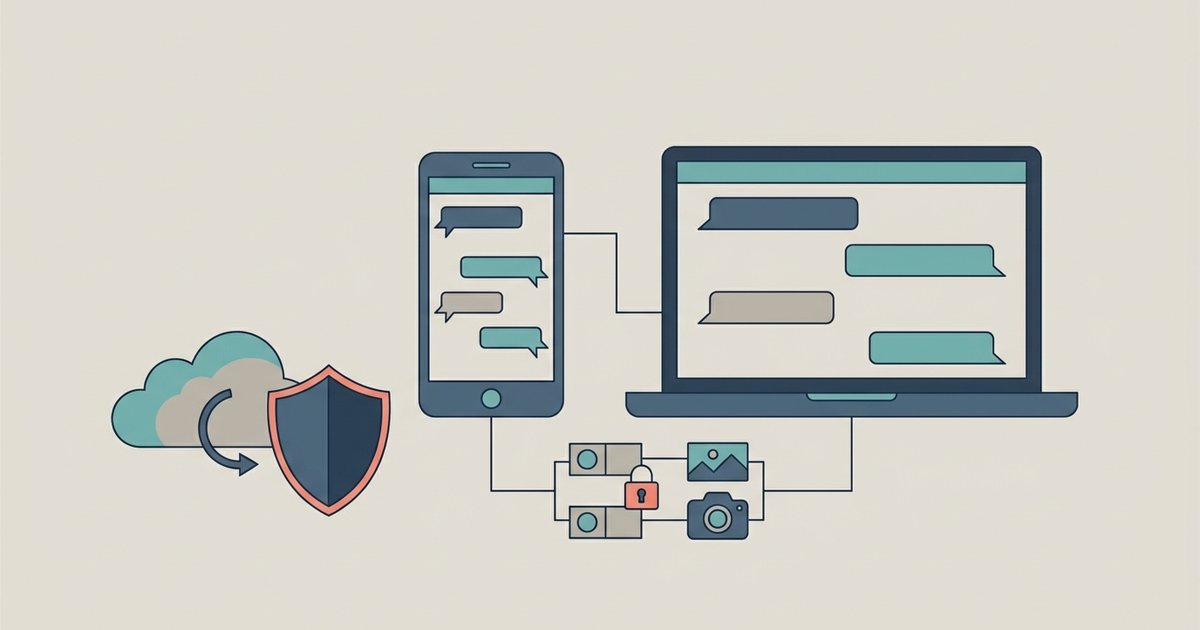
Start by treating your phone number like a password, not just a contact detail. A SIM-swap attack can let someone hijack your texts. This bypasses even the strongest two-factor authentication. Call your carrier and ask about security features like a PIN or port-out lock to help protect your account.
To protect your online banking, never save your login credentials in your browser or notes app. Type them in manually each time. Consider using a dedicated, offline password manager that doesn't sync to the cloud.
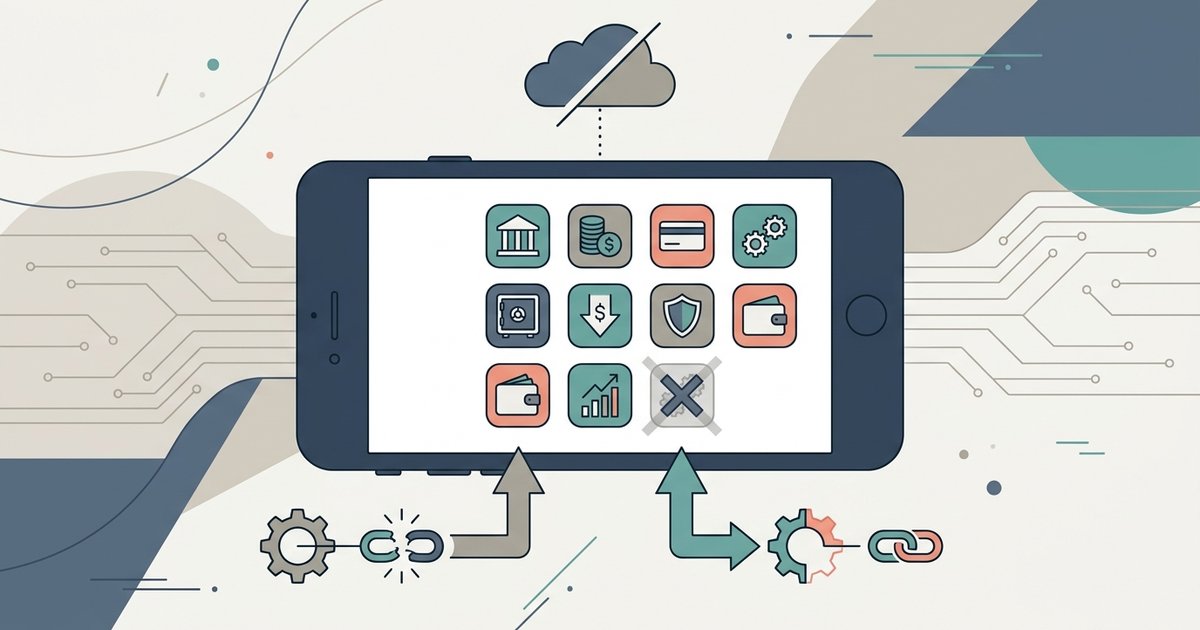
If you have a de-Googled phone or have stripped out Google Play Services, test your banking app early. Many apps rely on Google's push notifications and safety attestation. You need to know which mobile banking apps work without Google Play services or on de-googled phones before you rely on them in a crisis.
On a compromised device, one that's jailbroken, rooted, or running unknown sideloaded software, your best move is to avoid logging in at all until you can factory reset it.
Should the worst happen and your number gets stolen, you must act fast. The steps to recover a mobile banking account after a SIM-swap attack usually involve visiting a branch with your ID. Keep your bank's emergency contact number accessible offline. Finally, regularly review your transaction history and set alerts to help prevent fraud in banking before it escalates. Your phone is now a financial terminal, not just a gadget.
Manage transactions and ongoing risks
After you authorize a payment, the underlying mechanics still matter. Most modern wallets rely on tokenization in digital banking, which replaces your actual card number with a one-time or device-specific token; you will want to read about tokenization in digital banking to understand how your card data stays protected during every transaction. That token limits exposure if a merchant's database is breached. However, it does not guarantee the transaction amount or merchant name will be correct.
If you see a charge that looks wrong, you can dispute a tokenized transaction that still posted incorrectly directly through the app; you will want to read how to dispute a tokenized transaction that still posted incorrectly because even tokenized payments can sometimes appear with the wrong amount or merchant. The process often requires you to provide the token reference rather than the last four digits of your card.
For recurring bills you set up inside the app, the bank handles scheduled transfers after account closure or loss by either cancelling them automatically or holding the funds until you confirm a new destination; you will want to read about scheduled transfers after account closure or loss so you can avoid missed payments when your account status changes. Check your bank's policy before closing an old relationship to avoid missed payments.
For business or high-value personal relationships, positive pay in banking lets you pre-authorize each check or ACH debit by amount and payee; you will want to read about positive pay in banking because it gives you a powerful layer of control over outgoing funds. Any transaction that does not match the list is flagged before money leaves your balance. This is especially useful if you suspect a SIM-swap attack has already occurred, because the attacker cannot approve a flagged transaction without your physical phone and biometrics.