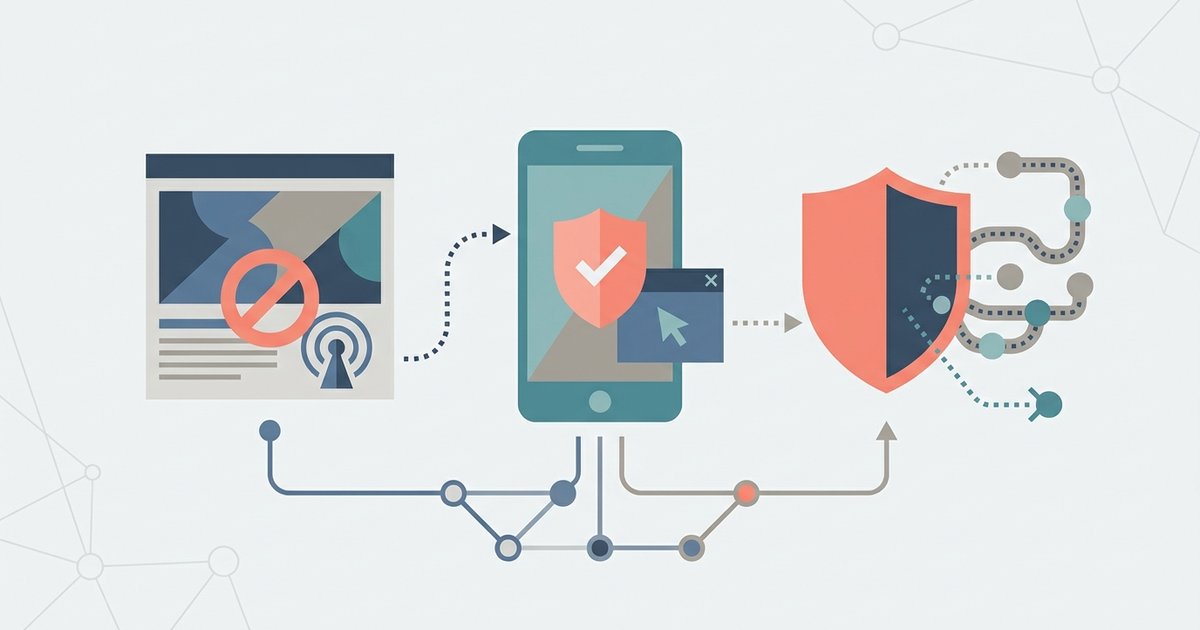
For beginner programmers evaluating their first language for web development, the php programming language offers a uniquely practical and accessible starting point. PHP is a general-purpose, server-side language that powers over 80 percent of websites globally, making it a direct path to building the dynamic, database-driven sites that dominate the modern internet.
Why start with the PHP programming language?
PHP provides a direct, low-friction entry into web development. You can begin writing functional code with just a local server environment and a text editor, immediately seeing how server-side logic generates HTML pages. This immediate feedback loop, combined with PHP's focus on web-specific tasks, makes it a pragmatic choice for beginners who want to build real, interactive websites from day one.
1. It provides an excellent foundation for programming
PHP's simple setup removes unnecessary barriers. You only need a development environment to run your scripts and a code editor to write them. This procedural nature teaches fundamental programming logic, variables, loops, conditionals, and functions, without overwhelming beginners with complex tooling or abstract concepts. Mastering these core principles in PHP creates a solid base for learning any other language later.

2. The syntax is easy to learn and stable
PHP's syntax is intentionally similar to languages like Java, C, and Perl, so if you ever learn those, you will find PHP familiar. As an interpreted language, PHP is ready to run without compilation, simplifying the learning process. Its core concepts have remained stable for decades, meaning the time you invest now won't become obsolete quickly. This stability contrasts with more volatile languages that receive frequent, disruptive updates.
3. It is free, open-source, and accessible to all
PHP is completely free to download, use, modify, and distribute. This zero-cost entry point means anyone can start learning without financial barriers. Beyond the language itself, powerful, time-saving frameworks like Laravel and Symfony are also free and open-source, providing professional-grade tools that accelerate development and teach industry best practices.
4. Learning PHP helps you become a well-rounded web developer
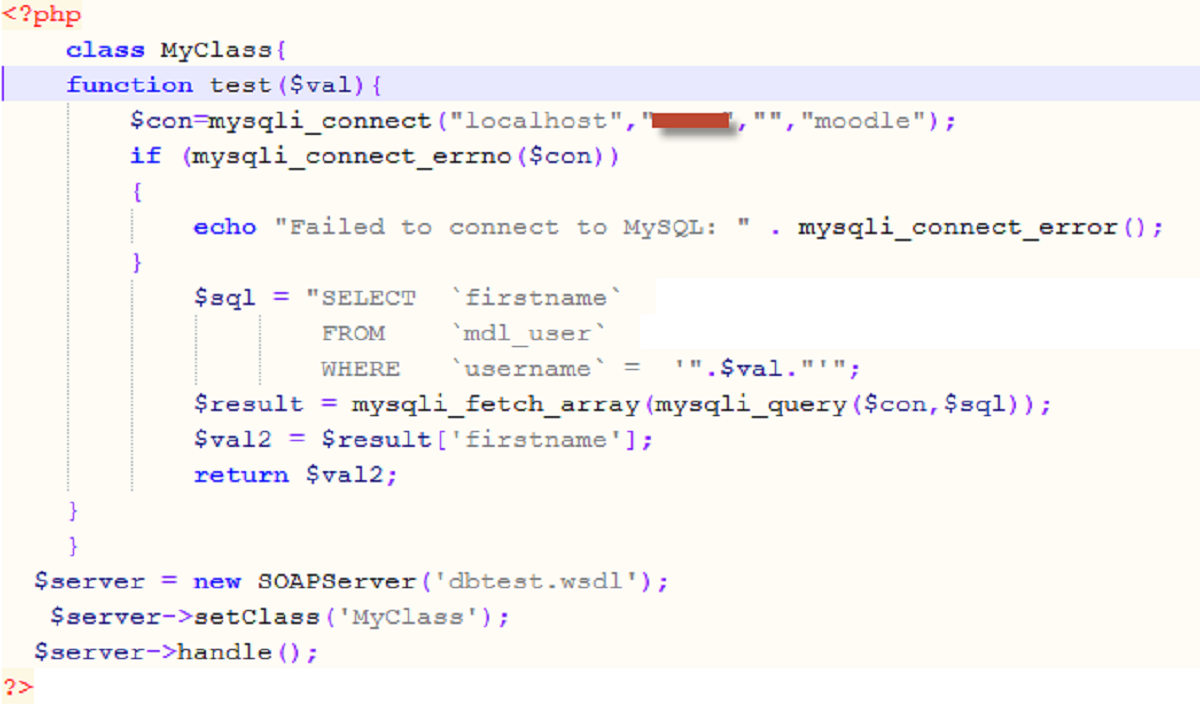
As a general-purpose language for the web, PHP handles the full spectrum of backend tasks. You can interact with MySQL databases, process user input, generate graphics, and perform mathematical calculations. PHP also gives you the flexibility to choose your own tools and operating system, and the PHP Standard Recommendation (PSR) ensures your code follows consistent, professional conventions.
5. You join a huge, supportive community with great resources
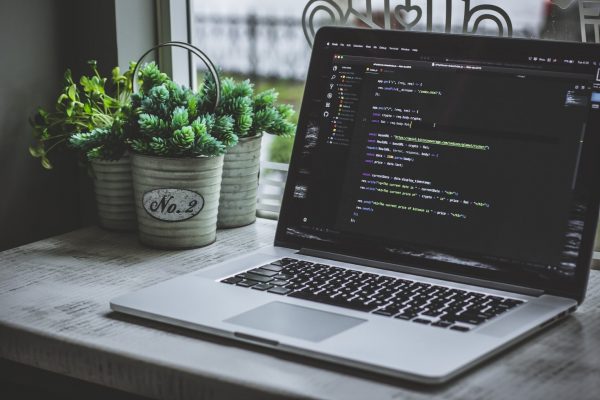
PHP has been an open-source project for more than 25 years, building a vast network of developers who contribute to its evolution and support newcomers. The official PHP documentation is comprehensive, available in multiple languages, and includes examples and user-contributed comments, serving as a valuable resource for learning and troubleshooting. Countless online tutorials, forums, and video courses are also available to help you at every stage.
6. It teaches you the importance of server-side security
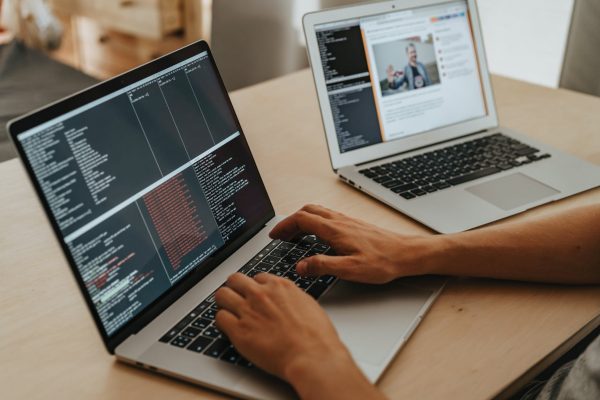
PHP runs on the server, not the client's browser, meaning your core logic and database credentials never leave your control. The client only receives the final HTML output, not the script itself, so you'll need to view php files in browser through a local server setup to see the rendered result. The PHP community regularly releases security patches with each update, reinforcing a security-conscious development mindset. Using the latest stable version ensures your applications benefit from these ongoing protections.
7. It powers a massive portion of the web you use daily
Learning PHP opens doors to working on, contributing to, and customizing these world-changing platforms. The language's proven track record means your skills will remain in demand for the foreseeable future.
How PHP compares to other languages beginners consider
Understanding where PHP fits in the broader landscape helps you make an informed choice. The key is to recognize that different languages serve different primary purposes, and PHP's specialization in server-side web development is its greatest strength.
PHP vs. JavaScript: server-side logic meets client-side interactivity
PHP and JavaScript are not competitors; they are complementary tools for different layers of a web application. PHP operates on the server, handling database interactions, user authentication, and generating HTML content. JavaScript operates in the browser, enhancing that HTML with interactive elements, animations, and dynamic user interfaces. The best websites use both: PHP for the backend logic and data, JavaScript for the front-end experience.
PHP vs. Python: focused web tool vs. general-purpose powerhouse
PHP is laser-focused on web development, with decades of optimization for server-side scripting and database interaction. Python is a broader language used in data science, artificial intelligence, and automation. While Python can build web applications, PHP's specialized tooling, frameworks, and hosting infrastructure make it the more direct and mature choice for web-specific projects. Your choice should reflect your primary goal: if you want to build websites, PHP is the more focused path.
Your next steps with the PHP programming language
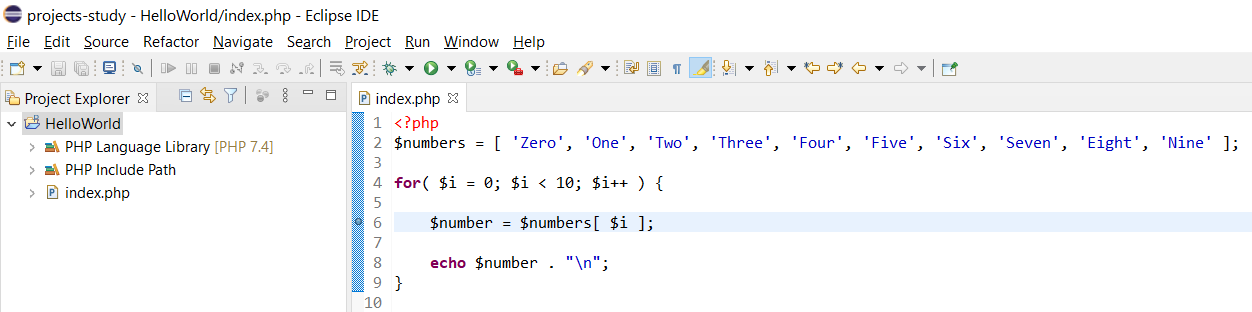
Set up a local development environment on your computer, open a text editor, and write your first PHP script that outputs "Hello, World!" to a browser. Then, consult the official PHP manual to understand basic syntax and functions. This concrete first action transforms your research into practical experience, the most effective way to begin your journey with the php programming language.