The banking tag on Robots.net collects practical guides for everyday money management, aimed at anyone who uses a mobile banking app, a digital wallet, or a traditional bank account. These articles are written for consumers who want clear, step-by-step answers to common questions about moving money, setting limits, and understanding account features, without jargon or corporate runaround.

The pieces fall into two broad themes. The first is making digital payments and transfers work smoothly: several articles explain how to add a debit card to Cash App on Android, why a Zelle payment might be pending review, and when Zelle limits reset. Others help readers raise their send limits or change daily caps, and one walks through how Zelle behaves when you have multiple bank accounts. A second theme covers account setup and everyday banking mechanics, such as setting up PNC online banking, understanding what a Chase Secure Banking account is, and learning what banking hours actually mean. There are also explainers on terms like KYC, CRA, TOD, and standing orders, so readers can decode the fine print on statements and forms.

Safety and security also get their due. One article focuses on how to prevent fraud in banking, and another explains what banking information is needed for direct deposit, helping readers share the right details without exposing sensitive data. Several pieces address money access in legitimate ways, such as which stores let you add cash to a Chime card, how to see pending deposits on Cash App, and how to download transactions from Chase. None of these encourage bypassing limits or hiding activity; they simply help readers use their own accounts correctly, avoid delays, and understand the rules that apply to them.


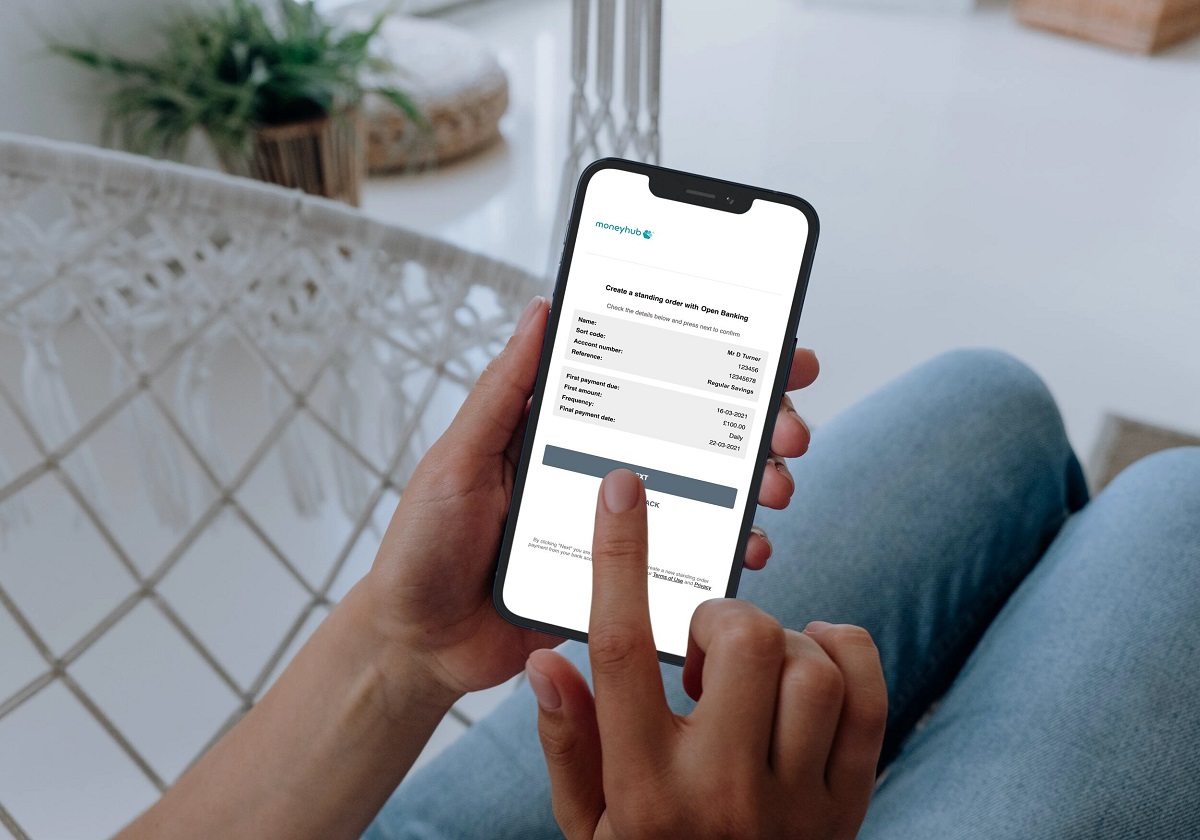
What Is A Standing Order In Banking?

A standing order in banking is a fixed, regular payment instruction you set up to send a specific amount of money from your account to another account at intervals you...

What Does ITF Mean In Banking?

In banking, what does ITF mean? It stands for "In Trust For," and designates an informal revocable trust account where one person (the trustee or account holder) manages funds for...

What Is International Banking

International banking refers to financial activities conducted outside a bank's home country, providing financial services across international boundaries. Its primary purpose is to support global trade and economic integration by...

What Does Online Banking TFR Mean?

When you see “TFR” on your online banking statement, it simply means “Transfer.” It is the bank’s shorthand for moving money, most commonly between your own accounts. For example, NatWest...

What Does Banking Hours Mean

Banking hours meaning refers to the specific times a bank's physical branch is open for in-person services like deposits, withdrawals, and check cashing, but it also critically includes the cut-off...

What Does TOD Mean In Banking?

In banking, "TOD" stands for "Transfer on Death", a designation that lets you name a beneficiary to inherit your account assets directly, bypassing the probate process entirely. This means the...

What Does Draft Mean In Banking

In banking, a draft is a payment instrument drawn on the bank's own funds, not on your personal account, which guarantees the recipient that the money will be paid. This...

What Does N.A. Stand For In Banking?

N.A. stands for National Association in banking, which signifies a federally chartered U.S. bank operating under a national charter rather than a state charter. This designation indicates that the bank...

What Is A Dividend In Banking?

What is a Dividend in Banking? A dividend in banking is a portion of a bank's profits distributed to its shareholders as a return on their investment. When a bank...

What Is The Difference Between Retail And Commercial Banking?

The fundamental difference between retail vs commercial banking is the customer they serve: retail banking focuses on individual consumers and families, while commercial banking serves businesses, corporations, and institutions. This...