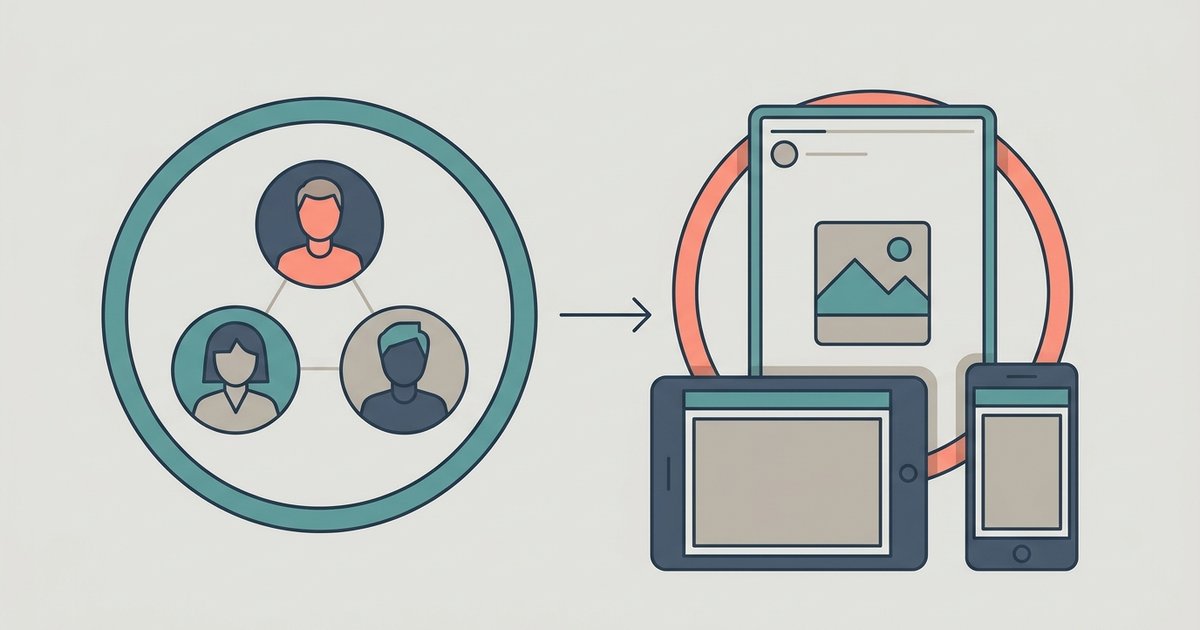





Every Instagram account belonging to someone aged 13 to 17 is a Teen Account, which means it is automatically set to more protective settings: private by default, messages limited to people the teen follows or is connected with, a 13+ content setting, and sleep mode overnight. Teens under 16 need a parent or guardian's permission to loosen those settings, and that permission runs through Instagram's parental supervision tools.
Supervision is separate from the Teen Account itself. The protections apply whether or not a parent is involved. Supervision adds a parent's ability to see how the account is used, set time limits and approve changes.
The default Teen Account settings
Instagram's help center lists the settings Teen Accounts receive automatically. These are the protections in place before a parent does anything.
- Private account. Teens who sign up for a new account are defaulted to private. For existing accounts, teens under 16 were moved to private even if they were public before. Teens aged 16 or 17 with an existing public account were not switched automatically.
- Messages. Teen Accounts only receive messages from accounts they follow or have previously connected with.
- Nudity protection. Images in messages that are detected as containing nudity are blurred automatically.
- Tags, mentions and remixing. Only people the teen follows can tag or mention them. Content remixing is limited to people they follow who also follow them back.
- Hidden Words. Potentially offensive comments and message requests are hidden automatically.
- Content setting. Teen Accounts are set to Ages 13+, so the content, profiles, comments and channel updates teens see are generally aligned with ratings for ages 13 and up, including from accounts they follow.
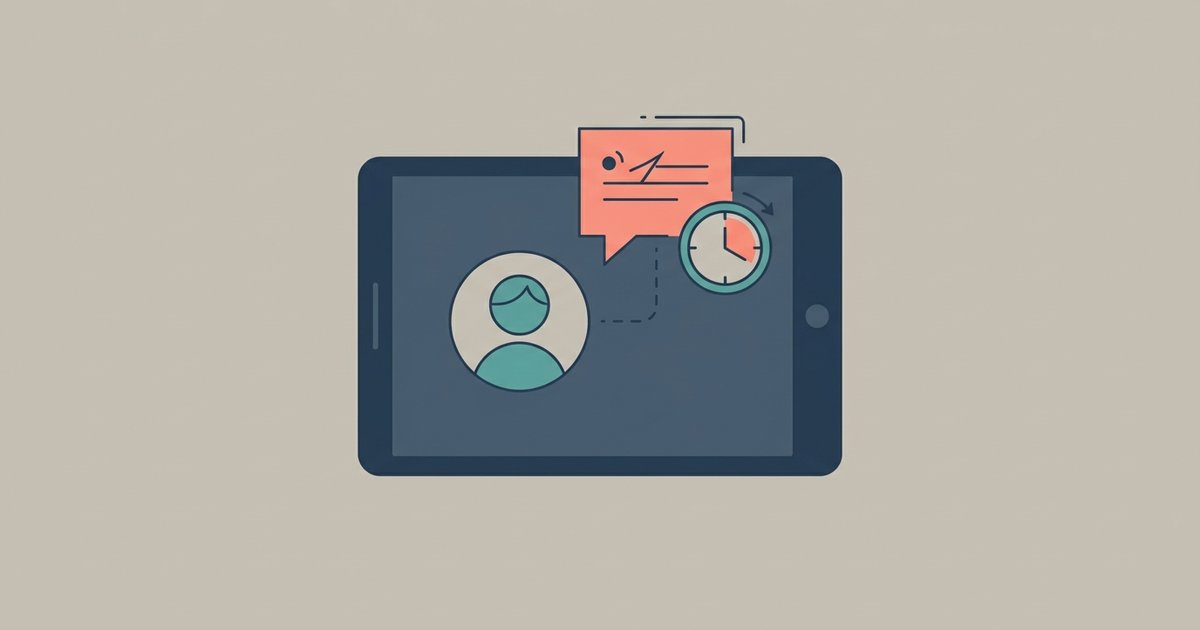
- Sleep mode. Turned on from 10 PM to 7 AM every day. Notifications are muted, auto-replies go out to messages, and the teen sees a reminder to close the app.
- Daily reminder. After 60 minutes of total use in a day, the teen gets a reminder to close Instagram.
- Live video. The ability to start a live broadcast is off by default. Instagram notes this is being introduced gradually, so some teens may not have it turned off yet.
Some of these protections have platform limits. Instagram says nudity protection is not currently supported on desktop or web browsers, and the Hidden Words setting for message requests is not supported on web browsers.
Who can change the settings
The rules depend on age and on whether supervision is set up.
- Teens under 16 need a parent's or guardian's permission to make any Teen Account setting less protective, including switching to a public account. To ask, they need supervision set up.
- Teens aged 16 and 17 can change most settings themselves, unless their account is supervised, in which case the parent's approval applies.
- The content setting is stricter. Teens under 18 need a parent's permission, given through supervision, to change it to something less restrictive.
Nothing stops a teen from making a setting more protective on their own. The permission step only applies to loosening.
What supervision lets a parent do
Instagram's help center says a parent or guardian must supervise the teen's account before they can:
- Set time limits for how long the teen spends on Instagram.
- Approve or deny the teen's requests to make safety settings less protective.
- See insights about how the teen uses Instagram, including the accounts the teen chats with.
- Make certain Teen Account settings even more protective.
- Approve or deny the teen's requests to make safety settings less protective.
Instagram's supervision help pages also cover seeing a teen's followers and who they follow, viewing the accounts the teen is blocking, viewing the teen's privacy, sensitive content and messaging settings, and being notified when the teen shares that they reported something. When Instagram introduced Teen Accounts, it said parents would be able to set a total daily time limit after which the app is blocked, and block use during specific periods such as at night.
Meta has also added alerts for parents using supervision if their teen repeatedly tries to search for terms related to suicide or self-harm within a short period. Meta says Instagram blocks those searches and points the teen to support resources, and the alert comes with expert guidance for the parent. Meta has since extended these alerts to supervising parents globally.
What supervision does not show
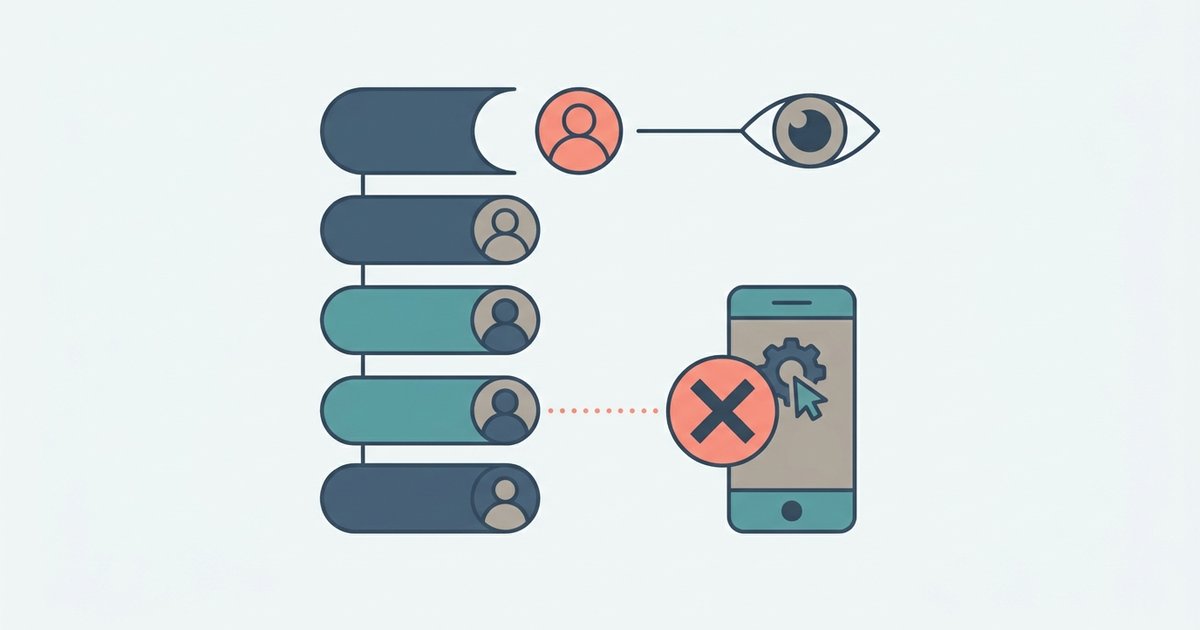
Supervision is designed to give oversight without full access. Instagram states that a supervising parent can't see the teen's search history or read their chats, only which accounts the teen has chats with. A parent also can't post for the teen or reset the teen's password.
How to set up supervision
Supervision needs both sides to agree. Either the teen or the parent sends an invitation, and supervision starts only when the other person accepts it.
- Update the Instagram app. The teen must be on the latest version. The parent must use the updated app.
- Open supervision from the Family Center area in settings and create an invitation. Parents with more than one teen can send the same invite to each teen.
- Send the invite to the other person. Invites expire seven days after they are created, so send a new one if it lapses.
- The other person accepts. The person who sent the invite is notified.
A few eligibility rules apply. The teen must be 13 to 17 and the parent over 18. Only one parent can supervise a teen's account at a time, and if a teen sends invites to several people, the first to accept becomes the supervisor. You can't invite someone you have blocked, and neither side can block the other while supervision is active.
Meta is moving Accounts Center to a new Meta Account over time, and says parents will be able to manage a teen's Instagram, Facebook, Messenger and Meta Horizon settings from a single Family Center dashboard inside it. The menu names in your app may therefore differ slightly from these steps.
Location sharing and the map
Where the Instagram map is available, supervision covers it too. Instagram says a supervising parent controls whether the teen can share location on the map, sees who the teen shares their location with, and gets a notification if the teen starts sharing. Location sharing is off unless it is switched on.
Removing supervision and turning 18
Instagram has separate help pages covering how to remove supervision and how to change the supervising parent, so the arrangement is not permanent. Teen Accounts are for ages 13 to 17, and Instagram says that anyone who has a Teen Account but is actually over 18 can edit their birthday in their settings.
Accuracy of age matters for all of this. Teen Account protections rely on Instagram knowing the user is a teen, and Meta has said it is working on ways to identify teens who list an adult birthday so they can be placed in the same protections.
For most families the best starting point is to leave the defaults on and set up supervision together, so the teen knows what the parent can and cannot see. Review the settings screen side by side, agree on a daily limit, and revisit it as the teen gets older rather than trying to control everything from the start.