




Humans have a variety of skills and capabilities that we have used to progress over centuries. This includes crafting tools and using our intellect to advance science and medicine. However, despite our growth, we’re still limited in many ways in terms of both our biology and physical abilities. That’s where human augmentation comes in to fill in the gaps.
What is Human Augmentation?

Human augmentation is an area of research that seeks to extend and expand human capability. This can come in the form of many things, be it through medical or technological advancements. For example, people ingest chemical substances to improve specific abilities like focus or strength. Sometimes, they also take up implants or undergo operations to enhance different bodily functions or features.
While the previous two examples illustrate invasive human augmentation, this technology isn’t always so. Some human augmentation enhancements take the form of external objects.
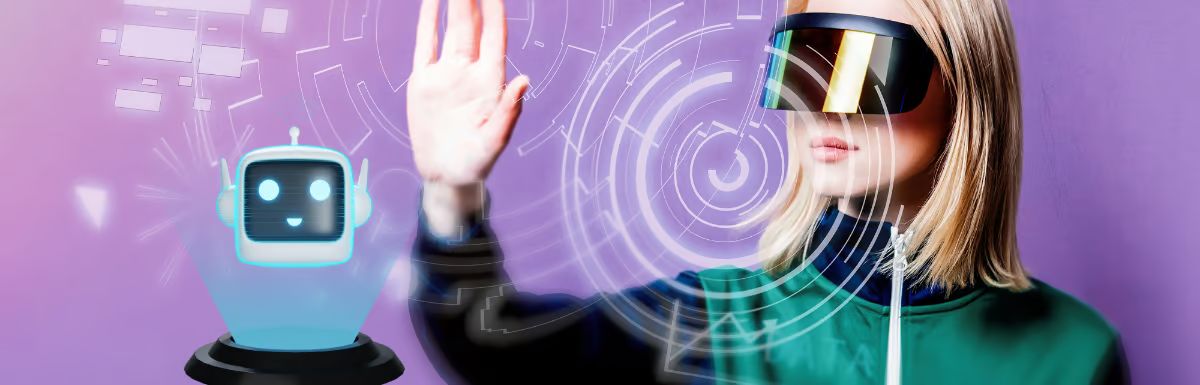
For instance, spectacles are a simple external human augmentation tool to improve eyesight. Other items like binoculars, microphones, and microscopes also serve as external human augmentation tools for different purposes. You can even find human augmentation tools in your smart devices that can augment reality through AR.
Types Of Human Augmentation
Since the beginning of technological advancement, human augmentation research has come quite a long way. It has saved lives and enabled people in different ways, especially in the realm of medicine.
In the modern day, human augmentation has advanced to the point of having three different branches. These include replicating human abilities, supplementing them, or extending/exceeding them. We’ll discuss each of these three categories and how they differ in function.
Replication

Human augmentation sometimes aims to replicate simple human abilities. We can see this kind of human augmentation most obviously through prosthetic limbs, hearing aids, and voice synthesizers. They’re mainly used to help the disabled and enhance their human capabilities and help with normal bodily functions.
Supplementation
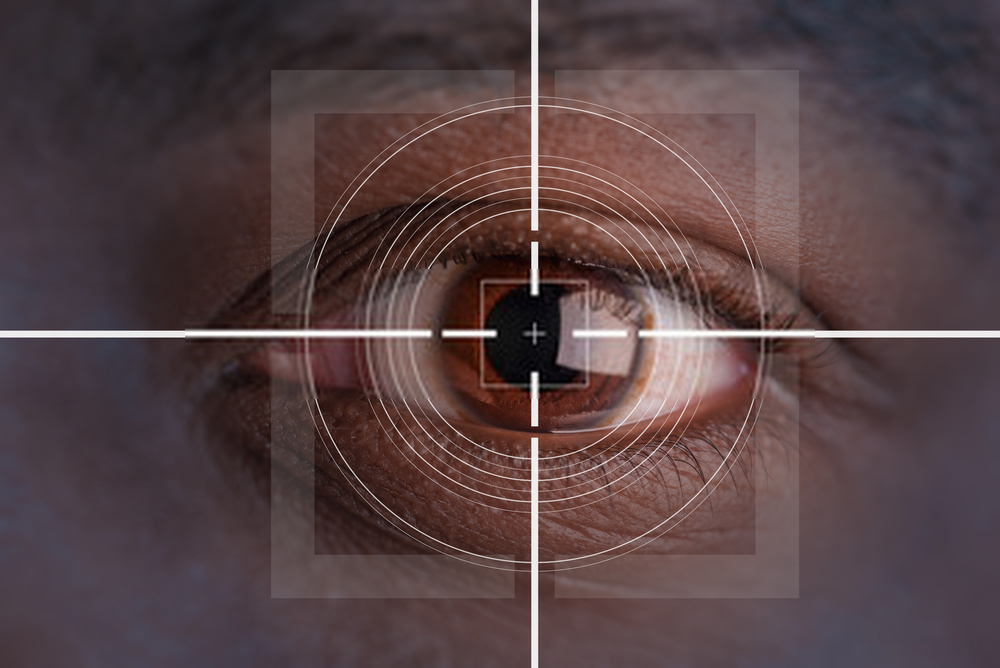
Supplementation aims to improve the abilities humans already have. This comes in the form of many devices like strength boosters, eyesight enhancements like glasses or laser eye surgery, etc. Human augmentation under this category can even enhance intelligence to a certain extent.
Extension

Lastly, human augmentation can come in the form of extending, exceeding, or going beyond normal human abilities. For example, some human augmentation technologies like jetpacks can help us fly. Some types of human augmentation may even help us breathe underwater or safely see ultraviolet rays.
Applications Of Human Augmentation
Human augmentation tools have enhanced human abilities in many areas of life. Today, several applications branch off from the three human augmentation types. Let’s discuss some of these applications and how they can integrate into both individual life and society at large.
Bionics
One of the most prominent human augmentation tools takes the form of bionics or prosthetics. These man-made limbs are beneficial to amputees and disabled people, often assuming the form of bionic arms or legs. Robotic exoskeletons also fall under this category, enabling the paralyzed to walk.
However, bionics don’t always have to come in the form of physical attachments. They can also come in the form of remotely operated exoskeleton robots. Like the previously mentioned exoskeleton, these can be maneuvered like a human being. However, the operator doesn’t have to be present with the exoskeleton to move it. The operator can control it remotely and even use a VR headset to see through the robot.
This kind of bionic human augmentation can not only help paralyzed individuals but also help regular people navigate dangerous environments. Whether it’s a nuclear plant or a deep-sea expedition, a remotely controlled exoskeleton can perform human functions without risks.
In addition, bionics like these aren’t limited to movement, either. Developers can add a feedback loop, allowing the prosthetic to transmit sensory data to the operator. Through this, the operator can move and assess situations with greater accuracy.
While all of these are beneficial, bionic human augmentation also has its downsides. For example, prosthetics like these consume tremendous amounts of power. Moving around with sensory data wouldn’t be as useful if you couldn’t operate it for long. It would require a huge battery to even function for a few hours. Furthermore, transmitting sensory data is no easy task. Transmitting even mere touch senses would take advanced technology, especially if it aims to make its way into the brain.
Neurotechnology
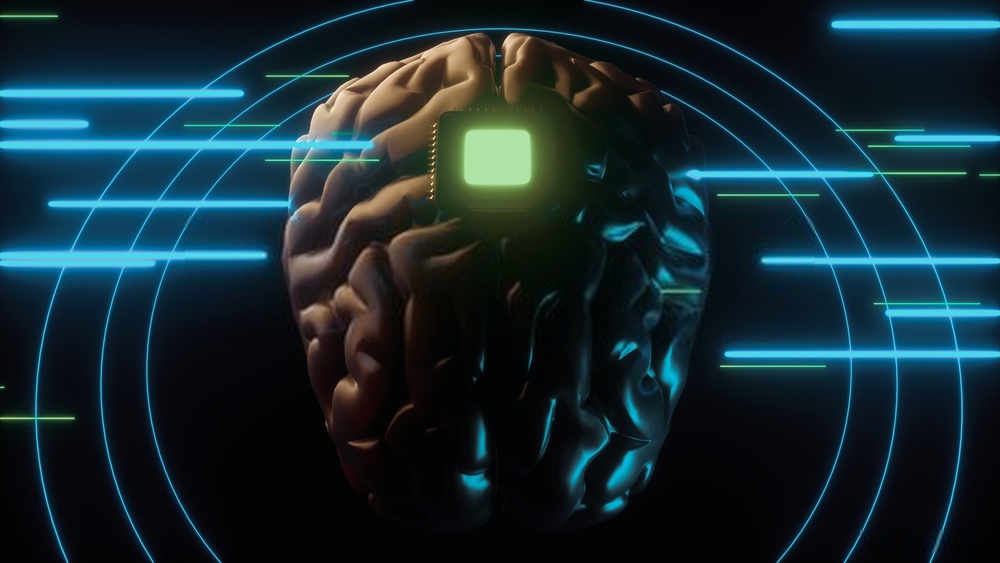
Another application of human augmentation is neuroprosthetics. Though similar to prosthetics, it isn’t mainly dedicated to aiding motion or movement. Instead, neuroprosthetics aims to connect the human brain to computers. This will allow you to control the robot and other prosthetic tools with just your mind.
While this might sound like it’s straight out of a science fiction movie, the technology is already being developed. Synchron, for one, is developing the Strentrode, a device that you implant into your brain to control mobility devices. It’s mainly aimed to help paralyzed people regain their mobility by operating external prosthetics with their brains.
Other companies such as Neuralink are also developing similar neuroprosthetics. Instead of using the technology to control external prosthetics, Neuralink aims to develop mind-controlled software and hardware. This might open the way for humans to interact with apps and software without using their senses.
Another example of neurotechnology’s applications is extending or improving the human brain’s capacity. This is a type of human augmentation that can improve human capability beyond what it can normally reach. For example, some companies are working on human augmentation using neuroprosthetics to enhance human memory. Others are even developing neuroprosthetics to enhance physical training efficiency, treat mental illness, or even cure Parkinson’s disease.
Of course, these neurotechnologies mean that, to some extent, we would redefine humanity. It’s a way of combining humans and computers through invasive biotechnological implants. While science hasn’t quite come close to making it work, the research is alive and thriving.
Alteration
Another prominent form of human augmentation is nootropics. While bionics and neurotechnology seem detached from everyday life, nootropics are a bit more common. That’s because they usually come in the form of drugs that enhance human cognition in some way.
For example, we have Adderall, a drug that people take to increase their focus. There are also dietary supplements in the market that can provide nutrients we lack from our everyday diet.
While nootropics like these are less controversial, they’re also less effective. However, there are also prescriptive nootropics that you can take for different conditions that are more effective. For example, there are ADHD drugs you can purchase at a drugstore with a doctor’s prescription.
There are also slightly more controversial alterations in human augmentation such as human gene editing. You might be familiar with the technique named CRISPR-Cas9, a famous gene-editing tool that’s both quick and accurate. It does have its benefits, like removing harmful genetic diseases written in code. However, as you can imagine, it’s a hot topic for debate as it poses many ethical issues.
Wearable Human Augmentation
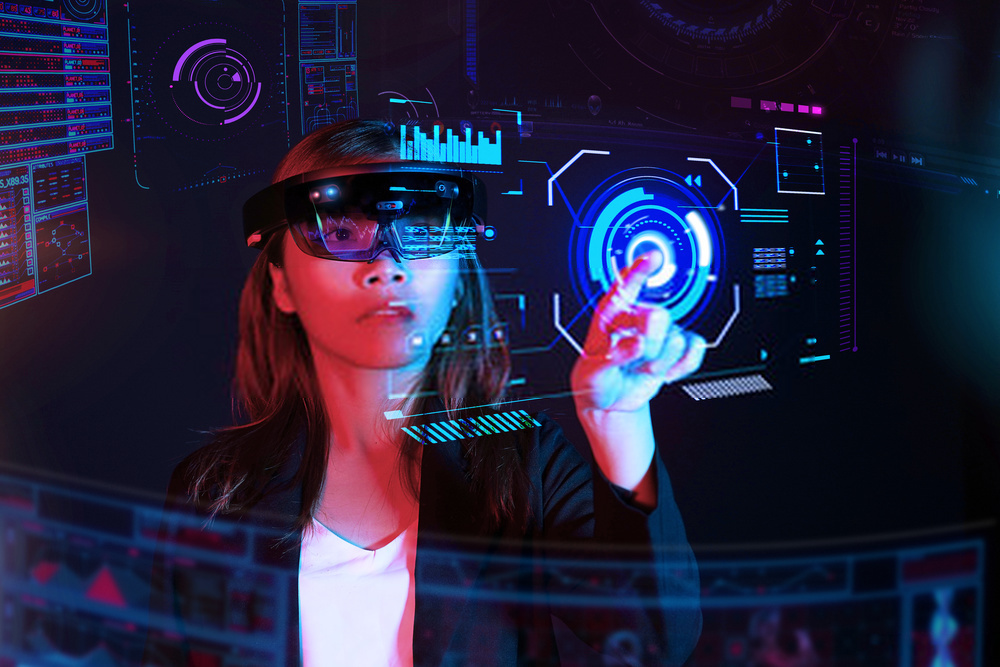
Lastly, we have wearable technology which is the most viable, and potentially most accessible, form of human augmentation. Unlike alteration and neurotechnology, wearables are non-invasive and usually require some interface with the senses to control. We already see many examples of these less invasive tools.
As previously mentioned, the most common example is spectacles. There are millions of people with visual impairments, making spectacles incredibly helpful human augmentation tools. While they’re not as exciting as other human augmentation tools that resemble science fiction. However, they’ve already become integral in human society today.
Wearable Human Augmentation Technologies
Some wearables feel a little more advanced than simple spectacles. For example, the Zapata Flyboard Air is somewhat like a wearable technology that helps people fly. There’s also the push towards spectacles as the latest consumer technology that may replace smartphones in the future. The Google Glass and Microsoft Hololens 2 are good examples of this. Even Apple has jumped into human augmentation with its rumored Apple Glasses coming sometime in the future.
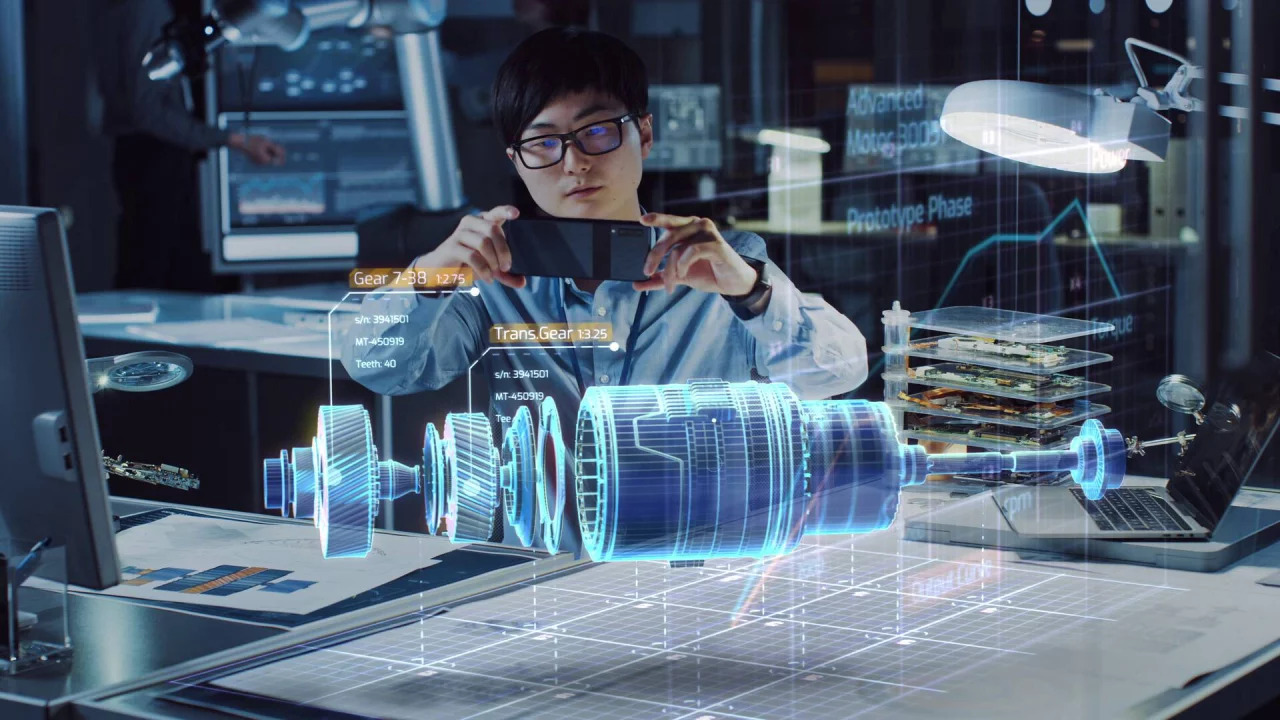
Of course, most of the applications for these tech spectacles right now are for the workforce. For instance, Microsoft’s Hololens 2 is mostly used for construction and lab work, especially with their work-specific Hololens models. However, most people expect these technologies to trickle down into the mainstream market. That will certainly be the case if a consumer electronics leader like Apple breaks the ice.
Furthermore, the industry is looking even further ahead to manufacture smart contact lenses. In CES 2020, Mojo Vision presented something like this that could bring augmented reality right to your retinas. Its main application was to record health data through the eyes. However, it did have obstacles, including battery and data connection.
The Future Of Human Augmentation
Human augmentation has a multitude of benefits, regardless of which type people employ. Whether it’s invasive, non-invasive, bionics, neurotechnology, nootropics, or wearables, each tool has a specific function to enhance human abilities. However, regardless of which type of human augmentation tool it is, there are still many obstacles and hindrances to face.

Technical Obstacles
One of the biggest obstacles to human augmentation is the technical side of things, especially when it comes to neurotechnology. While we understand how the brain sends signals, we still don’t have a full understanding of how we connect it to computers.
Neurotechnology isn’t alone with technical problems too. Even wearable human augmentation can be difficult to create. While AR and mixed reality are pretty rampant already, implementing them in spectacles or contacts is still very difficult. Companies have to consider technical issues such as the interface, scale, environment awareness, and more.
Ethical Issues
There are also ethical implications, especially when they’re invasive or extend human capacity. What does it mean to be human? That’s a question many philosophers and scientists have asked many times over the centuries. However, the question becomes more pressing with the rise of human augmentation in medicine and technology.
It’s one thing to extend human capacity through wearables like hearing aids, visual aids, and wearable technology. However, what if the topic of discussion is human gene editing? Do we take the risk and put life in the hands of humans by creating designer babies? Apart from removing genetic diseases, should we modify our genetics to fit beauty standards, too? As the old saying goes, just because we can, doesn’t always mean we should.
Stunting Growth
Of course, while this technologies can enhance human ability, some also criticize that it stunts human growth. For example, smartphones are one form of intelligence amplification that can augment or supplement our abilities and thinking. However, they also make us overly reliant on technology instead of engaging in critical thinking.
Moreover, smartphones and apps are mostly profit-driven, so companies aren’t always interested in helping individuals. Instead, they consume us, and in some ways, enslave us to their products and services, making us less productive overall.
The Final Word
Human augmentation tools are helpful in many ways. They can extend the capacities of aging citizens, empower amputees or people with special needs, and enhance our overall capabilities. These tools make the difference between a listless life and a life filled with joy.
However, they also come with limitations. For example, many human augmentation tools are invasive and require implants to work. We also need to overcome technical challenges before we can make them work. Only time will tell what will come of these obstacles and how far we can truly extend beyond our limits.