This tag collects the articles on robots.net that deal with the Google Chrome browser, its mobile counterparts, and the broader family of Chromium-based tools like Chromebooks and Edge. It is written for everyday users, not developers or IT pros, who have hit a snag in their daily browsing and want a clear, straightforward fix. The content is for anyone from students to office workers who need to get a specific task done without wading through jargon or risky workarounds.

The articles here cluster around a few practical themes. One major group is configuration and customization: you’ll find help with changing the default search engine, setting your time zone, enabling developer mode, or making tabs open automatically. Another cluster focuses on access and permissions, how to whitelist a site, turn on location permission, or whitelist a page, which is especially useful when a site isn’t behaving. A third theme covers troubleshooting and recovery, such as why Chrome won’t open, how to revert an update, or how to start the browser in safe mode when things go wrong. For mobile and tablet users, there are guides on incognito mode, checking history, and moving favorites from Chrome to Edge.

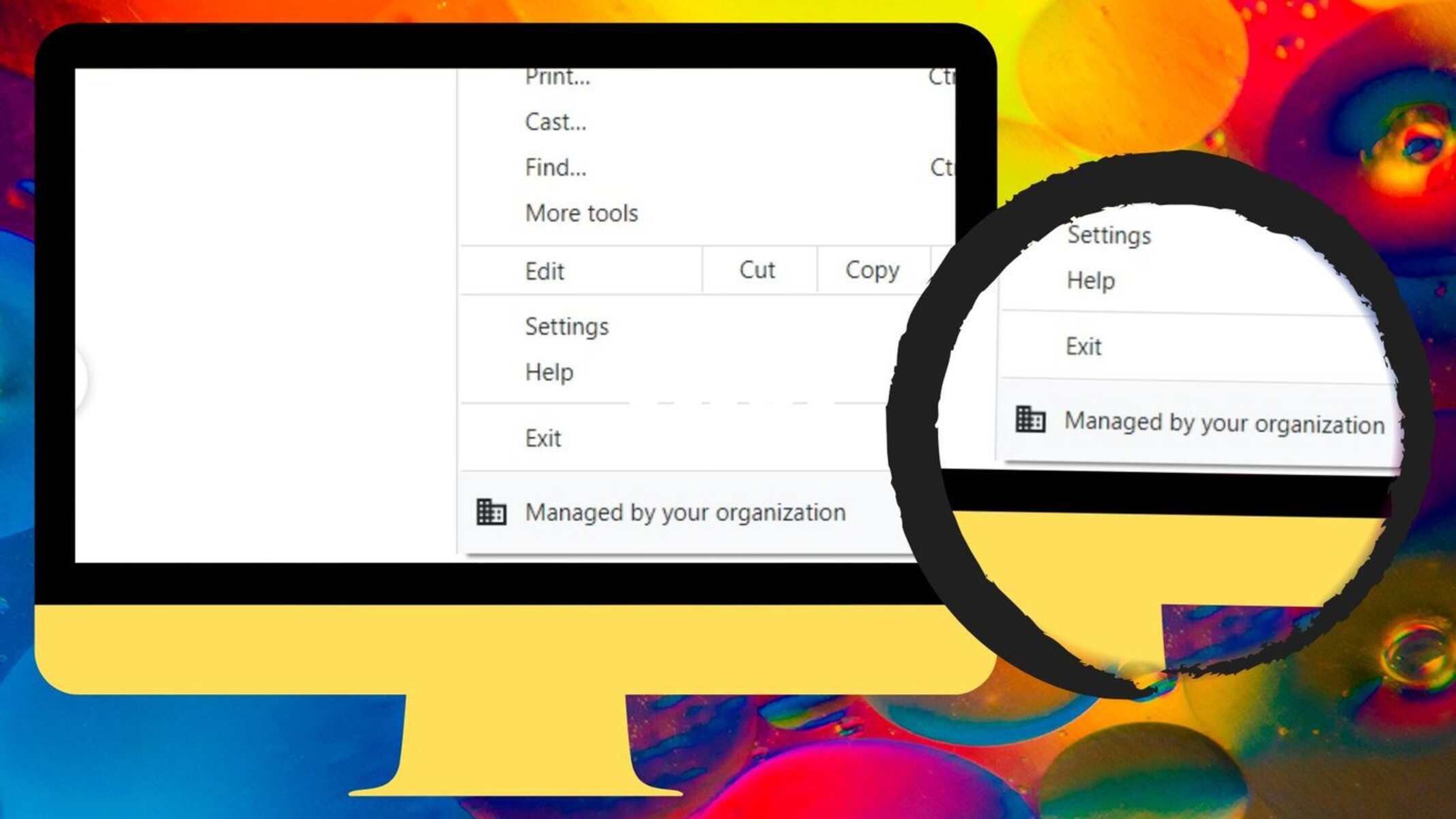
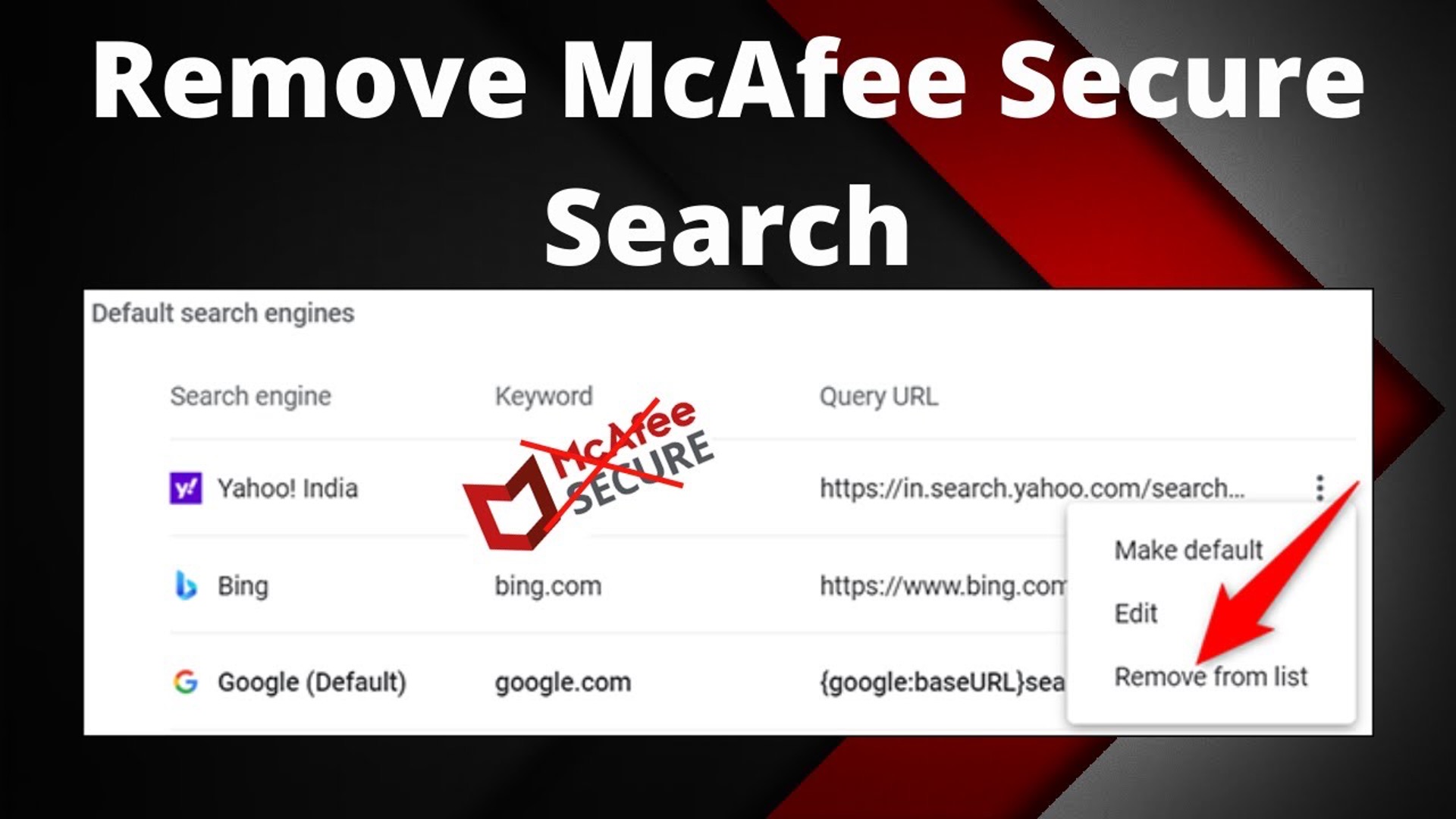
Several articles also address security and privacy from a responsible angle. For example, the piece on getting Chrome extensions blocked by an admin explains how to understand and work within your organization’s policies, not how to bypass them. Similarly, the guide to disabling CAPTCHA helps with accessibility and annoyance, not with dodging security checks. And the article about Yahoo opening with McAfee walks you through cleaning up an unwanted browser hijack, while the one on playing Roblox in your browser is simply about enabling the right settings to use a legitimate web app. Throughout, the focus is on safe, legal, and practical solutions.
How To Delete History On Tablet

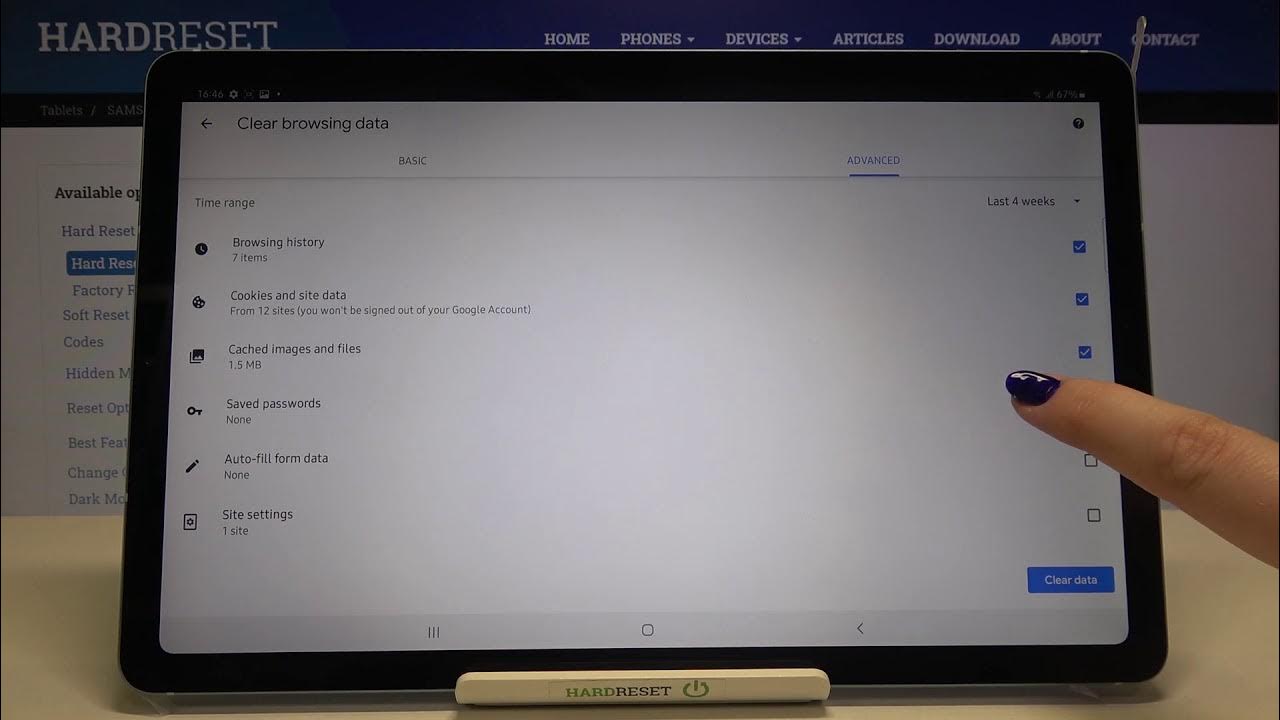
To delete history on a tablet, you need to clear different types of stored data separately, including your browsing history, Google search history, and location history. This process protects your...

How To Have Faster Download Speed

To get a faster download speed right now, start by closing bandwidth-hogging apps and enabling your browser's parallel downloading feature. These two actions alone can often double your throughput without...

How To Download Via Keyboard

To download via keyboard, use the universal shortcut: Alt + Click on a link in Chrome on Windows, or Option + Click on a link in Chrome or Safari on...

How To Change The Default Download Location On Android

You can change the default download location on Android, but there is no single universal setting that controls where every file lands. The most common default path is `/storage/emulated/0/Download`, and...

How To Go Incognito Mode On Android

To go incognito on Android, open the Chrome app and tap the three-dot menu in the top-right corner, then select "New Incognito tab." This opens a private browsing session where...

How To Add A Shortcut On Chromebook

To add a shortcut on Chromebook, you create a clickable icon for a website that lives in the App Launcher, not on the desktop wallpaper. This lets you open the...

How To Use Google Lens In Browser

Google Lens in browser is built directly into Chrome on desktop, so you can search anything you see on a webpage without needing your phone. Right-click any image, select “Search...

How To Get Chrome Extensions Blocked By Admin

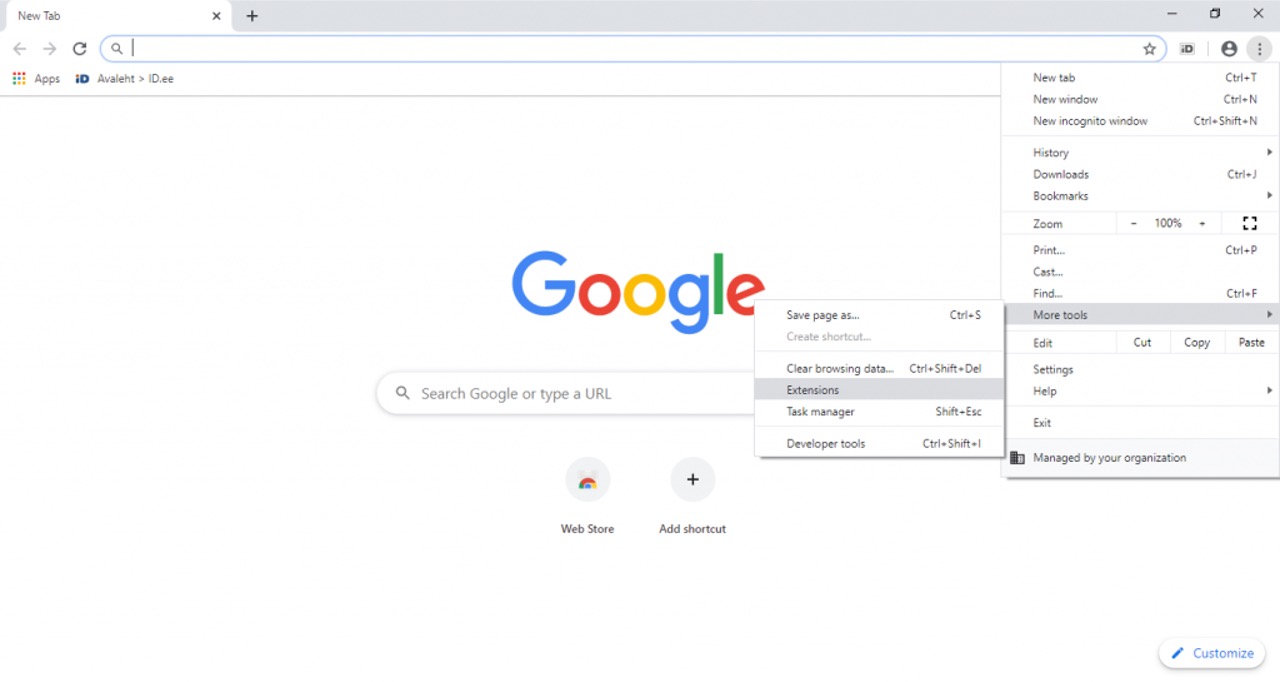
When Chrome extensions are blocked by admin on a managed device, your immediate step is to confirm the block is actually enforced by your organization's policies rather than a temporary...

How To Use Chrome Extensions On iPhone

You cannot use Chrome extensions on an iPhone because Chrome for iOS does not support them. The only way to get a similar experience with Chrome extensions on iPhone is...

What Is A Browser?

First, understand what a browser already does for you What is a browser? Look at the screen in front of you. The icon you tap or click to get onto...