The website is hard-coded to detect and serve links only for Apple devices, often because it relies on a Safari-exclusive feature or the developer blocked other browsers. You can bypass this by using a browser that lets you change your user agent to mimic Safari on an iPhone or iPad.
The real reason you see 'open in Safari' on Android
The website isn’t reading your device, it’s reading your client’s identity
When you open a webpage, your software sends a small text string called the user agent to the server. This string identifies the application name, version, operating system, and device model. For example, Chrome on Android sends something like "Mozilla/5.0 (Linux; Android 14; Pixel 8) AppleWebKit/537.36 (KHTML, like Gecko) Chrome/122.0.0.0 Mobile Safari/537.36." The destination’s code reads this string and decides what content to show. If the developer wrote a rule that says "only serve this content if the user agent contains 'iPhone' or 'iPad' and 'Safari'", then your Android client gets rejected. The pop-up you see isn't a real error, it's a deliberate filter. The site thinks you are using an incompatible tool simply because your user agent doesn't match Safari on iOS. This is common with streaming services, banking portals, and some WordPress themes that were built exclusively for Apple's ecosystem.
When changing the user agent doesn’t work
Changing your user agent to mimic Safari on an iPhone tricks the server into sending you the content, but it fails when the destination requires actual Apple-specific technologies. For instance, Apple’s FairPlay DRM for video playback only works inside the real Safari engine on iOS. If you spoof the user agent but are still running Chrome or Firefox on Android, the destination may load the text but refuse to play video, or it may redirect you back to the "open in Safari" prompt. Another failure case occurs when the destination uses JavaScript to check for WebKit-specific APIs that only exist in the actual Safari browser on iOS; Android clients, even with a fake user agent, lack those APIs. In these situations, the prompt persists or the screen shows a blank page. You can try a different approach: use a client that fully replicates the Safari engine, but because Safari on iOS is not available on Android, the only real solution is to switch to a destination that doesn't discriminate. Some users resort to installing a third-party tool like Firefox or Kiwi that supports extensions to handle this, but the core problem remains: you cannot truly use Safari on Android because Safari is an Apple-only product.
How to change your user agent on Android
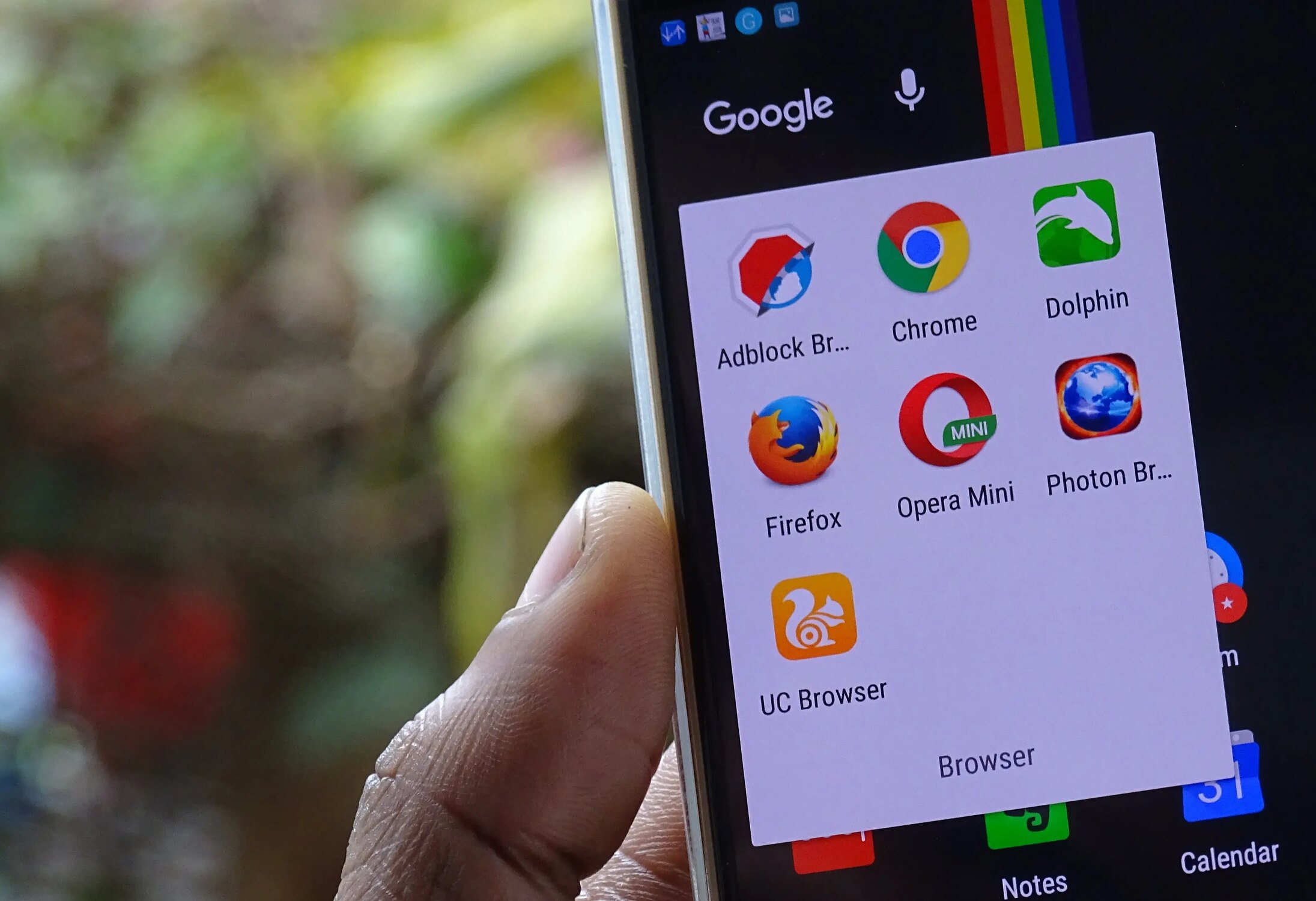
The quickest method is to use Chrome or Firefox and enable "Desktop site" mode. In Chrome, tap the three-dot menu, check "Desktop site," then reload. This changes your user agent to a desktop Chrome string, which sometimes bypasses the Safari-only filter. For a more precise fix, you need a client that lets you set a custom user agent. Kiwi Browser (based on Chromium) is a good choice. Open Kiwi, go to the three-dot menu, select "Settings," then look for the user-agent option. You can choose "iPhone" or "iPad Safari" from the list. After applying, reload the problematic destination. Firefox for Android also offers a similar option if you install the "User Agent Switcher and Manager" add-on. If you ever need to find your browser on your phone, check your app drawer or settings under "Apps" to locate your default application. For content filtering issues, you might also want to turn off safe search on Safari, but that setting only exists on Apple devices; on Android, you adjust safe search through Google’s search settings instead, which can also help stop Google from asking to sign in on Safari if you switch between platforms. After changing the user agent, the "open in Safari" prompt should disappear, and the destination should load normally in most cases.
The only way to reliably bypass a hard-coded Safari-only block on Android is to change your user agent string, but this trick fails silently whenever the destination demands Apple’s FairPlay DRM or WebKit-exclusive JavaScript APIs that no Android application can provide.