No single download is universally responsible, but the most commonly reported source is a fake Adobe Flash Player installer distributed through deceptive update pop-ups on streaming or torrent sites.
The DuckDuckGo browser hijacker and the Flash player updater trap
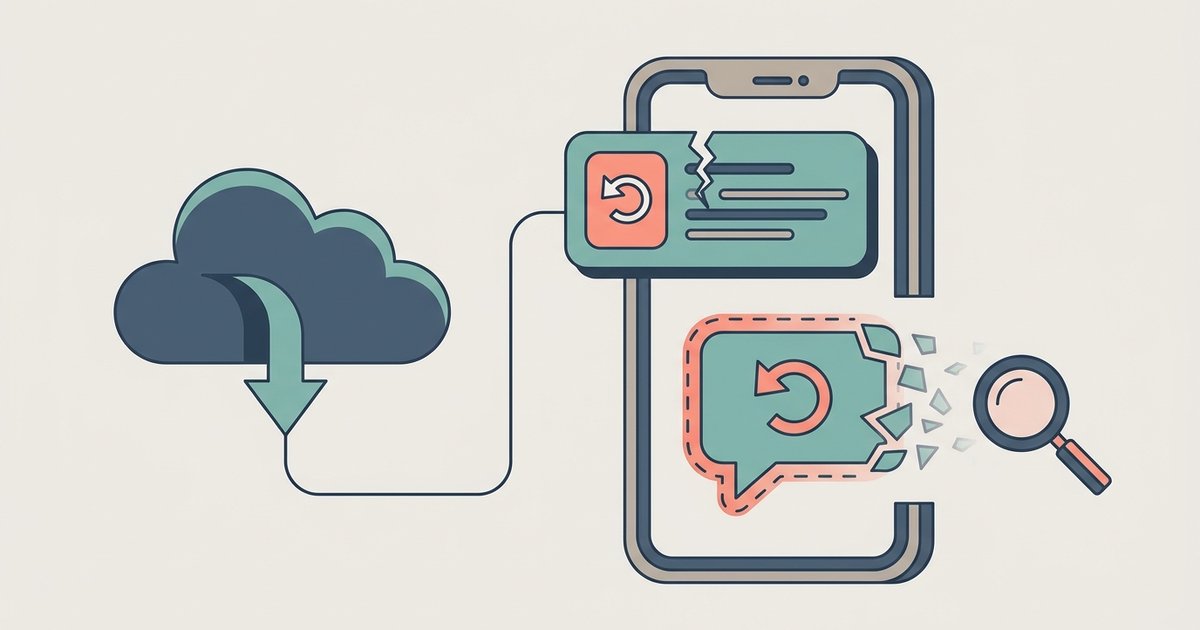
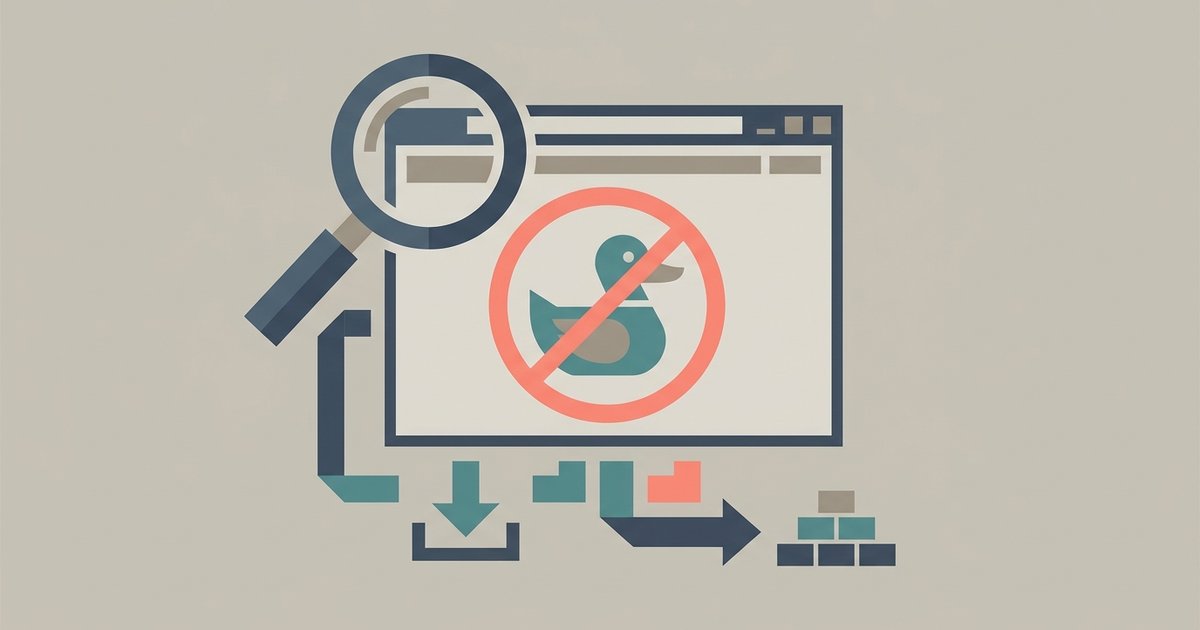
Fake "Flash Player is out of date" pop-ups on video streaming and torrent sites deliver a custom installer that forces DuckDuckGo as the default search engine in Safari. The pop-up mimics Apple's system notification. It often uses a yellow warning icon and the phrase "Your Flash Player is outdated." When you click "Update," a DMG file downloads. This file contains an installer named "Flash Player.app" or "AdobeFlashPlayer.pkg." The fake installer does not actually update Flash, which Adobe discontinued in 2020. Instead, it injects a Safari App Extension called "SafeSearch" or "DuckDuckGo for Safari." Once installed, this add-on redirects your default search engine from Google or Bing to DuckDuckGo. It may also inject ads into search results. To reverse this, you must open Safari's Preferences and go to the Extensions tab. Locate the unknown add-on and uncheck it. Then reset your default search engine under the Search tab. If the component keeps reappearing, you may need to delete the associated launch agent from your Mac's ~/Library/LaunchAgents folder.
The one scenario no other removal guide will explain is that the fake Flash updater installs a persistent Safari App Extension, not just a simple browser setting change, which is why you must follow dedicated steps to remove DuckDuckGo from Safari before it re-enables itself after each restart.
Other bundled software that has been named
Specific free applications users have identified in forums as carrying the unwanted DuckDuckGo add-on include certain video downloaders, media converters, and system cleaners distributed outside the Mac App Store. "YTD Video Downloader" and "MacBooster" have both been reported to bundle the DuckDuckGo hijacker as an optional install during their setup process. If you installed "Movavi Video Converter" or "Wondershare UniConverter" from a third-party download site, the installer may have included a pre-checked box to add the DuckDuckGo component to Safari. The same applies to "MacCleaner Pro" and "MacKeeper." These tools often bundle search-engine redirectors, and you can remove DuckDuckGo from Safari on mac by clearing the unwanted extension and resetting your homepage. If you later switch browsers and encounter the same issue, you will need to remove DuckDuckGo from Google Chrome. Check Chrome's Extensions list at chrome://extensions and remove any unfamiliar entries. Then reset the search engine under Settings. In some cases, the hijacker also installs a system-level configuration profile. You can find and delete this in System Settings > General > VPN & Device Management.
When it is not a specific download at all
Cases where the change appears after accepting a website permission prompt or installing a Safari add-on directly mean no third-party installer was involved. The user accidentally authorized it themselves. A site like "search.duckduckgo.com" may prompt you with a browser dialog reading "This website wants to change your default search engine to DuckDuckGo." If you click "Allow" without reading, Safari immediately applies the change without any download. Similarly, you might have installed a Safari component from the App Store or a developer website that explicitly sets DuckDuckGo as the default. "DuckDuckGo Privacy Essentials" is legitimate, but a clone named "DuckDuckGo Search Helper" is not and will hijack your settings. In these scenarios, you simply need to remove DuckDuckGo from Safari. Open Safari > Settings > Extensions and uncheck the offending component. Then go to Settings > Search to pick a different engine. If you also use Chrome and notice unrelated redirects, such as when Yahoo keep opening in Chrome with McAfee, that indicates a separate bundled installer. This often comes from a system cleaner or "optimizer" tool that modifies Chrome’s startup page. The same removal logic applies. Check extensions and search settings in both browsers, and always decline any offers to "improve your browsing experience" during software installation.