This tag collects articles that help everyday consumers get a clearer handle on their money in the digital age. It is written for anyone who uses online banking, peer-to-peer payment apps, or wants to understand the basic vocabulary their financial institution throws at them. The pieces here are practical, plain-language guides for navigating day-to-day banking tasks without jargon or confusion.
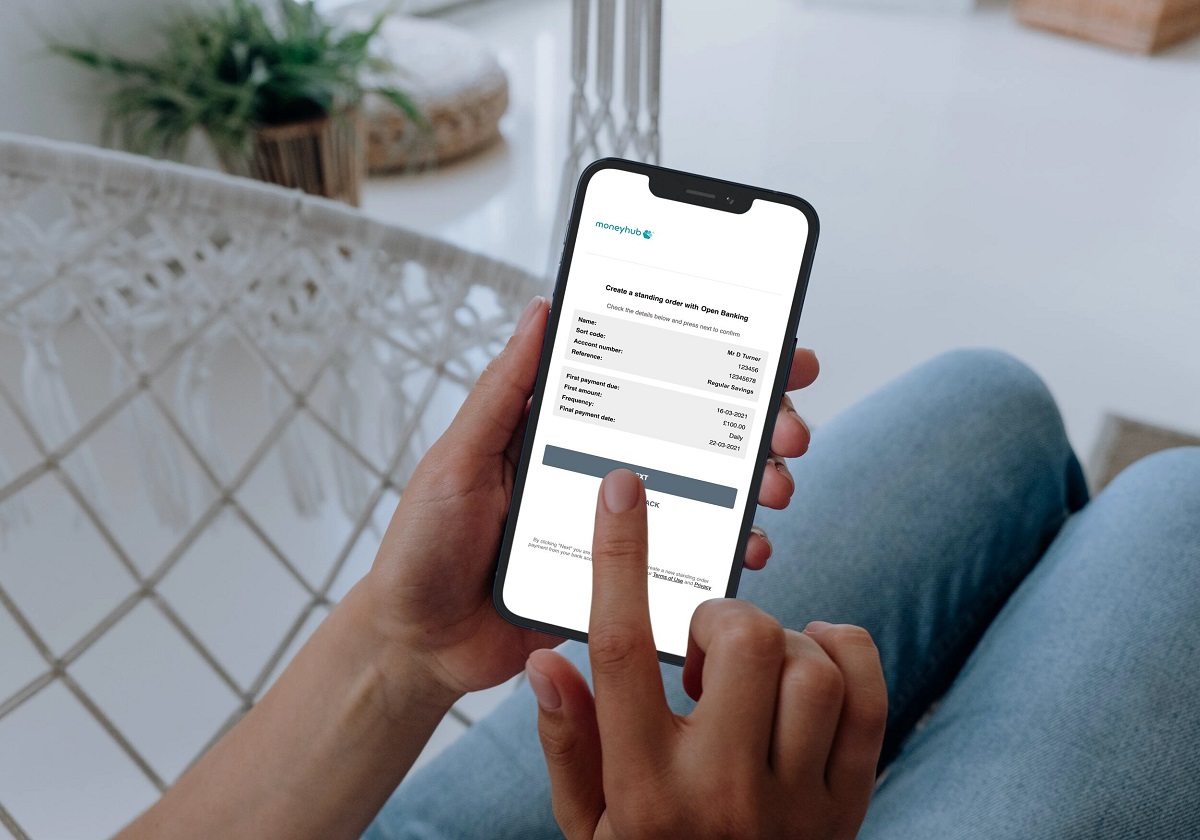
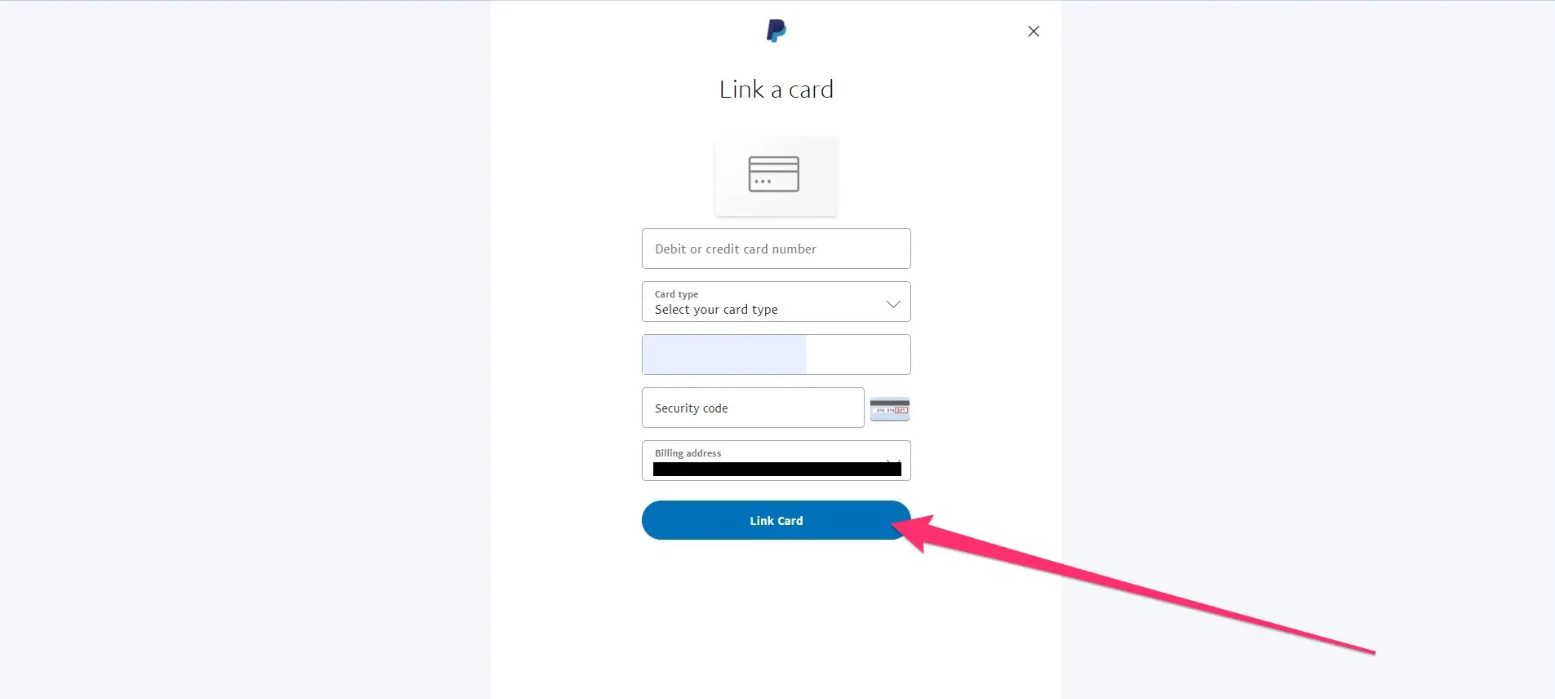
The articles are grouped around three practical themes. First, several pieces walk you through specific actions, like linking a bank account to PayPal or downloading transaction history from Chase, so you can manage your records and payments with confidence. Second, a set of explainer articles clarifies common banking terms and concepts, such as what “TFR” means on a statement, what a “standing order” is, or the difference between retail and commercial banking, so you are never left guessing what a charge or a transfer actually indicates. Third, a few entries take a safety- and legality-focused angle, breaking down how micro lending works, what the real pros and cons of online banking are, and what a threshold means in the context of your account limits. These are not about circumventing rules; they are about understanding the system well enough to use it securely and within the law.
By reading these, you will be able to identify a “DDA” on your checking account, interpret what “debit” really means when a transaction posts, and know what banking hours cover in the digital era. The goal is straightforward: turn unfamiliar bank-speak into knowledge you can act on, whether you are reconciling a statement, setting up a recurring payment, or just trying to make sense of a notification from your bank’s app.