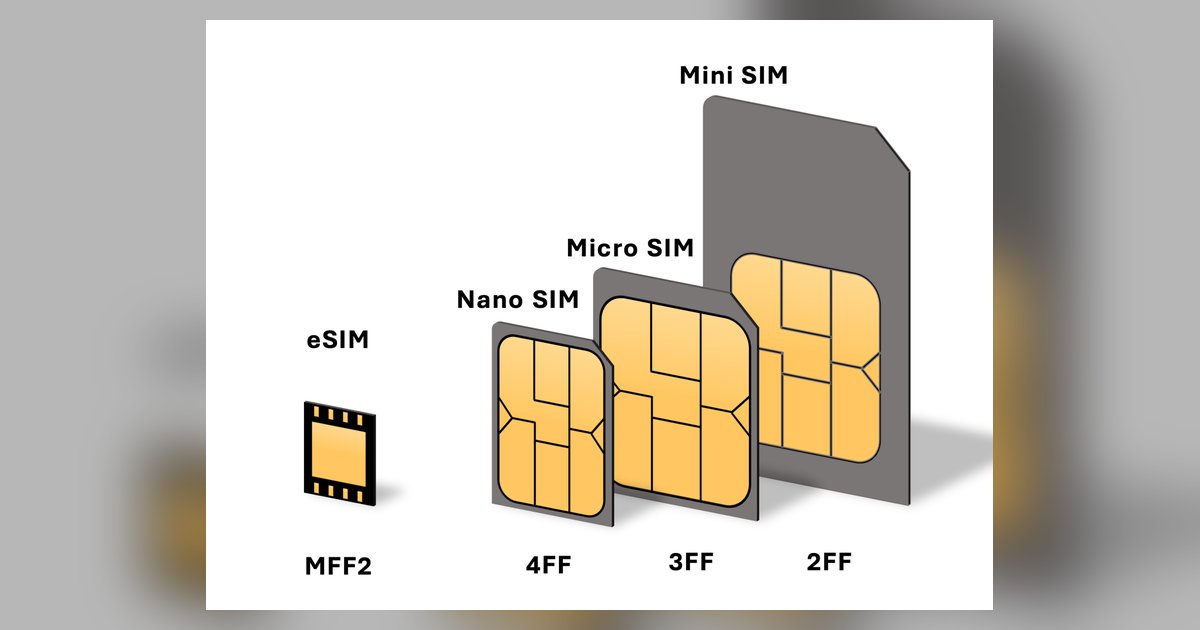
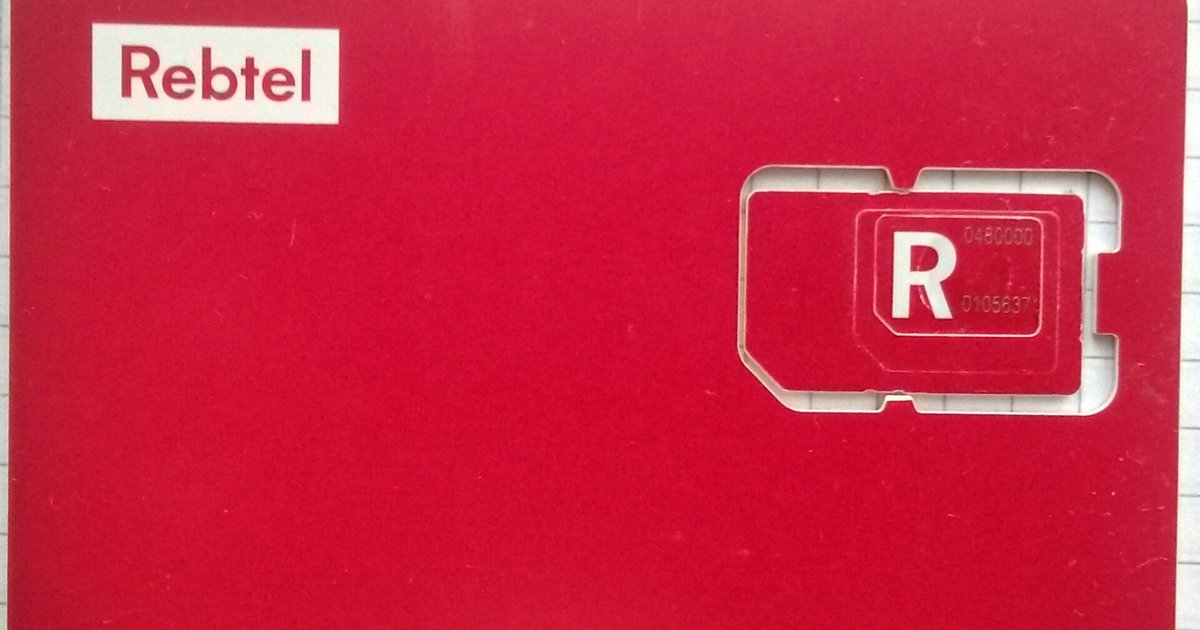
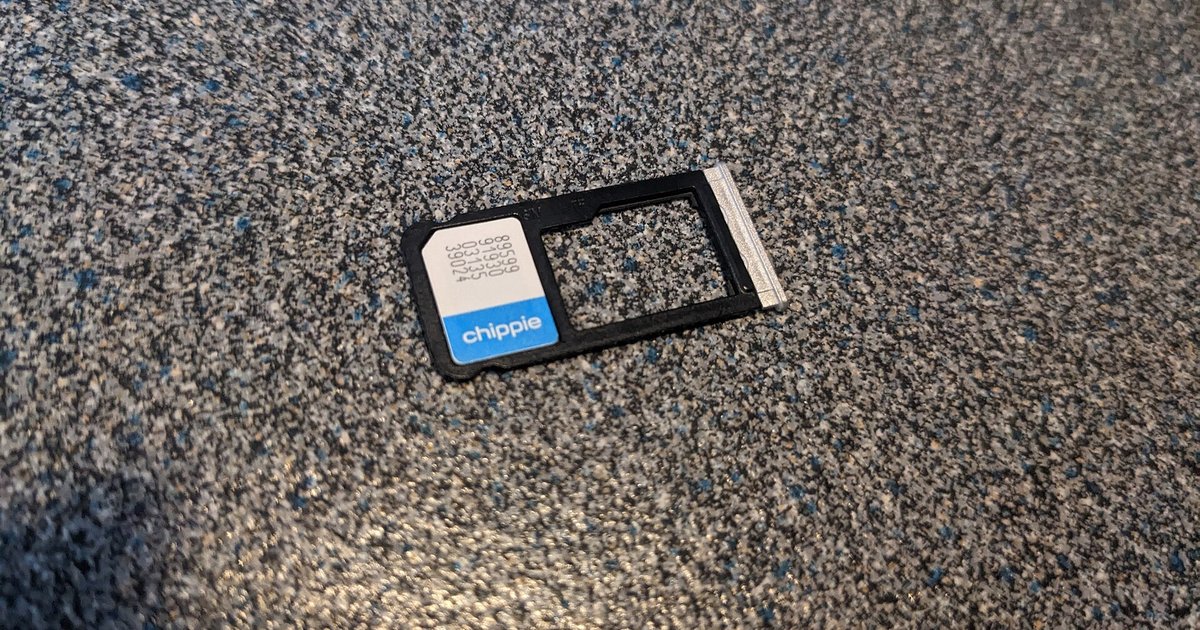
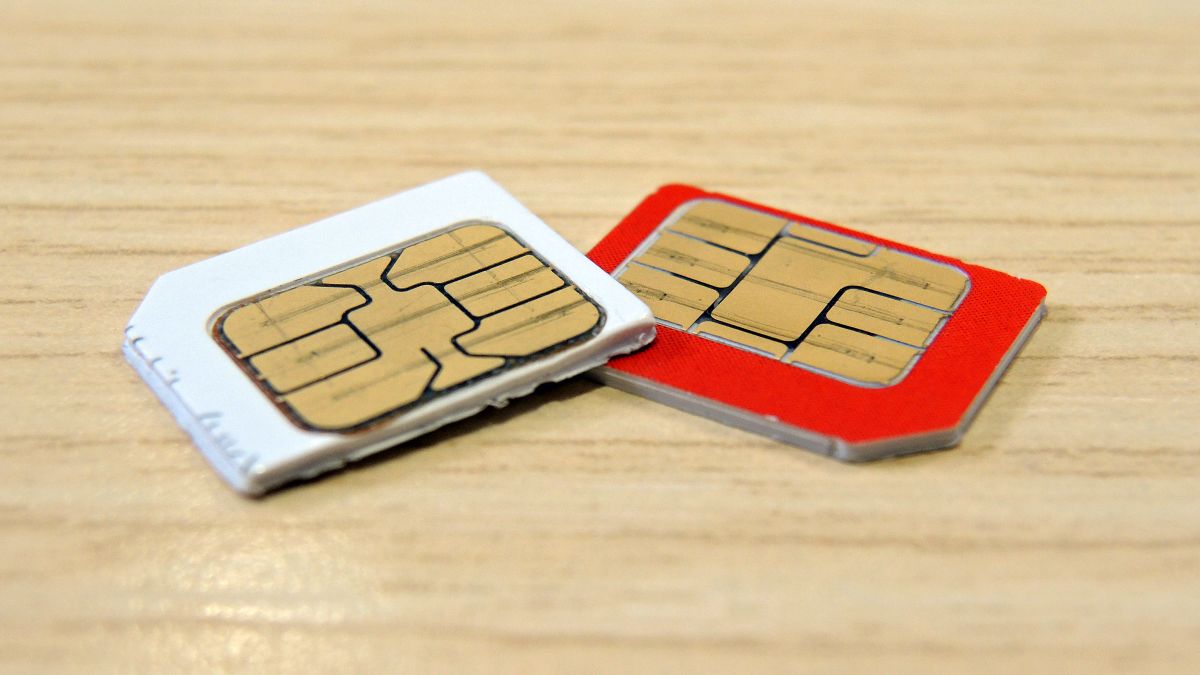
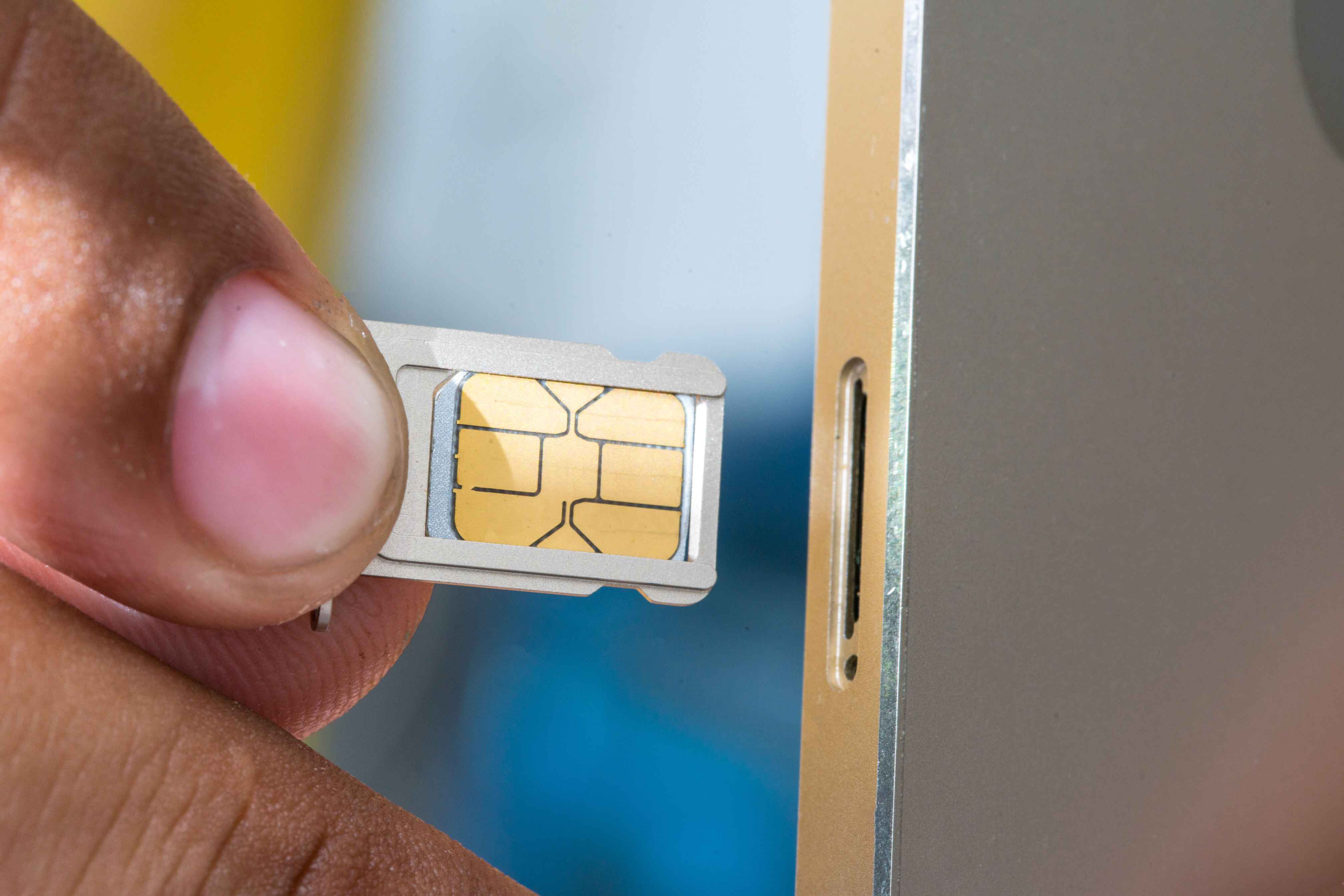
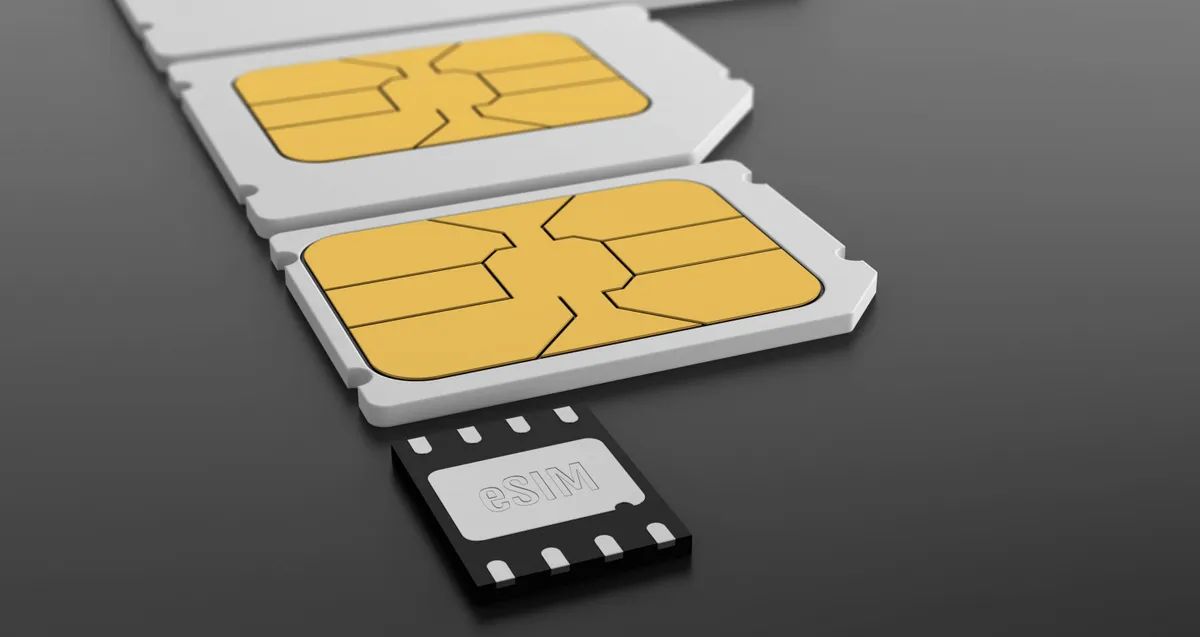
First things to know about your SIM card This SIM card guide explains how the tiny chip that tells the network who you are links your subscriber identity to your...
Reactivation time ranges from a few minutes up to 3 business days, depending entirely on your carrier. While some networks restore service almost instantly via an automated app or call,...
You cannot reactivate an old SIM card that has been deactivated for over a year; your old card is a dead piece of plastic. After a year of deactivation, the...
Before you can switch carriers or use a local SIM while traveling, you need to know if a locked SIM card is the problem, but "SIM locked" actually describes two...
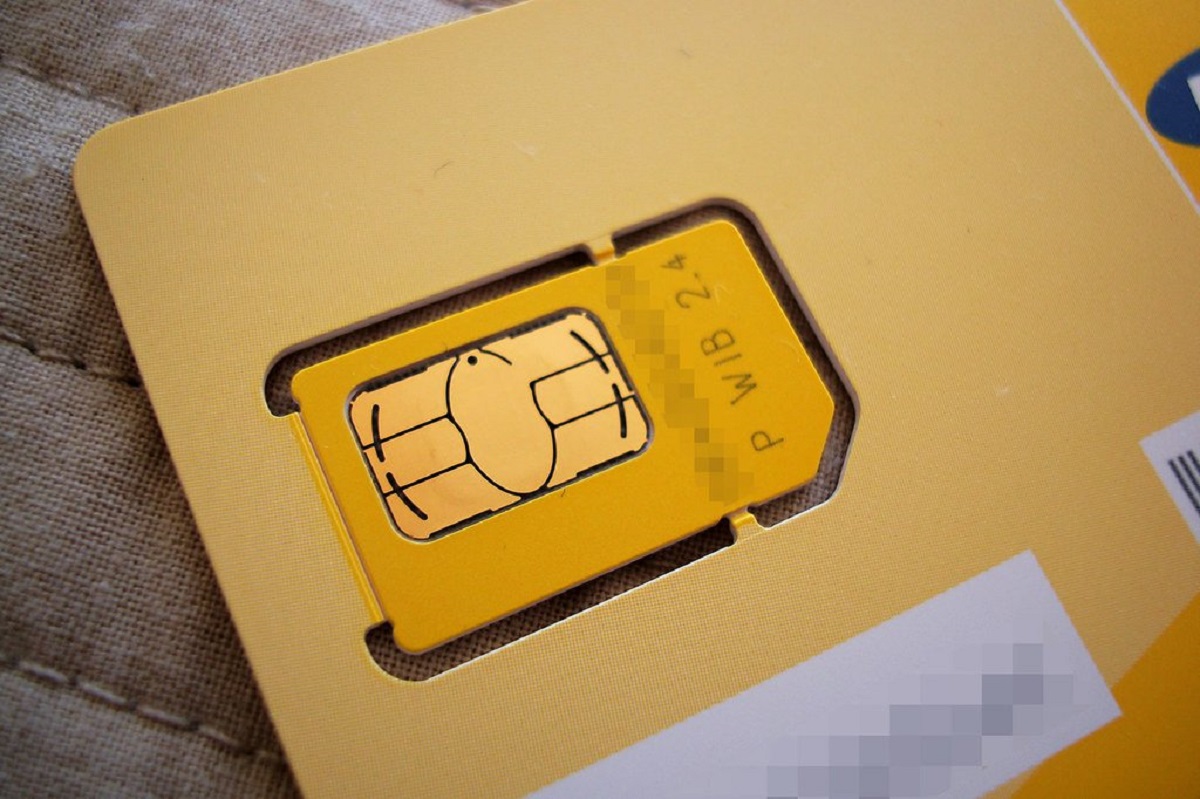
The term "SIM card number meaning" can refer to three distinct identifiers printed on or stored inside your SIM card: the ICCID, the IMSI, and the MSISDN. To immediately clear...
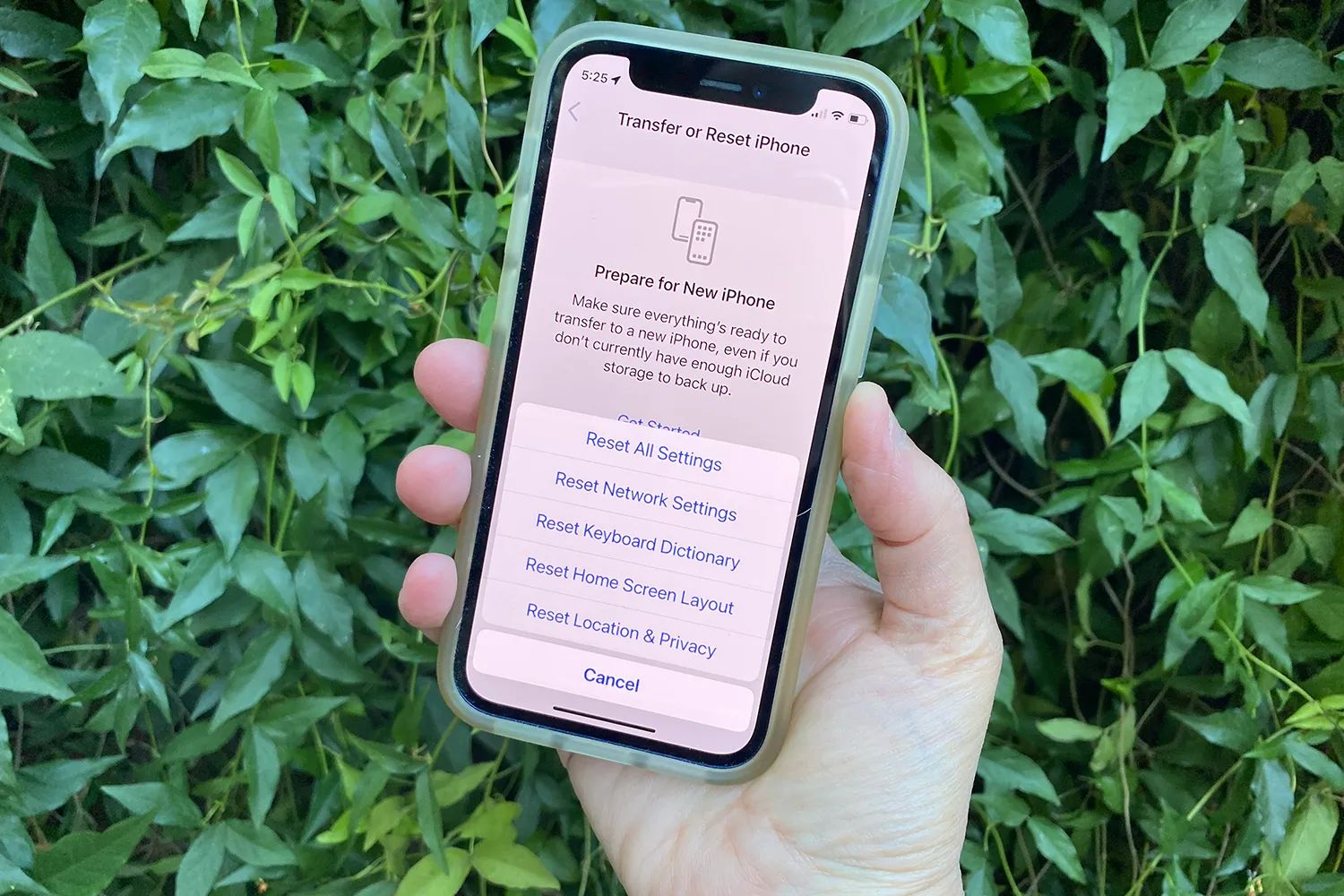
To reset an iPhone SIM card, you typically need to physically remove and reinsert the SIM card to resolve connectivity problems like "No SIM," "Invalid SIM," or "no service." This...
Obtaining 2G SIM cards in 2025 requires immediate verification of network shutdown dates, as most global carriers are sunsetting 2G services. Your only safe path is to confirm that a...
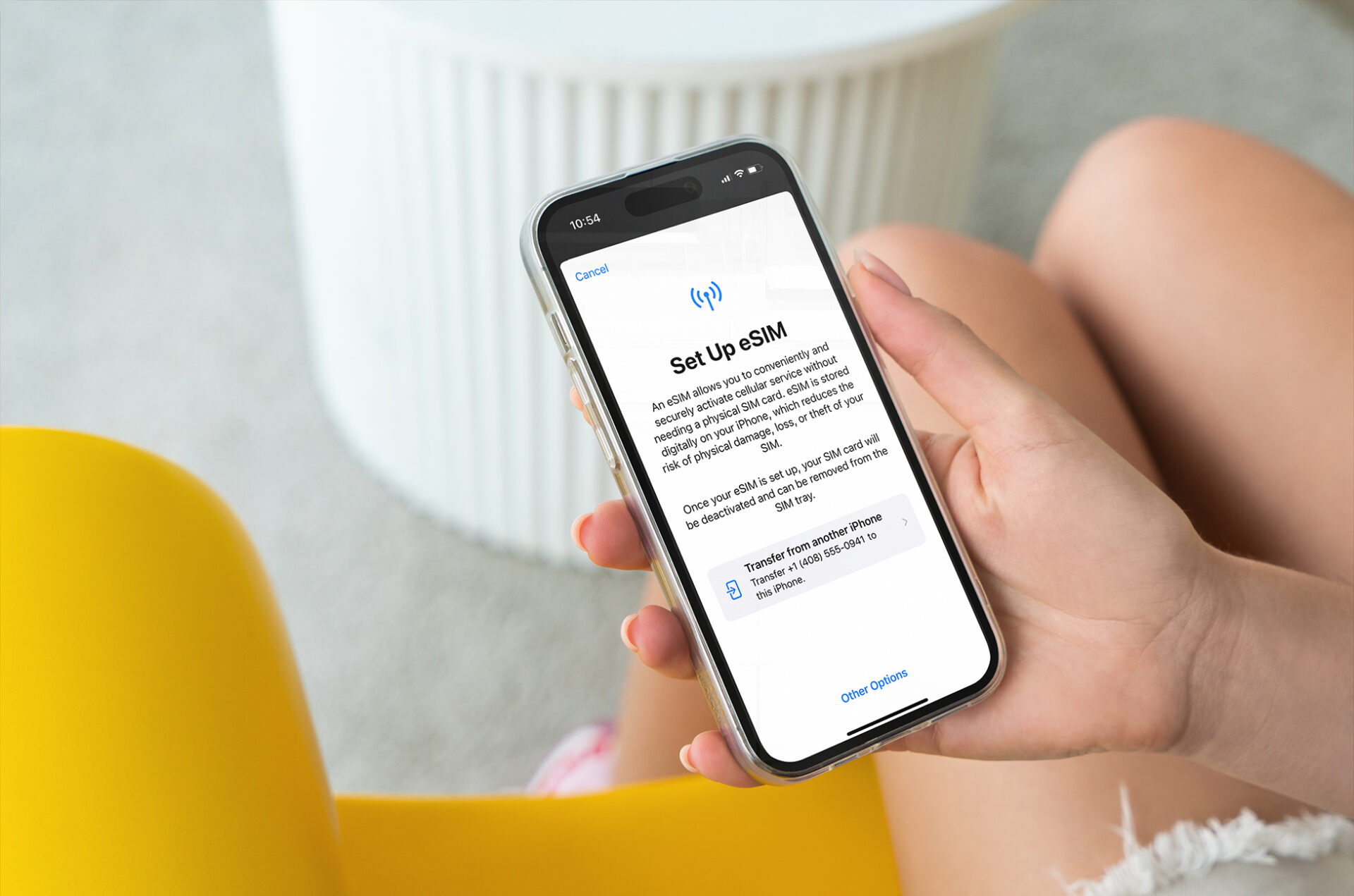
Deactivating your SIM card is an account-level action that requires contacting your carrier directly, it is not something you can complete by simply deleting an eSIM profile from your device....
To switch SIM card from Android to iPhone, you physically move your existing nano-SIM card from one device to the other to keep your phone number and service, but you...
You cannot track a lost phone with a SIM card number alone as a consumer. The SIM card number is an account identifier that only your mobile network provider can...
If your AT&T phone is displaying "Enter PUK," you need an 8-digit Personal Unblocking Key to unlock your SIM card. Locating your PUK code for AT&T SIM cards is essential...
This website uses cookies so that we can provide you with the best user experience possible. Cookie information is stored in your browser and performs functions such as recognising you when you return to our website and helping our team to understand which sections of the website you find most interesting and useful.
Strictly Necessary Cookies
Strictly Necessary Cookie should be enabled at all times so that we can save your preferences for cookie settings.
If you disable this cookie, we will not be able to save your preferences. This means that every time you visit this website you will need to enable or disable cookies again.