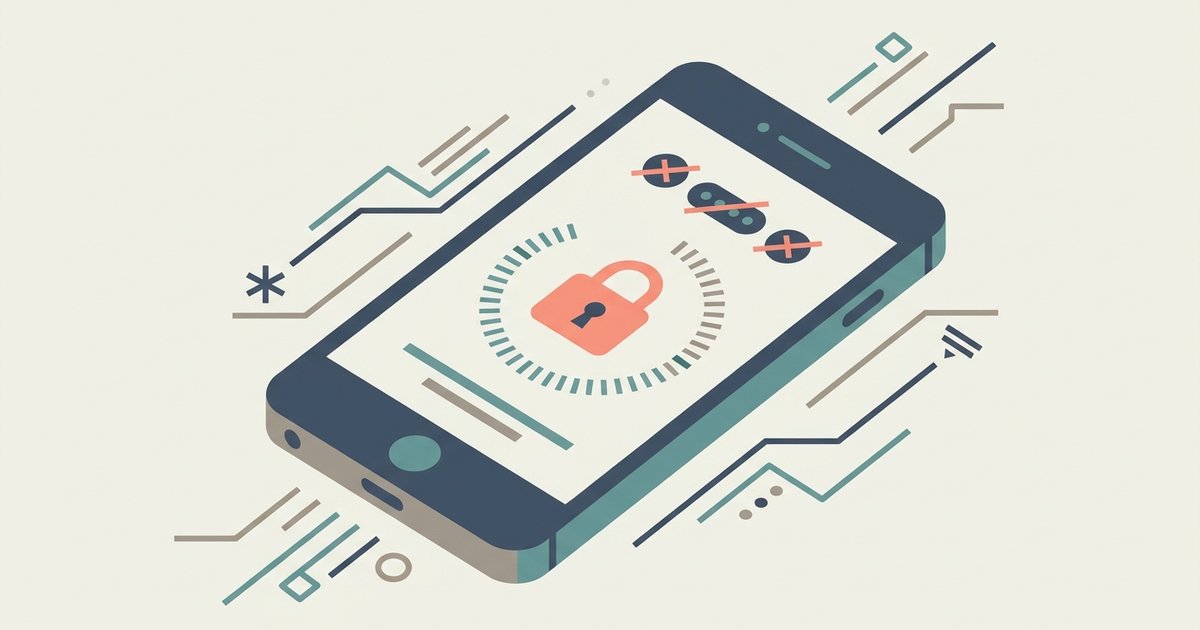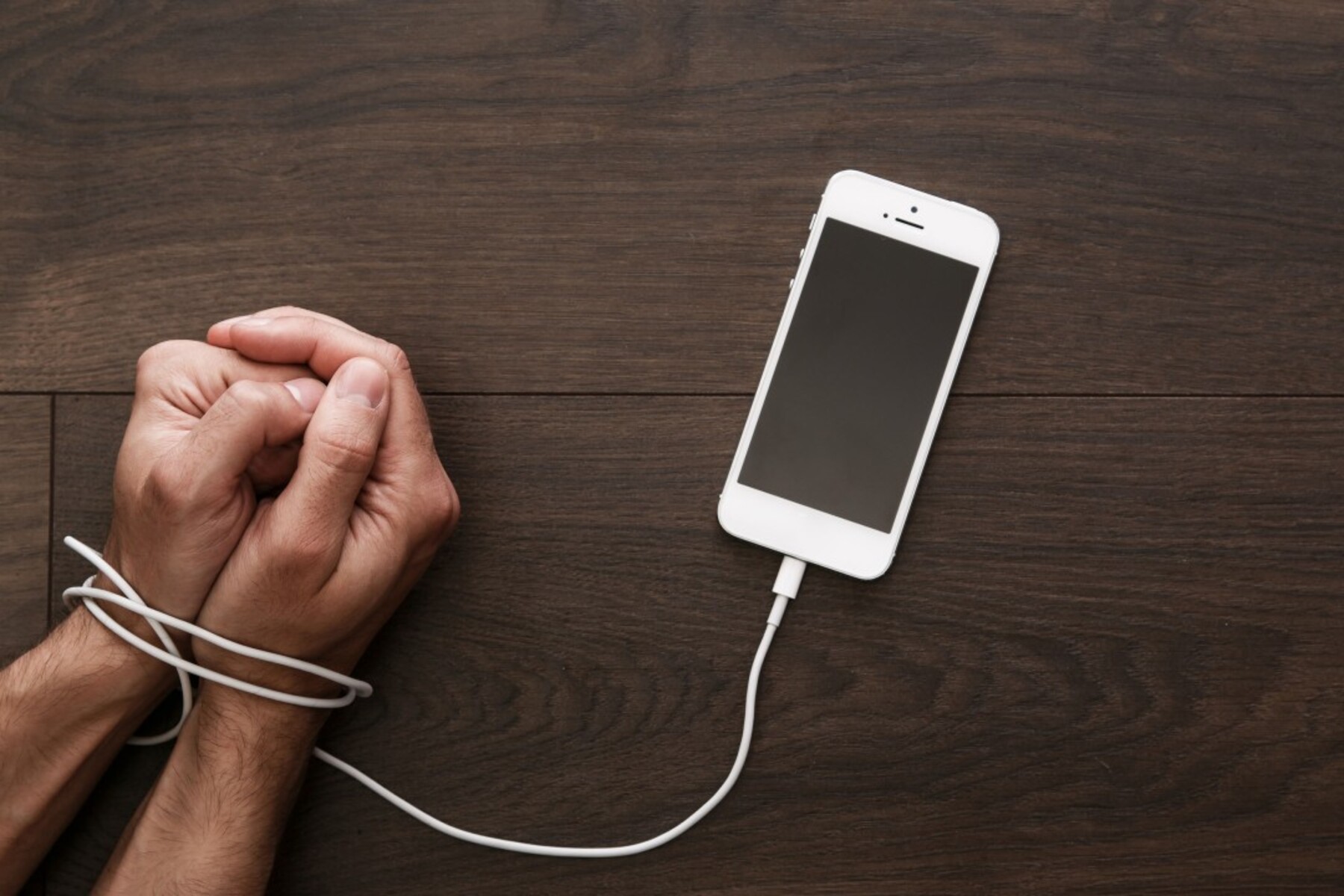
To overcome smartphone addiction, you need to replace compulsive checking with intentional boundaries and real-world habits. This behavioral problem, while not a formal DSM-5 diagnosis, can be addressed with practical steps that reduce the grip of dopamine-driven notifications and FOMO.
Do you need to overcome smartphone addiction?
If you find yourself reaching for your phone dozens of times a day without thinking, or feel restless and irritable when you can’t check it, you’re not alone. Smartphone addiction, sometimes called nomophobia, is characterized by an inability to control usage that negatively impacts your mental and physical health. Common signs include compulsive checking, preoccupation with the device, withdrawal symptoms like difficulty concentrating when separated from it, and neglecting real-life interactions or responsibilities. Recognizing these patterns isn’t about labeling yourself; it’s about seeing where your relationship with your phone has become unbalanced so you can take action.
How to set phone boundaries that stick
Boundaries work best when they’re simple and repeatable. Start by defining tech-free zones in your home, for example, keep your phone out of the bedroom and off the dinner table. This creates physical spaces where you can disconnect and be present. Next, establish specific check-in times during the day, such as allowing yourself to look at your phone only once per hour for five minutes. The key is to disrupt the automatic habit of reaching for your device. When you feel the urge to check, pause and ask yourself if it’s necessary or just a reflex. Over time, these small limits rebuild your sense of control.
Use your phone's built-in tools to block distractions
Your smartphone already has powerful features to help you cut down on mindless use. For iPhone users, open Settings > Screen Time. Review your Screen Time report to see daily usage, pickups, and notifications. Then set Downtime to make most apps unavailable during scheduled periods, and use App Limits to restrict time on specific app categories or individual apps. Make sure “Block at Downtime” is toggled on so the limits actually enforce. For Android, use the Dashboard to monitor screen time and app usage, set App Timers to cap daily use of distracting apps, enable Focus Mode to pause notifications, and activate Bedtime Mode to mute alerts and turn the screen grayscale before sleep. These tools work because they remove the friction of willpower, you don’t have to decide not to check; the phone simply won’t let you.
Plan a digital detox that works for you
A digital detox doesn’t have to mean going offline for a week. Choose a duration that feels manageable, like a single day or a weekend. Before you start, inform your contacts so they know you’ll be less reachable. Then schedule specific offline activities from a list you prepare ahead of time, such as hiking, reading a physical book, or meeting a friend for coffee. The goal is to fill the time you’d normally spend scrolling with something that gives you a genuine sense of reward. After the detox, notice how your mood and focus shift. You can repeat this as a recurring practice, like a weekly unplugged Sunday, to keep the benefits lasting.
Replace scrolling with real-world activities
The reason you reach for your phone is often boredom or a craving for a dopamine hit. To break the cycle, you need alternatives that deliver real satisfaction. Physical exercise, whether a run, yoga, or a brisk walk, boosts mood and reduces stress. Creative outlets like drawing, writing, or playing an instrument provide a productive way to express yourself. Spending time in nature has a calming effect that screens can’t match. And in-person socializing, game nights, shared meals, or simple conversations, builds connections that feel far more fulfilling than likes or comments. The trick is to keep these options ready so when the urge to scroll hits, you have a better choice waiting.
When to seek support for phone dependency
If you’ve tried boundaries and detoxes but still feel stuck, you don’t have to go it alone. Leaning on friends and family for accountability can make a big difference, share your goals and ask them to check in on your progress. You can also join online communities focused on digital well-being, where others share strategies and encouragement. If your phone use is tied to underlying anxiety, stress, or compulsive behaviors that feel beyond your control, professional help from a therapist may be the right step. A counselor can help you address the root causes and build coping strategies that last. Seeking support is a sign of strength, not weakness, and it can turn a frustrating struggle into a manageable journey.
\nRelated reading: Skincare Guide: Shielding Your Skin From The Effects Of Blue Light, How To Set Screen Time On Amazon Fire Tablet, and How To Block Porn On A Tablet.