




Robots, especially humanoid robots, never fail to fascinate people. For years, robotic companies have been trying to perfect this technology, from algorithms down to aesthetics. From building robots that look like nothing but sheer metals, most robotics companies are now into developing robots that appear like real humans, head to toe.
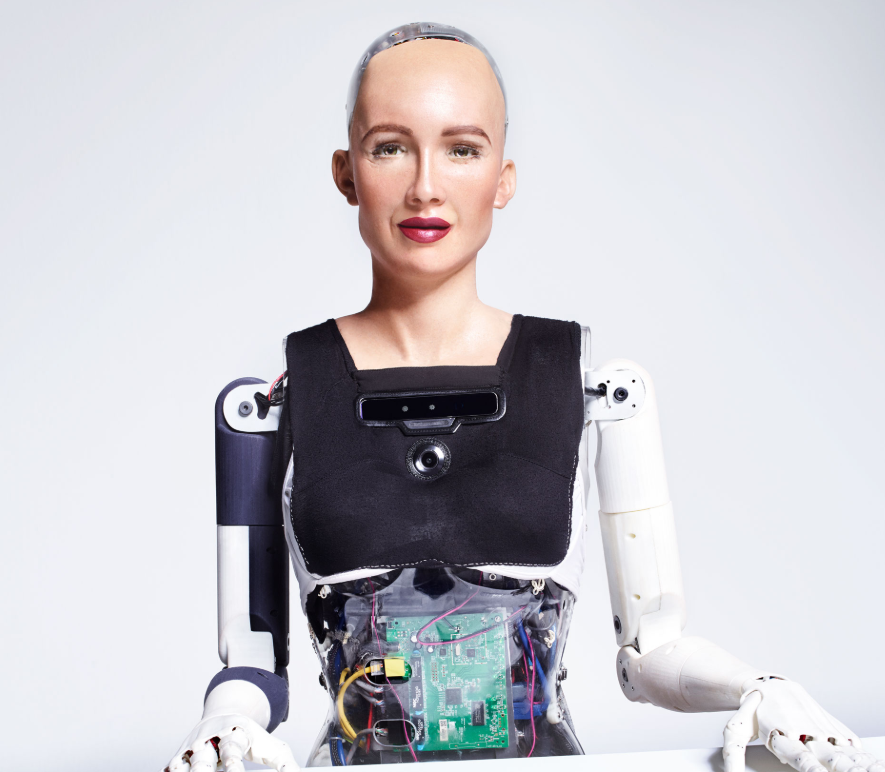
You may know Sophia, the humanoid robot with humor like a human. Aside from its unbelievable intelligence, the female robot has also a human-like face that can show off different emotions. Anger, sadness, joy, fear or disgust, name it and she has it.
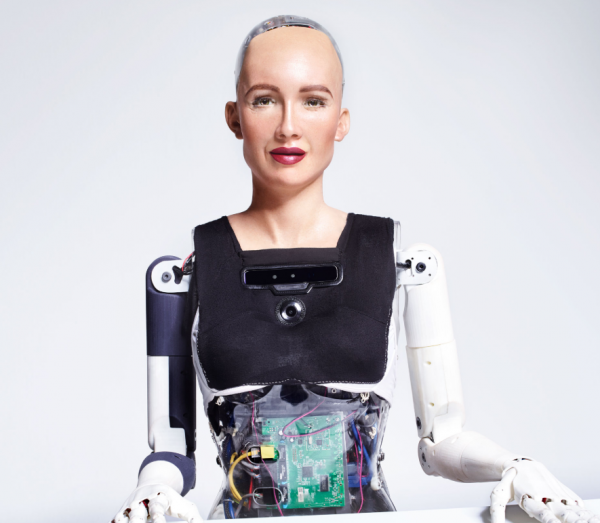
Now, a British robotics startup wants to replicate that, only with a robot face copied exactly from a real human.
In a blog post, Geomiq, a British engineering and manufacturing firm, has made a call for people interested to be the face of a line of robots they are developing for an anonymous robotics company. The firm said that they are looking for a ‘kind and friendly’ face to be the face of the robot they are developing. And they are willing to make anyone $130 000 richer for that.
But here’s the deal. The selected person’s face will be reproduced on potentially thousands of versions of the robots worldwide. It sounds fun to see a humanoid robot that exactly looks like you, but a thousand is a different story.
The company is well aware of how terrifying it is to see thousands of your mechanized doppelgangers treading around. “This is not our usual remit of request, which is why we’re making this public appeal to try and find the right person,” it said.
Robots as Elderly Companion
Geomiq added that the purpose of the project is to develop a social robot that will serve as a companion for elderly people. As elderly people require care, the project developers believe that robots could be one way to address the overwhelming demand. But while robots might be able to provide care, some still questions the idea of robots as a care provider.
A recent survey found out that 68% of people agree that robots are beneficial as they assist people. But of this number, only 26% of them said that they are comfortable having a robot as a companion.
Timeline of the Project
Set to go into production next year, the developer said that the project has been in development for five years. The project has taken investments from independent venture capital from Shanghai since then.
Criticisms on the Project
The proposition of licensing your face to an unknown company has minor setbacks as some question the legitimacy of the project. Comments on social media sites even say that the project is like a plot of a bad science-fiction movie.
As per Geomiq’s statement, the anonymity of the developer is due to the ‘secretive’ nature of the project. It added that although the designer can’t release too many details at the early stage, candidates who make it through the next phase will be given full details on the project.